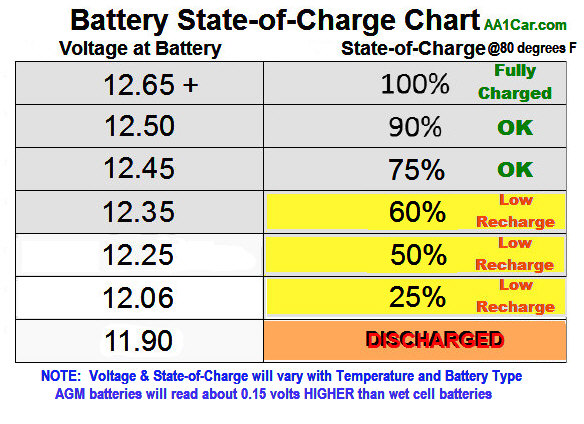
A healthy resting car battery voltage sits between 12.4 and 12.7 volts, while a fully charged battery running the engine reads 13.7 to 14.7 volts. Knowing these numbers saves you from those frustrating mornings when your car just won't start.
If you've ever turned the key and heard nothing but a sad click, you already know how a weak battery can ruin your day. After spending years working on cars and helping friends troubleshoot dead batteries, I can tell you that understanding voltage is one of the simplest yet most powerful things a driver can learn. Let me walk you through everything you need to know about car battery voltage, what numbers mean what, and how to keep your battery in great shape.
Understanding Car Battery Voltage Basics
Your car battery is basically the heart of your vehicle's electrical system. It stores energy in chemical form and releases it as direct current to power everything from your headlights to your engine's starter motor. When people talk about battery voltage, they're referring to the electrical pressure pushing current through your car's wiring.
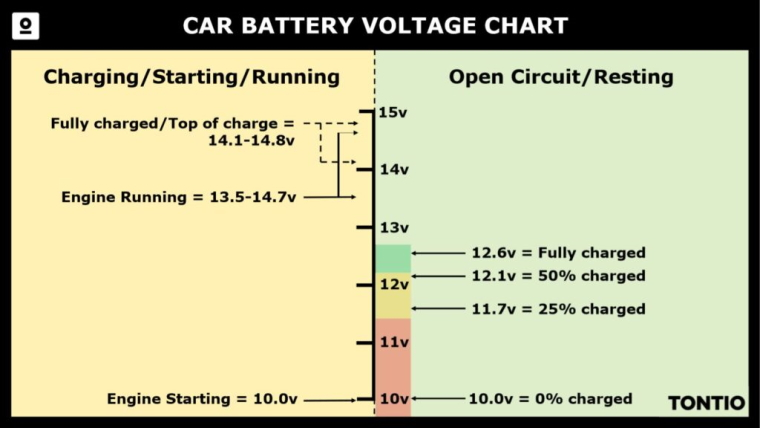
A standard car battery is a 12-volt battery, but here's something that confuses many people: it actually produces more than 12 volts when fully charged. That's because six cells work together inside the battery, each generating around 2.1 volts. When you add them all up, you get roughly 12.6 volts when the battery is at rest and fully charged.
Think of voltage like water pressure in a hose. Higher pressure pushes more water through. Higher voltage pushes more electrical current through your car's components. Without enough voltage, your starter motor can't crank the engine, your lights dim, and your electronics behave oddly.
What Is a Good Battery Voltage for a Car When Not Running
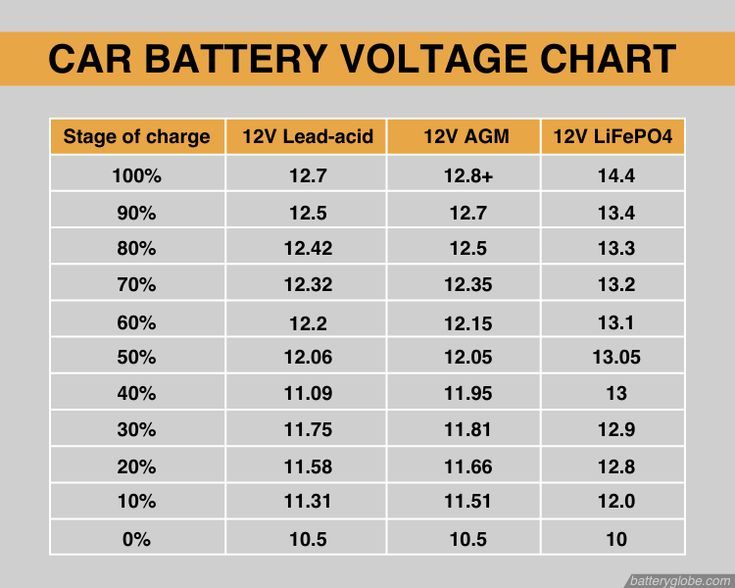
When your car is off and the battery has been resting for at least a few hours, a healthy battery should show between 12.4 and 12.7 volts on a multimeter. Anything in this range means your battery is holding a charge properly and ready to start your engine.
Here's a quick breakdown of resting voltage readings:
12.6 to 12.7 volts means your battery is fully charged and in excellent condition
12.4 volts indicates a charge around 75 percent, still good for normal use
12.2 volts points to about 50 percent charge, which is getting weak
12.0 volts or below signals a deeply discharged battery that needs charging or replacement
I learned this the hard way one winter morning. My car wouldn't start, and I had no idea why. Pulled out my multimeter, checked the resting voltage, and saw 11.8 volts. The battery was shot. A quick test like that saved me from guessing and wasting money on parts that weren't the problem.
If your resting voltage drops below 12.0 volts, your battery is either dying, has a parasitic drain, or simply needs a good charge. Don't ignore these readings because they only get worse with time.
What Is a Good Battery Voltage for a Car When Running
Once your engine is running, your alternator takes over and charges the battery while also powering your car's electrical systems. A properly functioning charging system should show between 13.7 and 14.7 volts at the battery terminals.
Here's why this range matters:
13.7 to 14.7 volts is normal and indicates the alternator is working correctly
Below 13.7 volts suggests the alternator isn't charging enough, possibly failing
Above 14.7 volts points to an overcharging problem that can damage your battery
When I test a running car, I always have the headlights and AC on to put a load on the system. This gives a more realistic reading because real-world driving involves multiple electrical demands at once. If the voltage drops too much under load, something is off.
I remember testing a friend's truck that kept dying randomly. The resting voltage looked fine at 12.5 volts, but with the engine running, it only showed 13.2 volts. The alternator was on its way out. Replacing it fixed the problem instantly. That experience taught me to always test both resting and running voltage, not just one or the other.
How Temperature Affects Battery Voltage
Temperature plays a huge role in how your battery performs. Cold weather reduces a battery's ability to deliver power, while hot weather speeds up internal chemical reactions but also shortens battery life.
Cold weather effects include slower chemical reactions inside the battery, reduced cranking power, and voltage drops during startup
Hot weather effects involve faster chemical reactions, increased corrosion on internal plates, and shorter overall lifespan
A battery that reads 12.4 volts in summer might drop to 12.1 volts in winter. That doesn't necessarily mean the battery is bad. It just means the cold is putting extra stress on it. This is why so many batteries fail in the first cold snap of the year. They were already weak, and the cold pushed them over the edge.
If you live in a place with harsh winters, keeping a battery maintainer or tender plugged in can make a huge difference. I started using one on my classic truck years ago, and that battery lasted over seven years. Before that, I was lucky to get three years out of them.
How to Test Your Car Battery Voltage
Testing your battery is one of the easiest DIY car maintenance tasks. You don't need to be a mechanic. Just grab a digital multimeter and follow these steps:
- Turn off your car and remove the key from the ignition
- Wait at least 15 minutes for the surface charge to dissipate
- Set your multimeter to DC voltage, usually 20V setting
- Connect the red probe to the positive battery terminal
- Connect the black probe to the negative battery terminal
- Read the voltage on the display
- Write down the number so you can track changes over time
Make sure your probes touch clean metal on the terminals. Corroded or dirty connections can give you false readings. If your terminals look crusty or white, clean them with a wire brush and some baking soda mixed with water before testing.
For a more thorough test, take your car to an auto parts shop. Most will test your battery, alternator, and starter for free. They'll use a load tester that simulates real-world demands and tells you exactly how much life is left in your battery. I do this every fall before winter hits. It takes ten minutes and gives me peace of mind.
Signs of a Weak or Failing Battery
Voltage readings tell you a lot, but your car also gives you warning signs when the battery is getting weak. Watch out for these symptoms:
Slow engine cranking when you turn the key
Dim headlights, especially at idle
Dashboard battery light staying on while driving
Clicking sound when turning the key
Electrical issues like power windows moving slowly
Needing frequent jump starts
One of the most common mistakes I see is people ignoring these signs until they're stranded. A battery rarely dies without warning. It usually gives you weeks or months of hints. If you pay attention and test your voltage regularly, you can replace the battery on your own schedule instead of during an emergency.
How to Maintain Good Battery Voltage
Keeping your battery in good shape isn't complicated. A few simple habits go a long way:
Drive your car regularly because short trips don't give the alternator enough time to recharge the battery
Keep terminals clean and free of corrosion
Make sure the battery is securely mounted to prevent vibration damage
Avoid leaving electronics on when the engine is off
Check voltage monthly to catch problems early
If you store your car for long periods, use a battery tender to maintain the charge. Letting a battery sit unused for weeks slowly drains it. A maintainer keeps it at the perfect voltage without overcharging.
I made the mistake once of leaving my convertible parked for two months without driving it. When I finally went to start it, the battery was completely dead. Now I make it a rule to either drive each car at least once a week or hook up a tender. That one lesson saved me from buying batteries I didn't need to buy.
Common Battery Voltage Myths
There are a few myths floating around that can lead drivers astray. Let me clear them up.
Myth one is that you should add water to modern batteries. Most car batteries today are sealed and maintenance-free. Adding water can actually damage them. If you have a traditional flooded battery, only use distilled water and follow the manufacturer's instructions.
Myth two is that a battery showing 12.0 volts is still okay. A reading of 12.0 volts means the battery is at about 25 percent charge. It's not okay. It needs charging or replacing soon.
Myth three is that jump-starting a dead battery fixes the problem. Jump-starting gets you going, but it doesn't fix whatever caused the battery to die. You still need to test the battery and charging system to find the root cause.
When to Replace Your Car Battery
Most car batteries last between three and five years, though some premium models can go longer. Instead of guessing, use voltage readings and age to decide when to replace.
Replace your battery if resting voltage stays under 12.2 volts after charging, if it's more than five years old and showing weak readings, if it fails a load test at an auto parts store, or if you've needed multiple jump starts recently.
Don't wait for total failure. A battery that struggles today will leave you stranded tomorrow. Replacing it on your terms is always better than replacing it during an emergency on a cold morning.
Choosing the Right Battery for Your Car
Not all batteries are created equal. When shopping for a replacement, consider these factors:
Group size that matches your car's battery tray
Cold cranking amps rating for your climate
Reserve capacity for how long it can run accessories if the alternator fails
Brand reputation and warranty coverage
I've tried many brands over the years, and I've had the best luck with mid-range batteries from reputable makers. The cheapest option might save you money upfront, but it often doesn't last as long. Think of a battery as an investment in reliability.
Frequently Asked Questions
What voltage is too low for a car battery?
Any reading below 12.0 volts at rest is too low. It means the battery is deeply discharged and either needs a full charge or replacement. If it drops below 11.8 volts, sulfation starts happening, which permanently damages internal plates.
Is 14.5 volts good for a car battery?
Yes, 14.5 volts is right in the sweet spot for a running vehicle. It means your alternator is charging the battery properly while the engine runs. Anything between 13.7 and 14.7 volts is normal and healthy.
How many volts should a car battery lose overnight?
A healthy battery should lose no more than 0.02 volts overnight due to normal self-discharge. If you wake up to a battery that's dropped from 12.6 to 12.0 volts overnight, you likely have a parasitic drain or a failing battery.
Can a car battery show 12 volts and still be good?
A battery showing exactly 12.0 volts is at about 25 percent charge. It's not good. It means the battery has been drained significantly. A truly healthy battery at rest should show 12.4 to 12.7 volts.
How often should I check my car battery voltage?
Checking your battery voltage once a month is a good habit for staying ahead of problems. Test it more often in extreme weather or if your battery is more than three years old.
Conclusion
Understanding what good battery voltage for a car looks like puts you ahead of most drivers. Remember that a resting voltage between 12.4 and 12.7 volts means a healthy battery, while a running voltage between 13.7 and 14.7 volts means your alternator is doing its job. Test your battery monthly, keep those terminals clean, and don't ignore warning signs like slow cranking or dim lights.
The best thing you can do right now is grab a multimeter and test your battery. It takes five minutes, costs very little, and could save you from a frustrating breakdown. Take care of your battery, and it will take care of you through every season.
If you found this helpful, share it with a friend who always seems to be dealing with dead batteries. Drop a comment with your own battery stories or questions. I'd love to hear what voltages you're seeing and help troubleshoot any issues you might be facing.