The date sticker on a car battery shows when it was manufactured, helping you gauge its age and remaining lifespan. Understanding this small piece of information can save you from unexpected breakdowns and help you plan ahead for a replacement. Most drivers overlook this tiny detail, but it holds the key to knowing whether your battery is fresh, aging, or already past its prime.
If you've ever wondered what those numbers and letters on top of your battery really mean, you're in the right place. I've spent years working with cars, testing batteries, and helping drivers avoid the frustration of a dead battery on a cold morning. That little sticker is like a secret code, and once you crack it, you'll never look at a car battery the same way again. Let me walk you through everything you need to know, from decoding the date to knowing when it's time for a new one.
What Is a Car Battery Date Sticker
A car battery date sticker is a small label or stamp placed on the battery case or terminal that shows the month and year the battery was manufactured. It's used by manufacturers, mechanics, and drivers to determine how old the battery is. Since car batteries degrade over time, even when not in use, the date sticker helps estimate how much usable life is left.
Think of it like the expiration date on a gallon of milk. The milk might still be okay for a little while past the date, but you know it won't stay fresh forever. The same goes for your car battery. A battery made 12 months ago will perform better than one that has been sitting on a shelf for two years.
Why the Date Sticker Matters
The date sticker matters because car batteries have a limited lifespan, usually between three and five years under normal conditions. Heat, heavy electrical loads, and short trips can shorten that window. Knowing the battery's age helps you decide whether you need a replacement soon or if your current battery still has plenty of juice left.
I remember a time when a customer came into the shop with a car that wouldn't start. He had just bought the battery six months earlier, so he was convinced it was still good. Turns out, the battery had been manufactured almost three years before he bought it. It had already spent over two years on the store shelf, which meant most of its useful life was gone before it even got installed. He had no idea the date sticker could have warned him.
How to Read the Date Sticker
Reading the date sticker is simple once you know the format. Most battery makers use one of these common systems.
Letter and Number Format
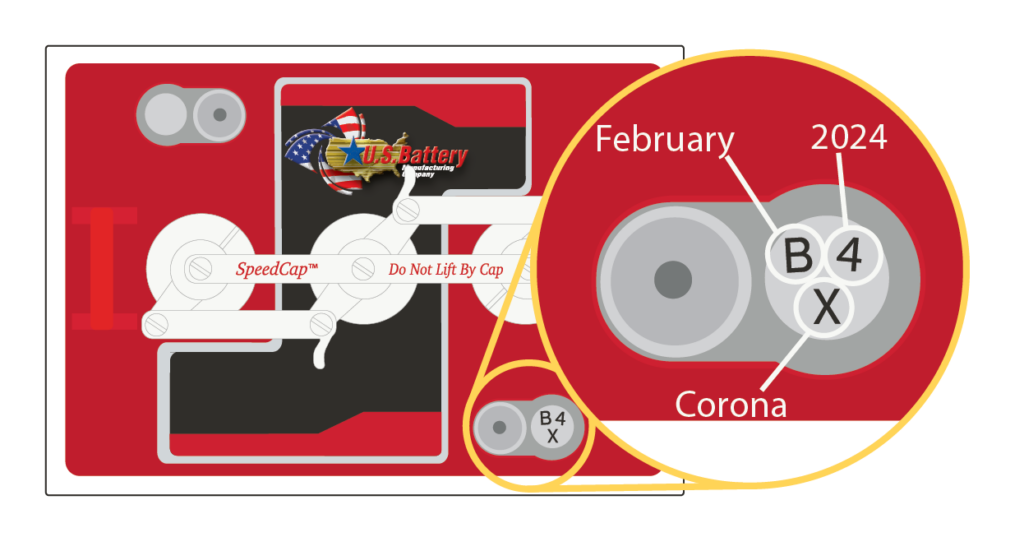
Some manufacturers use a letter for the month and a number for the year. For example, "C5" would mean March 2025. A through L usually represents January through December, skipping the letter I to avoid confusion with the number 1.
Numeric Month and Year Format
Others prefer a more straightforward numeric format, like "03/25" or "2025-03." This one is easy to read and requires no decoding. If you see this, just remember the first number is the month and the second is the year, or vice versa depending on the order.
Color-Coded Stickers
Some brands use color dots or stickers that change each quarter. Each color represents a specific three-month window. This is common on batteries from brands that rotate their inventory often.
Heat Stamp or Engraving
Instead of a sticker, some manufacturers stamp the date directly into the plastic case near the terminal. This is permanent and won't wear away like a printed label.
Where to Find the Date Sticker
The date sticker is usually located in one of these spots.
- On the top of the battery near one of the terminals
- On the side of the battery case
- Stamped into the plastic near the positive or negative post
- On a round colored sticker on the top surface
If you can't find a sticker at all, check the warranty card or receipt. Some manufacturers record the date of sale rather than the date of manufacture.
What Happens If the Date Sticker Is Missing
Sometimes the sticker falls off, gets painted over, or fades in the sun. If there's no visible date, you can still estimate the battery's age by looking at the case condition, checking for corrosion, or asking the retailer where and when it was purchased. A load test at an auto parts store can also tell you how much life is left, even without knowing the exact age.
How Battery Age Affects Performance
A battery loses strength over time due to a process called sulfation, where lead sulfate crystals build up on the internal plates. This happens faster in hot climates and when the battery sits unused for long periods.
- A battery less than 12 months old is considered fresh
- A battery 1 to 2 years old is in its prime working years
- A battery 2 to 3 years old is entering its decline phase
- A battery over 3 years old is living on borrowed time
I always tell people that a battery doesn't wait for a convenient time to fail. It usually dies on the coldest morning of the year or right before a long road trip. That's why the date sticker is such a powerful tool. It lets you see the failure before it happens.
How to Extend the Life of Your Battery
Knowing the age is one thing, but getting the most out of your battery is another. Here are a few habits that can add months or even years to its life.
- Drive your car regularly to keep the battery fully charged
- Avoid leaving electronics on when the engine is off
- Keep the terminals clean and free of corrosion
- Have the charging voltage checked during routine maintenance
- Park in a garage during extreme heat when possible
- Disconnect the battery if the car will sit unused for weeks
I once had a battery last almost seven years just by following these habits. It was in a car that was driven daily, garaged at night, and never used for short hops around town. Compare that to a typical battery in a ride-share vehicle that barely makes it to the three-year mark.
Common Misconceptions About Battery Date Stickers
There are a few myths floating around about what the date sticker really means. Let's clear them up.
The Date Sticker Shows the Sell Date
Some people think the sticker shows when the battery was sold, but in most cases, it shows the manufacture date. The sell date might be on a separate warranty tag or receipt.
A Newer Date Always Means a Better Battery
Not always. A battery that was manufactured recently but stored in poor conditions might perform worse than an older one that was kept cool and charged. Always check the condition, not just the date.
The Date Sticker Is Just for Warranty Purposes
While it's true that the date helps with warranty claims, it's also a key indicator of battery health. Mechanics use it every day to decide if a battery is still reliable.
When to Replace Your Battery Based on the Date
As a general rule, most car batteries should be replaced every three to five years. If your battery is approaching the three-year line, it's smart to start planning for a replacement, especially if you live in a hot climate or use a lot of electronics in your car.
Here's a quick checklist.
- Battery is older than three years
- Slow cranking on cold mornings
- Dim headlights when the engine is idling
- Battery warning light on the dashboard
- Corrosion or swelling on the case
- Frequent jump-starts needed
If two or more of these apply, it's time to start shopping for a new one.
How to Choose a New Battery Using the Date
When buying a new battery, always check the date sticker before you pay. You want one that was manufactured within the last six months. Avoid batteries that have been sitting on the shelf for over a year, even if they are brand new. The fresher the battery, the longer it will last.
I learned this lesson the hard way early in my career. I bought a "new" battery that turned out to be over a year old. It failed within eight months. Ever since, I check the date on every battery I install, and I recommend my customers do the same.
Frequently Asked Questions
What does the date on a car battery actually mean
The date on a car battery shows the month and year it was manufactured. It helps you figure out how old the battery is and how much life it likely has left.
Can a car battery be too new
Yes, a battery can technically be too new in the sense that it might have been in storage too long. Look for a manufacture date within the last six months for the best results.
Do all batteries have date stickers
Most batteries have either a sticker, a stamp, or a printed code showing the manufacture date. If the sticker is missing, check the case for a heat stamp or contact the manufacturer.
How long can a car battery sit unused before it goes bad
A car battery can typically sit unused for about six months before it starts to lose significant charge. After a year, sulfation can permanently reduce its capacity.
Does the date sticker affect the warranty
Yes, most warranties begin on the date of manufacture, not the date of purchase. That's why a fresh battery is important for getting the full warranty period.
Final Thoughts
That little date sticker on your car battery is more than just a label. It's a roadmap to understanding when your battery was born, how much life it has left, and when you should start thinking about a replacement. Once you know how to read it, you hold a piece of information that most drivers overlook.
Take a few minutes today to pop the hood and check your battery. If it's older than three years, keep a close eye on it. If it's older than five, it's time to replace it before it leaves you stranded. Stay ahead of the failure, and your future self will thank you on that freezing Monday morning when everyone else is waiting for a jump-start.