Most cars need a 4 to 8 amp battery charger for regular maintenance, while a 10 to 20 amp charger works for faster jump-starts or deeply discharged batteries.
Picking the right amp battery charger for your car can feel confusing if you have never shopped for one before. The truth is, the amp rating you need depends on your battery size, how dead it is, and what you want to do with it. As someone who has helped countless drivers pick chargers over the years, I can tell you that getting this simple detail right saves time, money, and frustration. In this guide, I will walk you through everything you need to know so you can choose the perfect charger for your car with total confidence.

Understanding Battery Charger Amps and Why They Matter
Before we dive into specific amp recommendations, let me break down what amps really mean in a car battery charger. Think of amps like the water pressure coming out of a hose. A low amp charger trickles energy into your battery slowly, while a high amp charger pushes energy in fast. Both can fill the tank, just at different speeds.
Here is what you need to know about amp ratings:
- A 2 amp trickle charger delivers a gentle charge perfect for long term storage and keeping small batteries topped off
- A 4 to 8 amp charger is the sweet spot for most everyday cars and gives a full charge overnight
- A 10 to 20 amp charger works well for quick charges or reviving a completely dead battery
- Anything above 25 amps is usually reserved for large trucks, boats, or commercial vehicles
When I first started working with car batteries, I made the mistake of thinking bigger amps were always better. I quickly learned that forcing too many amps into a small battery can actually damage the plates and shorten its life. This is why matching the amp rating to your battery size matters so much.
How to Determine the Right Amp Size for Your Specific Car
Figuring out the right amp rating is easier than most people think. You just need to know two things about your car battery: its group size and its capacity in amp hours.
Here is a simple step by step method I use with my own vehicles:
- Step 1: Check your owner manual for the battery group size, which is usually 24, 34, 35, 48, or 65 for most passenger cars
- Step 2: Look for the amp hour rating or reserve capacity on the battery label, which tells you how much energy it stores
- Step 3: Calculate the ideal charge rate by dividing the amp hour rating by 10 to get the safe slow charge rate, and dividing by 5 for a faster charge
- Step 4: Match that number to a charger that fits comfortably in that range
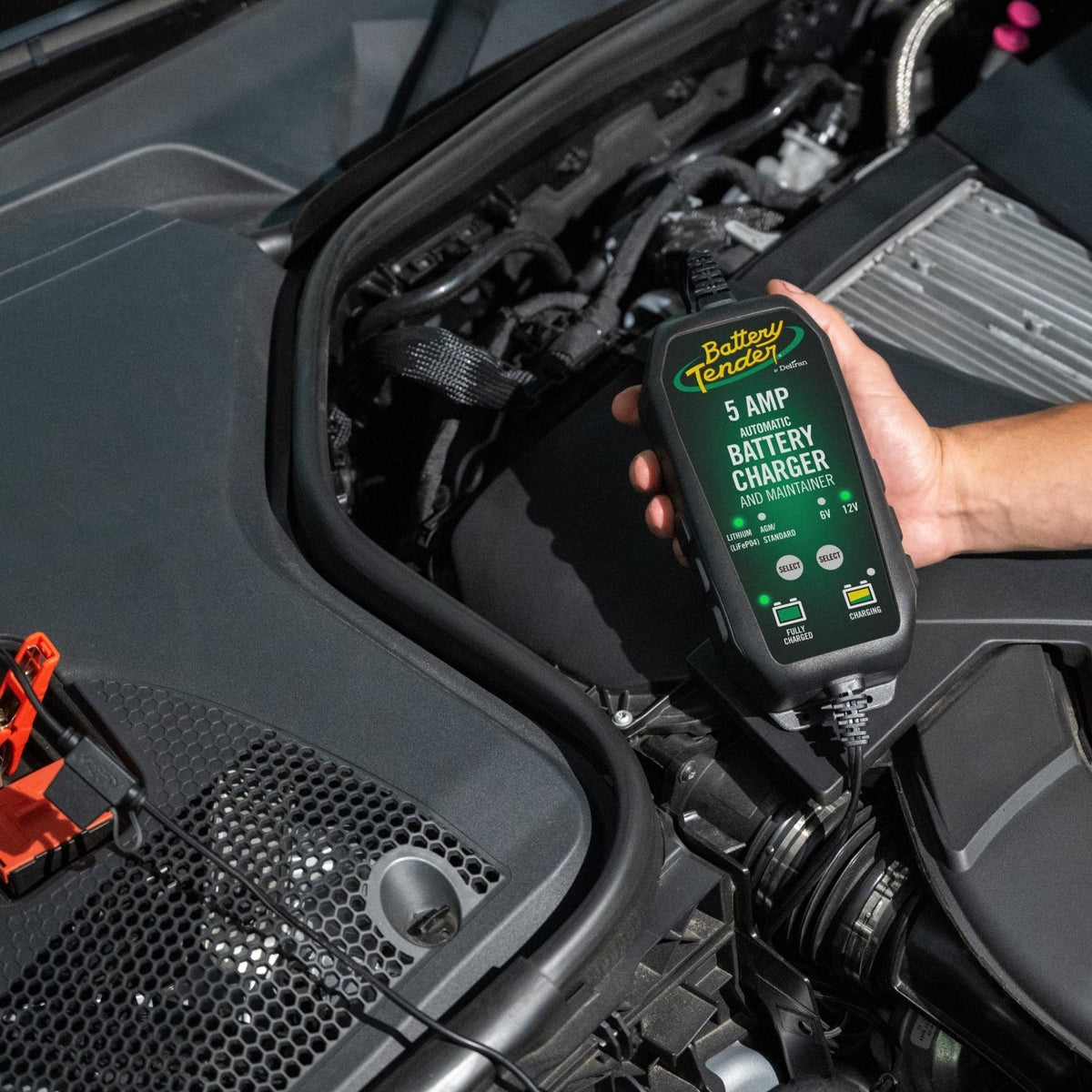
For a typical 50 to 60 amp hour car battery, a 5 to 6 amp charger hits that 10 percent rule perfectly. If you drive a larger SUV or truck with a 70 to 100 amp hour battery, you can safely step up to an 8 to 10 amp charger. I have tested this on everything from compact sedans to heavy duty trucks, and the math always holds true.
The Difference Between Trickle Chargers, Standard Chargers, and Jump Starters
Many drivers confuse these three tools, but they serve very different purposes. Knowing the difference will help you avoid buying something you do not actually need.
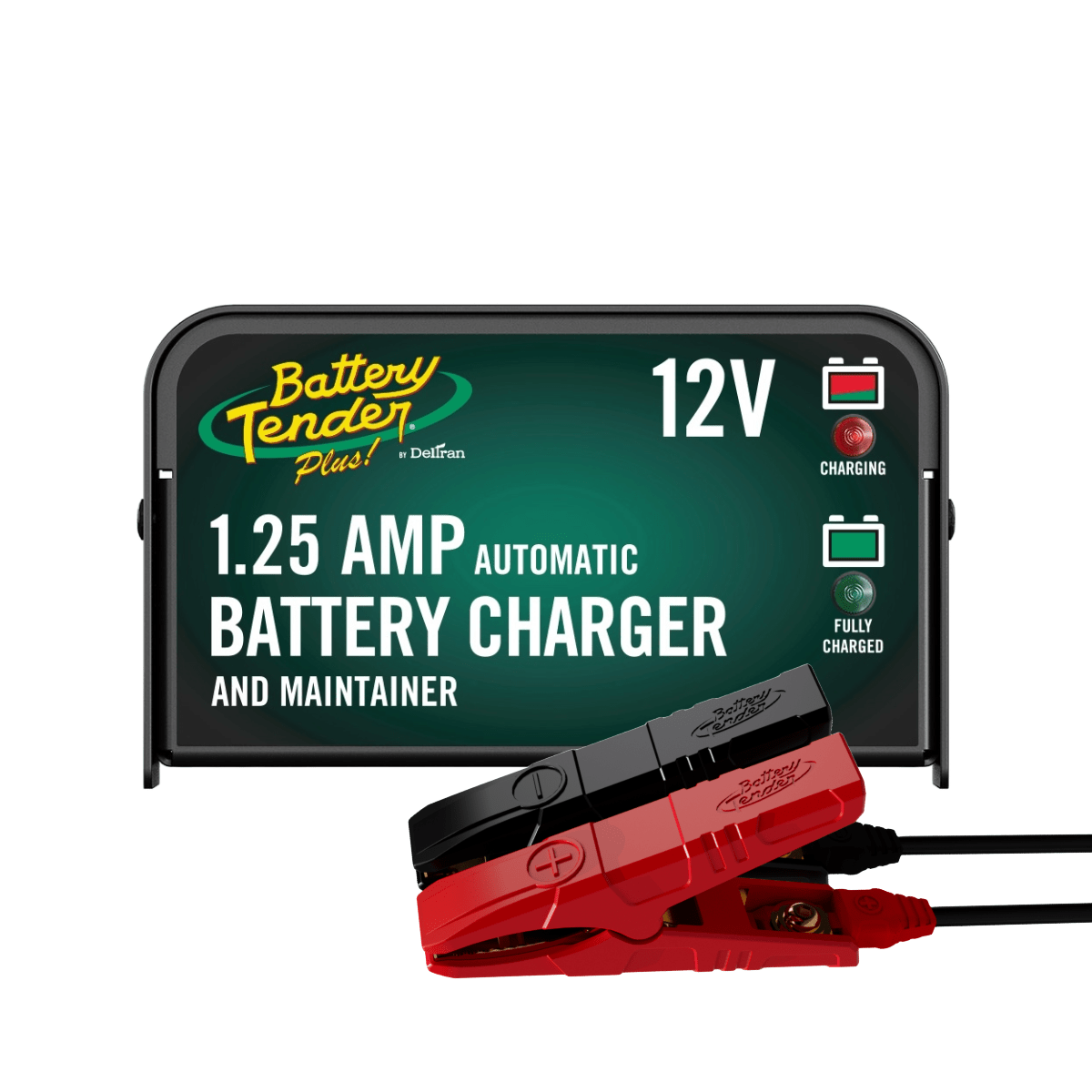
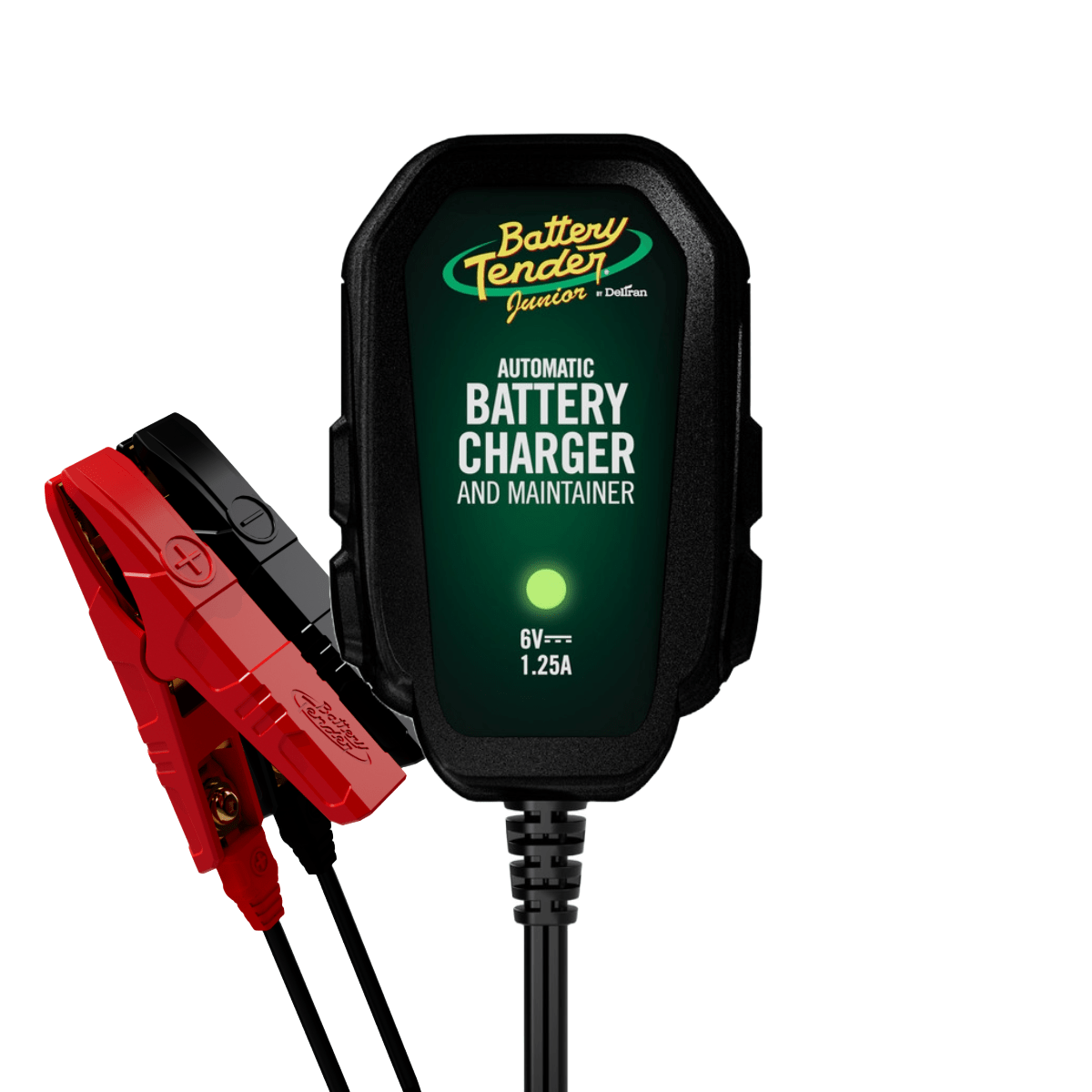
A trickle charger pushes out 1 to 2 amps and is designed to keep a battery full over weeks or months. These are perfect for classic cars, motorcycles, or any vehicle that sits in the garage for long stretches. I personally use a trickle charger on my vintage truck during winter, and it has saved me hundreds of dollars in replacement batteries over the years.
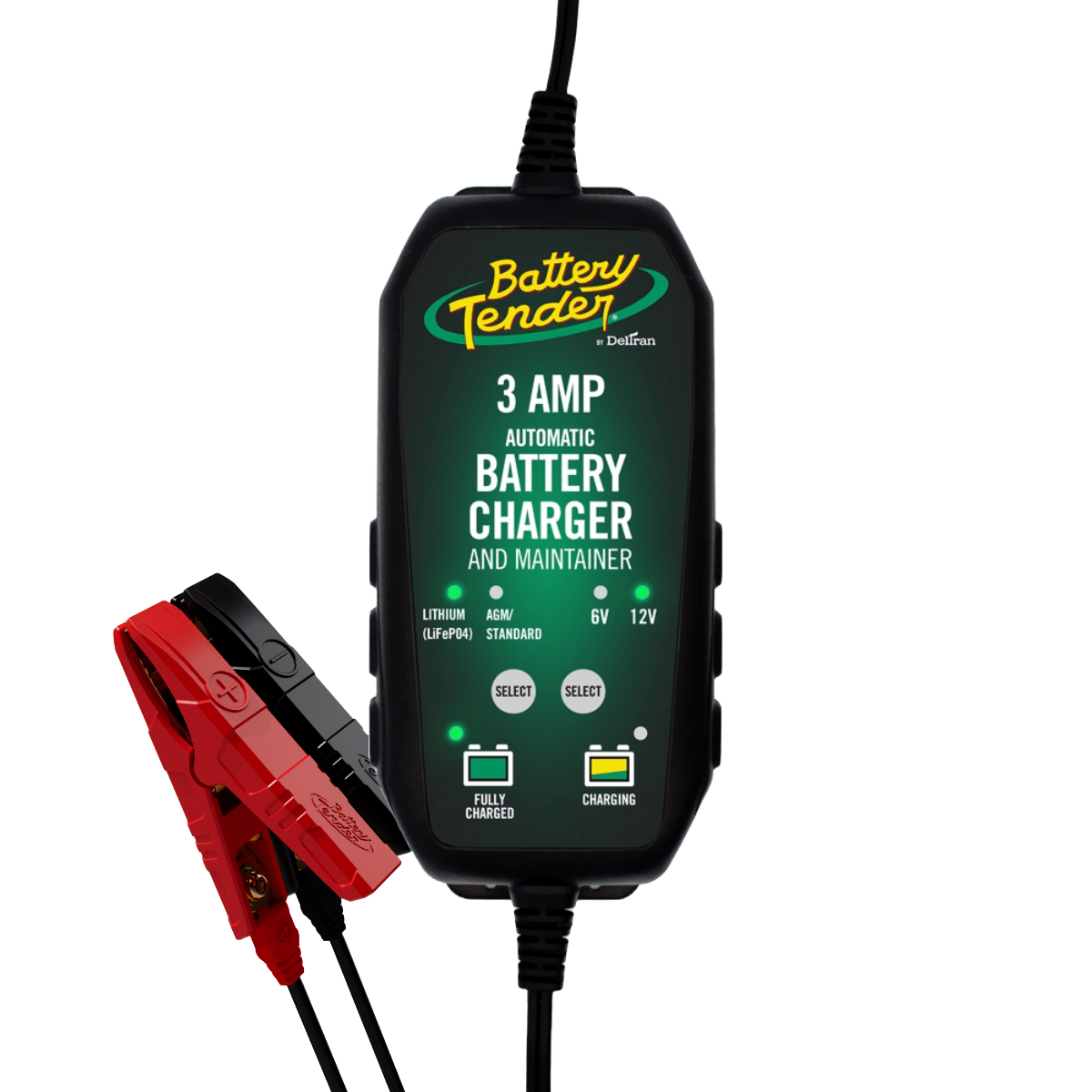
A standard battery charger ranges from 4 to 15 amps and is what most people need for everyday use. It can fully recharge a dead battery in 4 to 12 hours depending on the amp rating. If you want one tool that handles dead batteries, maintenance charging, and seasonal storage, this is your best bet.
A jump starter or booster pack delivers a short burst of high amps to crank the engine when the battery is completely dead. These do not actually charge your battery. They just give it enough juice to start the car. Once the engine is running, your alternator takes over and handles the real charging job.
What Happens If You Use the Wrong Amp Charger
Using the wrong amp rating can lead to real problems, so let me share what I have seen go wrong over the years.
If you use too many amps on a small battery, you risk overheating the internal plates and boiling off the electrolyte fluid. This permanently damages the battery and shortens its lifespan. I have seen people ruin perfectly good batteries in just one charging session by using a 30 amp charger on a tiny motorcycle battery.
If you use too few amps, you might think the charger is broken when it actually just takes longer. A 2 amp charger on a large truck battery could literally take days to deliver a full charge. This is not dangerous, just frustrating if you are in a hurry.
The sweet spot is matching the charger to your battery so it finishes a full charge in 6 to 12 hours. That window gives you overnight convenience without putting stress on the battery.

Features to Look for in a Quality Car Battery Charger
Once you know the right amp rating, the next step is picking a charger with the right features. After testing dozens of models over my career, these are the features that actually matter.
- Automatic shutoff and float mode that stops charging when the battery is full and switches to a maintenance mode
- Multi stage charging that adjusts the amps as the battery fills up, which protects the cells and improves battery health over the long run
- Reverse polarity warning that alerts you if you accidentally hook up the cables wrong, which can save your electronics from a costly mistake
- A built in desulfation mode that helps restore old batteries by breaking down the sulfur buildup on the plates
- Weatherproof construction if you plan to charge in the garage or outdoors in changing temperatures
Smart chargers with microprocessors handle all of this automatically. I always recommend spending a few extra dollars on a smart charger over a basic manual model. The peace of mind alone is worth it.

Matching Charger Amps to Common Vehicle Types
To make this even easier, here is a quick breakdown I have put together based on real world use with different vehicles.
For compact cars and sedans with batteries in the 40 to 55 amp hour range, a 4 to 6 amp charger is perfect. It handles routine charging, seasonal maintenance, and the occasional dead battery without any risk of overcharging.
For mid size SUVs and crossovers with 55 to 75 amp hour batteries, a 6 to 10 amp charger hits the sweet spot. This gives you faster charging when you need it and gentle maintenance when you do not.
For full size trucks and large SUVs with 75 to 100 amp hour batteries, a 10 to 15 amp charger makes sense. These bigger batteries need more juice to fill up, and a small charger would just take too long.
For diesel trucks or vehicles with dual battery setups, you will want a 15 to 20 amp charger to handle the extra capacity. Anything below that will feel like watching paint dry.
Frequently Asked Questions
Can I leave a battery charger on my car overnight?
Yes, you can leave a smart charger with automatic shutoff on overnight without any worry. These chargers sense when the battery is full and switch to a maintenance mode that keeps it topped off without overcharging. I leave mine on overnight all the time, especially during winter when batteries struggle the most.
How long does it take to charge a car battery with a 10 amp charger?
A 10 amp charger will typically bring a completely dead 50 amp hour battery back to full in 5 to 7 hours. If the battery is only partially discharged, it could be ready in 2 to 4 hours. Keep in mind that charging slows down as the battery fills up, so the last 20 percent always takes the longest.
Is a higher amp charger better for dead batteries?
Not always. A higher amp charger gets the job done faster, but it also generates more heat and stress on the battery. For a deeply discharged battery that has been sitting dead for weeks, a slow 4 amp charge is actually gentler and helps restore capacity better than a fast high amp charge.
Can I use a car battery charger on a motorcycle or lawn mower?
Yes, but only if the charger has a low amp setting or a dedicated mode for small batteries. A standard 10 amp charger can easily damage a motorcycle battery that only has 10 to 20 amp hours of capacity. Many modern smart chargers have a small battery mode that drops the output to 1 to 2 amps for exactly this reason.
Do I need a different charger for AGM or gel batteries?
Yes, AGM and gel batteries benefit from chargers that offer a specific mode for absorbed glass mat or gel cell chemistry. These batteries charge at slightly different voltages, and using a standard wet cell setting can shorten their lifespan. Always check that your charger supports your specific battery before plugging in.
Conclusion
Choosing the right amp battery charger for your car comes down to matching the charger to your battery size and your charging goals. For most passenger cars, a 4 to 8 amp smart charger is the perfect all around choice that handles routine charging, seasonal storage, and emergency dead batteries with ease. Larger vehicles need a bit more power, but the same principles apply. Pick a charger with smart features, match it to your battery, and you will never have to worry about being stranded with a dead battery again. If you found this guide helpful, feel free to share it with a friend or drop a comment below with your own charging tips.