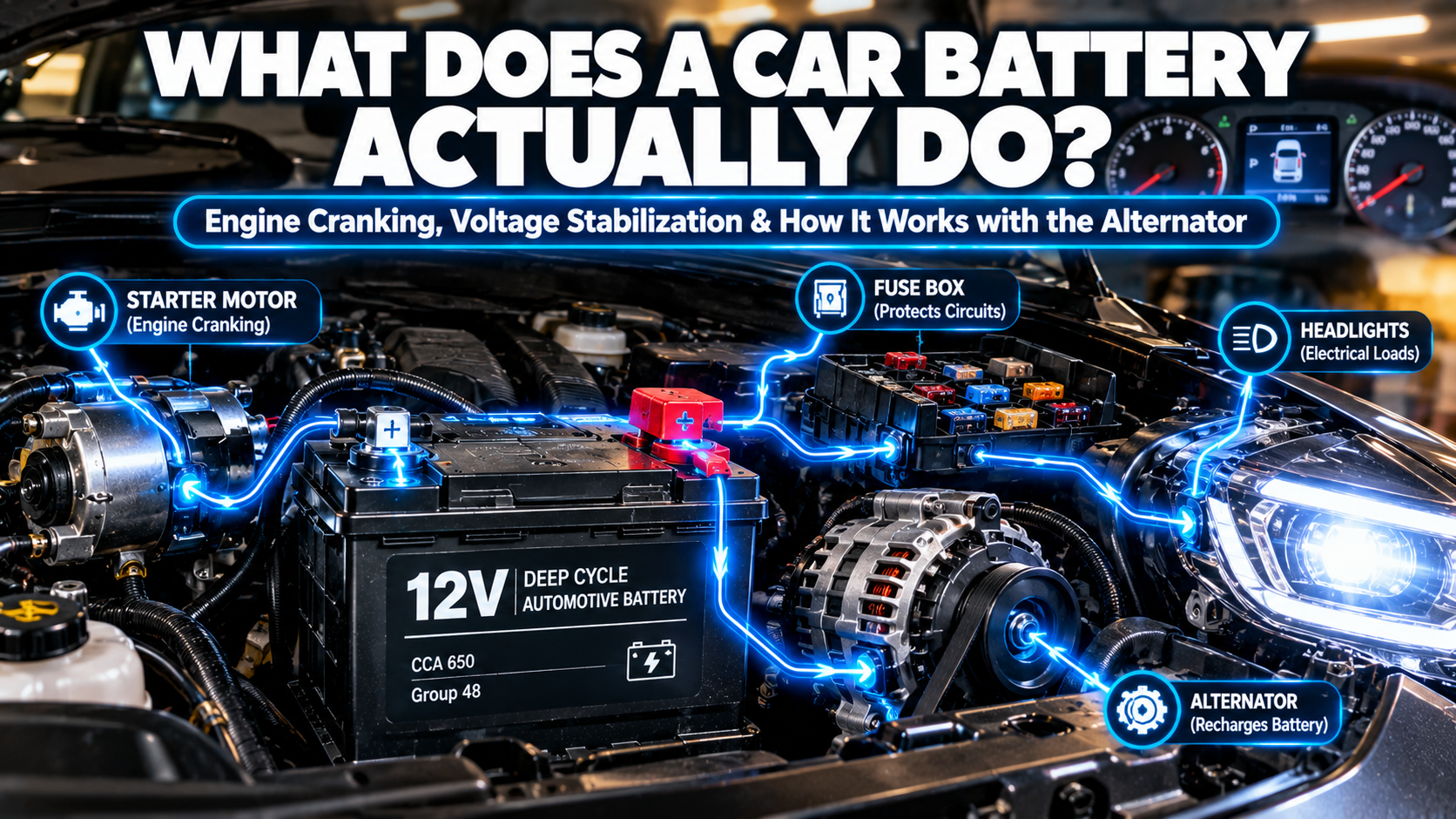
Car batteries leak mainly due to overcharging, physical damage, old age, extreme temperatures, and loose or corroded terminals that compromise the seal. If you’ve ever popped your hood and noticed a chalky white, blue, or greenish residue around the battery terminals, or even worse, a puddle of acidic liquid sitting in the tray, you know how alarming it can feel. I’ve been there myself, staring at a corroded terminal on a cold morning, wondering if I needed a whole new battery or just a quick clean. After years of tinkering with cars, swapping batteries, and learning the hard way (once I ignored a small leak and ended up stranded), I can tell you that understanding what causes car battery leaks is the first step to preventing them. This guide will walk you through every common cause, what to look for, and how to keep your battery in top shape for the long haul.
What Exactly Is a Leaking Car Battery
Before diving into the causes, let’s clear up what a leaking battery actually looks like. Most modern cars use lead-acid batteries, which are filled with a mixture of sulfuric acid and water called electrolyte. Inside the battery, you’ll find lead plates submerged in this solution. Each battery has vents or caps that allow gases to escape during charging. A "leak" usually means either the acidic fluid is seeping out of the casing, or the battery is off-gassing and causing corrosion around the terminals.
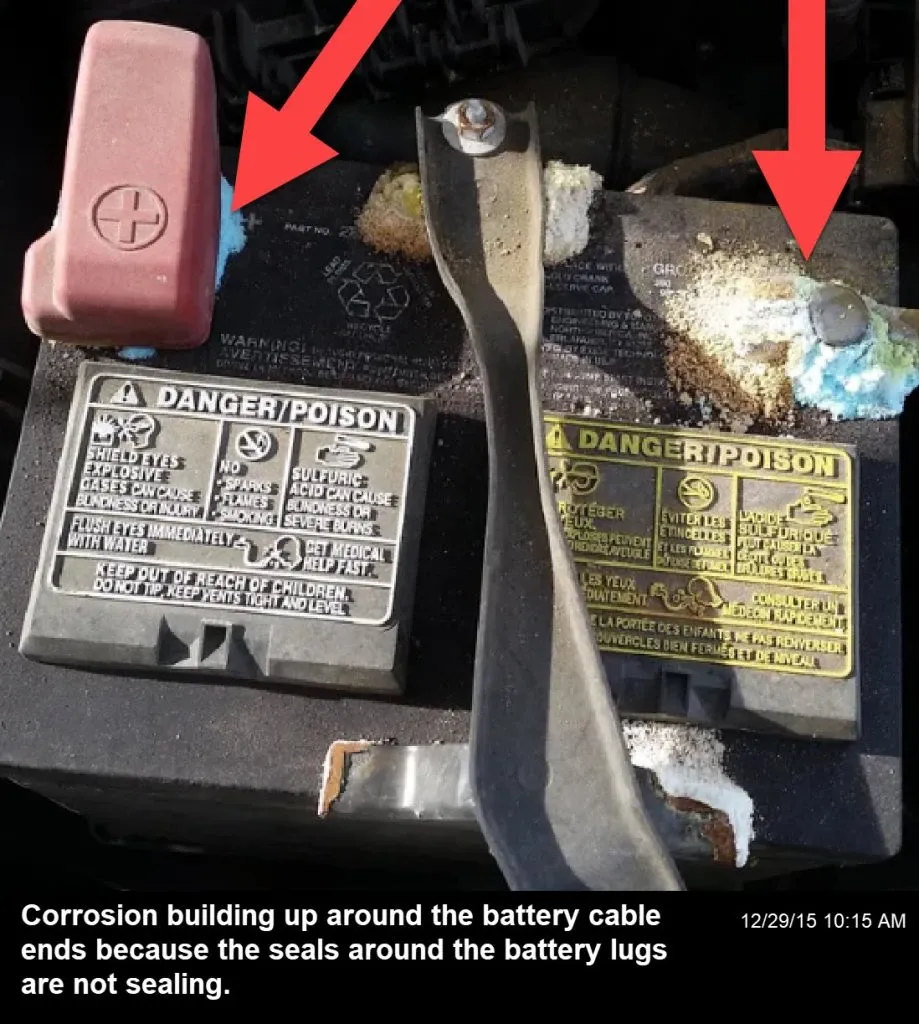
The residue you see isn’t just ugly. It’s a sign that something isn’t right. The white or bluish powder is actually dried sulfuric acid that has reacted with the air and metal. In sealed or maintenance-free batteries, leaks can also appear as a wet, oily film or even a strong sulfur smell, like rotten eggs. Catching these signs early can save you from bigger headaches down the road.
Overcharging and Excessive Heat
One of the biggest culprits behind a leaking car battery is overcharging. When your vehicle’s voltage regulator or alternator malfunctions, it can push too much power into the battery. This excess energy causes the electrolyte to boil, which increases pressure inside the casing. The battery tries to vent the gas, but if the pressure builds up faster than the vents can handle, the acid will push out through the seals or cracks.
Heat makes this problem even worse. Car batteries already work hard in hot climates, and high under-hood temperatures can speed up the chemical reactions inside the battery. I remember one summer when my old sedan’s battery started leaking just weeks after I had a new alternator installed. The mechanic had set the voltage slightly too high, and the summer heat pushed the battery over the edge. If you live somewhere with hot summers, it’s worth having your charging system checked annually to prevent this.
Physical Damage and Vibration
Batteries are tough, but they aren’t indestructible. A sharp impact from a fender bender, a loose battery hold-down, or even rough driving on pothole-filled roads can crack the battery case. Once the casing is compromised, the electrolyte has a clear path to escape. Even a tiny hairline fracture can lead to a slow, steady leak that you might not notice until corrosion starts building up.
Vibration is a silent enemy. If your battery isn’t securely fastened, the constant shaking from driving can damage the internal plates and external casing over time. I learned this lesson the hard way when my battery tray bolts rusted out, and the battery shifted around for months before it finally cracked and leaked acid all over my engine bay. Always make sure your battery is strapped down tight and the tray is in good shape.
Old Age and Sulfation
Nothing lasts forever, and car batteries are no exception. Most lead-acid batteries have a lifespan of three to five years. As they age, the internal components break down. The lead plates can become coated in lead sulfate crystals, a process called sulfation, which reduces the battery’s ability to hold a charge. This forces the alternator to work harder, generating more heat and gas inside the battery.
Older batteries are also more prone to swelling. The casing can bulge outward from internal pressure, which weakens the seals around the terminals and vents. If your battery is pushing five years or older and you’re starting to see leaks, it’s probably time for a replacement. I keep a little sticker on my battery with the install date so I know exactly when to start watching for trouble.
Loose, Corroded, or Damaged Terminals
The terminals are the bridge between your battery and the rest of your car’s electrical system. When they get loose, corroded, or damaged, the seal around the battery posts can break. Corrosion is especially sneaky because it builds up slowly and eats away at the metal. You might notice a little green or white fuzz around the posts, but underneath, the acid is slowly eating through the seal.
I’ve cleaned countless terminals over the years, and I can tell you that a little corrosion is normal. But if it’s heavy, crusty, and keeps coming back quickly, your battery might be venting acid vapors from overcharging or internal damage. Always disconnect the negative cable first when cleaning, and use a wire brush and a paste of baking soda and water to neutralize the acid safely.
Extreme Cold and Freezing
It might seem counterintuitive, but extreme cold can also cause a battery to leak. If the electrolyte gets low due to evaporation or old age, the remaining fluid can freeze when temperatures drop well below zero. When water freezes, it expands. That expansion can crack the battery case or warp the internal plates, leading to leaks once the ice thaws.
In northern climates, this is a real concern. I’ve seen batteries split right open after a deep freeze, leaving a mess of acid and plastic on the battery tray. If you live where winters are harsh, it’s smart to keep your battery fully charged and consider an insulated battery blanket or a garage parking spot to take the edge off the cold.
Manufacturing Defects and Poor Maintenance
Sometimes, a battery leaks right out of the box. Manufacturing defects like a weak seal, a faulty vent cap, or a hairline crack in the casing can cause problems from day one. That’s why it’s a good idea to inspect a new battery before you install it. Look for any signs of damage, uneven surfaces, or residue around the terminals.
Poor maintenance is another big factor. Checking the fluid levels in non-sealed batteries, keeping the terminals clean, and ensuring the charging system is working properly can go a long way. If you ignore the small stuff, the battery will eventually let you know in a messy way. A five-minute check every few months can add years to your battery’s life.
How to Spot a Battery Leak Early
Catching a leak early can save you from being stranded or dealing with costly repairs. Here are the warning signs to watch for:
- Visible fluid or wet spots around the battery base.
- A strong sulfur or rotten egg smell under the hood.
- White, blue, or greenish powder on the terminals.
- Corrosion that returns quickly after cleaning.
- A swollen or bulging battery case.
- Slow engine cranking or frequent jump-starts.
If you notice any of these, it’s time to take a closer look. A quick visual inspection during an oil change can catch most issues before they become serious.
What to Do If Your Battery Is Leaking
A leaking battery isn’t something to ignore. The acid is corrosive and can damage your car’s paint, wiring, and metal components. It can also be a health hazard if it gets on your skin or in your eyes. If you spot a leak, start by putting on gloves and safety glasses. Neutralize any spilled acid with a paste of baking soda and water, and clean the area thoroughly.
Check the battery’s age and condition. If it’s old, swollen, or cracked, replace it immediately. If the leak is from a loose terminal or minor corrosion, you might be able to clean it up and tighten the connections. Just make sure the battery itself isn’t damaged. When in doubt, have a professional mechanic take a look. Trying to save a few bucks on a battery that’s clearly failing often ends up costing more in the long run.
Tips to Prevent Future Leaks
Prevention is always better than a cure, especially when it comes to your car’s battery. Here are a few simple habits that can keep your battery dry and healthy:
- Have your charging system tested once a year.
- Keep the battery terminals clean and tight.
- Make sure the battery is securely fastened in its tray.
- Avoid short trips that don’t give the battery enough time to recharge.
- Park in the shade during summer and a garage during winter.
- Replace the battery every four to five years, even if it seems fine.
These small steps can add years to your battery’s life and save you from the frustration of an unexpected leak.
Frequently Asked Questions
Can a leaking car battery still be used?
No. A leaking battery is a safety risk and a sign of internal damage. The acid can corrode your car’s components, and the battery will likely fail soon. It’s best to replace it right away.
Is a leaking battery dangerous?
Yes. The sulfuric acid inside can burn your skin, damage your eyes, and eat through metal and paint. Always wear protective gear when handling a leaking battery and clean spills carefully.
What does battery acid look like?
Battery acid is usually clear or slightly yellow, but when it leaks and reacts with air, it turns into a white, blue, or greenish powder. It has a strong, sharp smell that’s hard to miss.
Can extreme heat cause a battery to leak?
Absolutely. High temperatures speed up the chemical reactions inside the battery, causing the electrolyte to evaporate and the casing to swell. This often leads to leaks around the vents or terminals.
How long does a car battery usually last?
Most car batteries last between three and five years. Climate, driving habits, and maintenance all play a role. If your battery is older than five years, it’s a good idea to have it tested regularly.
Final Thoughts
Understanding what causes car battery to leak is the key to preventing it. Whether it’s overcharging, old age, physical damage, or just neglect, most leaks are avoidable with a little attention and care. I’ve learned that a few minutes of maintenance a few times a year can save you from the hassle of a dead battery or an expensive repair. So pop the hood, take a look at your battery, and give it a little love. Your car will thank you the next time you turn the key. If you have any stories or questions about battery leaks, feel free to share them in the comments below. I’d love to hear about your experiences and help if I can.