A leaking car battery usually shows visible white, blue, or greenish powdery corrosion around the terminals, damp acid residue on the casing, and a strong sulfur or rotten egg smell. You may also notice bubbling liquid, a swollen battery case, or a chalky crust that makes the terminals look fuzzy and crusty.
If you have ever popped your hood and noticed something that looks like dried salt, fuzzy blue-green gunk, or a wet film around your battery, you have probably wondered, "Is my battery leaking?" I have been there myself, staring at my car on a cold morning, wondering why it would not start, only to find a mess of corrosion around the terminals. A leaking car battery is not just an eyesore. It can damage your cables, eat through metal, and even create safety hazards if ignored.
In this guide, I will walk you through exactly what a leaking car battery looks like, why it happens, and what you should do about it. I will also share some real-world tips from years of dealing with batteries so you can spot the warning signs before you get stranded.

Visual Signs of a Leaking Car Battery
When a car battery leaks, it rarely does so in a dramatic, obvious way. Instead, it leaves behind subtle but clear clues. Knowing what to look for can save you time, money, and frustration.
Corrosion Around the Terminals
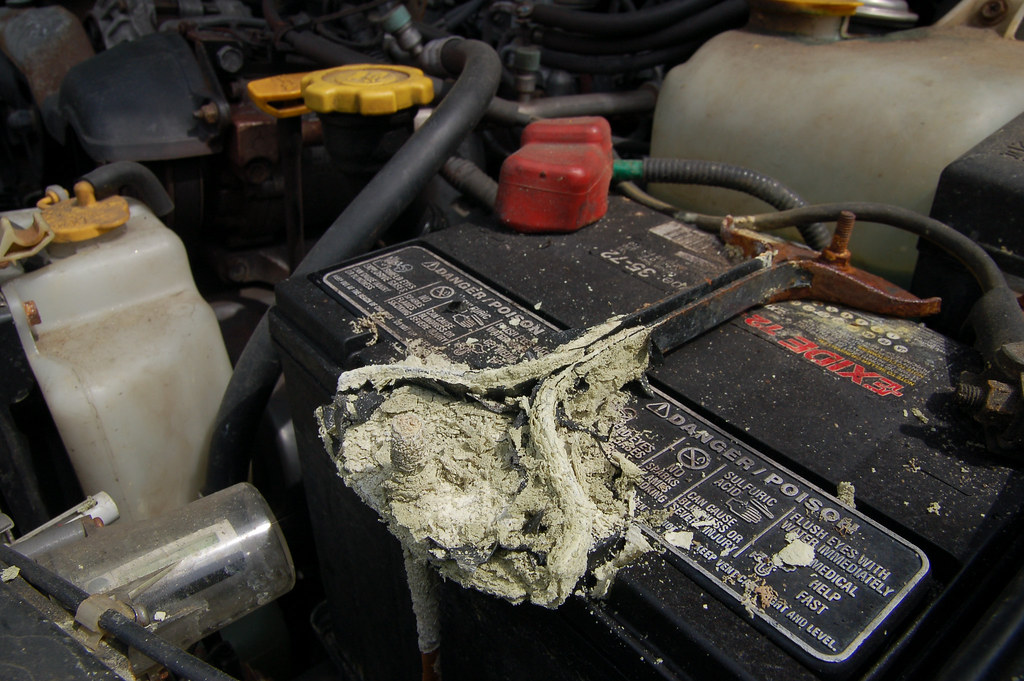
The most common sign of a leaking battery is a powdery, crusty buildup around the positive and negative terminals. This substance is usually:
- White or light gray in color
- Blue or greenish in some cases
- Dry and flaky to the touch
- Sometimes mistaken for dried salt or sugar
This buildup is dried battery acid that has escaped the vent caps or seeped out through the seals. If you see this on your terminals, your battery is actively leaking or has been leaking for a while.
Wet or Damp Spots on the Battery Case
A healthy battery should feel dry on the outside. If you notice any of the following, you likely have a leak:
- A wet or oily film on top of the battery
- Puddles of clear or slightly yellow liquid sitting in the battery tray
- Moisture around the vent caps or seams of the battery casing
- Sticky residue that feels slippery between your fingers
This moisture is electrolyte fluid, which is a mix of sulfuric acid and water. It is corrosive and should never be touched with bare hands.
Swollen or Bloated Battery Case
A battery that looks puffy, rounded, or bloated is a serious red flag. This usually happens when:
- The battery has been exposed to extreme heat
- It has been overcharged
- Internal chemical reactions have caused gas buildup
A swollen case means the internal structure is compromised, and the battery is likely leaking from the seams or vents.
Sulfur or Rotten Egg Smell
If you lean over your engine bay and notice a sharp, pungent smell similar to rotten eggs, your battery is venting gas. This smell comes from hydrogen sulfide, a byproduct of sulfuric acid breaking down. It is not just unpleasant. It is also a sign that your battery is overheating or overcharging, both of which can lead to leaks.
Discoloration or Staining on Nearby Parts
A leaking battery can drip acid onto surrounding components, leaving behind:
- White or gray stains on the metal tray
- Discolored paint on nearby engine parts
- Corroded cable ends that look fuzzy or green
- Rust spots where acid has been sitting for a while
If you see any of these signs, the leak has been going on long enough to cause secondary damage.
Where the Leak Usually Happens
Not all battery leaks look the same. The location of the leak can tell you a lot about what went wrong.
Around the Terminal Posts
Leaks here usually show up as crusty corrosion right where the cables connect. This happens when acid vapors escape and react with the metal terminals. It is the most common type of leak and is often caused by age, poor maintenance, or a loose connection.
At the Vent Caps
Older batteries have removable vent caps on top. If these caps are loose, missing, or cracked, acid can seep out. You will usually see wetness or white residue around the cap area.
Along the Seams of the Casing
A split seam or cracked case is a serious issue. Acid will slowly drip out and pool at the bottom of the battery tray. This type of leak often comes from physical damage, freezing temperatures, or internal pressure buildup.
From the Bottom of the Battery
Sometimes the leak comes from underneath. You may not see the source, but you will notice acid stains, a damp tray, or a strong sulfur smell. This is common in batteries that have been sitting in extreme cold or have been overfilled with water.
Why a Car Battery Leaks in the First Place
Understanding the cause helps you prevent it from happening again. Here are the most common reasons batteries leak.
Age and Wear
Batteries do not last forever. Most car batteries have a lifespan of three to five years. As they age, the internal components break down, seals weaken, and cracks can form. An old battery is far more likely to leak than a new one.
Overcharging
If your voltage regulator or alternator is sending too much power to the battery, it can overcharge. This causes the electrolyte to boil, producing excess gas and pressure. Eventually, the pressure forces acid out through the vents or seams.
Extreme Temperatures
Both heat and cold can cause leaks. Heat speeds up chemical reactions and evaporates the electrolyte, while cold can freeze the fluid inside and crack the case. I have seen batteries split wide open after a freezing night, leaving a mess of acid in the tray.
Physical Damage
A loose battery hold-down, a minor fender bender, or even rough handling during installation can crack the casing. Once the case is compromised, acid will slowly escape.
Loose or Damaged Terminals
If the terminals are loose, they can vibrate and crack the posts or seals. Over time, this allows acid to seep out and corrode the connection.
Overfilling During Maintenance
Some people try to top off their battery with distilled water and add too much. The excess fluid has nowhere to go and will leak out through the vents.

What to Do If You Find a Leaking Battery
Finding a leak can be stressful, but it is manageable if you act carefully.
Step 1: Stay Safe
Put on gloves and safety glasses before you touch anything. Battery acid is corrosive and can burn your skin or eyes. If you do not have protective gear, do not attempt to clean it yourself.
Step 2: Disconnect the Battery
Start with the negative terminal, then the positive. This prevents sparks and short circuits. Make sure your car is off and the keys are out of the ignition.
Step 3: Inspect the Damage
Look at the terminals, cables, and battery tray. If the corrosion is minor and only on the terminals, you may be able to clean it and keep using the battery. If the case is cracked, swollen, or actively dripping, the battery needs to be replaced.
Step 4: Clean the Area
Use a mixture of baking soda and water to neutralize the acid. Apply it with a brush, scrub gently, and wipe clean with a damp cloth. Dry everything thoroughly before installing a new battery.
Step 5: Replace the Battery
If your battery is leaking from the case or is more than four years old, replace it. A new battery is far cheaper than dealing with electrical damage or a roadside breakdown.

Can You Drive with a Leaking Battery?
Technically, your car might still run for a short time. However, driving with a leaking battery is risky for several reasons:
- The acid can eat through your cables and electrical connections
- Corroded terminals can leave you stranded with a no-start
- Sulfur gas buildup can damage sensitive electronics
- A swollen battery can crack further and spill acid while driving
If you suspect a leak, it is best to address it right away rather than wait for it to get worse.
How to Prevent Battery Leaks
A little maintenance goes a long way in preventing leaks.
- Check the terminals every few months and clean off any buildup
- Make sure the battery is securely fastened in its tray
- Avoid overcharging by having your alternator tested regularly
- Keep the battery out of extreme heat when possible
- Replace the battery every four to five years, even if it seems fine
- Use a battery insulator in hot climates to reduce heat exposure
Taking these small steps can extend the life of your battery and keep your engine bay clean and safe.

Frequently Asked Questions
What color is battery leak corrosion?
Battery leak corrosion is usually white, light gray, or bluish-green. The exact color depends on the type of battery and how long the acid has been reacting with the metal terminals.
Is a leaking car battery dangerous?
Yes, it can be. The acid is corrosive and can burn your skin, damage your car's electrical system, and even produce flammable gases. Always handle a leaking battery with care and replace it as soon as possible.
Can a leaking battery still work?
Sometimes, but it is not reliable. A battery that leaks from the terminals may still hold a charge temporarily, but the corrosion will worsen, and the battery will eventually fail. A cracked case means the battery is no longer safe to use.
What does battery acid smell like?
Battery acid has a sharp, sour, and pungent smell often compared to rotten eggs. The odor comes from sulfur gases released during charging or leaking.
How do I clean battery leak corrosion safely?
Mix a tablespoon of baking soda with a cup of water. Apply it to the corroded areas with a brush, scrub gently, and wipe clean with a damp cloth. Always wear gloves and eye protection.

Conclusion
A leaking car battery is easy to spot once you know what to look for. White or blue-green crust around the terminals, damp spots on the case, a swollen shape, and a strong rotten egg smell are all clear warning signs. These clues tell you that acid is escaping and your battery needs attention.
If you notice any of these signs, do not ignore them. Clean the area safely, check the severity of the leak, and replace the battery if needed. A little care now can save you from a frustrating breakdown later.
Take a few minutes this week to pop your hood, look at your battery, and make sure everything looks clean and dry. Your car will thank you the next time you turn the key.