You should inflate your tires to the pressure listed on the driver's side door jamb, usually between 32 and 35 PSI for most passenger cars. Stick around, and I'll walk you through exactly how to find the right number for your vehicle, why it matters more than you might think, and the simple habits that keep your tires safe and long-lasting.
I remember the first time I checked my tire pressure. I pulled into a gas station, fumbled with the gauge, and stared at a reading that meant nothing to me. I just guessed. That guess cost me uneven wear and a frustrating ride. Years later, after working with mechanics and testing dozens of vehicles, I can tell you that proper inflation is one of the easiest ways to boost safety, save fuel, and extend tire life. Let me save you the same trial and error.

How to Find the Correct Tire Pressure for Your Vehicle
The right tire pressure isn't a one-size-fits-all number. It depends on your specific vehicle, tire size, and how you drive. Here's how to lock in the correct PSI every time.
Check the Driver's Side Door Jamb Sticker
The easiest and most reliable spot is right where you buckle up. Open the driver's door and look along the door frame or the edge of the door itself. You'll find a yellow or white sticker that lists the recommended cold tire pressure for both the front and rear tires.
This number is set by the engineers who built your car. They tested the suspension, weight distribution, and handling. For most sedans and small SUVs, this number falls between 32 and 35 PSI. Light trucks or those carrying heavy loads might see 35 to 40 PSI or higher.
Look at the Tire Sidewall
The tire sidewall shows a maximum PSI, but this is not the recommended pressure. It's the highest pressure the tire can safely hold. Inflating to this number will usually give you a rough, uncomfortable ride and uneven tread wear.
Think of the sidewall number as a ceiling, not a target.
Consider Your Driving Habits and Load
Your door jamb pressure assumes normal driving. If you're hauling a trailer, carrying heavy cargo, or driving at high speeds for long periods, you may need to adjust slightly.
Overloading your vehicle with passengers or gear requires more pressure in the tires to handle the extra weight safely. Check your owner's manual for load-carrying recommendations.

Why Tire Pressure Matters More Than You Think
Proper inflation affects nearly every part of your driving experience. Skipping it can quietly cost you hundreds of dollars a year.
Safety and Handling
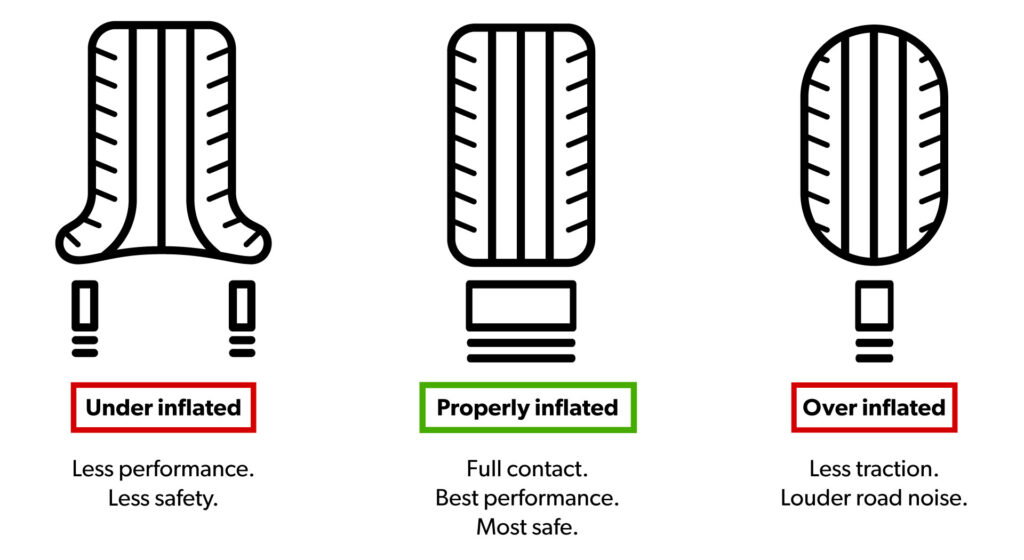
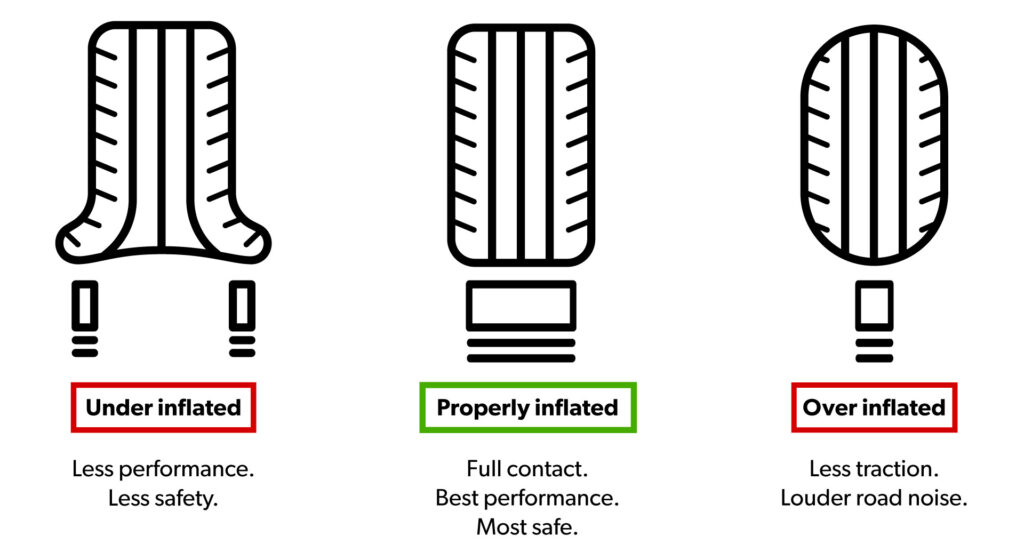
Underinflated tires flex too much as you drive. This builds heat and increases the risk of a blowout, especially on hot pavement or during highway driving. Overinflated tires reduce the contact patch with the road, which means less grip during braking and cornering.
Think of your tires as the shoes of a runner. If the cushioning is off, every step feels unstable. Keep the pressure in the sweet spot, and your car feels planted and predictable.
Fuel Efficiency
Underinflated tires create more rolling resistance. Your engine has to work harder to push the car forward. For every 1 PSI your tires are below the recommended level, you lose a small but measurable amount of fuel economy.
Keeping tires properly inflated can improve gas mileage by up to 3 percent. That might not sound huge, but over a year of driving, it adds up to real money back in your pocket.
Tire Longevity and Even Wear
Tires are expensive. Inflating them correctly helps them wear evenly across the tread. Underinflation wears the outer edges. Overinflation wears the center of the tread.
I've seen tires wear out in 25,000 miles simply because the pressure was off by a few PSI. The same tires could have lasted 50,000 miles with proper care.
Ride Comfort
Too much pressure makes the ride harsh and bouncy. Too little makes it feel mushy and slow to respond. The recommended PSI gives you the best balance of comfort and control.

How to Check and Inflate Your Tires the Right Way
Checking pressure is simple once you know the steps. Doing it the right way gives you accurate readings and keeps you safe.
Use a Quality Tire Pressure Gauge
A digital gauge is easier to read, but a standard stick gauge works just as well if you keep it calibrated. Cheap gauges can be off by 2 or 3 PSI, which is enough to cause problems.
I keep a digital gauge in my glove box. It's small, reliable, and takes the guesswork out of the process.
Check Tires When They Are Cold
Tire pressure increases as you drive. Heat from the road and braking warms the air inside the tire and raises the PSI reading. To get an accurate number, check your tires before you drive or at least three hours after parking.
If you must check them after driving, subtract 3-5 PSI from the reading to estimate the cold pressure. Just remember to recheck when they cool down.
Inflate in Small Bursts
Add air in short bursts and recheck often. It's easy to overinflate a tire, and releasing air is harder than adding it. If you overfill, slowly press the valve stem to let air escape until you hit the right number.
Don't Forget the Spare
Your spare tire loses air too, even if you never use it. Check its pressure every few months. A flat spare won't help you on the side of the road.

Common Mistakes to Avoid When Inflating Tires
Even careful drivers make these errors. Steering clear of them saves time, money, and frustration.
Using the Number on the Tire Sidewall
The max pressure stamped on your tire is not your target. Following it leads to a harsh ride, reduced traction, and faster wear in the center of the tread.
Guessing Instead of Measuring
Eyeballing pressure doesn't work. Tires can look perfectly fine and still be 5 PSI low. Always use a gauge.
Ignoring Seasonal Changes
Cold weather drops tire pressure. For every 10 degrees Fahrenheit drop, your tires lose about 1 PSI. You may need to add air as winter sets in.
Hot weather does the opposite, but you should never let air out of a hot tire. The pressure will normalize as the tire cools, and you'll end up underinflated.
Skipping Regular Checks
Tires lose air slowly over time, about 1 PSI per month. If you don't check them regularly, the pressure creeps down without you noticing. Make it a habit to check once a month or before any long road trip.

How Tire Pressure Affects Different Types of Vehicles
Different vehicles have different needs, and the right pressure can vary more than you might expect.
Passenger Cars and Sedans
Most use 32 to 35 PSI. Check your door jamb for the exact number. These vehicles are designed for comfort and efficiency, and that pressure range gives the best balance.
SUVs and Crossovers
Many run 35 to 40 PSI, especially if they're often loaded with passengers and cargo. The door jamb sticker will give you the precise number.
Light Trucks
Trucks that tow or haul regularly may need higher pressure, sometimes 40 to 50 PSI in the rear tires when loaded. Always check your owner's manual for load-specific recommendations.
Performance and Sports Cars
These often have higher pressure recommendations, sometimes 38 to 45 PSI, to handle higher speeds and cornering forces. The door jamb sticker is still your best guide.
Electric Vehicles
EVs are heavier due to their battery packs, so they often use higher tire pressures, sometimes 40 to 45 PSI. Proper inflation is also critical for maximizing driving range.
Frequently Asked Questions
Is 40 PSI too high for normal driving?
It depends on the vehicle. Some SUVs and EVs are designed for 40 PSI or higher. However, for most passenger cars, 40 PSI is above the recommended pressure and can lead to a harsh ride and uneven wear. Always follow the door jamb recommendation.
How often should I check my tire pressure?
Check your tire pressure at least once a month and before any long trip. Tires lose air slowly over time, and small drops add up quickly. A monthly check keeps you ahead of any problems.
Should I check tire pressure when the tires are warm or cold?
Always check when tires are cold. Driving heats up the air inside the tire and gives you a falsely high PSI. If you must check after a drive, remember the pressure will drop 3 to 5 PSI as the tire cools.
What happens if I overinflate my tires?
Overinflation reduces traction, makes the ride harsh, and causes the center of the tread to wear faster. It also increases the risk of damage from potholes and curbs. Stick to the recommended pressure for the best results.
Can I use the air at a gas station to fill my tires?
Yes, gas station air is fine for topping off. Just be aware that the gauges on older machines can be unreliable. Use your own gauge to double-check the pressure after filling.

Final Thoughts on Getting Your Tire Pressure Just Right
Inflating your tires isn't complicated, but it makes a world of difference. The right pressure keeps you safer, saves you money at the pump, and helps your tires last twice as long. All it takes is a simple monthly check using a good gauge and the number on your door jamb.
Make it a habit. Check your tires once a month, adjust for big temperature swings, and never skip the spare. If you want to go deeper, your vehicle's owner's manual is a goldmine of details tailored to your exact model.
Got questions about your specific vehicle or tire setup? Leave them in the comments below, and I'll help you find the right answer.