Imagine this: you're stuck in a parking lot, headlights dimming, radio cutting out, and the engine refusing to crank. That sinking feeling is something most drivers face at least once. The hidden hero that could have saved you is a small but mighty spec on your battery called reserve capacity. In simple terms, reserve capacity is how long a fully charged car battery can power essential accessories if the alternator fails. Stick around, because by the end of this guide, you'll understand exactly what that number means, why it matters more than you think, and how to use it to avoid those dreaded dead-battery moments.
What Reserve Capacity Really Means
Think of your car's battery as a two-part superhero. The first part cranks the engine to life. The second part keeps everything else running when the engine isn't charging the system. Reserve capacity, often labeled as RC on the battery label, measures that second part.
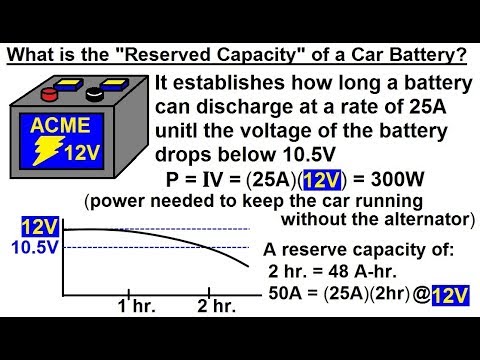
Technically, reserve capacity is the number of minutes a new, fully charged battery at 80°F (26.7°C) can deliver 25 amps of current while keeping the voltage above 10.5 volts. In plain language, it's the runtime you have for your lights, wipers, radio, and other electronics if your alternator suddenly stops working.
A higher RC rating means more minutes of backup power. Most modern car batteries have a reserve capacity between 90 and 150 minutes. Larger vehicles, like trucks or SUVs with more electronics, usually sit on the higher end of that range.
How Reserve Capacity Is Measured and Tested
The testing process sounds a bit like a lab experiment, and honestly, it kind of is. Battery manufacturers use a controlled discharge test to figure out the RC rating. Here's how it works in real life:
- The battery is fully charged and brought to a standard temperature of 80°F.
- A constant load of 25 amps is applied to simulate real-world accessory draw.
- Technicians monitor the voltage until it drops to 10.5 volts, which is the minimum needed to keep a vehicle running.
- The time it takes, in minutes, becomes the official reserve capacity number.
This number is not made up. It's standardized, which means you can compare one battery to another and know exactly what you're getting. The BCI (Battery Council International) sets the rules so every brand plays by the same measuring tape.
Why Reserve Capacity Matters More Than You Think
You might be thinking, "My alternator has never failed, so why should I care?" Fair question. The thing is, alternators do fail, and they rarely warn you before they do. A broken serpentine belt, a faulty voltage regulator, or a worn-out alternator can leave your battery as the only power source.
This is where reserve capacity becomes your best friend. Imagine you're driving on a quiet road at night. Your alternator dies, but your headlights, dashboard, and power steering keep working because your battery has enough reserve capacity to keep things going until you safely pull over or reach a shop.
From my own experience, I once had an alternator start failing on a long highway drive. My battery, with a solid RC of 120 minutes, gave me enough juice to keep my lights bright and my engine running long enough to reach the next town. That extra hour of power was a lifesaver, literally.
Reserve Capacity vs. Cold Cranking Amps (CCA): What's the Difference?
People often mix up reserve capacity and cold cranking amps because both numbers live on the same battery label. But they serve very different purposes.
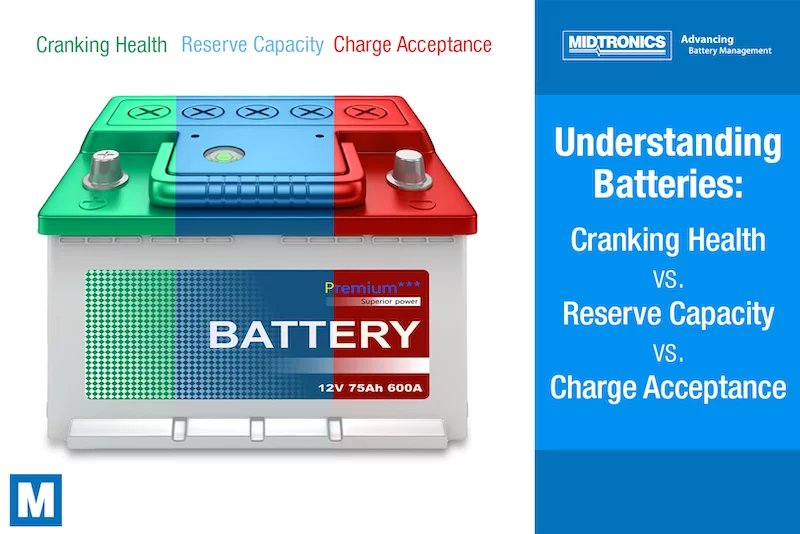
- Cold Cranking Amps (CCA) measures how much power the battery can deliver for 30 seconds at 0°F to start a cold engine. It's all about the burst of energy needed for ignition.
- Reserve Capacity (RC) measures how long the battery can sustain a smaller load if the charging system fails. It's about endurance, not the initial punch.
Think of CCA as a sprinter and RC as a marathon runner. You need both, but they cover different jobs. If you live in a cold climate, CCA might matter more for easy starts. If you drive long distances or rely on lots of electronics, RC is your silent guardian.
Factors That Affect Reserve Capacity
Even the best battery loses its reserve capacity over time. A few things speed up that loss:
- Heat exposure: High under-hood temperatures break down internal plates faster.
- Frequent short trips: The alternator never fully recharges the battery, leaving it in a partial state of discharge.
- Age: Most batteries start losing significant RC after three to four years.
- Corroded terminals: Poor connections limit the battery's ability to deliver its full stored energy.
- Excessive accessory use: Running your stereo, lights, and phone chargers while the engine is off drains RC quickly.
Keeping the battery clean, tightly mounted, and fully charged helps preserve its reserve capacity for as long as possible.

How to Check Your Battery's Reserve Capacity
You don't need to be a mechanic to get a rough idea of your battery's health. Here's a simple approach:
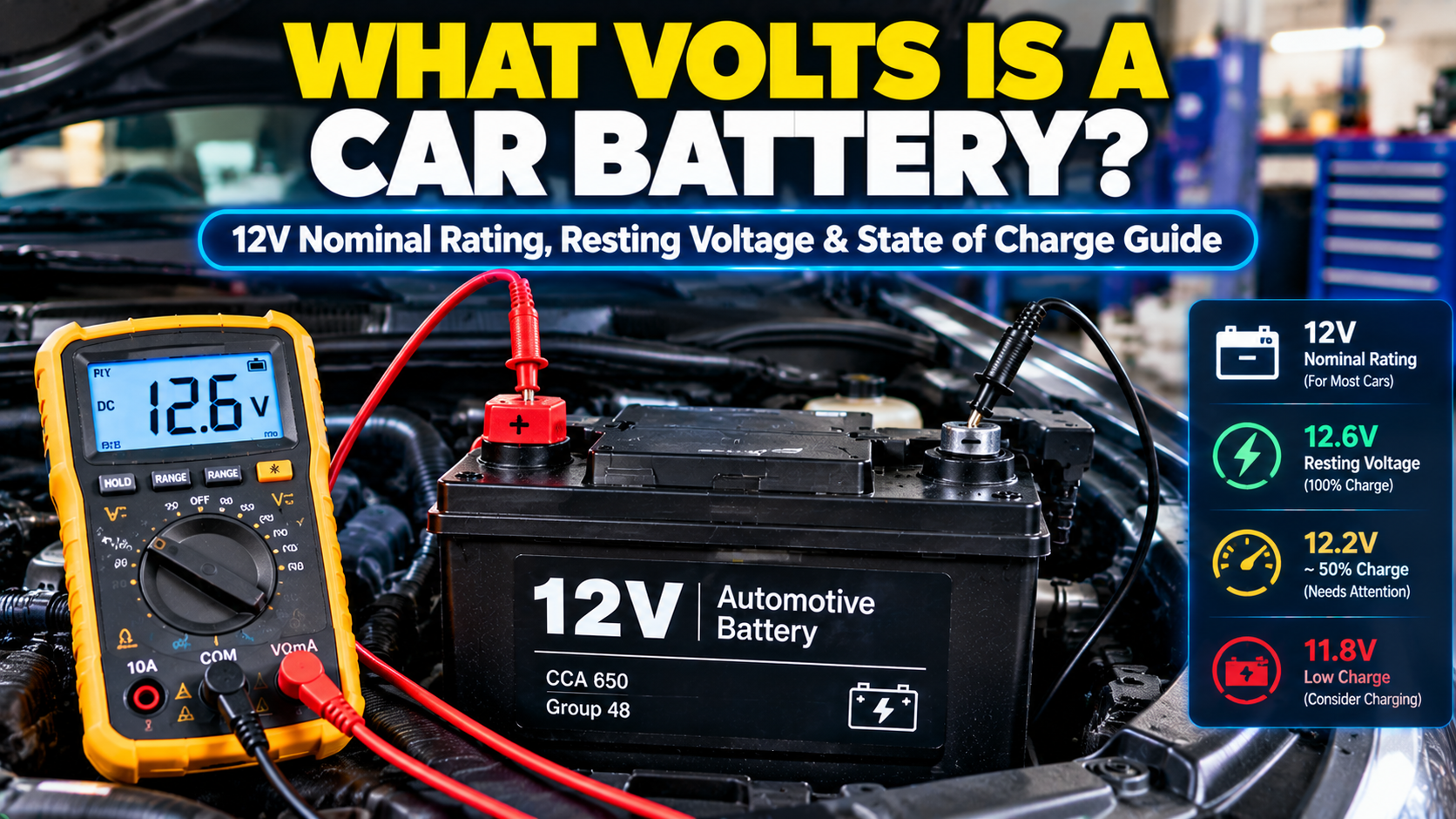
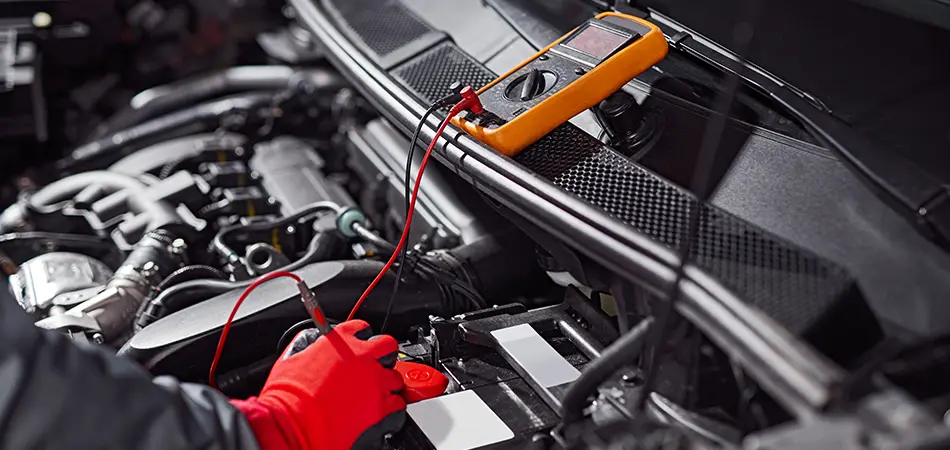
- Use a digital multimeter to check resting voltage. A healthy battery sits around 12.6 volts. Anything below 12.2 volts often means reduced capacity.
- Many auto parts stores offer free load testing, which gives you a clearer picture of both CCA and RC.
- Some modern battery testers, like the Midtronics or SOLAR BA9, give you an actual RC reading on the screen.
If your battery is more than four years old and your RC has dropped by 30% or more, it's probably time to start shopping for a replacement before you get stranded.
Choosing the Right Reserve Capacity for Your Vehicle
Not every car needs the same RC. Picking the right one depends on how you drive and what you plug in.
- Compact cars with basic electronics can do well with an RC of 90 to 100 minutes.
- Mid-size sedans with infotainment systems and multiple accessories benefit from 110 to 130 minutes.
- Trucks, SUVs, and vehicles with aftermarket audio or off-road lights should aim for 130 to 150 minutes or more.
Always check your owner's manual for the manufacturer's recommendation. Going too high isn't harmful, but going too low can leave you vulnerable during an alternator failure.

Common Misconceptions About Reserve Capacity
A few myths float around that deserve a quick reality check:
- "A higher RC means a stronger battery overall." Not exactly. RC only measures endurance under a specific load, not total energy or cranking power.
- "RC and amp hours are the same thing." They're related but not identical. Amp hours measure total stored energy, while RC measures usable minutes under a 25-amp draw.
- "You can ignore RC if your car starts fine." Starting fine doesn't mean the battery can sustain your accessories in an emergency. RC is your safety net, not just a starting spec.
Tips to Maximize Your Battery's Reserve Capacity
From years of testing and replacing batteries, I've picked up a few habits that really make a difference:
- Drive your car for at least 20 minutes at a time to let the alternator fully recharge the battery.
- Disconnect accessories when the engine is off to avoid deep discharges.
- Park in the shade or use a heat shield to reduce under-hood temperatures.
- Clean the terminals every few months with a wire brush and a baking soda solution.
- Test the battery once a year, especially before winter or summer road trips.
These small steps can add months, even years, to the useful life of your battery's reserve capacity.
The Future of Reserve Capacity in Modern Cars
Newer vehicles are packed with technology, from advanced driver-assistance systems to always-on infotainment. That means more parasitic draw, which quietly eats into reserve capacity even when the car is parked.
Manufacturers are responding with AGM (Absorbent Glass Mat) and EFB (Enhanced Flooded Battery) designs that hold higher RC ratings and recover better from deep discharges. If your car has start-stop technology or a lot of electronic features, upgrading to an AGM battery often gives you noticeably better reserve capacity and longer life.
Frequently Asked Questions
How long does reserve capacity last in a real car battery?
Most standard flooded batteries keep a useful reserve capacity for three to five years, while AGM batteries can stretch that to five to seven years with proper care.
Is higher reserve capacity better for a car battery?
In most cases, yes. A higher RC gives you more minutes of backup power, which is helpful if your alternator fails or you use a lot of electronics while the engine is off.
What is a good reserve capacity for a car battery?
For most everyday cars, anything between 100 and 130 minutes is considered good. Larger vehicles or those with heavy accessory use should look for 130 minutes or more.
Does reserve capacity affect battery life?
Indirectly, yes. A battery that regularly operates close to its RC limit will wear out faster, while one that comfortably meets your vehicle's demands tends to last longer.
Can you increase a battery's reserve capacity?
You can't safely modify a battery to increase its RC, but you can keep it at its full potential by avoiding deep discharges, keeping terminals clean, and charging it fully on a regular basis.
Conclusion
Reserve capacity is one of those quiet specs that most drivers overlook until they really need it. It tells you how long your battery can keep your car running if the charging system suddenly gives up. A solid RC rating gives you peace of mind, especially on long drives or in vehicles packed with electronics. Take a few minutes to check your battery's reserve capacity, keep it charged, and replace it before it leaves you stranded. Your future self will thank you the next time your dashboard lights stay on long after your alternator decides to quit.