
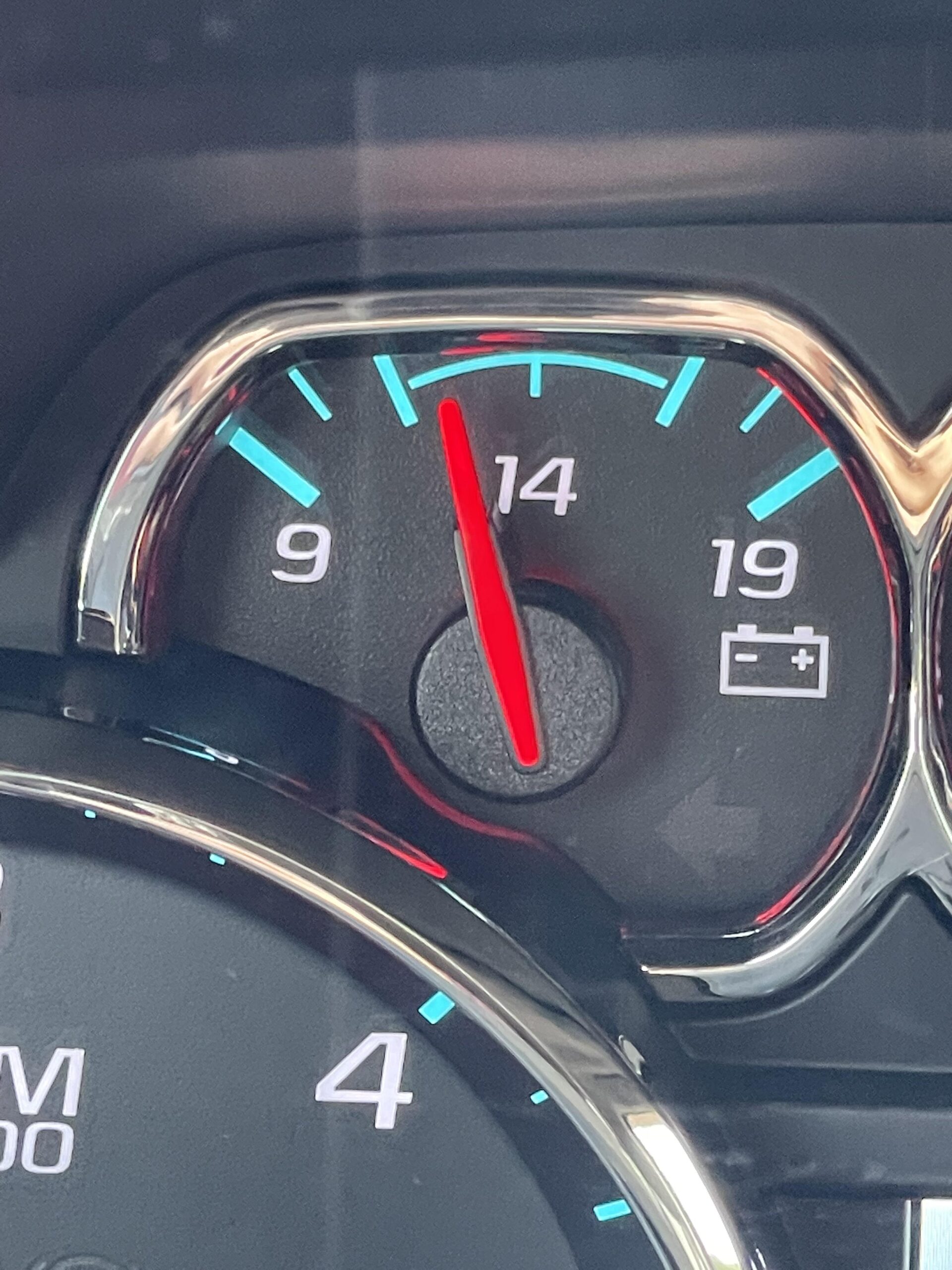
A normal car battery voltage is 12.6 volts when fully charged at rest and 13.7–14.7 volts when the engine is running. Understanding this simple number can save you from being stranded on a cold day with a car that won't start.
I still remember the first time my car wouldn't start on a freezing Monday morning. I turned the key, heard that dreaded clicking sound, and immediately thought the worst. Turns out, I just didn't understand what my battery was telling me. After testing the voltage and learning what those numbers actually mean, I never got caught off guard again. Let me walk you through everything you need to know so you don't make the same mistakes I did.

What Exactly Is a Normal Battery Voltage for a Car?
Think of your car battery as the heart of your vehicle's electrical system. It sends power to the starter, lights, radio, and all those little gadgets we rely on every day. When someone asks, "what is a normal battery voltage for a car," they're really asking about two different states: resting voltage and charging voltage.
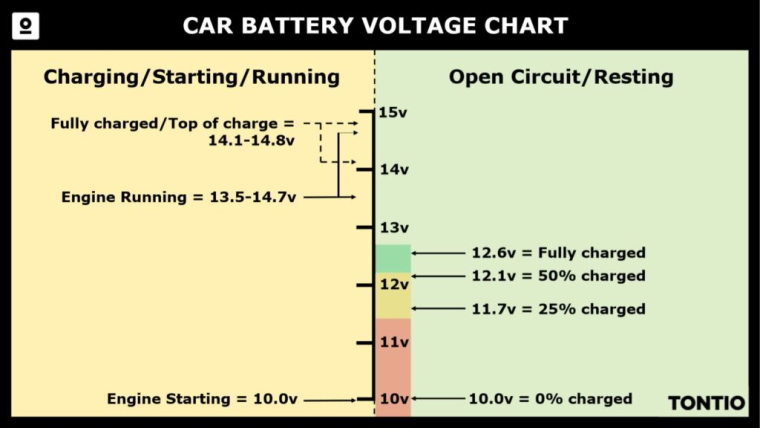
At rest, meaning the engine is off and the car has been parked for a while, a healthy 12-volt lead-acid battery should read between 12.4 and 12.7 volts. The sweet spot is 12.6 volts. Anything below 12.2 volts means your battery is undercharged, and below 11.8 volts it's considered fully drained.
When you fire up the engine, the alternator kicks in and pushes voltage back into the battery. During this charging phase, normal voltage ranges between 13.7 and 14.7 volts. If it stays below 13.5 or climbs above 15, something is off with the charging system.
Most modern vehicles use a 12-volt battery system, though the actual cells inside produce about 12.6 volts when fully charged. That little difference matters a lot when you're troubleshooting.
Resting Voltage vs. Charging Voltage Explained
These two readings tell very different stories, and knowing the difference is half the battle.
Resting Voltage (Engine Off)
This is the baseline reading. Before you measure, turn off the car, kill the lights and any accessories, and wait at least 15 minutes. This lets the surface charge fade so you get an accurate number. Here's a quick guide:
- 12.6 to 12.7 volts: Fully charged and healthy
- 12.4 volts: Around 75% charged, still okay
- 12.2 volts: About 50%, getting weak
- 12.0 volts: Roughly 25%, needs charging soon
- Below 11.8 volts: Dead or deeply discharged
Charging Voltage (Engine Running)
Start the engine and let it idle for a minute. Then measure across the battery terminals. A healthy alternator should produce:
- 13.7 to 14.7 volts: Normal charging range
- Below 13.5 volts: Alternator may be failing
- Above 15 volts: Voltage regulator likely faulty, can cook the battery
I learned this the hard way when my old truck kept dying at red lights. The battery was fine, but the alternator wasn't pushing enough juice. A quick voltage test pointed right to the problem.
Why Voltage Drops and What Causes It
Batteries don't die out of nowhere. Something always causes the drop. Here are the usual suspects:
- Cold weather slows down the chemical reaction inside the battery, which can drop voltage by 0.2 to 0.4 volts
- Short trips don't give the alternator enough time to top off the battery
- Leaving headlights or interior lights on overnight drains it fast
- Corroded terminals block the flow of electricity and trick you into thinking the battery is bad
- An old battery (over 3 to 5 years) naturally loses capacity over time
- A failing alternator fails to recharge the battery while driving
In my experience, cold mornings and short drives are the worst enemies of battery voltage. If you live in a place with harsh winters, your battery works overtime just to keep up.

How to Test Your Car Battery Voltage the Right Way
You don't need to be a mechanic to check this. A basic digital multimeter costs under 20 bucks and takes less than a minute to use.
- Turn off the car and remove the key
- Set your multimeter to DC voltage (the 20V setting works for most)
- Connect the red lead to the positive (+) terminal
- Connect the black lead to the negative (-) terminal
- Read the display and compare it to the resting voltage chart
For a charging test, start the engine and measure again. Rev the engine slightly to around 1500 RPM and watch if the voltage climbs into the 14-volt range. If it stays low or spikes high, you have a charging issue, not just a battery issue.
Pro tip from my own garage: always clean the terminals with a wire brush before testing. I once spent an hour thinking my battery was dead, only when it was just a layer of green corrosion blocking the connection.

Signs Your Battery Voltage Is Off
Sometimes the voltage tells you something is wrong before the car leaves you stuck. Watch out for these symptoms:
- Slow engine crank or clicking sound when turning the key
- Dim headlights, especially at idle
- Dashboard battery warning icon stays on
- Radio or infotainment resets randomly
- A sulfur or rotten egg smell near the battery
- Swollen or bloated battery case
- Electronics acting weird, like power windows moving slowly
If you notice one or more of these, grab that multimeter and check your numbers. It's the fastest way to figure out if the battery is the culprit or if something else is going on.
How Temperature Affects Normal Battery Voltage
Temperature plays a huge role in battery performance, even though the "normal" voltage range doesn't change much. What changes is how well the battery holds and delivers that voltage.
In hot weather (above 90°F), batteries can lose water through evaporation and degrade faster internally. The voltage might still read normal, but the battery's lifespan takes a hit.
In cold weather (below 32°F), the chemical reaction inside the battery slows down. A fully charged battery might still struggle to deliver enough cranking amps. That 12.6-volt reading can drop to 12.3 just from the cold alone, and if the battery is weak, it can dip dangerously low.
I always tell friends in colder climates to test their battery before winter hits. A 12.4-volt battery in October might be a 12.0-volt battery by January.
Different Battery Types and Their Voltage Readings
Not all car batteries are exactly the same, but the standard 12-volt rule still applies across the board.
- Flooded lead-acid batteries are the most common. They read 12.6 volts when full and need occasional water top-offs
- AGM (Absorbent Glass Mat) batteries hold voltage better and read 12.8 to 12.9 volts when full
- EFB (Enhanced Flooded Battery) batteries are used in start-stop vehicles and behave similar to AGM
- Lithium-ion car batteries are rare but exist. They read around 13.2 volts fully charged and need special chargers
For most drivers, AGM has become the gold standard because it holds voltage longer and handles deep discharges more gracefully. If your car came with one from the factory, replacing it with the same type is a smart move.
How Long Should a Car Battery Hold Its Voltage
A healthy battery sitting idle should only lose about 0.01 volts per day under normal conditions. If you park your car for two weeks and come back to find the battery at 11 volts, something is draining it. That could be:
- A stuck relay keeping a circuit alive
- An aftermarket accessory wired directly to the battery
- A failing battery that can't hold a charge anymore
- Extreme cold or heat exposure during storage
A good rule of thumb: if your battery drops more than 0.2 volts in a 24-hour period without use, it's time for a closer look.
When to Replace Your Battery Based on Voltage
Voltage is one of the clearest signals that your battery is on its last legs. Here's how I use it:
- 12.4 volts or higher at rest: No need to replace, just keep an eye on it
- 12.2 to 12.3 volts at rest: Battery is aging, consider replacing soon
- Below 12.0 volts at rest: Replace the battery, it's not holding enough charge
- Charging voltage won't go above 13.5 volts: The alternator might be weak, but check the battery first
- Charging voltage exceeds 15 volts: Stop driving and check the voltage regulator immediately
Most car batteries last between 3 and 5 years. If yours is in that range and showing low resting voltage, don't wait for it to fail. Replace it on your schedule, not on a cold morning when you're already late for work.
Tips to Keep Your Battery Voltage Healthy
Keeping your battery in good shape doesn't take much effort, just a little consistency. Here's what has worked for me over the years:
- Drive the car for at least 20 minutes once a week to keep the alternator active
- Clean the terminals every few months with a baking soda and water mix
- Avoid short trips that never let the battery fully recharge
- Disconnect the negative terminal if storing the car for more than a month
- Use a trickle charger or battery maintainer if you don't drive often
- Park in a garage when possible to avoid extreme temperature swings
- Get the battery tested free at most auto parts stores every fall
Honestly, that free battery test at the parts store has saved me more than once. It takes five minutes, and you'll know exactly where you stand before winter rolls in.
Frequently Asked Questions About Normal Car Battery Voltage
Is 12.2 volts bad for a car battery?
A resting voltage of 12.2 volts means your battery is around 50% charged. It's not dead, but it's undercharged and needs attention. If it stays there even after driving, the battery or alternator might be failing.
What voltage is too low to start a car?
If your battery reads below 11.8 volts at rest, it likely won't have enough power to crank the engine. Below 10.5 volts, the battery is essentially dead and probably needs a jump start or replacement.
Can a car battery show 12 volts and still be bad?
Yes. A battery can show 12 volts at rest but fail under load. That's why a load test matters. The voltage number tells you the state of charge, not the overall health or ability to deliver power quickly.
What is a normal battery voltage while driving?
While driving, normal battery voltage should be between 13.7 and 14.7 volts. This means the alternator is working properly and keeping the battery topped off while powering all the vehicle's electronics.
How often should I check my car battery voltage?
Checking your battery voltage once a month is a good habit, and always check it before and after extreme seasons like summer and winter. If the car sits for long periods, check it every two weeks to catch any parasitic drains early.
Conclusion
Knowing what is a normal battery voltage for a car puts you in the driver's seat, literally. The magic numbers are simple: 12.6 volts at rest and 13.7 to 14.7 volts while running. Anything outside those ranges tells a story, and now you know how to read it. Grab a cheap multimeter, spend two minutes checking your battery once a month, and you'll avoid 99% of dead battery surprises. Your future self will thank you the next time you turn the key on a freezing morning and the engine roars to life without hesitation. If you found this helpful, drop a comment with your own battery story or share it with someone who always seems to be buying jumper cables.