
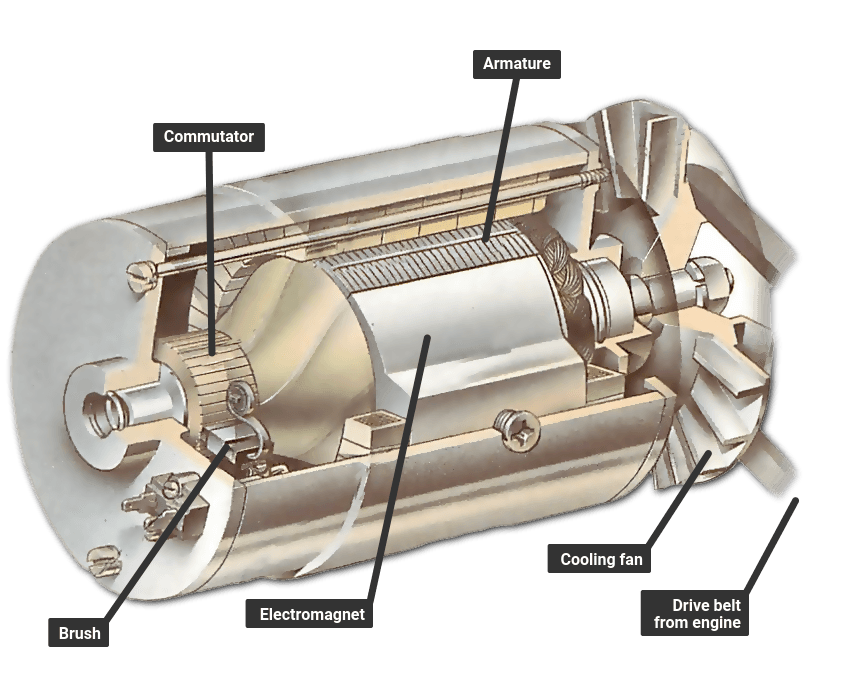
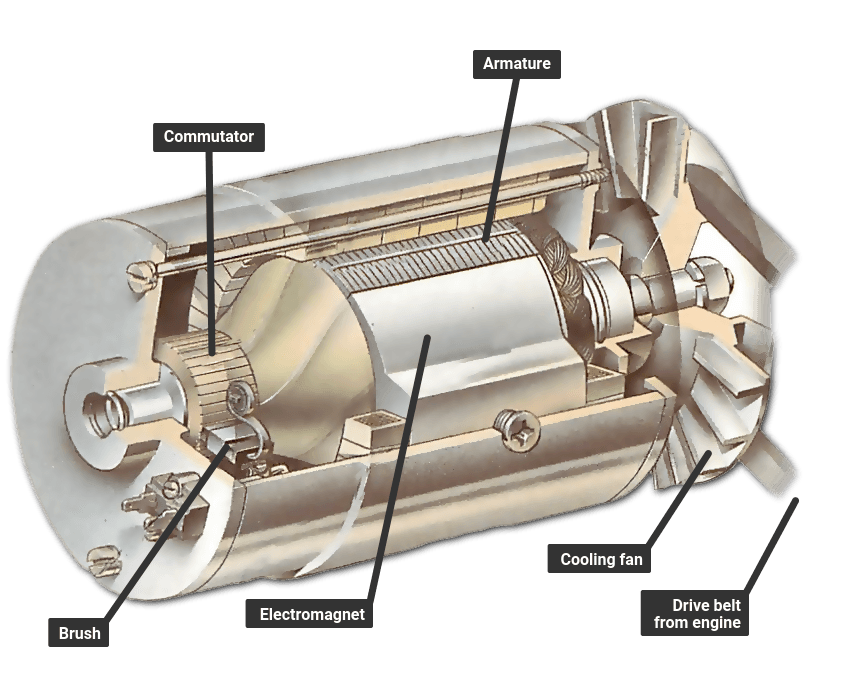
The alternator is the car part that charges the battery while the engine is running. It converts mechanical energy from the engine into electrical energy, keeping your battery topped off and powering your car's electrical systems.
If you've ever wondered how your car keeps its battery alive, you're in the right place. I remember the first time I popped the hood of my old sedan and tried to figure out what was going on under there. It felt like a mystery until I learned about the alternator. Once I understood how it worked, so many car troubles made sense. In this guide, I'll walk you through everything you need to know about the part responsible for charging the battery, how it works, signs it might be failing, and what to do about it. Let's clear up the confusion and get you confident about your car's electrical system.
How the Alternator Works
The alternator is basically a small generator. It uses a belt connected to the engine's crankshaft to spin a rotor inside a set of copper windings. As the rotor spins, it creates alternating current (AC), which then gets converted to direct current (DC) by a rectifier. That DC power flows to your battery and keeps it charged.
Think of it like a bicycle light that lights up when you pedal. The faster you pedal, the brighter it gets. In your car, the faster the engine runs, the more power the alternator produces. Modern alternators can typically put out between 50 to 120 amps of power, depending on your vehicle's needs.
A voltage regulator keeps the output steady, usually between 13.5 and 14.5 volts. This prevents overcharging and keeps your battery and electronics safe. Without this regulation, you'd fry your battery in no time.
Key Components of the Charging System
While the alternator is the star of the show, it doesn't work alone. Here's what makes up the full charging system:
- Alternator: The main generator that produces electricity.
- Battery: Stores electrical energy and provides initial power to start the car.
- Voltage Regulator: Controls the voltage output to protect the battery and electronics.
- Drive Belt (Serpentine Belt): Connects the engine to the alternator pulley to spin it.
- Wiring and Fuses: Carry the current and protect the system from shorts.
If any one of these parts fails, your car might not charge properly or might not start at all. I've seen situations where a simple blown fuse stopped a charging system from working, and the owner thought the whole alternator was bad.
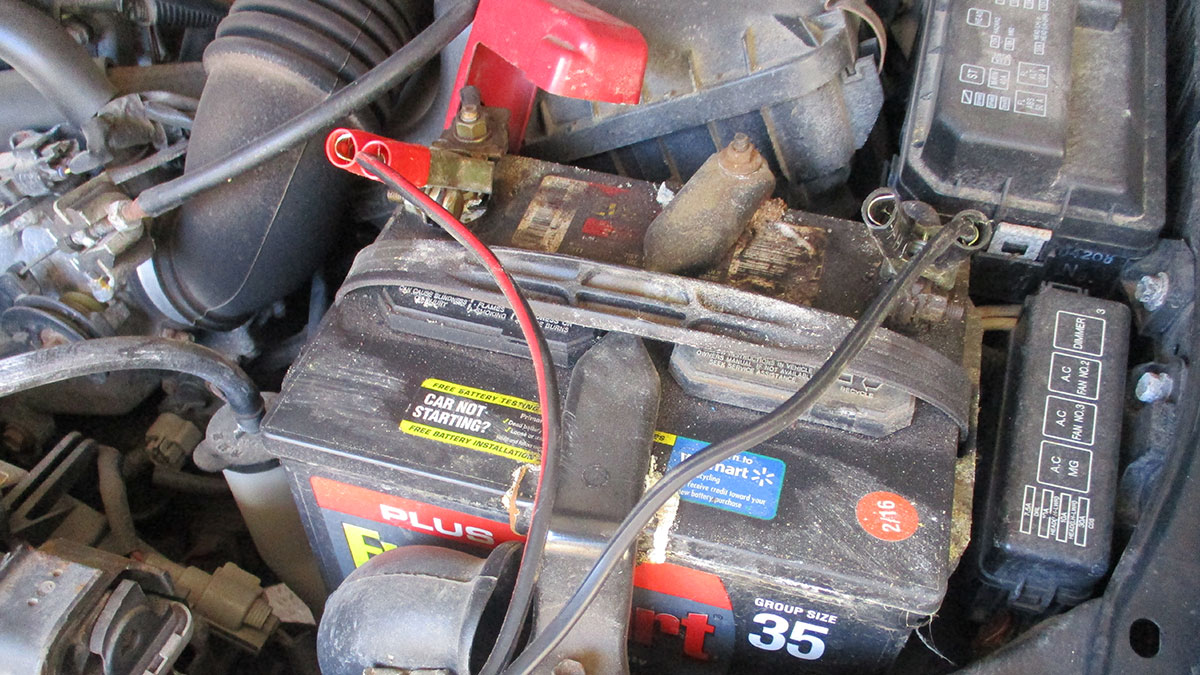
Signs Your Alternator or Charging System Is Failing
Over the years, I've learned to spot the warning signs early. If your car shows any of these symptoms, it could mean the charging system is having issues.
- Dashboard Warning Light: A battery-shaped icon usually lights up when there's a charging problem.
- Dim or Flickering Headlights: If your lights brighten and dim with engine speed, your alternator might be weak.
- Dead Battery: If your battery keeps dying even after a jump, the alternator might not be charging it.
- Strange Noises: A whining or grinding sound from the engine bay can point to a bad bearing in the alternator.
- Electrical Issues: Power windows moving slowly, radio cutting out, or dashboard lights acting weird are all red flags.
- Burning Smell: A hot or burning wire smell can mean the alternator is overworking or failing.
I once had a car that died at a red light because the alternator gave out suddenly. No warning lights, no noise, just total power loss. It taught me to always pay attention to subtle signs before something big goes wrong.
How to Test If Your Alternator Is Charging the Battery
Testing the alternator is easier than most people think. You can do a basic check at home with a multimeter. Here's a step-by-step approach that has saved me countless trips to the shop.
- Turn off the engine and set your multimeter to DC voltage.
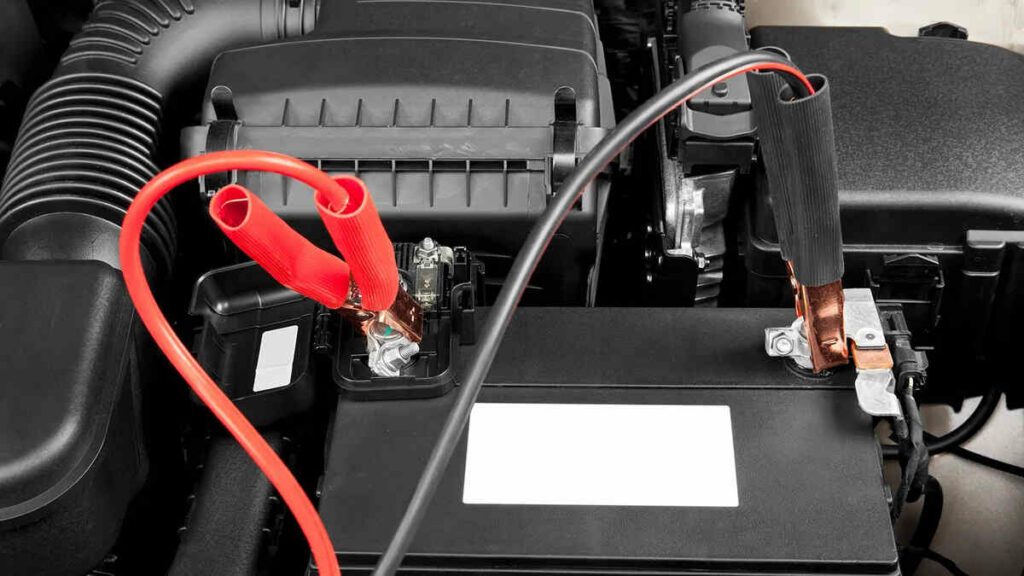
- Connect the red lead to the positive battery terminal and the black lead to the negative terminal.
- Read the resting voltage. A healthy battery should show between 12.4 and 12.7 volts.
- Start the engine and check the voltage again. It should now read between 13.5 and 14.5 volts.
- Rev the engine slightly and watch the reading. It should stay steady, not drop or spike wildly.
If the voltage stays around 12 volts while running, the alternator isn't charging. If it goes above 15 volts, the voltage regulator might be bad. Either way, it's time for a closer look.
Some auto parts stores will test your alternator for free. Just remove it or bring your car in, and they'll hook it up to a bench tester.
What Happens If You Keep Driving With a Bad Alternator
I get asked this a lot, and the answer is simple but serious. Your car might run for a while on battery power alone, usually 20 minutes to an hour depending on how much electricity you're drawing. But once the battery is drained, the car will shut off completely.
That means no steering assist, no power brakes, no lights, and eventually no engine. It's not safe to drive that way, especially on highways or in traffic. I always tell people to pull over and call for help if they see the battery light come on and start losing electrical functions.
Ignoring a failing alternator can also damage your battery. A weak alternator can leave a battery undercharged, which shortens its life. Replacing a battery because the alternator went bad is a costly lesson no one wants to learn.

Common Misconceptions About the Charging System
There are a few myths I hear all the time that can lead people down the wrong path. Let's clear them up.
- The battery charges the alternator: False. The alternator charges the battery, not the other way around.
- Jump-starting fixes a bad alternator: It might get you going, but the alternator is still bad and will leave you stranded again.
- A new battery fixes charging problems: Only if the old battery was truly dead. If the alternator is weak, a new battery won't help.
- Idling charges the battery well: Not really. Alternators charge more efficiently at higher RPMs, so driving charges better than idling.
Understanding these facts can save you time and money. I've seen people spend hundreds on batteries they didn't need because the real problem was a faulty alternator.
How Long Does an Alternator Last
Most alternators last between 80,000 and 150,000 miles, or about 7 to 10 years for the average driver. However, heavy electrical use, extreme temperatures, and short trips can shorten its life.
I had an alternator fail at 60,000 miles in a work truck that ran a lot of electronics. On the other hand, my wife's commuter car made it past 180,000 miles before needing one. It really comes down to usage and maintenance.
If you're replacing your alternator, consider having the drive belt and tensioner checked at the same time. It's cheap insurance and saves you from doing the job twice.
Tips for Maintaining a Healthy Charging System
A little care goes a long way. Here are some simple habits that keep your alternator and battery in good shape.
- Keep the battery terminals clean and free of corrosion.
- Make sure the drive belt is in good condition and properly tensioned.
- Avoid running electronics while the engine is off for too long.
- Have the charging system checked during regular oil changes.
These are the same things I do with my own cars, and they've helped me avoid surprise breakdowns. A quick visual check under the hood every few months takes just minutes but can prevent big headaches.
When to See a Professional
If you've tested the alternator and the readings are off, or if you're not comfortable doing the test yourself, it's time to see a mechanic. Electrical issues can be tricky, and a professional can pinpoint the exact cause without guessing.
Most alternator replacements take one to two hours and cost between $300 and $800 depending on the vehicle. While that's not cheap, it's far less than getting stranded or damaging other electrical parts.
I'd rather pay a trusted mechanic than risk being stuck on the side of the road. If you don't have a go-to shop, ask friends for recommendations or look for shops with strong reviews and certifications.
Frequently Asked Questions
Can a car run without an alternator
No, not for long. A car can run on battery power alone for a short time, but once the battery drains, the engine will shut off and everything electrical will stop working.
How do I tell if it's the battery or the alternator that's bad
If the car starts with a jump but dies shortly after, it's usually the alternator. If the car won't start even with a jump and the battery is old, it's likely the battery. Testing the voltage with a multimeter gives you a clear answer.
Is it safe to replace an alternator yourself
If you have basic tools and mechanical knowledge, yes. But the alternator is usually tucked away and requires removing the drive belt. If you're not sure, a mechanic can do it quickly and correctly.
Can a bad alternator drain a battery when the car is off
In some cases, yes. A faulty diode in the alternator can create a parasitic draw that slowly drains the battery even when the car is off. A multimeter test for parasitic draw can confirm this.
How often should I have my charging system checked
It's a good idea to have it checked once a year or during every other oil change. This catches small problems before they leave you stranded.
Conclusion
Your alternator is the heart of your car's charging system, keeping the battery powered and your electronics running. Understanding how it works and spotting the warning signs early can save you from unexpected breakdowns and costly repairs. Regular checks and simple maintenance go a long way in keeping everything running smoothly. If you suspect any issues, don't wait. Test your system or visit a trusted mechanic to get it sorted out. Your car will thank you, and so will your peace of mind. If you found this guide helpful, feel free to share it with fellow car owners or drop a comment below with your own experiences.