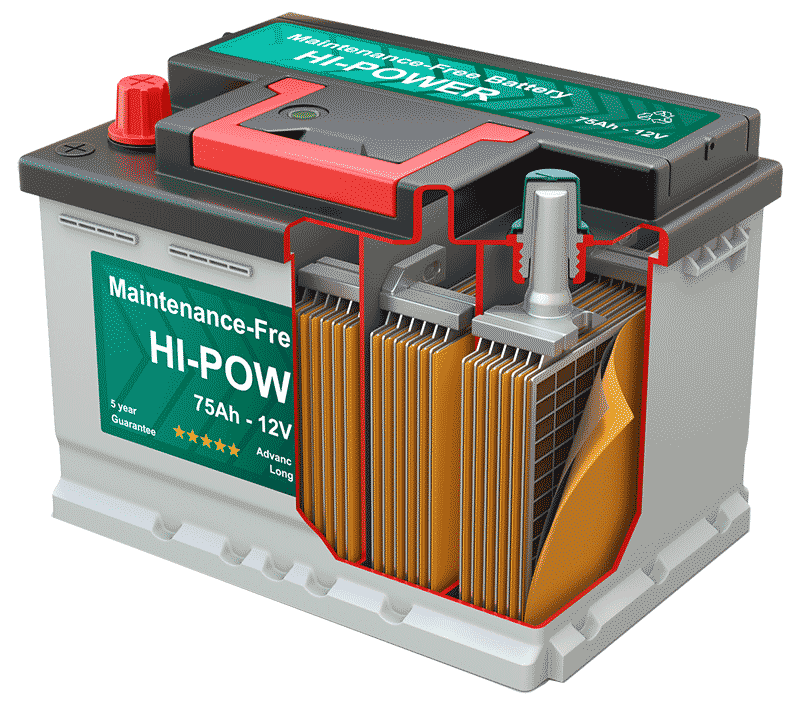
A car battery is mainly made of lead plates, sulfuric acid electrolyte, and a durable plastic case that holds everything in place.
A car battery might not be something you think about every day, but it is one of the most important parts under your hood. I have spent years working with different vehicles, testing batteries, and helping drivers figure out why their cars would not start. Trust me when I say that understanding what is inside a car battery can save you time, money, and a lot of frustration. When you know what makes your battery tick, you can spot problems early, take better care of it, and even choose the right replacement when the time comes. Let me walk you through everything you need to know about what is inside that heavy little box that powers your ride.
The Basic Structure of a Car Battery
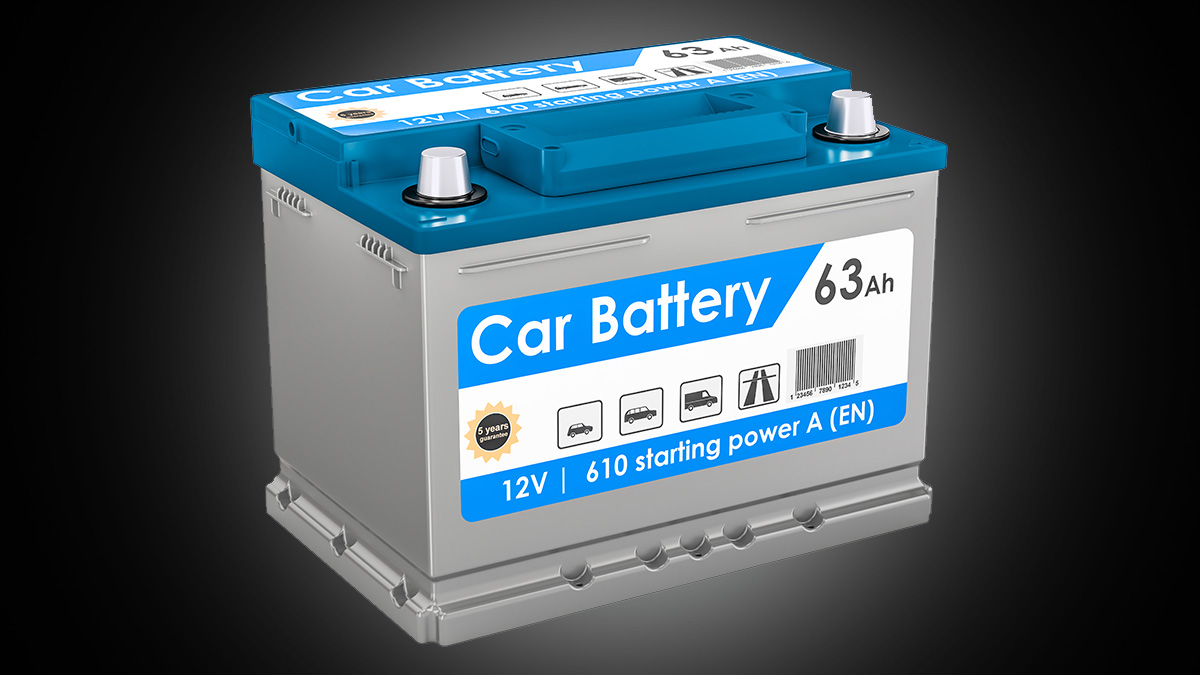
A car battery looks simple on the outside, but inside it is a carefully engineered piece of equipment. Most car batteries you see today are lead-acid batteries, which have been the standard for over a century. They are reliable, affordable, and easy to recycle, which is why they are still the top pick for cars, trucks, and SUVs.
Here are the main parts you will find inside a typical car battery:
- Lead plates that store and release electrical energy.
- Sulfuric acid electrolyte that triggers the chemical process.
- A plastic case that holds all the parts together and keeps the acid inside.
- Cell connectors that link each battery cell to create the right voltage.
- Vent caps that allow gases to escape safely during charging.
Each part plays a key role in how your battery works. Without one, the whole system would fall apart, and your car would not start.
What the Lead Plates Are Made Of
The heart of any car battery is its lead plates. These plates come in two types, positive and negative, and they are what actually create the electrical charge. Positive plates are made from lead dioxide, and negative plates are made from pure sponge lead. Each pair of plates is called an electrode, and together they create the energy your car needs to start and run.
A few things worth knowing about lead plates:
- More plates usually mean more power and longer life.
- Thicker plates last longer but cost more to make.
- Thin plates give a quick burst of energy but wear out faster.
- Lead is heavy, which is why car batteries are so heavy.
I have opened up old batteries before and seen how the plates wear down over time. Once they get thin or coated in sulfate, the battery loses its ability to hold a charge. That is why taking care of your battery can really extend its life.

The Electrolyte Solution and How It Works
Inside each battery cell, the plates are submerged in a liquid called electrolyte. This liquid is a mix of sulfuric acid and water, and it is what makes the chemical reaction happen that produces electricity. When you turn your key or press the start button, the acid reacts with the lead plates to create the power needed to crank your engine.
Here is what makes the electrolyte so important:
- It allows ions to move between the positive and negative plates.
- It helps convert chemical energy into electrical energy.
- It keeps the battery cool during heavy use.
- Low fluid levels can cause the battery to overheat and fail.
In my own experience, I once had a battery that would not hold a charge. When I checked the cells, I found the fluid level was way too low. After topping it off with distilled water, the battery worked like new again. That small fix taught me how powerful the electrolyte really is.
Types of Car Batteries and What They Are Made Of
Not all car batteries are the same. While most use lead-acid technology, there are a few different types you might run into. Each one is made with slightly different materials to fit different needs.
Here are the most common types you should know about:
- Flooded lead-acid batteries are the most common and use liquid electrolyte.
- AGM batteries use absorbed glass mats to hold the electrolyte, making them spill-proof.
- Gel batteries use a thick gel instead of liquid, which makes them great for deep cycling.
- Lithium-ion batteries are lighter and more powerful but cost more and are less common in standard cars.
If you drive a regular car, you are probably using a flooded lead-acid battery. But if you have a start-stop system or a high-performance vehicle, you might have an AGM battery. Knowing what kind you have helps you take better care of it.
How the Plastic Case and Components Keep Everything Safe
The outside of the battery might not look exciting, but it is doing a lot of work. The plastic case is usually made from polypropylene, which is tough, heat-resistant, and able to handle the constant vibration from your engine. Inside the case, you will find internal connectors that link each cell together, and vent caps that let gases escape safely.
Here is what the case and parts do for you:
- They protect the internal components from damage.
- They keep the acid from spilling out.
- They help manage heat so the battery does not overheat.
- They make the battery easy to install and remove.
When I worked in a shop, I saw batteries with cracked cases that leaked acid all over the engine bay. It was a mess and a safety hazard. That is why a good, sturdy battery case is so important that it keeps everything sealed up tight.
Common Signs Your Car Battery Is Wearing Out
Even the best battery will not last forever. Most car batteries last between 3 and 5 years, but how you drive and where you live can change that. Knowing the signs of a dying battery can save you from getting stranded.
Here are the top warning signs to watch for:
- Slow engine crank when you try to start the car.
- Dim headlights or flickering interior lights.
- A bloated or swollen battery case.
- A rotten egg smell coming from under the hood.
- The check engine or battery light staying on.
I learned this the hard way when my old truck would not start on a cold morning. The battery was over five years old, and I had ignored the warning signs. Now I always check mine before the weather turns cold, and I replace it before it fails.
How to Take Care of Your Car Battery
Taking care of your battery is easier than you might think. A little attention every few months can go a long way in extending its life and keeping your car running smoothly.
Here are some simple tips that really work:
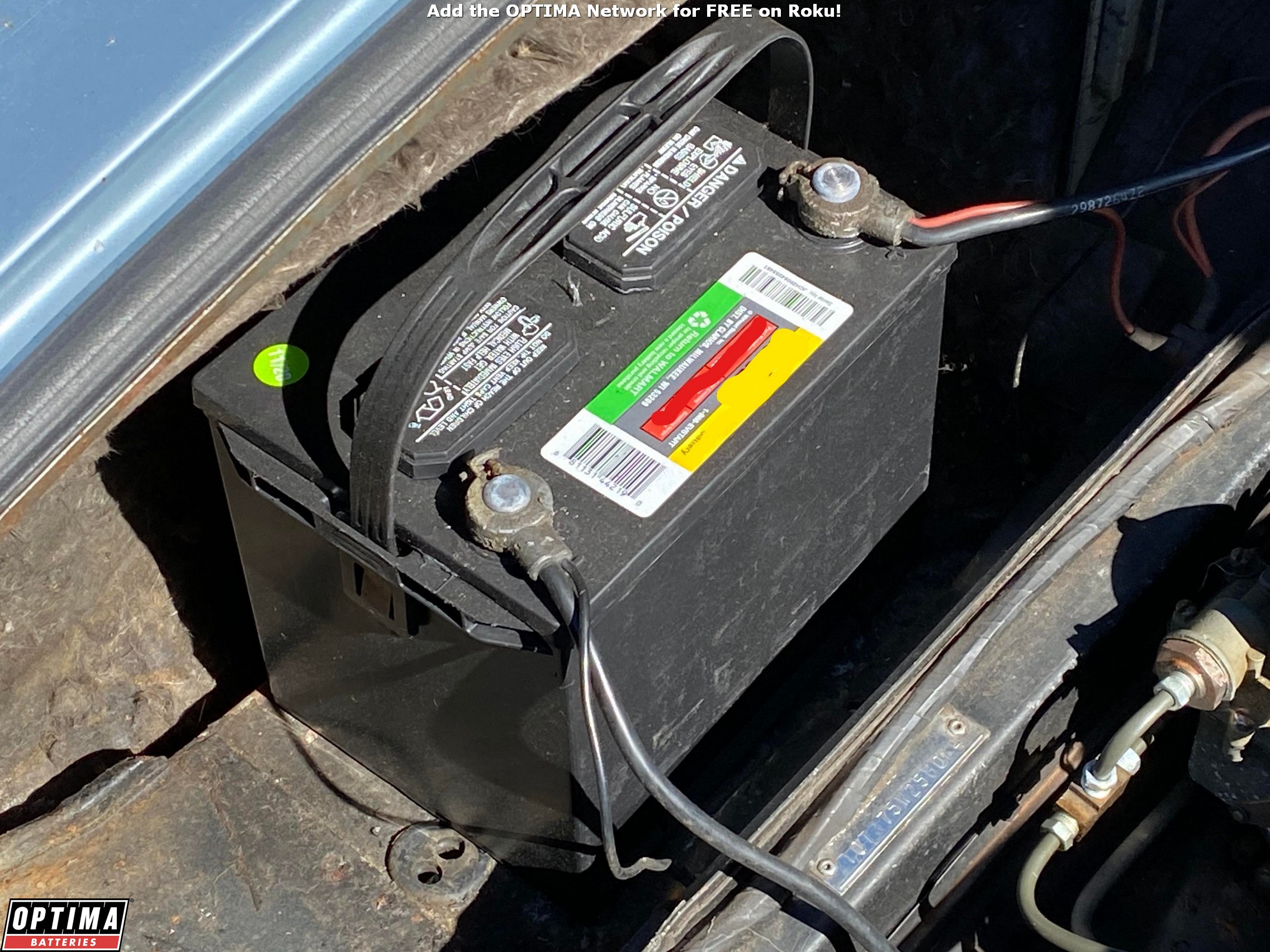
- Keep the terminals clean and free of corrosion.
- Make sure the battery is securely mounted to reduce vibration.
- Avoid short trips that do not give the battery enough time to recharge.
- Turn off lights and accessories when the engine is off.
- Check the electrolyte level if your battery is not sealed.
I make it a habit to check my battery every time I change my oil. It only takes a minute, and it has saved me from being stuck more than once. A little care goes a long way.
What to Do When You Need a New Battery
When the time comes to replace your battery, do not just grab the cheapest one on the shelf. The right battery can make a big difference in how your car performs, especially in extreme weather.
Here is what to look for when shopping for a new battery:
- Make sure it matches your car's required group size.
- Check the cold cranking amps for your climate.
- Look for a good warranty from a trusted brand.
- Choose AGM if your car has start-stop technology.
- Recycle your old battery at an authorized location.
I always tell people to spend a little more for a better battery. It might cost more upfront, but it will last longer and save you from headaches down the line.
Environmental Impact and Recycling of Car Batteries
Car batteries are one of the most recycled products in the world. Almost every part of a lead-acid battery can be reused, which is great news for the planet. When you replace your old battery, make sure you take it to a recycling center or return it to the store.
Here is what happens when you recycle your battery:
- The plastic case is melted down and turned into new cases.
- The lead plates are melted and used to make new batteries.
- The acid is neutralized or turned into water treatment chemicals.
- Recycling keeps toxic materials out of landfills.
I always make sure to drop off my old batteries at the auto parts store. It feels good knowing that almost every part will be used again.
Frequently Asked Questions
What is the main material in a car battery?
The main material in a car battery is lead, which is used in the plates to store and release energy through a chemical reaction with sulfuric acid.
Are car batteries filled with acid?
Yes, most car batteries contain a mix of sulfuric acid and water called electrolyte, which helps create the electrical charge needed to start your car.
How long does a car battery typically last?
A car battery usually lasts between 3 and 5 years, but extreme temperatures, short trips, and poor maintenance can shorten its lifespan.
Can I add water to my car battery?
If your battery has removable caps and is not sealed, you can add distilled water to bring the fluid level up, but never use tap water.
What happens if a car battery is not used for a long time?
If a car battery sits unused, it can lose its charge, sulfate, and eventually fail, which is why it is important to drive your car regularly or use a trickle charger.
Conclusion
Understanding what is in a car battery is more than just a fun fact. It helps you take better care of your car, spot problems early, and make smarter choices when it is time for a replacement. From the lead plates and sulfuric acid to the plastic case and vent caps, every part plays a role in keeping your car running. I have seen firsthand how a little knowledge and care can add years to a battery's life. So the next time you open your hood, take a second to appreciate that little box of power. If you want to keep your battery in great shape, start with the simple tips above, and do not wait until you are stuck in a parking lot to take action.