
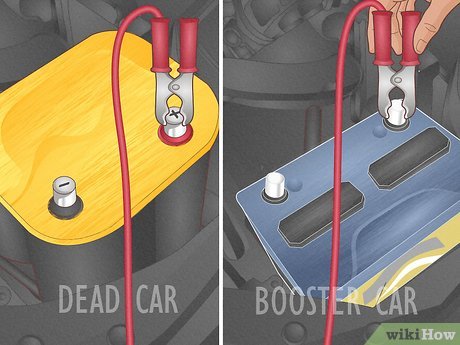
The positive terminal on a car battery is red and the negative terminal is black, a universal color code that helps prevent dangerous wiring mistakes.
If you've ever popped the hood of your car and stared at the battery, you know it can look like a small, confusing box of metal and plastic. Knowing which side is which is one of the most basic but important pieces of car care knowledge. I've worked on dozens of vehicles over the years, and that simple red and black distinction has saved me from countless sparks, fried electronics, and jump-start mishaps. This guide will walk you through everything you need to know about battery terminal colors, why the system exists, and how to use that knowledge safely.
Understanding Car Battery Terminal Colors
Car batteries have two posts on top: one marked positive (+) and one marked negative (-). The positive terminal is almost always covered with a red cap or has a red marking, while the negative terminal is marked with black. This isn't just a random choice. The colors red and black were picked because they are easy to see and have universal meanings in electronics. Red signals power and warning, while black signals ground or a return path for current.
Why Red and Black Were Chosen
The red and black color code for car batteries has been around for decades. It started in the early days of automotive electrical systems when engineers needed a simple way to keep polarity clear. Red means positive because it grabs your attention, like a stop sign or a warning light. Black means negative because it's neutral and steady, like the ground beneath your feet. This system became the industry standard in North America, Europe, and most of Asia. Even if you buy a battery from a different brand or country, the colors stay the same.
What Happens If the Colors Are Faded or Missing
Sometimes, especially on older cars, the red cap or black cover can fall off or fade in the sun. When that happens, you can still tell the terminals apart by looking for a plus (+) or minus (-) sign stamped into the battery case near each post. The positive post is also usually slightly larger in diameter than the negative post on many batteries, though this can vary. If both the colors and the signs are gone, a quick test with a multimeter can save you from a bad mistake.

The Role of Polarity in a Car Battery
Understanding polarity is just as important as knowing the colors. Car batteries are direct current, or DC, power sources. That means the electricity flows in one direction, from the positive terminal through the car's electrical system and back to the negative terminal. If you ever connect the cables backward, even for a second, you can send current flowing the wrong way through the system.
What Polarity Means for Your Vehicle
Your car's alternator, starter motor, and computer are all designed to receive power in one direction. Reverse polarity can blow fuses, fry the engine control unit, or damage sensitive sensors. I've seen a friend of mine accidentally hook up jumper cables backward, and it cost him over a thousand dollars in electrical repairs. That's why every mechanic will tell you to always double-check the colors before touching a wrench to a terminal.
How Batteries Are Built for One-Way Power
Inside a lead-acid battery, which is the most common type in cars, there are lead plates and an acid solution. The chemical reaction inside creates a flow of electrons that leaves the positive terminal and returns to the negative terminal. This is why the posts are clearly marked. The battery doesn't care which direction you read the colors, but your car's wiring absolutely does.
Safety Tips for Working with Battery Terminals
Even a simple task like jumping a car or replacing a battery can go wrong if you ignore the colors. A car battery holds a massive amount of power, enough to weld metal or give you a serious shock. Treating the red and black terminals with respect is the first step to staying safe.
Always Disconnect the Negative Terminal First
When you're taking a battery out, mechanics have a golden rule: remove the negative cable first and put it on last. Why? Because the negative terminal is connected to the car's frame, which acts as the ground. If your wrench slips while loosening the positive cable and touches any metal part of the car, you create a short circuit. By disconnecting the negative side first, you break that connection and make the whole system safer.
Reconnect in the Reverse Order
When putting a new battery in or hooking the cables back up, the order flips. Attach the positive cable first, then the negative. This way, if your tool touches the car body while tightening the positive clamp, nothing happens because the ground is still disconnected. It's a small habit, but it can prevent sparks, melted tools, and damaged electronics.
Wear Safety Gear
Battery acid is corrosive, and the hydrogen gas that batteries vent is flammable. I always keep a pair of safety glasses and rubber gloves in my trunk. If acid splashes on your skin or clothes, it can burn right through fabric. Having a box of baking soda nearby can also help neutralize any spills.

Jump-Starting a Car the Right Way
Jump-starting is one of the most common times people deal with battery terminals. Knowing the colors makes the whole process faster and safer. Most jump-start mistakes happen because someone connects the cables in the wrong order.
The Correct Order for Jumper Cables
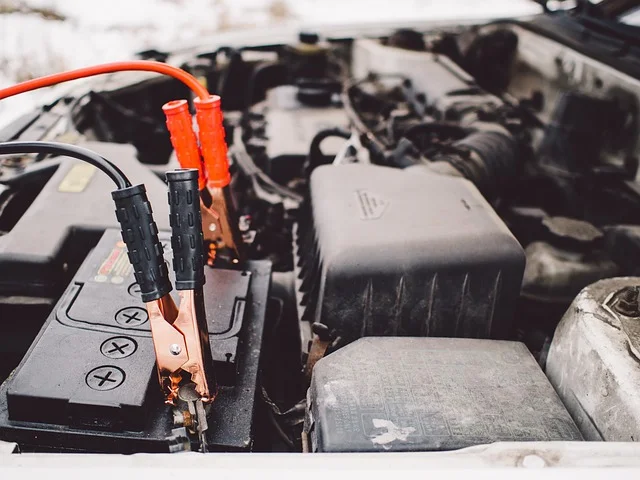
Turn off both cars before you start. Connect the red clamp to the positive terminal of the dead battery. Connect the other red clamp to the positive terminal of the good battery. Next, attach the black clamp to the negative terminal of the good battery. Finally, attach the last black clamp to an unpainted metal surface on the dead car, away from the battery. This last step grounds the circuit and reduces the chance of sparks igniting battery gas.
Why You Connect the Last Black Cable to a Metal Ground
Hooking the final black cable directly to the negative terminal of the dead battery can cause a spark right at the battery. If hydrogen gas has built up, that spark could cause the battery to pop or even explode. I learned this the hard way in my early days when a tiny spark made my old battery hiss like a teakettle. Now I always find a clean metal bracket or bolt to clip onto.

Differences Between Car Batteries and Other Battery Types
Not every battery uses red and black. Knowing when those colors change can save you a lot of confusion, especially if you work on boats, motorcycles, or solar power systems.
Marine and RV Batteries
Most deep-cycle marine batteries follow the same red positive and black negative rule as car batteries. However, some boats use two batteries wired in series for a 24-volt system. In that case, the color coding stays the same, but the voltage changes. Always check the battery's label if you're unsure.
Lithium and AGM Batteries
Modern absorbed glass mat (AGM) and lithium-ion car batteries still use the red and black color system. The internal chemistry might be different, but the terminals and their meanings remain the same. This consistency is a huge relief for mechanics and DIYers who switch between battery types.
Solar and Household Batteries
In solar power setups, the wires are often red and black too, but you might see blue for negative in some low-voltage DC systems. Household batteries, like AA or 9-volt, follow their own standards, but the lesson is the same: always check the plus and minus signs before making a connection.
Common Myths About Battery Terminal Colors
Over the years, I've heard some wild claims about battery terminals. Let's clear up a few of the most common ones.
Myth: You Can Tell the Terminals Apart by Size
While it's true that some batteries have a slightly larger positive post, this isn't a universal rule. Many batteries have posts that look almost identical. Relying on size alone is a gamble you don't want to take.
Myth: All Red Terminals Are Always Positive
In a car battery, yes, red is positive. But in some electronic devices or industrial equipment, red can mean something else, like a switch leg in AC wiring. Always check the labels, especially if you're dealing with non-automotive equipment.
Myth: You Don't Need to Worry About Polarity with New Batteries
Even brand-new batteries can be installed backward. I've seen new cars rolling off the assembly line with battery cables on the wrong posts. It happens. A quick glance at the colors and signs can catch the mistake before it becomes a costly repair.
How to Test Your Car Battery Terminals
Knowing the colors is step one. Knowing the health of your battery is step two. A simple voltage test can tell you a lot about whether your battery is ready to start your car on a cold morning.
Using a Multimeter
Set your multimeter to DC volts. Touch the red probe to the positive terminal and the black probe to the negative terminal. A healthy, fully charged battery should read between 12.4 and 12.7 volts. Anything below 12.2 volts means the battery is low and might need a charge or replacement.
What a Load Test Tells You
A multimeter shows resting voltage, but a load test shows how the battery performs under stress. Many auto parts stores will perform a free load test. It simulates the demand of the starter motor and tells you if the battery has enough cold cranking amps to start the engine in winter.
Cleaning Corroded Terminals
If you see a white, blue, or green powdery substance around the terminals, that's corrosion. It can block the flow of electricity and make your car hard to start. A simple mixture of baking soda and water, plus an old toothbrush, can clean it off. Just make sure the battery cables are disconnected before you start scrubbing.

Frequently Asked Questions
What color is the positive terminal on a car battery?
The positive terminal on a car battery is red. This is a universal color code used across most automotive battery brands to clearly mark the positive connection point.
What color is the negative terminal on a car battery?
The negative terminal on a car battery is black. This color signals the ground connection and is used consistently worldwide for automotive batteries.
Can I connect jumper cables in the wrong order?
Connecting jumper cables in the wrong order can cause sparks, blown fuses, or damage to the electrical systems of both cars. Always follow the red to positive, black to negative sequence.
Are battery terminal colors the same for all vehicles?
Yes, car battery terminal colors are standardized across the industry. Red is always positive and black is always negative, whether you're driving a sedan, truck, or SUV.
Do I need to disconnect the negative terminal before replacing a car battery?
Yes, always disconnect the negative terminal first when removing a car battery. This breaks the ground connection and reduces the risk of short circuits or electrical shocks.
What happens if I install a car battery backward?
Installing a car battery backward can send reverse polarity through the system. This can blow fuses, damage the alternator, and destroy sensitive computer modules in modern vehicles.
Final Thoughts
The colors red and black on a car battery are more than just paint. They are a lifeline of clarity in a world full of wires and connections. By understanding what those colors mean, you protect yourself, your car, and your wallet from unnecessary damage. Whether you're jumping a dead battery, swapping in a new one, or just doing a routine check, that quick glance at the red and black terminals is your first step toward safe, confident car ownership. Bookmark this guide for your next trip under the hood, and share it with a friend who's about to tackle their first battery job.