Your car's battery stays powered through the alternator, which converts engine motion into a constant flow of electricity while you go.
A dead battery can ruin even the best road trip plans, leaving you staring at your car and wondering what keeps a car battery charged. Over years of hands-on work under the hood, I've seen how a few simple parts work hard together, keeping the battery charged and keeping the whole car system alive. In this post, I'll walk you through every part that helps your battery stay charged, how the full charging system works, common problems that stop charging, and practical tips you can use to keep your battery healthy for years.

What Keeps a Car Battery Charged While Driving
While driving, your car battery stays charged mostly because of the alternator, which is a small but powerful generator driven by the engine through a belt. The alternator changes mechanical energy from the spinning engine into electrical energy, sending a steady flow of voltage back to the battery. This constant flow keeps the battery topped off, ready to start the car next time. Without the alternator, the battery would slowly drain with every mile, leaving you stranded faster than you might think.
Here are the key parts that keep your car battery charged while driving:
- The Alternator acts as the main power source, generating electricity as the engine runs.
- The Voltage Regulator controls the amount of voltage flowing to the battery, keeping it within a safe range.
- The Drive Belt connects the engine to the alternator, allowing the alternator to spin and generate power.
- The Battery Cables carry the electrical current from the alternator to the battery.
- The ECU (Engine Control Unit) manages the electrical system and helps balance power distribution.
How the Alternator Works to Charge the Battery
Think of the alternator as a small power plant under your hood, quietly working every time you hit the road. As the engine spins, a belt turns a rotor inside the alternator, creating a magnetic field. This magnetic field produces alternating current (AC), which is then converted into direct current (DC) that the battery can store. The whole process happens in real time, keeping the battery fully charged while powering lights, radio, and other electronics.
Here is how the charging process works step by step:
- Engine Motion turns the crankshaft, which moves the drive belt.
- The Drive Belt spins the alternator pulley at high speed.
- Inside the Alternator, the rotor and stator create an electromagnetic field that generates AC voltage.
- The Rectifier converts AC voltage into DC voltage, which is what the battery uses.
- The Voltage Regulator keeps the output between 13.5 and 14.5 volts to avoid overcharging.
- The Battery absorbs the DC voltage, storing it for future use.
What Charges the Battery When the Engine Is Off
When the engine is off, the battery relies on stored energy to keep things running, but nothing actively charges it. Small drains like clock memory, alarm systems, and remote key sensors slowly pull power, but the battery only recharges when the engine runs again. This is why short trips that don't give the alternator enough time can leave the battery weaker over time. I learned this the hard way when my old sedan kept struggling to start after weeks of short grocery runs.
Here are common things that slowly drain the battery when the engine is off:
- Interior lights left on by accident.
- Phone chargers plugged into ports.
- Aftermarket accessories like dash cams or audio systems.
- Faulty wiring that creates a parasitic drain.
- Aging battery cells that lose charge faster over time.
Signs That Your Battery Is Not Charging Properly
A weak battery often sends early warning signs, and catching them early can save you from getting stranded. Over the years, I've learned to spot these signs before they turn into bigger problems. Here are the most common signs that your battery isn't charging properly:
- Dim Headlights that get brighter when you rev the engine.
- Battery Warning Light glowing on the dashboard.
- Slow Engine Crank when turning the key or pressing start.
- Electrical Issues like flickering lights or weak radio output.
- Frequent Jump Starts needed even after driving.
Common Reasons a Car Battery Stops Charging
Sometimes the charging system fails, and the reasons behind it can be simple or serious. From my own garage experience, most charging problems come down to a few common culprits. Here are the most common reasons a car battery stops charging:
- A Failing Alternator that can't generate enough voltage.
- A Broken Drive Belt that isn't spinning the alternator.
- Corroded Battery Terminals that block the flow of electricity.
- A Bad Voltage Regulator that overcharges or undercharges the battery.
- Wiring Problems that interrupt the charging circuit.
- An Old Battery that can no longer hold a charge.
How to Keep Your Car Battery Charged Longer
Keeping your battery healthy isn't hard, but it does take a little attention and care. From my own routine, a little maintenance goes a long way in keeping the battery strong. Here are practical tips to keep your car battery charged longer:
- Drive the car regularly for at least 20 minutes to let the alternator fully charge the battery.
- Avoid short trips that don't give the battery enough time to recharge.
- Turn off all lights and accessories before leaving the car.
- Keep the battery terminals clean and free of corrosion.
- Check the drive belt for cracks or wear every few months.
- Test the battery voltage occasionally with a multimeter.
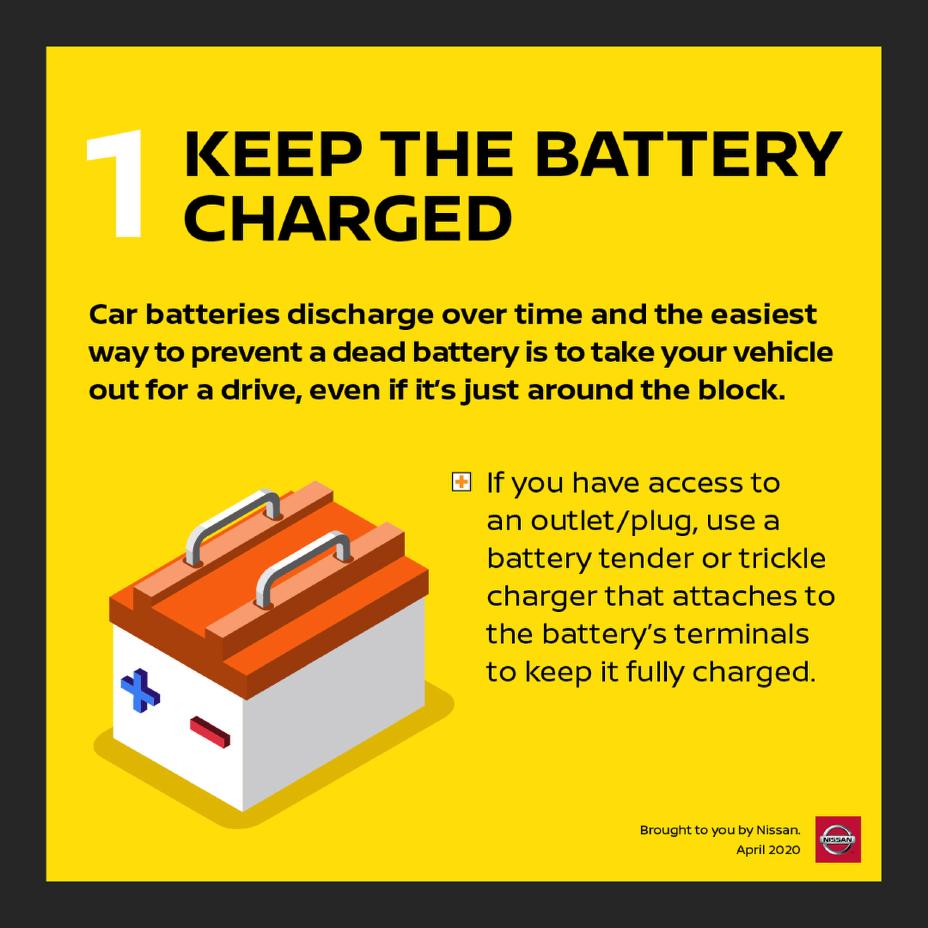
- Use a battery maintainer if the car sits unused for long periods.

How Long Does It Take to Fully Charge a Car Battery
The time it takes to fully charge a car battery depends on how empty it is and how the charging happens. While idling or driving, the alternator can top off a weak battery in about 30 minutes to an hour. Using a dedicated battery charger can take anywhere from 4 to 24 hours, depending on the charger's amperage and the battery's size. From my own experience, slow charging with a smart charger is the safest way to bring a deeply discharged battery back to life.

Can a Car Battery Charge While Idling
Yes, a car battery can charge while idling, but it charges slower than when driving at higher RPMs. The alternator still spins at idle, but the lower engine speed means less power generation. If the battery is very weak, idling alone may not be enough to bring it back to full charge. In my experience, idling for 10-20 minutes can help in a pinch, but a proper drive is always better for a full charge.
How to Test If Your Battery Is Charging Properly
Testing your battery's charging system is easy and only takes a few minutes with the right tools. Over the years, I've used a simple multimeter to check battery health before long trips. Here is how you can test if your battery is charging properly:
- Set the multimeter to DC voltage.
- With the engine off, a healthy battery should read between 12.4 and 12.7 volts.
- Start the engine and check the voltage again.
- A reading between 13.5 and 14.5 volts means the alternator is charging properly.
- If the reading is below 13 volts, the alternator may be weak or failing.
- If the reading is above 15 volts, the voltage regulator may be faulty.
What Happens When the Alternator Fails
When the alternator fails, the battery becomes the only source of power, and it can only last so long before the whole system shuts down. I've had an alternator fail on a road trip before, and the car died within 30 minutes after the battery drained completely. Here is what typically happens when the alternator fails:
- The battery warning light comes on.
- Electrical accessories start to fail or behave oddly.
- The engine may stall as power runs out.
- The car won't restart once the battery is fully drained.
How to Extend the Life of Your Car Battery
A car battery can last 3 to 5 years on average, but proper care can stretch that life even longer. From years of trial and error in my own driveway, I've learned that small habits make a big difference. Here are simple ways to extend the life of your car battery:
- Keep the battery secure to avoid vibration damage.
- Avoid extreme temperatures by parking in a garage when possible.
- Clean the terminals every few months with a wire brush.
- Limit short drives that never let the alternator fully recharge the battery.
- Disconnect the battery if the car will sit unused for weeks.
How Weather Affects Car Battery Charging
Weather plays a big role in how well your car battery charges and holds a charge. Cold weather slows down the chemical reactions inside the battery, making it harder to hold a charge. Hot weather speeds up internal corrosion and fluid evaporation, which shortens battery life. I've seen batteries die overnight during cold snaps and lose power slowly during summer heat waves.
Here is how different weather conditions affect battery charging:
- Cold Weather thickens engine oil, making the alternator work harder and drain the battery faster.
- Hot Weather increases fluid loss and internal corrosion, shortening battery life.
- Humid Conditions speed up terminal corrosion, blocking the charging flow.
- Wet Weather can cause electrical shorts if the battery case is damaged.
What Drains a Car Battery the Fastest
Some things drain a car battery faster than others, and knowing the usual suspects can help you avoid getting stranded. From my own experience, the fastest battery drainers are often the ones you don't think about. Here are the fastest things that drain a car battery:
- Leaving headlights on overnight.
- A stuck relay that keeps a system running.
- A faulty alternator diode that creates a parasitic drain.
- An aging battery that can no longer hold a full charge.
- Frequent short trips that never fully recharge the battery.
Frequently Asked Questions About What Keeps a Car Battery Charged
What is the main thing that keeps a car battery charged?
The main thing that keeps a car battery charged is the alternator, which generates electricity while the engine runs. The alternator sends a steady flow of voltage to the battery, keeping it topped off and ready for the next start.
Can a car battery stay charged without driving?
A car battery can hold its charge for weeks without driving, but it will slowly lose power over time. To keep it healthy, drive the car regularly or use a battery maintainer during long periods of inactivity.
How long should I drive to charge a dead battery?
Driving for at least 30 minutes to an hour can help charge a weak battery, but a deeply discharged battery may need several hours of driving or a dedicated charger to fully recover.
Does idling the car charge the battery faster?
Idling charges the battery slowly, but driving at higher RPMs charges it much faster because the alternator spins faster and generates more power.
Why does my car battery keep dying even after driving?
If the battery keeps dying after driving, the alternator may be weak, the battery may be old, or there may be a parasitic drain pulling power even when the car is off.
Conclusion
A car battery stays charged thanks to the alternator, which works hard every time you drive. The drive belt, voltage regulator, and battery cables all play important roles in keeping the charging system smooth and reliable. From years of working on cars and learning from my own mistakes, I've seen how regular care and simple checks can keep a battery strong for years. Keep an eye on warning signs, stay on top of maintenance, and your car battery will keep starting your engine mile after mile. If you found this guide helpful, feel free to share it, drop a comment with your own tips, or explore more car care guides on the blog.