Your car's battery stays charged because the alternator generates electricity while the engine runs, and the voltage regulator keeps the flow steady and safe.
I still remember the morning my old sedan refused to start. One minute I was rushing to work, the next I was stuck in the driveway listening to that sad little clicking sound. Turns out, the alternator had quietly given up, and my battery had slowly drained overnight. That frustrating experience pushed me to really learn what keeps a car battery charged, and the answer is more interesting than most people think.
How a Car Battery Stays Charged While You Drive
When most people picture a car battery, they imagine a box that just sits there until the engine starts. In reality, it's part of a living, breathing electrical system that works every second the engine is running.
The battery, the alternator, and the voltage regulator form a team. Each one has a job, and when they all pull their weight, your battery stays topped up without you ever having to think about it.
The Role of the Alternator
The alternator is the real hero behind keeping your battery healthy. It's a small generator driven by a belt connected to the engine's crankshaft. As the engine spins, the alternator spins with it, converting mechanical energy into electrical energy.
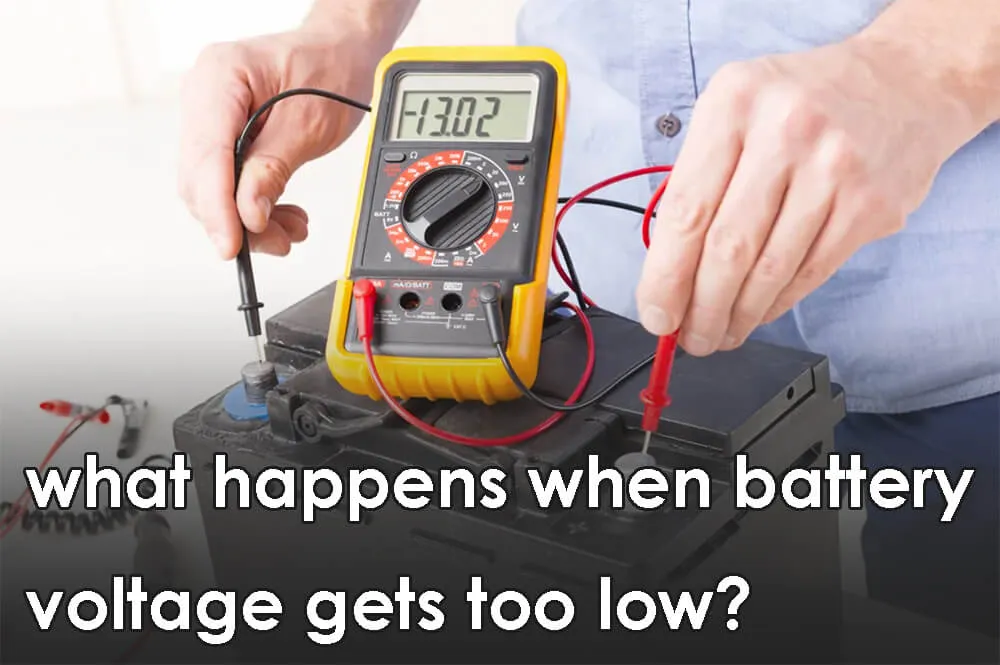
That electricity doesn't just power your headlights, radio, and AC. It also flows back into the battery to replace the energy used during startup. On average, an alternator produces somewhere between 13.5 and 14.5 volts, which is just enough to charge a standard 12-volt battery without overloading it.
The Voltage Regulator's Quiet but Critical Job
If the alternator were left on its own, it could easily send too much voltage into the battery and cook it from the inside out. That's where the voltage regulator steps in. It watches the electrical output and keeps it within a safe range.
In most modern cars, the voltage regulator is built right into the alternator. It constantly adjusts the current based on the battery's state of charge and the demands of the electrical system. Without it, your battery would either die early or get damaged quickly.
How the Battery Stores and Delivers Power
Think of your car battery as a rechargeable savings account. Every time you start the car, you withdraw a bit of energy. While you drive, the alternator pays it back.
This cycle can go on for years, as long as the battery stays in good condition and the charging system works properly. Most lead-acid car batteries last between three and five years, though some AGM models can stretch a bit longer with proper care.
What Happens When the Engine Is Off
A common question is, "What keeps the battery charged when the car isn't running?" The honest answer is nothing does, at least not from the car's own system.
Once the engine shuts off, the alternator stops spinning and stops producing power. The battery then relies entirely on its stored charge. Every time you turn the key, press the start button, or use any electrical feature like interior lights or the infotainment screen, you draw from that reserve.
If you leave the headlights on overnight or forget to close the trunk, the battery will slowly drain until it doesn't have enough juice to crank the engine. That's why even a perfectly healthy battery can leave you stranded if something stays on by accident.

Common Things That Keep Your Battery Charged Properly
Beyond the basic alternator and battery relationship, a few supporting factors help your battery stay in top shape.
Driving Habits Matter More Than You Think
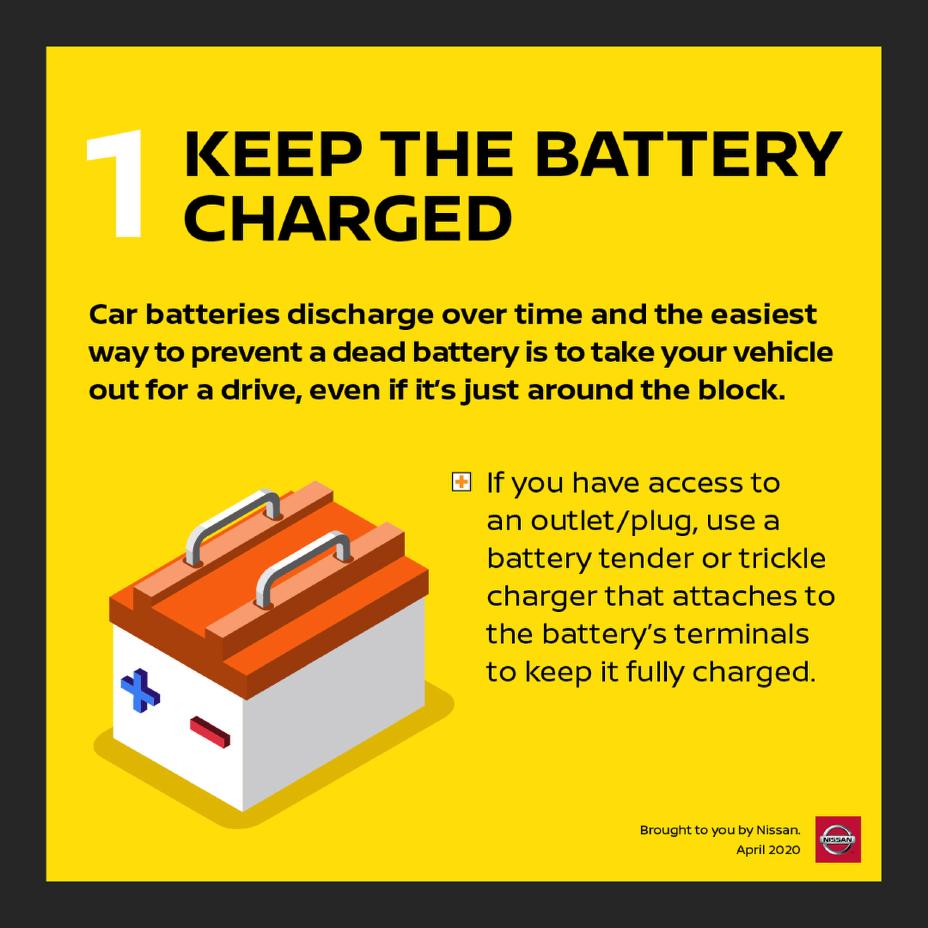
Short trips are the silent killer of car batteries. If you only drive a mile or two to the corner store, the alternator doesn't have enough time to fully recharge what was lost during startup. Over weeks and months, this creates a slow drain that shortens battery life.
I learned this the hard way during a winter when I drove my truck mostly for short errands. By spring, the battery was weak and wouldn't hold power well. After replacing it, I made it a point to take a longer drive at least once a week. The new battery lasted nearly six years.
A Healthy Serpentine or Drive Belt
The belt that connects the engine to the alternator might not seem like a big deal, but it's absolutely essential. If the belt is loose, cracked, or worn, the alternator won't spin fast enough to generate proper voltage. That means your battery won't charge efficiently, even if the alternator itself is brand new.
Checking the belt condition during routine maintenance is a small step that prevents a lot of headaches down the road.
Clean and Tight Battery Connections
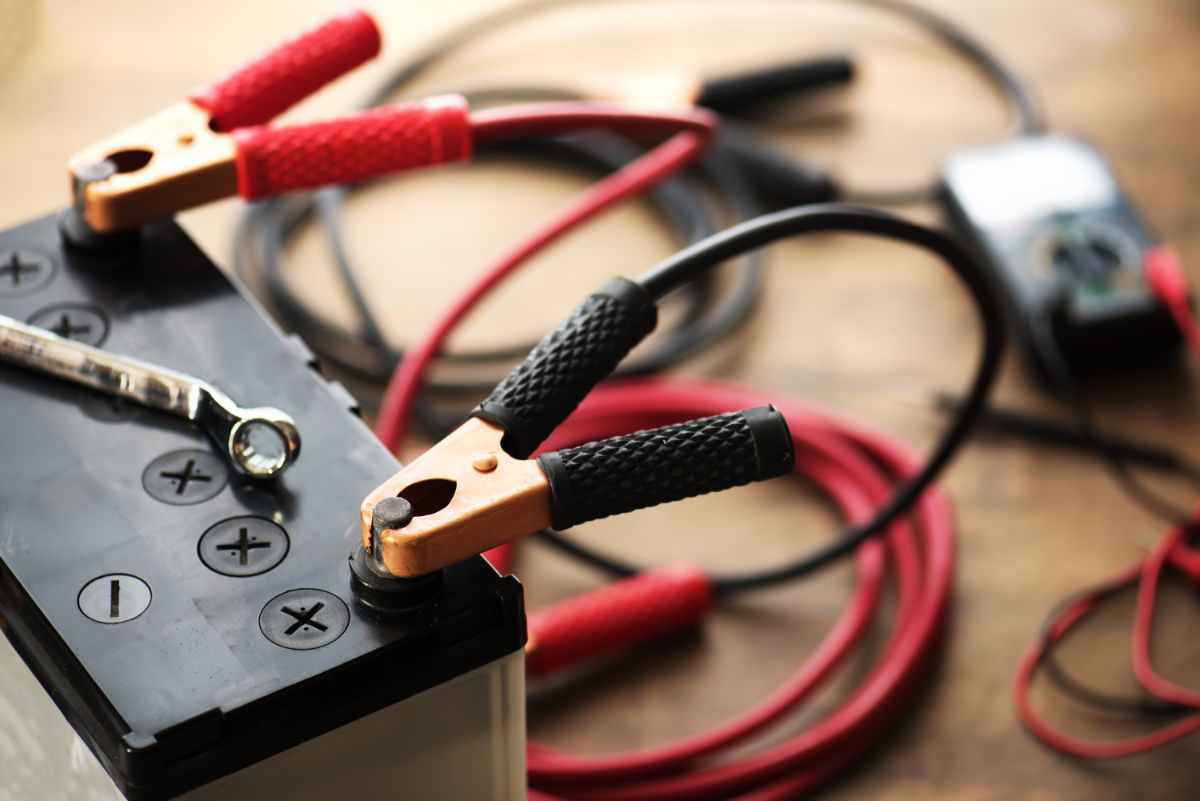
Corrosion on the battery terminals is one of the sneakiest reasons a car battery fails to charge properly. That crusty white or greenish buildup acts like a wall between the battery and the rest of the electrical system. Even if the alternator is doing its job, the power can't get through.
A simple cleaning with a wire brush and a bit of baking soda mixed with water can restore a solid connection. It's a five-minute job that can save you from an expensive tow or a new battery.
The Charging System in Action
To understand what keeps a car battery charged, it helps to picture the whole process step by step.
- You turn the key or press the start button, and the battery sends a burst of energy to the starter motor.
- The engine starts running, which spins the crankshaft and, through the serpentine belt, the alternator.
- The alternator begins generating alternating current, which is converted into direct current suitable for the car's electrical system.
- The voltage regulator monitors the output and keeps it between 13.5 and 14.5 volts.
- The battery receives a steady charge while powering accessories, and the system stays balanced.
This whole cycle happens within seconds and keeps repeating every time you drive.
Factors That Can Disrupt the Charging Process
Even with a perfect alternator and regulator, certain conditions can interfere with how well your battery stays charged.
Extreme Temperatures
Both extreme heat and extreme cold can take a toll. Heat speeds up the chemical reaction inside the battery, which sounds good but leads to faster fluid evaporation and internal damage. Cold slows everything down and reduces the battery's ability to hold a charge.
If you live in a place with harsh winters or blazing summers, expect your battery to work a little harder and possibly wear out sooner.
Electrical Drain From Accessories
Modern cars have more electronics than ever. From heated seats and backup cameras to infotainment systems and always-on Bluetooth, every feature draws a little power even when the car is off. If something malfunctions and stays active, it can slowly drain the battery.
A parasitic drain test can identify what's pulling power when it shouldn't be.
Aging Components
Nothing lasts forever. Alternators wear out, voltage regulators fail, and batteries lose their ability to hold a charge. Staying on top of routine inspections helps catch these issues before they leave you stuck.
Signs Your Battery Isn't Staying Charged
Sometimes the charging system starts to fail long before the battery actually dies. Recognizing the early signs can save you a lot of trouble.
If your headlights look dim while idling but brighten when you rev the engine, that's a classic sign the alternator isn't putting out enough power. A battery warning light on the dashboard is another obvious clue.
Other red flags include a slow-cranking engine, frequent jump-starts, and electrical features that act strangely. In my experience, the battery warning light usually shows up only after the problem has already been developing for a while. Paying attention to the small signs gives you a head start.
How to Help Your Battery Stay Charged Longer
A little care goes a long way when it comes to battery health.
- Drive the car regularly and for longer stretches when possible.
- Keep the battery terminals clean and tight.
- Have the charging system tested once a year, especially before winter.
- Turn off lights, AC, and accessories before shutting the engine off.
- Avoid leaving the car parked for weeks without driving it.
These small habits can easily add a year or two to your battery's life and save you money in the long run.
Frequently Asked Questions
Does idling the car charge the battery?
Idling does charge the battery, but very slowly. The alternator produces less power at idle than at higher RPMs. A short idle won't fully recharge a weak battery. Driving is far more effective.
How long does it take to fully charge a car battery while driving?
It typically takes at least 30 minutes of steady driving to bring a battery back to a full charge after a normal start. If the battery was deeply discharged, it may take an hour or more of consistent driving.
Can a car battery stay charged without driving?
A healthy battery can hold its charge for several weeks without driving, but it will slowly lose power. Modern cars with constant electronic draws can drain a battery in just two to three weeks of sitting.
What drains a car battery when the car is off?
Interior lights, trunk lights, infotainment systems, alarm systems, and faulty wiring can all pull power when the car is off. A parasitic draw test can pinpoint the exact cause.
Is it the alternator or the battery that keeps the car running?
The battery starts the car, but the alternator keeps it running. Once the engine is on, the alternator powers the electrical system and keeps the battery charged at the same time.
Keeping Your Battery Healthy for the Long Haul
Your car battery is a simple but vital part of your vehicle, and keeping it charged is mostly about teamwork between the battery, alternator, and voltage regulator. A healthy charging system, clean connections, and smart driving habits will keep everything running smoothly for years.
If you take anything away from this, let it be this: pay attention to the small signs. A dim headlight, a slow start, or a battery light on the dashboard isn't something to ignore. A quick check today can save you from a frustrating morning tomorrow. Treat your battery well, and it will return the favor every time you turn the key.