The liquid inside a car battery is a mix of sulfuric acid and water, called electrolyte, which powers your vehicle.
If you have ever popped the hood of your car and looked at the battery, you might have seen a faint glow coming from inside the cells. That liquid is not just water. It is a powerful chemical mix that makes the whole thing work. Knowing what is in your battery helps you take better care of it, spot problems early, and stay safe when handling it. Let me walk you through everything I have learned over the years about car battery fluid, so you can feel confident the next time you check under the hood.

What Is Battery Electrolyte Made Of
The liquid inside a car battery is called electrolyte, and it is mostly made of sulfuric acid and distilled water. The mix is roughly 35 percent acid and 65 percent water, though the exact ratio can shift depending on the battery type and how charged it is. This blend is what allows the battery to store and release energy.
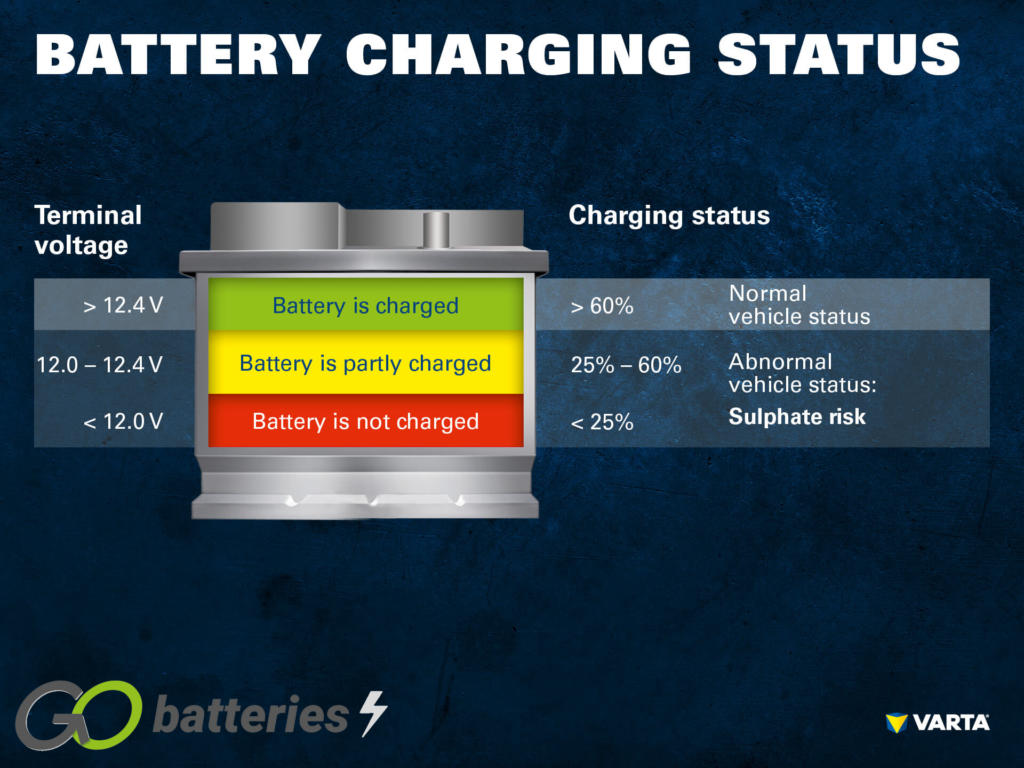
In simple terms, when your battery is charged, the electrolyte has a higher concentration of sulfuric acid. When it is discharged, the acid mixes more evenly with the water and the battery fluid becomes weaker. That chemical dance between the acid and the lead plates inside is what creates the electrical current that starts the engine and powers your lights, radio, and other accessories.
I have tested many batteries over the years, and one thing always stands out. The quality and level of the electrolyte can tell you a lot about the health of the battery. If the fluid looks dark or the level is low, it is usually a red flag.
Why Sulfuric Acid Is Used in Car Batteries
Sulfuric acid is the key player here. It reacts with the lead plates inside the battery to produce electricity. Without it, the battery would just be a box of metal and plastic with no purpose.
Here is what makes sulfuric acid so important:
- It creates a chemical reaction with lead dioxide to produce electrical energy
- It allows ions to move between the positive and negative plates
- It helps the battery hold a charge over time
The acid is diluted with water to make it safer to handle, but it is still strong enough to cause burns or damage if you are not careful. That is why I always recommend wearing gloves and eye protection when you are inspecting or topping off battery fluid.
Different Types of Battery Liquids
Not all car batteries use the same kind of liquid. Here is a quick breakdown of the main types you will run into:
- Flooded lead acid batteries These are the most common. They have removable caps so you can check and refill the electrolyte with distilled water.
- Sealed lead acid batteries These are maintenance-free and you cannot add water. The electrolyte is held in absorbent mats or gel.
- AGM batteries Absorbent Glass Mat batteries use a special fiberglass material to hold the electrolyte. They are spill-proof and last longer.
- Gel batteries These use a gel-like substance instead of liquid. They are great for deep cycling but can be sensitive to overcharging.
I have worked on all of these types over the years. Flooded batteries are the easiest to maintain at home, but AGM and gel batteries offer more convenience and less mess.
How to Check Battery Fluid Level
Checking the fluid in your battery is easier than you might think. Here is a simple step-by-step process I use when I am helping someone check their battery for the first time:
- Make sure the engine is off and the battery is cool
- Remove the caps on top of the battery (if it is a flooded type)
- Look inside each cell and check the fluid level
- The fluid should cover the lead plates by about half an inch
- If the level is low, top it off with distilled water only
- Do not overfill, as the fluid expands when the battery charges
One thing I always tell people is to never use tap water. Tap water has minerals and impurities that can mess with the chemical balance and shorten the life of your battery. Stick with distilled water every time.
Signs of Low Battery Fluid
Your battery will usually give you some warning signs when the fluid level is low. Here are the most common ones I have seen over the years:
- The battery case looks swollen or bloated
- You smell a strong sulfur or rotten egg odor
- The engine cranks slowly when you try to start it
- The battery light on your dashboard stays on
- The fluid level is visibly below the plates when you remove the caps
If you notice any of these signs, it is worth checking the fluid right away. Catching it early can save you from a dead battery at the worst possible time.

Safety Tips When Handling Battery Liquid
Battery fluid is nothing to mess around with. It is strong enough to eat through clothing and damage skin. Here are some safety tips I always follow and share with anyone who works on their own car:
- Always wear gloves and safety glasses
- Work in a well-ventilated area
- Keep baking soda nearby to neutralize any spills
- Never smoke or use open flames near a battery
- Wash your hands thoroughly after handling
I learned the hard way once when I spilled a small amount of battery acid on my jeans. It left a hole within minutes. That was the last time I worked on a battery without proper protection.
How Long Battery Fluid Lasts
Battery fluid does not evaporate quickly under normal conditions, but it can drop over time, especially in hot climates. Heat causes the water in the electrolyte to evaporate, which raises the acid concentration and can damage the plates inside.
Here is what I usually tell people about how long the fluid lasts:
- In flooded batteries, you may need to top off the water every few months
- In sealed or AGM batteries, you never need to add water
- Extreme heat can shorten the life of battery fluid significantly
- Regular charging keeps the fluid at the right level
If you live in a hot area like the Southwest, checking your battery fluid every couple of months is a smart move. I have seen batteries fail just because the water evaporated and the acid ate away the plates.
Can You Replace Battery Fluid
In most cases, you only need to add distilled water to a flooded battery. You should never replace the entire fluid unless the battery is severely damaged or contaminated.
Here is when it might be okay to fully replace the electrolyte:
- The battery has been overcharged and the acid is boiling away
- The fluid is contaminated with dirt or debris
- The battery has been sitting empty for a long time
If you do need to replace the fluid, I suggest taking the battery to a professional. They have the tools to safely drain and refill it without damaging the cells.

Common Myths About Car Battery Liquid
Over the years, I have heard a lot of myths about battery fluid. Let me clear up a few of the most common ones:
- Myth: You can use any type of water in a battery. Fact: Only distilled water is recommended. Tap water has minerals that cause damage.
- Myth: Battery acid is the same as pool acid. Fact: Car battery acid is much stronger and more dangerous.
- Myth: Sealed batteries have no liquid. Fact: They do, but it is absorbed in mats or gel.
- Myth: Low fluid means the battery is dead. Fact: Often you just need to add water and recharge it.
Knowing the truth about these myths can save you money and keep your battery running longer.
How Battery Fluid Affects Performance
The level and quality of your battery fluid directly affect how well your car starts and runs. When the fluid is low or weak, the battery cannot hold a full charge, which means your alternator has to work harder. Over time, that extra strain can shorten the life of your entire electrical system.
I have seen cars come into the shop with all kinds of electrical issues that were traced back to low battery fluid. The fix was often as simple as topping off the water and giving the battery a good charge.
Environmental Impact of Battery Fluid
Battery fluid is toxic and should never be poured down the drain or onto the ground. Most auto parts stores and recycling centers will take old batteries and dispose of them safely.
Here is what I recommend when you need to dispose of battery fluid or an old battery:
- Take it to a certified battery recycling facility
- Many auto parts stores offer core refunds for recycling
- Never throw a battery in the trash
Doing this keeps harmful chemicals out of the environment and often puts a little money back in your pocket.
Frequently Asked Questions
What color is the liquid in a car battery
The liquid in a car battery is usually clear or slightly cloudy when the battery is healthy. If it turns dark or brown, that is a sign of damage or contamination.
Can you add water to a car battery
Yes, but only if it is a flooded lead acid battery. Use distilled water only, and never fill above the level marker or the bottom of the fill tubes.
Is battery acid dangerous
Yes, it is highly corrosive and can cause burns, damage clothing, and harm your lungs if inhaled. Always handle with gloves, eye protection, and good ventilation.
How often should I check battery fluid
I recommend checking every three to six months, especially in hot climates. If you use your car heavily or have an older battery, check more often.
What happens if battery fluid is low
Low fluid exposes the lead plates, which can cause permanent damage. It also reduces the battery's ability to hold a charge, leading to starting problems.
Final Thoughts
Your car battery is one of the most important parts under the hood, and the liquid inside it plays a huge role in how well it works. Knowing what is in there, how to check it, and how to handle it safely can save you time, money, and frustration. Whether you drive a daily commuter or a weekend classic, a little attention to your battery fluid goes a long way. If you have questions or want to share your own battery tips, drop a comment below. I would love to keep the conversation going.