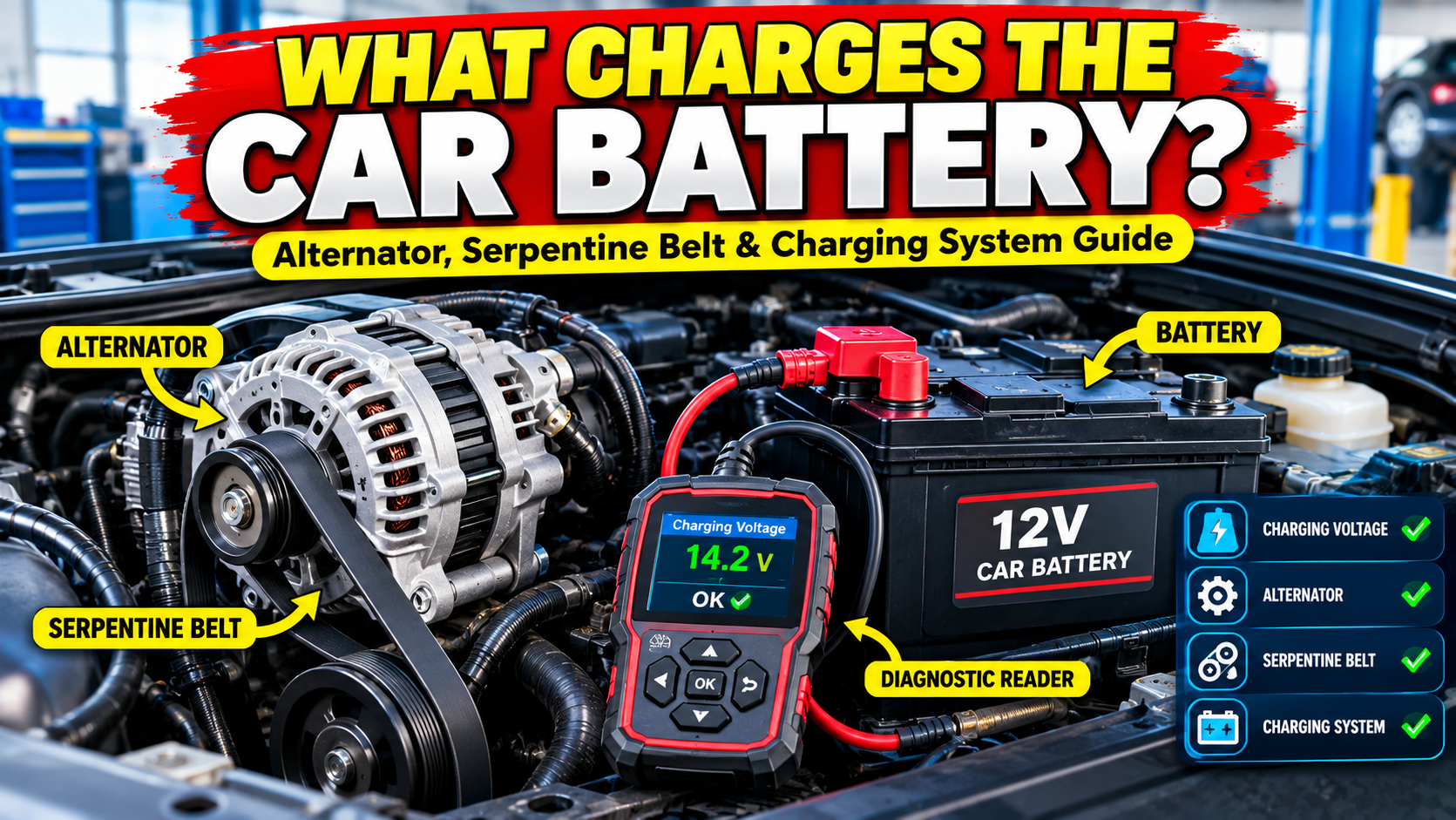
Your car battery is primarily charged by the alternator while the engine runs, supported by the voltage regulator that keeps power flow steady and safe. Over the years, I’ve learned that understanding this cycle is the difference between a reliable ride and a frustrating morning stuck in the driveway. I’ve worked hands-on with dozens of vehicles—from classic muscle cars to modern hybrids—and the one truth that never changes is that a healthy charging system is the heartbeat of your car. If you’ve ever turned the key only to hear that dreaded click-click, you already know how critical this topic is. Let’s walk through exactly how your battery stays powered, what can go wrong, and how you can keep everything running smoothly for years to come.
How the Alternator Charges Your Car Battery
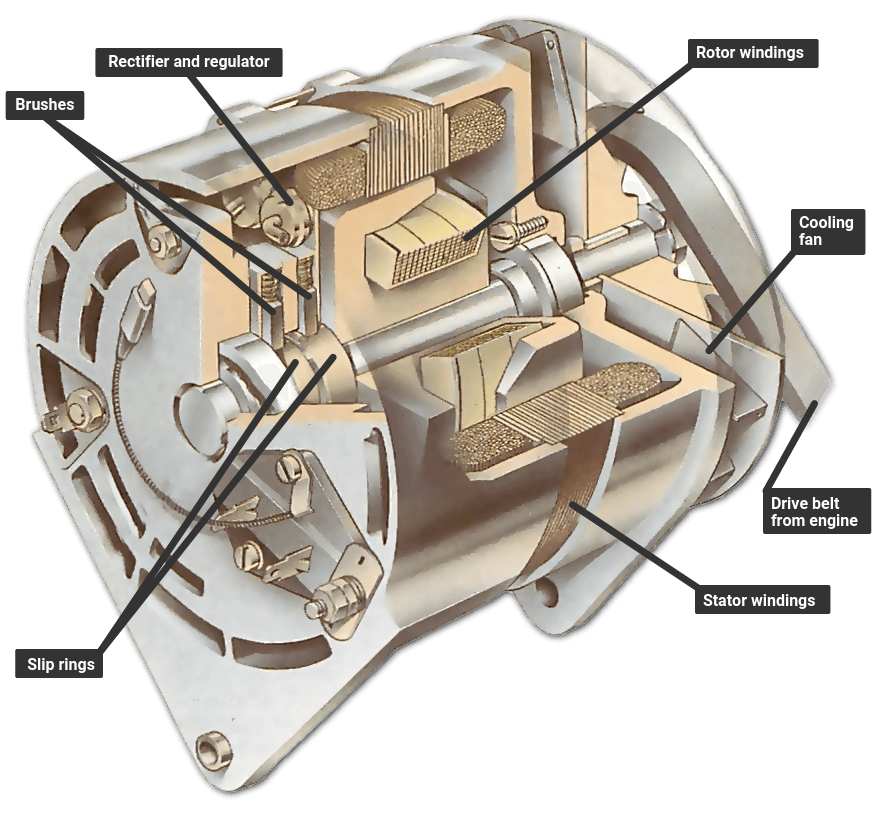
The alternator is the main hero in this story. Once you start the engine, the serpentine belt spins the alternator’s pulley, which turns a rotor inside a stator to generate alternating current. A set of diodes then converts that AC into the DC your battery needs. I remember the first time I rebuilt an alternator on a buddy’s old truck—we bench-tested it and watched the voltage climb from 12 volts to a steady 14.4, which is exactly what you want to see. That magic number is what flows back into your battery, topping off the energy used during ignition and keeping all your electronics humming along.
The Role of the Voltage Regulator
Think of the voltage regulator as the wise referee of the whole operation. Without it, your alternator could push too much voltage into the battery and literally cook it from the inside out. Most modern vehicles have this regulator built right into the alternator or tucked inside the engine control unit. I’ve seen older cars where a failing regulator allowed voltage to spike to 16 volts or higher—enough to boil the electrolyte and warp the plates. Keeping that voltage between 13.8 and 14.4 volts is the sweet spot for a long-lasting battery.

What Happens When the Engine Is Off
Once you shut off the engine, the alternator stops spinning and generating power. At that point, the battery becomes the sole source of electricity for things like your alarm system, clock, key fob receiver, and any standby modules. This is called parasitic draw, and it’s a silent killer if it gets out of hand. From experience, anything pulling more than 50 milliamps when the car is off is worth investigating. I once chased a mysterious dead battery for weeks before discovering a trunk light switch that wasn’t fully closing—talk about a small part causing big headaches.
Common Sources of Parasitic Drain
- Interior lights that stay on after you close the door
- Aftermarket audio systems wired directly to constant power
- Malfunctioning control modules that fail to enter sleep mode
- Phone chargers or dash cams plugged into always-hot outlets
- Faulty relays that keep circuits energized when they shouldn’t
Does Idling the Engine Charge the Battery?
Yes, but not nearly as efficiently as you might hope. At idle, the alternator spins slowly, producing just enough power to run the vehicle’s systems and trickle charge the battery. If you’re sitting in a parking lot with the headlights, AC, and stereo on, the alternator might actually struggle to keep up. I learned this the hard way during a long road trip when I let my car idle for 45 minutes with the AC blasting—the battery was actually slightly discharged when I checked it. A steady drive at higher RPMs is far more effective for a meaningful recharge.
How Long Should You Drive to Recharge a Battery?
As a general rule, you need at least 30 minutes of consistent driving at highway speeds to put a meaningful charge back into a drained battery. Short trips around the neighborhood won’t cut it because the starter motor pulls a huge burst of energy during ignition that takes time to replace. Think of your battery like a phone that’s been used all day—plugging it in for five minutes barely moves the needle, but a solid half-hour drive gets you back in the game.

Can a Battery Charge Without an Alternator?
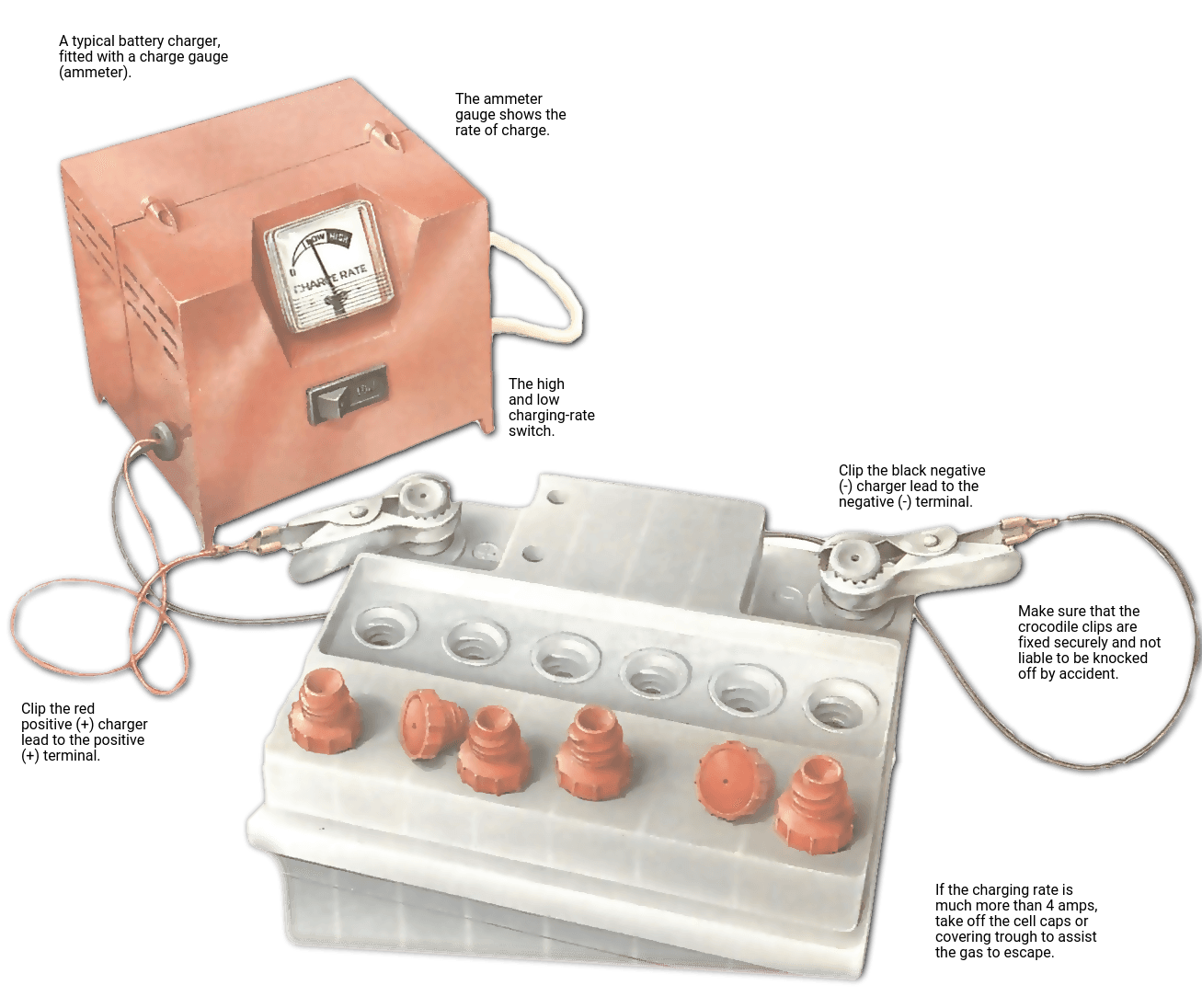
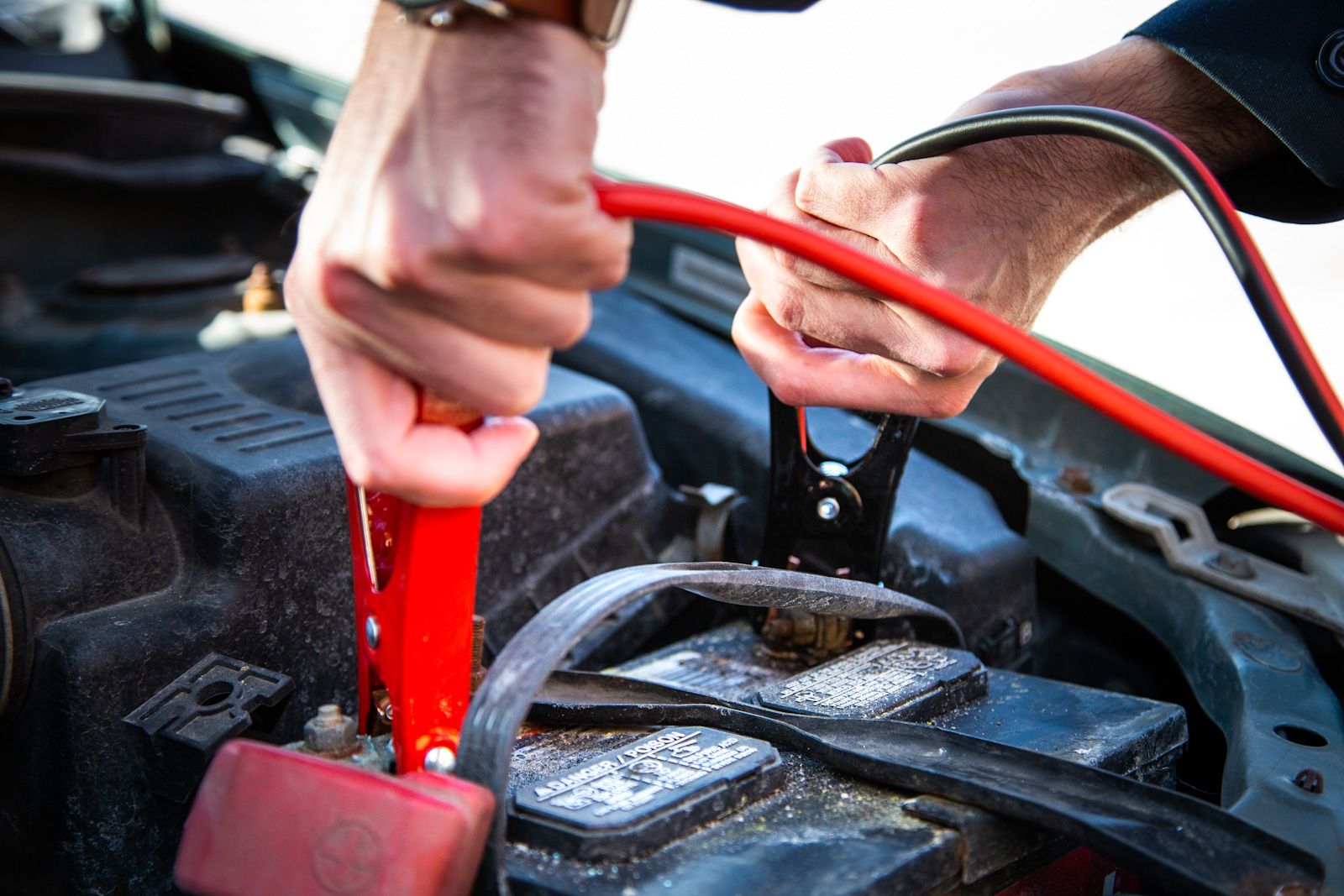
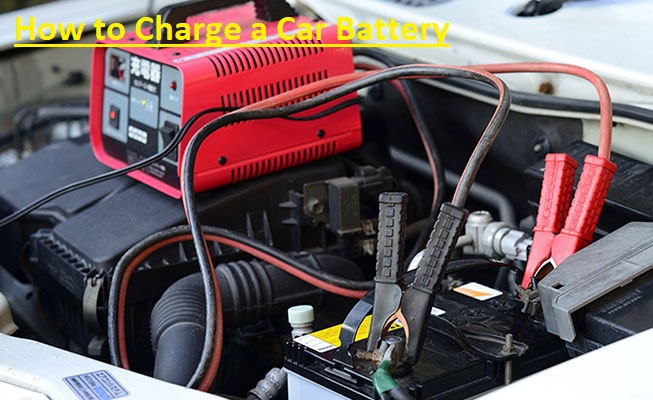
Technically, a battery can be charged using an external source like a battery charger, solar panel, or even a jump-start from another vehicle. However, without a working alternator, your battery will only last as long as its stored capacity—usually a few days at best for normal commuting. I’ve used portable lithium jump starters countless times in emergencies, and they’re a lifesaver, but they’re not a permanent fix. If your alternator fails on the road, you’re essentially running on borrowed time.
Trickle Chargers and Battery Tenders
For vehicles that sit for long periods—classic cars, motorcycles, seasonal toys—a trickle charger or battery tender is your best friend. These devices deliver a slow, steady stream of electricity that keeps the battery topped off without overcharging it. I keep one on my project car, and after two years of storage, the battery still cranks like it’s brand new. It’s one of the smartest investments you can make if you own a vehicle that doesn’t see regular use.

Signs Your Charging System Is Failing
Your car will almost always give you warning signs before the charging system gives up completely. Catching these early can save you from being stranded or dealing with expensive repairs. I always tell people to pay attention to the small hints your car drops, because they usually turn into loud problems if ignored.
Warning Lights and Dashboard Signals
The battery light or check charging system warning is the most obvious indicator that something is wrong. But did you know a flickering check engine light can also point to alternator issues? Modern vehicles rely on stable voltage for sensor readings, so a weak alternator can throw all sorts of unrelated codes. If your lights dim at idle or brighten when you rev the engine, that’s another classic giveaway.
Unusual Noises and Smells
A failing alternator often produces a whining or grinding noise because the bearings inside are wearing out. In severe cases, you might smell burning rubber or wiring insulation if the alternator is overworking or the belt is slipping. I once ignored a faint whistle for months until the belt finally snapped on the highway—never again. Trust your ears and your nose; they’re powerful diagnostic tools.
How to Test Your Charging System at Home
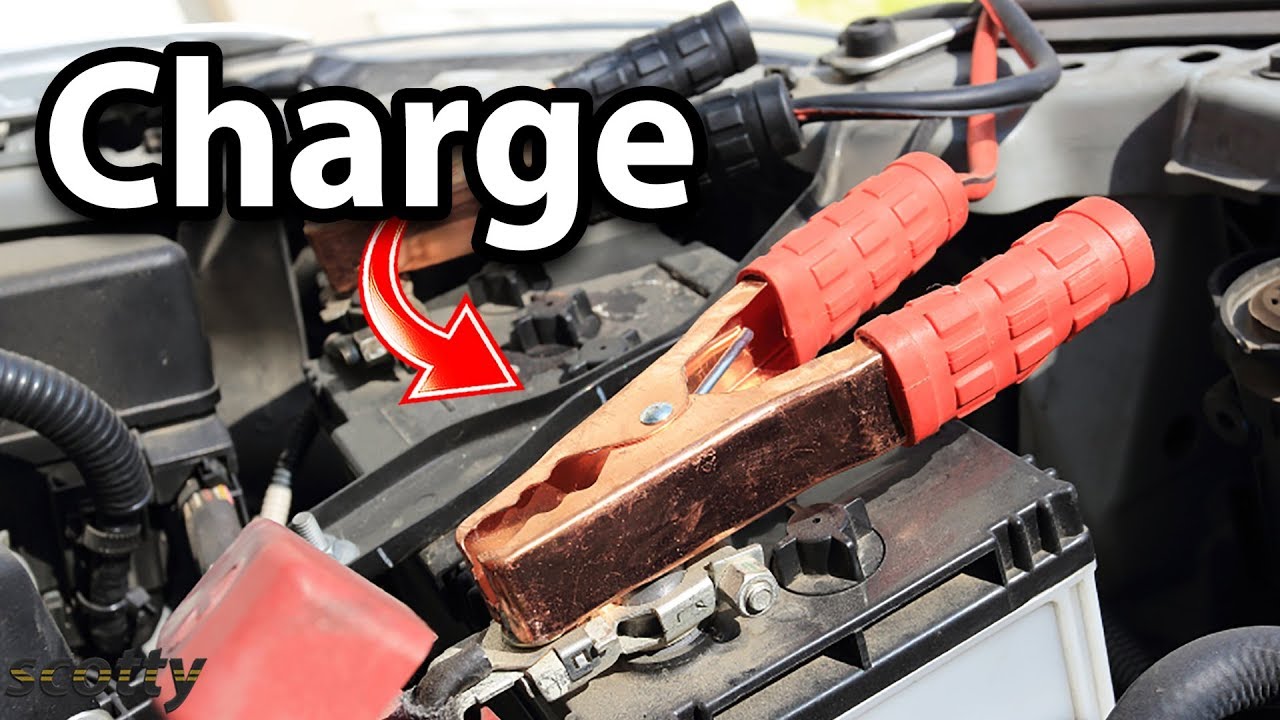
You don’t need a mechanic’s degree to check if your alternator is doing its job. All you need is a basic digital multimeter and about ten minutes of your time. This is one of the first things I teach new DIYers because it’s simple, fast, and incredibly informative.
Step-by-Step Voltage Test
- Set your multimeter to DC volts and turn off the engine.
- Touch the red probe to the positive battery terminal and the black probe to the negative terminal.
- A healthy battery should read between 12.4 and 12.7 volts.
- Start the engine and let it idle without accessories running.
- Rev the engine to about 2,000 RPM and check the reading again.
- You should see between 13.8 and 14.4 volts if the alternator is charging properly.
If your readings are outside these ranges, it’s time to dig deeper or visit a trusted shop.
How Long Does a Car Battery Last with Proper Charging?
A well-maintained battery in a properly functioning charging system typically lasts between three and five years. I’ve pushed some to six or seven years by keeping the terminals clean, avoiding deep discharges, and using a tender during long storage. Heat is the biggest enemy, so if you live in a hot climate, expect a shorter lifespan. Cold weather doesn’t kill batteries, but it reveals weak ones that have been slowly dying all summer.
Habits That Extend Battery Life
- Drive your car regularly for at least 20 minutes to allow full recharge cycles.
- Keep the battery terminals clean and free of corrosion.
- Make sure the battery is securely mounted to avoid vibration damage.
- Avoid using electronics when the engine is off for extended periods.
- Test the charging system annually, especially before winter or long trips.
Frequently Asked Questions
Can a completely dead battery be recharged?
Yes, if the battery isn’t physically damaged or sulfated from sitting too long, a standard battery charger can often bring it back to life. However, deeply discharged batteries may never hold a full charge again and will need replacement soon after.
Does revving the engine charge the battery faster?
Revving the engine higher does spin the alternator faster, which increases output and charges the battery more quickly. But the difference is modest compared to simply driving at normal speeds for a longer period.
Can you overcharge a car battery?
Absolutely. If the voltage regulator fails, the alternator can pump too much voltage into the battery, causing the electrolyte to boil off and damaging the internal plates. This is why a functioning regulator is just as important as the alternator itself.
Why does my battery die even after driving?
This usually points to a parasitic draw or a failing alternator that isn’t producing enough voltage during operation. It can also mean the battery itself is old and can no longer hold a charge, even if it appears to test okay at rest.
Do electric cars charge their 12-volt battery the same way?
Not exactly. Electric vehicles use a DC-to-DC converter to step down high-voltage battery power to charge the 12-volt accessory battery. The principle is the same, but the components are completely different from a traditional gas-powered car.
Conclusion
Your car battery stays charged thanks to a beautifully simple relationship between the alternator, voltage regulator, and a bit of driving time. When this system works as designed, you’ll rarely think about your battery at all—and that’s exactly the goal. Take a few minutes each season to test the voltage, clean the terminals, and listen for any unusual sounds. A little attention now saves you from a frustrating breakdown later. If you’ve found these tips useful, consider sharing this guide with a friend who’s just starting their own car care journey, and drop a comment below with your own battery-saving tricks.