Ever wondered how that noisy machine in the garage or workshop turns regular air into a powerhouse for your tools? Understanding how an air compressor works isn't just for mechanics; it helps you appreciate the incredible utility of compressed air and use your equipment more effectively. We're talking about a fundamental piece of equipment that's vital for countless tasks, from inflating tires to powering impact wrenches.
This mechanical marvel essentially takes air from the atmosphere, squeezes it into a smaller volume, and then stores that high-pressure air for later use. For example, a typical consumer-grade compressor might compress air to 90 PSI (Pounds per Square Inch), delivering enough force to operate many common pneumatic tools. Let's break down the core explanation of how these machines achieve their remarkable feats.
Quick Answer: The Essence of Air Compression
At its heart, an air compressor is a device that converts power (from an electric motor or gasoline engine) into potential energy stored in pressurized air. It draws in ambient air, then mechanically reduces its volume, thereby increasing its pressure. This high-pressure air is then stored in a robust receiver tank, ready to be released on demand to power various pneumatic tools or industrial processes. Think of it like a spring: you push it down (compress it) to store energy, and that energy is released when you let go.
Core Explanation: How an Air Compressor Actually Works
The basic principle behind any air compressor is straightforward: intake, compress, store, and discharge. It's a closed loop where atmospheric air enters, gets squeezed, and then held under pressure until you need it. The specific mechanisms for compression can vary, but the end goal remains the same: create a reliable source of high-pressure air. Understanding this cycle helps demystify these powerful machines.
The Basic Cycle: Suction, Compression, Discharge
Let's walk through the fundamental steps that almost every air compressor follows. It's a continuous dance of mechanical action that results in that ready-to-use blast of air.
- Suction (Intake): The compressor starts by drawing in normal atmospheric air. This usually happens through an air filter, which is crucial for preventing dust and debris from entering the sensitive internal components.
- Compression: Once the air is inside the compression chamber, the magic happens. A mechanical device, often a piston or a set of screws, physically reduces the volume available to that air. This reduction in volume forces the air molecules closer together, dramatically increasing the air's pressure and temperature.
- Discharge (Storage): The now highly pressurized, hot air is pushed out of the compression chamber and typically directed towards an air receiver tank. This tank acts as a reservoir, storing the compressed air until it's needed. The pressure switch on the tank monitors the air pressure and signals the motor to stop once a set maximum pressure is reached, and to restart when the pressure drops.
The Crucial Components Working Together (Visual Cues)
To really grasp how this all comes together, it's helpful to visualize the main parts. If you look at a diagram, you'd clearly see the interplay of these components.
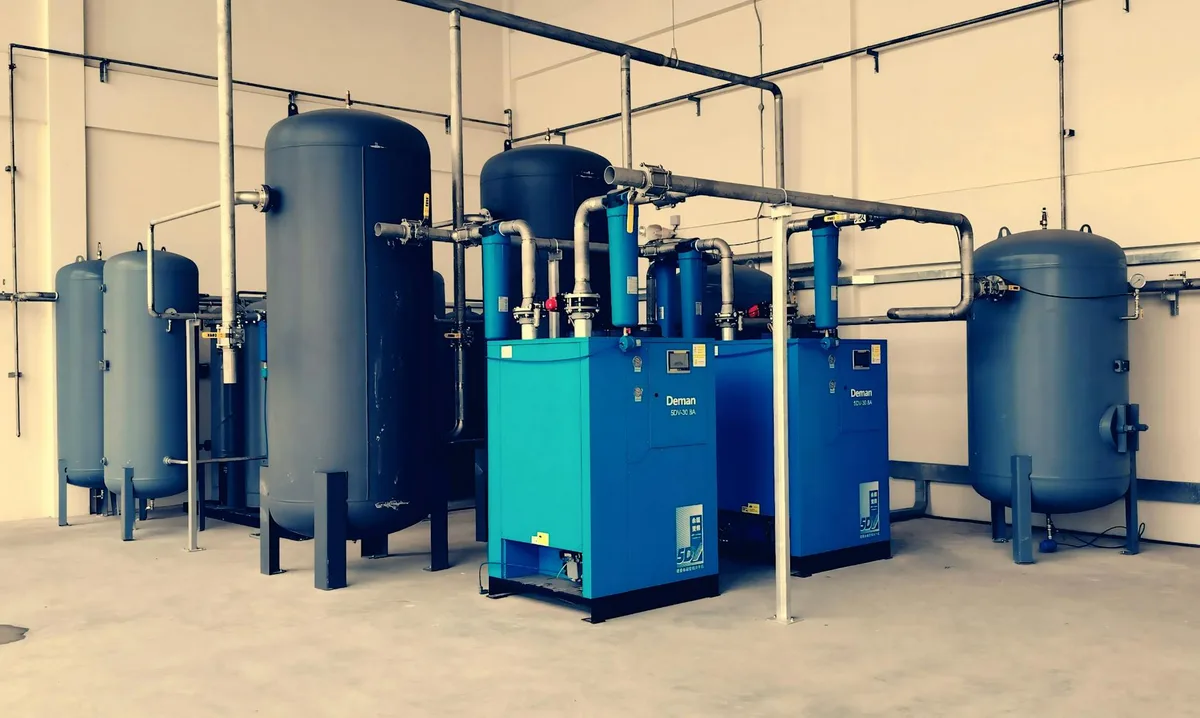
- Motor/Engine: This is the power source, driving the compressor's pump. It could be an electric motor for most workshop models or a gasoline engine for portable, heavy-duty units.
- Pump (Compression Block): This is the heart of the compressor, where the actual compression of air occurs. It contains the pistons, cylinders, valves, or rotating screws that do the work.
- Air Receiver Tank: A sturdy metal vessel designed to safely hold the compressed air. Its size determines how much air can be stored, impacting how long you can run tools before the compressor cycles back on.
- Pressure Switch: This essential safety and control device monitors the pressure within the receiver tank. It automatically turns the motor off when the maximum pressure is reached and turns it back on when the pressure drops below a pre-set minimum, ensuring consistent air supply.
- Pressure Gauge: Provides a visual reading of the current air pressure inside the tank.
- Safety Relief Valve: A non-negotiable safety feature, mandated by standards like the ASME Boiler and Pressure Vessel Code. It automatically releases air if the tank pressure exceeds a safe limit, preventing dangerous over-pressurization.
- Drain Valve: Located at the bottom of the receiver tank, this valve allows you to regularly drain condensed moisture, which is a byproduct of air compression. More on why that's important later.
- Air Filter: Found at the air intake, it keeps dust, dirt, and other airborne particles out of the compressor's internal mechanisms, protecting the pump and ensuring cleaner output air.
Different Types of Air Compressors and How They Function
While the core principle remains consistent, there are several fundamental types of air compressors, each designed for different applications and performance needs. The two most common types you'll encounter are reciprocating piston compressors and rotary screw compressors. Knowing the difference helps you pick the right tool for the job.
Reciprocating Piston Compressors: The Workhorses
Piston compressors are probably what most people picture when they think of an air compressor. They're incredibly common in home workshops, auto repair shops, and smaller industrial settings. They work much like a car engine, but in reverse, using pistons to compress air instead of generating power from combustion.

Inside the pump, a crankshaft, driven by the motor, moves one or more pistons up and down within cylinders. On the downward stroke (suction), an intake valve opens, drawing air into the cylinder. On the upward stroke (compression), the intake valve closes, and the piston squeezes the air. Once the desired pressure is reached, an exhaust valve opens, and the compressed air is pushed into the receiver tank.
This cycle repeats over and over.
Single-Stage vs. Two-Stage Piston Action
The "stage" refers to how many times the air is compressed before it reaches its final pressure.
- Single-Stage Compressors: These units compress the air once. The piston moves down, draws in air, then moves up to compress and discharge it directly into the tank. They typically reach pressures around 120-135 PSI and are excellent for general DIY tasks and smaller workshops.
- Two-Stage Compressors: These models compress the air twice for higher pressures and better efficiency. Air is first compressed to an intermediate pressure by a larger piston, then it's cooled (usually by an intercooler), and finally, a smaller, second piston compresses it to a much higher pressure, often up to 175 PSI. This design is preferred for demanding industrial applications requiring higher pressures and continuous use, as of 2026.
Oil-Lubricated vs. Oil-Free Designs
Another key distinction in piston compressors is how their internal components are lubricated.
- Oil-Lubricated Compressors: These use oil to lubricate the moving parts of the pump, much like a car engine. The oil reduces friction, helps dissipate heat, and ensures durability. They tend to be quieter and last longer, but require regular oil changes and can introduce trace amounts of oil into the compressed air, necessitating filters for sensitive applications.
- Oil-Free Compressors: These use materials like PTFE (Teflon) coatings on the piston and cylinder walls, eliminating the need for oil. They produce oil-free air, which is crucial for applications like painting, food processing, or medical use where oil contamination isn't acceptable. However, they can be noisier and may have a shorter lifespan compared to their oil-lubricated counterparts.
Rotary Screw Compressors: The Industrial Powerhouses
When you step into a large manufacturing plant or an industrial facility, you'll most likely find rotary screw compressors at work. These units are designed for continuous operation and deliver a constant, high volume of compressed air with incredible efficiency. They're typically much quieter than piston compressors, especially the larger models.
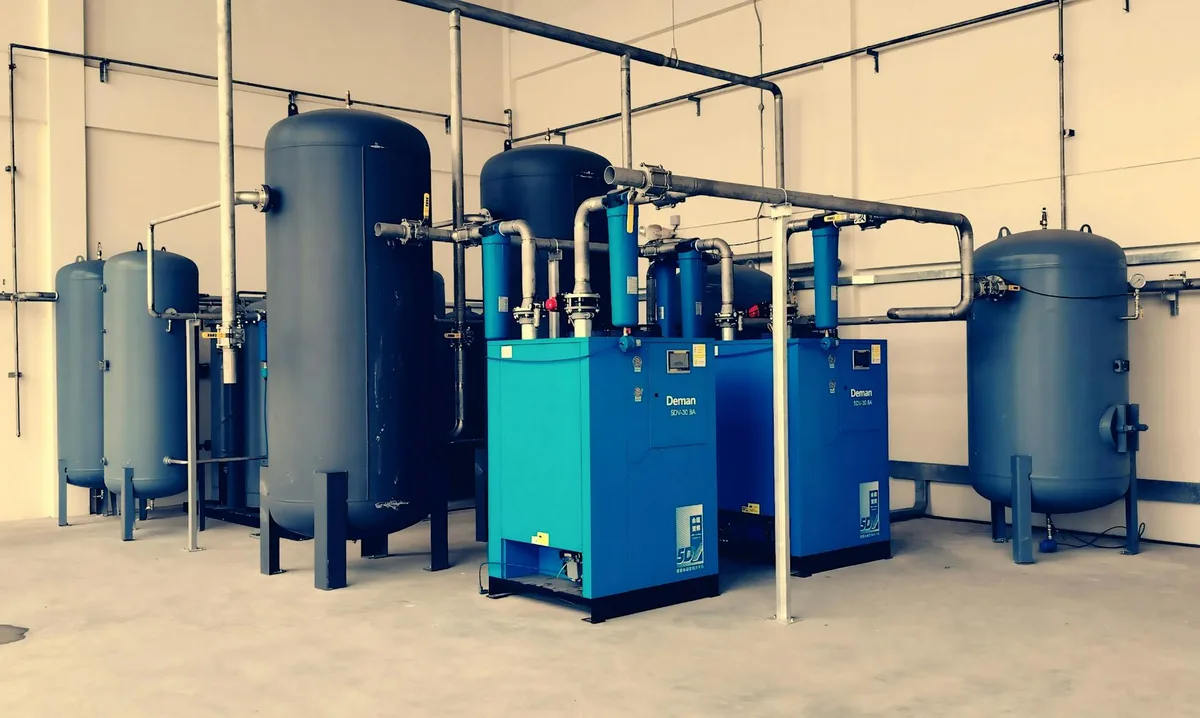
Instead of pistons, rotary screw compressors use two interlocking helical rotors (screws) that rotate in opposite directions. As these screws turn, they trap air in the ever-decreasing spaces between the rotor lobes and the housing. This continuous reduction in volume steadily compresses the air until it reaches the discharge port. The process is smooth and continuous, leading to less pulsation in the air output.
They come in both oil-injected (more common for large industrial uses) and oil-free variants, with the oil-injected versions using oil not just for lubrication but also to seal the rotors and cool the compression process.
What Happens After Compression: Preparing the Air for Use
Getting the air compressed is only part of the story; what happens next is just as crucial for effective and safe operation. The air that comes directly out of the compressor pump is hot and full of moisture, which isn't ideal for most tools or processes. That's why additional components are often used to treat the air.
Air Storage: The Receiver Tank
The air receiver tank, often called the air tank, is more than just a storage vessel. It plays several critical roles in the compressed air system.
- Storage: Its primary function is to store a reserve of compressed air. This allows the compressor motor to cycle on and off less frequently, extending its lifespan and saving energy. A larger tank provides a longer run time for tools before the compressor needs to kick back on.
- Pulsation Dampening: The tank helps smooth out the pulsations that come from the compressor pump, especially piston types, providing a more consistent and even airflow to your tools.
- Initial Cooling & Condensation: As the hot, compressed air enters the cooler tank, it naturally starts to cool down. This cooling causes some of the water vapor in the air to condense into liquid water, which collects at the bottom of the tank. This is why regularly draining your tank is so important.
Dealing with Moisture: Aftercoolers and Air Dryers
Moisture is the enemy of compressed air systems. It can rust tools, contaminate paint jobs, and freeze in cold weather, blocking air lines. Getting rid of it is a top priority.

- Aftercoolers: These are heat exchangers designed to rapidly cool the hot, compressed air immediately after it leaves the compressor pump and before it enters the receiver tank. By dropping the air temperature significantly, aftercoolers cause a large amount of water vapor to condense into liquid. This liquid water is then automatically or manually drained away, preventing it from entering the tank or downstream equipment.
- Air Dryers: For applications that require very dry air, like painting or specialized manufacturing, an air dryer is essential.
- Refrigerated Air Dryers: These work much like a refrigerator, cooling the compressed air to near-freezing temperatures. This causes almost all remaining water vapor to condense into liquid, which is then separated and drained.
- Desiccant Air Dryers: For extremely dry air (very low dew point), desiccant dryers use absorbent materials (desiccants) that chemically attract and hold water vapor. These systems often have two towers, with one drying the air while the other regenerates, ensuring continuous dry air.
Cleaning the Air: Filters and Separators
Beyond moisture, compressed air can still contain oil aerosols (from oil-lubricated compressors) and tiny particulate matter. Filters and separators are used to clean the air further.
- Oil/Water Separators: These devices are installed downstream from aftercoolers or refrigerated dryers. They physically separate the condensed water from any oil that might be present (especially in oil-lubricated systems), making it easier and safer to dispose of the waste.
- Air Line Filters: Often installed directly before the point of use or after the air dryer, these filters remove solid particulates, dust, and any remaining oil aerosols. Different filter grades are available for various levels of cleanliness, ensuring the air delivered to your pneumatic tools or processes is clean and appropriate for the task.
Why Understanding This Matters: Use Cases and Benefits
Knowing how an air compressor works isn't just academic; it directly impacts how you choose, use, and maintain these machines for maximum benefit. Compressed air is a versatile power source, powering a huge range of applications that electric or hydraulic systems might find less practical.
Think about the sheer force a pneumatic impact wrench can deliver, something a cordless drill struggles to match. The stored energy in compressed air allows for instantaneous, powerful bursts of work. For manufacturing lines, a steady, clean supply of compressed air is critical for everything from operating automated machinery to painting components.
Here are some key benefits and typical scenarios where air compressors shine:
- Powering Pneumatic Tools: This is perhaps the most common application, from nail guns and grinders in construction to spray guns for painting and sandblasters for surface prep. Pneumatic tools often offer a better power-to-weight ratio and greater durability than their electric counterparts.
- Inflation Tasks: Whether it's vehicle tires, sports equipment, or inflatable structures, an air compressor makes quick work of inflation.
- Cleaning and Blowing: A simple air nozzle can effectively clear dust, debris, and water from surfaces or machinery.
- Industrial Processes: Beyond tools, compressed air is fundamental for pneumatic conveying systems, operating automated valves and cylinders, and even aeration in water treatment plants.
- Energy Storage: The air receiver tank essentially acts as a battery for kinetic energy. This allows the compressor to store energy during off-peak demand and deliver it instantly when needed.
Common Problems & Troubleshooting Tips (Related to Operation)
Even with robust design, air compressors can run into issues. Many common problems stem from not understanding the basic operational principles. Addressing these often involves checking the key components we've discussed.
Why is my compressor constantly running or short cycling?
If your compressor runs almost continuously or kicks on and off very rapidly, it's usually a sign of a leak or a problem with the pressure switch. Check all fittings, hoses, and the drain valve for audible air leaks. A faulty pressure switch might not be accurately reading the tank pressure or could have incorrect settings, causing the compressor to struggle maintaining pressure.
What causes excessive moisture in my air lines?
Excessive moisture typically indicates that your aftercooler, air dryer, or the simple act of draining the tank isn't doing its job effectively. As mentioned, compressing air generates a lot of water vapor. If this isn't removed, it will condense in your air lines and tools. Ensure you're draining the tank daily, and consider adding or inspecting an aftercooler or refrigerated air dryer for better moisture control, especially in humid environments.
Why is the compressor overheating?
Overheating can result from inadequate ventilation around the compressor, low oil levels (for oil-lubricated models), or continuous operation beyond its rated duty cycle. Always ensure proper airflow around the unit. For piston compressors, consult your owner's manual for the recommended duty cycle, which is the percentage of time a compressor can run in a given period without overheating.
Is low air pressure a common issue?
Low air pressure or a significant drop in pressure when tools are running can point to several things. It might mean your compressor isn't adequately sized for your tools' CFM requirements. Clogged air filters restrict intake, reducing the compressor's ability to build pressure efficiently. Leaks in your air lines or worn piston rings in the pump can also cause pressure loss.
Keeping Your Compressor Running Smoothly: Basic Maintenance Insights
Regular maintenance isn't just about extending the life of your air compressor; it's about ensuring it operates safely and efficiently. Many maintenance tasks are simple and can prevent major headaches down the road.
- Drain the Air Tank Daily: This is perhaps the most important routine task. Condensed water collects at the bottom of the receiver tank. If left undrained, it promotes rust inside the tank, weakening its integrity and potentially leading to catastrophic failure.
- Check and Change Oil (Oil-Lubricated Models): Just like a car engine, the oil in oil-lubricated compressors needs regular checking and periodic replacement. Refer to your manufacturer's manual for recommended oil types and change intervals, typically every few hundred operating hours.
- Inspect and Replace Air Filters: A dirty air filter restricts airflow, forcing the compressor to work harder and reducing its efficiency. Check the filter regularly and clean or replace it as needed.
- Inspect Belts (Belt-Driven Models): Ensure belts are properly tensioned and show no signs of cracking or fraying. Loose belts reduce efficiency, while damaged belts can fail unexpectedly.
- Check for Leaks: Periodically spray soapy water on all connections, hoses, and the drain valve. Bubbles indicate a leak that needs to be tightened or repaired.
Safety First: Crucial Warnings and Best Practices
Working with compressed air means working with stored energy, and that demands respect and adherence to safety protocols. Ignoring these can lead to serious injury or property damage. The ASME Boiler and Pressure Vessel Code sets stringent standards for pressure vessel design and manufacturing because of the inherent risks.
- Wear Eye and Hearing Protection: Always wear safety glasses or goggles when operating pneumatic tools or draining the tank. Compressed air can propel debris at high speeds. Compressors, especially piston types, can also be very loud, so hearing protection is essential during operation.
- Never Point Air Nozzles at Yourself or Others: Even low-pressure air can cause severe injury, including ruptured eardrums, eye damage, or even air embolisms if directed at open wounds. Treat compressed air with the same caution as a firearm.
- Ensure Proper Ventilation: Compressors, particularly those with internal combustion engines, produce heat and exhaust. Electric models can also generate significant heat. Adequate ventilation prevents overheating and ensures safe air quality.
- Regularly Inspect the Tank and Safety Valve: Never operate a compressor if its safety relief valve appears damaged or doesn't function correctly. Visually inspect the tank for any signs of rust, dents, or damage. Any compromise to the pressure vessel's integrity is a critical safety hazard.
- Read the Manufacturer's Manual: This sounds obvious, but every compressor model has specific operating instructions, maintenance schedules, and safety warnings. Familiarize yourself with your specific unit's guidelines.
FAQs About Air Compressor Operation
Got more questions about how these robust machines really tick? Here are some common queries we hear.