Trying to figure out how much air compressor you need can feel like a puzzle. You want enough power to run your tools without overspending or ending up with a machine that's always playing catch-up. Getting it right means your projects run smoothly, your tools work efficiently, and you don't waste time waiting for the compressor to recover.
The trick is matching the compressor's output to your tools' appetite for air. Every pneumatic tool, from a framing nailer to a spray gun, has specific requirements. We'll walk through how to easily figure out those needs, ensuring you get a compressor that’s perfectly sized for your workshop, whether you're a DIY enthusiast or a professional.
Quick Answer: How Much Air Compressor Do You Really Need?
You need an air compressor that can deliver enough Cubic Feet per Minute (CFM) at the required Pounds per Square Inch (PSI) to continuously power your most demanding air tool, or multiple tools if you plan to use them simultaneously, plus a little extra buffer. For most home workshops, that typically means a compressor offering 4-6 CFM at 90 PSI with a 20-30 gallon tank. Larger professional setups or continuous heavy-duty use, like operating a plasma cutter, will demand significantly higher CFM and tank capacities.
Why "Just Enough" Matters: The Problem with Guessing
Getting the wrong size air compressor is a common pitfall. If your compressor is too small, your tools will run weakly, stutter, or stop altogether as the compressor struggles to keep up. This "tool starvation" not only frustrates you but can also damage your expensive pneumatic tools over time due to inconsistent air pressure.
On the other hand, buying an oversized compressor means you're paying more upfront for power and tank capacity you simply don't need. It also takes up more space and uses more electricity than necessary. The goal is to find that sweet spot, the compressor that perfectly matches your real-world use without any wasted expense or performance issues.
Decoding the Jargon: PSI, CFM, and Tank Size Explained
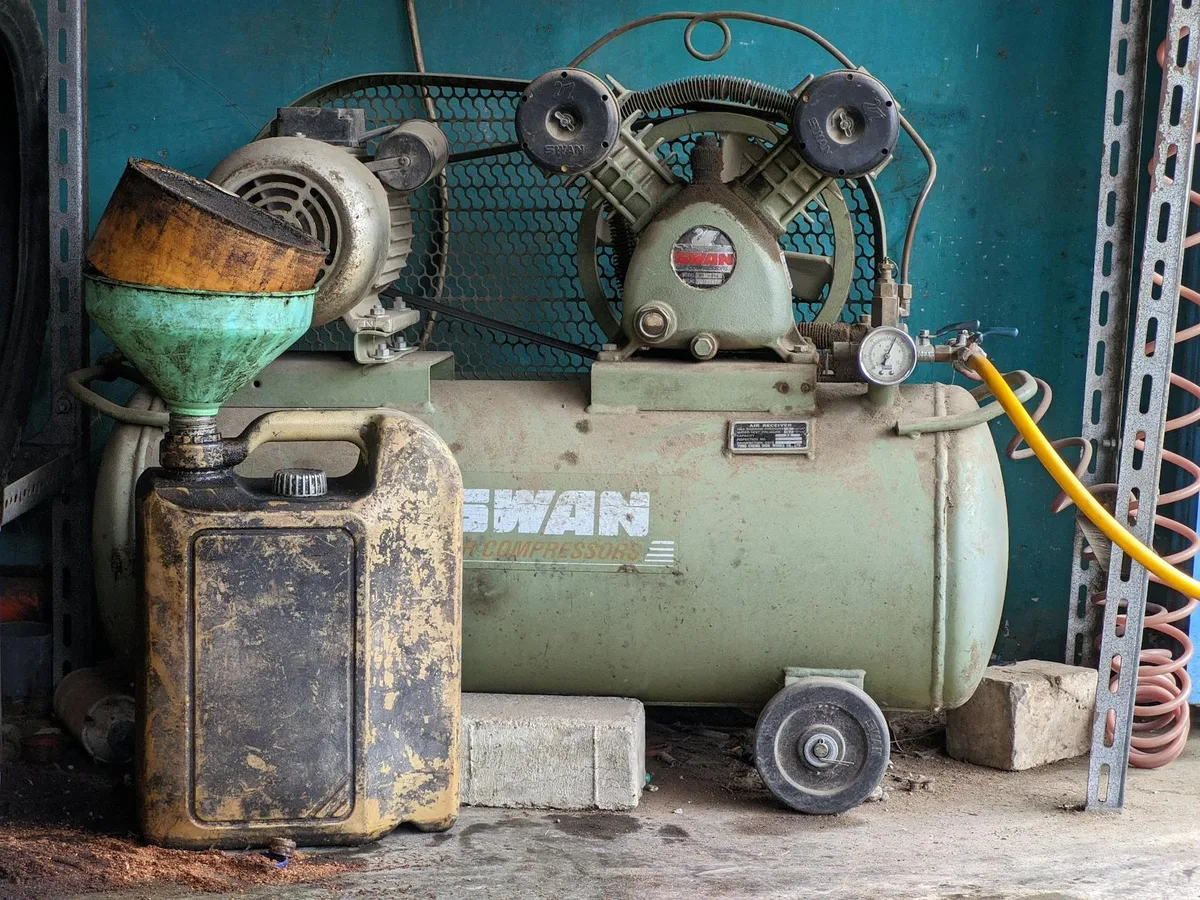
When you look at air compressor specifications, you'll constantly see terms like PSI, CFM, and tank capacity. Understanding these is crucial for making an informed decision. They're not just numbers; they tell you exactly what the compressor can do.
- PSI (Pounds per Square Inch): This measures the pressure of the compressed air. It's essentially the force the air can exert. Most air tools require a certain minimum PSI to operate effectively, with 90 PSI being a common working pressure for many pneumatic tools. A higher maximum PSI means the compressor can store more pressure, useful for high-demand bursts.
- CFM (Cubic Feet per Minute): This is perhaps the most critical measurement for sizing. CFM tells you the volume of air the compressor can deliver each minute. Think of it as how much "air flow" a tool needs to run continuously. It's often rated at a specific PSI, like "6 CFM at 90 PSI." Some manufacturers also list SCFM (Standard Cubic Feet per Minute), which is a standardized measurement adjusted for temperature and atmospheric pressure, providing a more consistent comparison across brands. When comparing compressors, always look at the CFM rating at the same PSI, typically 90 PSI, for an apples-to-apples comparison.
- Tank Capacity (Gallons): This refers to the size of the receiver tank that stores the compressed air. The tank doesn't increase the compressor's air delivery rate (CFM), but it acts like a battery, storing air for quick bursts and allowing the pump to rest between cycles. A larger tank helps provide a more consistent air supply for tools that use air intermittently, reducing how often the compressor motor has to kick on. For tools with continuous air demands, a larger tank simply delays the inevitable moment the compressor needs to start running constantly.
Step 1: List Your Air Tools and Their Demands
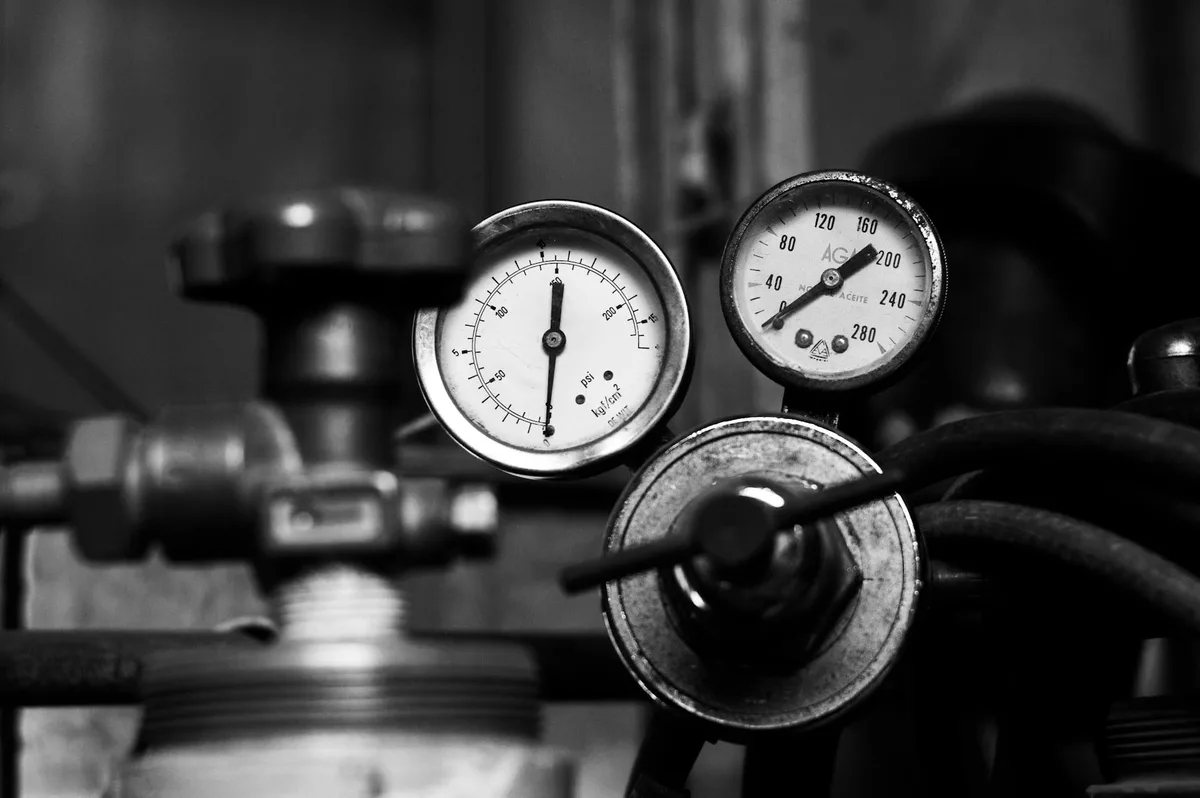
The first, and most crucial, step in sizing your air compressor is to make an inventory of all the air tools you own or plan to use. Don't guess here, be precise. Each tool has specific requirements for both pressure (PSI) and air volume (CFM).
Start by listing every single tool that will connect to your air compressor. This could include:
- Impact wrenches
- Air ratchets
- HVLP spray guns (High Volume Low Pressure)
- Die grinders
- Air sanders
- Framing nailers
- Finish nailers
- Staplers
- Tire inflators
- Blow guns
Once you have your list, you'll need to dig a little deeper to find out exactly what each tool needs to perform its best.
Finding Your Tools' CFM and PSI Requirements
For each tool on your list, you need to find its specific CFM and PSI ratings. This information is usually readily available and often stamped directly on the tool, printed in the user manual, or listed on the manufacturer's website. It's essential to look for the working CFM and PSI, not just the maximum pressure it can withstand. For example, an impact wrench might specify "4.5 CFM at 90 PSI." This means it needs 4.5 cubic feet of air per minute at 90 pounds per square inch to operate correctly.
Here’s what to look for:
- CFM @ 90 PSI: This is the most common and important rating. Many tools specify their needs at 90 PSI, which is a standard benchmark.
- Operating Pressure Range: Some tools might give a range, like "70-100 PSI." Always aim for the middle to upper end of this range for optimal performance.
What to Do If You Can't Find Tool Specs
Sometimes, especially with older tools or those without clear labeling, finding exact specifications can be tricky. Don't worry, you have a few options:
- Manufacturer's Website: This is your best bet. Search for the specific model number. As of 2026, most manufacturers provide detailed specifications online.
- Generic Tool Data: If you absolutely can't find the exact specs, you can often find average CFM and PSI requirements for common tool types online. For instance, most framing nailers typically require around 2.5-3.5 CFM at 90 PSI. Just be aware that these are estimates, and individual tools can vary. When using generic data, it's always wise to round up slightly to ensure your compressor will meet the demand.
- Consult a Retailer: Stores specializing in air tools or compressors often have charts or knowledgeable staff who can help you identify typical requirements for different tool categories.

Step 2: Factor In Your Usage: Intermittent vs. Continuous
Knowing your tools' requirements is just half the battle. How you use those tools significantly impacts the compressor size you'll need. Think about whether you'll be using tools for quick bursts or for extended periods.
The "Duty Cycle" Difference
Compressors aren't designed to run 100% of the time. They have something called a duty cycle, which is the percentage of time a compressor can run continuously within a given period without overheating. For most smaller, home-use piston compressors, this might be around 50%, meaning it can run for 5 minutes and then needs 5 minutes to cool down. Industrial rotary screw compressors, on the other hand, can often handle a 100% duty cycle.
- Intermittent Use: If you're using tools like a framing nailer or tire inflator, which require short bursts of air followed by pauses, your tank size becomes more critical. The tank stores enough air for those quick demands, letting the compressor pump "catch up" during your pauses.
- Continuous Use: Tools like air sanders, die grinders, or paint spray guns demand a constant, steady supply of air. For these, the compressor's actual CFM output is paramount. The compressor needs to be able to produce the required CFM continuously, or it will run non-stop, quickly overheat, and wear out. In this scenario, a larger tank helps, but the compressor's pump capability is the real hero.
How Many Tools Will You Run at Once?
This is a critical question. If you only ever use one air tool at a time, you just need to size the compressor for your single most air-hungry tool. However, if you plan to have multiple people working in your shop, or you're running two tools simultaneously (like a grinder and a nailer), you'll need to add up their combined CFM requirements. It's often smarter to plan for concurrent use, even if it's occasional, to avoid future limitations.
This approach gives you more flexibility down the line.
Step 3: Crunching the Numbers: Calculating Your Total CFM
Now that you know your tools and how you'll use them, it's time to do some simple math. This step helps you arrive at a solid CFM number that your new compressor absolutely needs to meet. We're looking for the total air volume required by your most demanding single tool, or the combined demands of tools running simultaneously.
The Simple CFM Summation Method
If you plan to run multiple tools at once, like a finish nailer and an air ratchet, you'll need to sum up their individual CFM requirements. For example, if your nailer needs 2.5 CFM at 90 PSI and your ratchet needs 4.0 CFM at 90 PSI, you'd add those together for a total of 6.5 CFM at 90 PSI. That's your baseline.
If you'll only ever run one tool at a time, you just need to find the single tool with the highest CFM requirement. That's your critical number. Don't worry about the lower CFM tools, as a compressor sized for the biggest will easily handle the smaller ones.
The "Add 20-30%" Rule for Safety
Once you have your calculated total CFM, always add a buffer. Manufacturer specifications and aggregate user reviews consistently recommend adding an extra 20% to 30% to this number. This buffer accounts for several real-world factors, like pressure drops in your air lines, slight inaccuracies in tool ratings, and the natural wear and tear a compressor experiences over time.
For instance, if your highest single tool or combined tools require 6 CFM at 90 PSI, adding 25% gives you a target of 7.5 CFM. This small margin ensures your tools get consistent air, your compressor doesn't overwork itself, and you have some room for future tool additions. It's much better to have a little too much capacity than not enough.
Step 4: Matching CFM to Compressor Horsepower and Pump Type
Once you have your target CFM, you can start looking at actual compressors. While Horsepower (HP) is often advertised prominently, it's actually secondary to CFM. A higher HP generally means a higher CFM output, but the pump design really determines the efficiency of that conversion. Focus on the CFM @ 90 PSI rating first.
Compressors generally fall into two main pump types: single-stage and two-stage. Each has its advantages depending on your needs. Understanding the difference helps you pick a machine built for your workflow.
Single-Stage vs. Two-Stage Compressors: Why It Matters for Continuous Use
The "stage" refers to how many times the air is compressed.
- Single-Stage Compressors: These are common in smaller, more affordable units suitable for home use and intermittent tasks. The pump compresses the air once, sending it directly to the tank. They typically produce lower CFMs and can reach pressures up to around 135 PSI. They're great for nail guns, tire inflation, and light painting where you have pauses in use.
- Two-Stage Compressors: These are built for higher demands and more continuous use, often found in professional shops. Air is compressed in a first stage, then cooled, and then compressed again in a second, smaller piston. This process allows them to generate higher CFMs and pressures (up to 175 PSI or more) much more efficiently, with less heat buildup. If you're running air-hungry tools like sanders or plasma cutters for extended periods, a two-stage compressor is almost always the right choice. It simply won't overheat and wear out as quickly.
Step 5: Sizing the Tank: Storage for Consistent Airflow
The air compressor tank, or receiver tank, is essentially a storage vessel for compressed air. Its size is measured in gallons. While it doesn't change the CFM output of the pump, a larger tank certainly improves the overall usability and consistency of your air supply, especially for tools that don't run constantly.
How Tank Size Impacts Recovery Time and Consistent Pressure
Imagine your tank as a buffer. When you pull the trigger on an air tool, air rushes out of the tank. If the tank is small, the pressure drops quickly, and the compressor pump has to kick on sooner and run longer to refill it. This is called recovery time.
A larger tank means:
- Longer Tool Run Time: You get more consistent air for a longer period before the pressure drops enough for the pump to restart.
- Reduced Cycling: The compressor motor doesn't have to cycle on and off as frequently, which reduces wear and tear, noise, and energy consumption.
- Smoother Operation: For tools like spray guns that need a very consistent air supply, a larger tank helps smooth out any minor fluctuations in pressure.
For intermittent tools, even a smaller 6-gallon "pancake" compressor might be fine. For continuous tools or multiple users, you'll want at least a 30-gallon tank, often much larger, depending on the required CFM.
When Portability Trumps Tank Size
Sometimes, the practicalities of your workspace dictate the tank size. If you need to move your compressor around frequently, say from your garage to a job site, a smaller, more portable tank (typically 6-20 gallons) becomes more important than having a huge reserve. You'll sacrifice some continuous run time, but gain the invaluable benefit of mobility.
For stationary shops where the compressor stays in one spot, opting for a larger tank is almost always beneficial. It provides a more robust and relaxed air system.
Step 6: Powering Up: Voltage and Amperage Considerations
Beyond CFM and tank size, you need to consider the electrical requirements for your compressor. Compressors come in various voltages, and plugging them into the wrong outlet can lead to tripping breakers, poor performance, or even electrical damage.
Most smaller, portable compressors run on standard 120-volt (V) household current. These are typically fine for modest CFM needs. However, as you move into larger, more powerful compressors, especially those with higher horsepower motors (2 HP and above), they often require 240-volt (V) power.
Key things to check:
- 120V vs. 240V: Ensure your intended outlet matches the compressor's voltage requirement. You might need to install a dedicated 240V circuit for a larger unit.
- Amperage (Amps): The compressor will also have an amperage rating. Make sure your circuit breaker can handle this load. A compressor pulling 15 amps needs a 20-amp circuit, for example, to prevent tripping. You'll typically find this information on the compressor's spec plate or in its manual.
- Dedicated Circuit: For any serious workshop compressor, a dedicated circuit is highly recommended. This prevents other tools or appliances from competing for power and ensures your compressor runs efficiently without issues.
Common Mistakes to Avoid When Sizing Your Compressor
Even with all this information, it's easy to make a few common missteps when picking out an air compressor. Being aware of these pitfalls can save you time, money, and frustration down the road. We've seen these problems surface repeatedly in user feedback.
The Trap of Undersizing
This is, by far, the most frequent mistake. People often buy a compressor based solely on price or what's on sale, without truly calculating their tool demands. An undersized compressor constantly cycles, struggles to maintain pressure, and can't keep up with your tools. This leads to slow work, poor tool performance, and premature wear on both the compressor and your air tools.
Always round up your CFM calculations, and consider adding that 20-30% buffer.
Overlooking Moisture Management
Compressed air naturally contains water vapor. When this air cools in the tank and lines, it condenses into liquid water. If you don't manage this moisture, it can rust the inside of your tank, degrade your air tools, and contaminate paint finishes. Many users forget about a proper air dryer or moisture separator.
Always drain your tank regularly, and consider an inline filter/dryer for sensitive applications like painting.
Forgetting About Noise Levels
Air compressors, especially piston-driven models, can be incredibly noisy. A typical home workshop compressor can easily hit 80-90 decibels (dB), which is like standing next to a loud lawnmower or heavy traffic. If your workshop is close to living areas or you'll be spending long hours nearby, noise level is a serious consideration. Look for "quiet" or "low noise" models, which often feature enclosed pumps or different motor designs, keeping the dB level closer to 60-70.
Expert Tips for a Smooth Compressed Air Setup
Beyond just sizing your compressor correctly, there are several "pro tips" that can significantly improve your compressed air system's performance, longevity, and overall user experience. These insights come from years of practical application and technical understanding. Don't skip these details; they can make a real difference.
Investing in Quality Air Hoses and Fittings
The compressor's power is only as good as the path the air takes to your tools. Cheap, flimsy air hoses can be a huge bottleneck. They can kink easily, restrict airflow, and leak pressure, effectively reducing the CFM that reaches your tool. Look for rubber or hybrid polymer hoses that remain flexible in various temperatures and have a good internal diameter for proper air flow.
Similarly, invest in high-quality quick-connect fittings and couplers. Brass fittings tend to be more durable and create a better seal than cheaper aluminum or steel options. Leaks, even small ones, constantly drain your tank, making your compressor work harder and run more often. Tight connections are key.
Regular Maintenance for Peak Performance
An air compressor is a machine, and like any machine, it needs regular care to perform optimally and last a long time. Skipping maintenance is a surefire way to shorten its lifespan and degrade performance.
Here are a few essential maintenance tasks:
- Drain the Tank: This is non-negotiable. Compressed air creates condensation. If not drained regularly (after every use or daily for heavy use), this water will rust the tank from the inside out, potentially leading to catastrophic failure. You'll typically find a drain valve at the bottom of the tank.
- Check Oil Levels (for oil-lubricated models): Just like a car engine, the pump needs proper lubrication. Check the oil sight glass or dipstick before each use and top it off with compressor-specific oil if needed.
- Clean/Replace Air Filters: The air intake filter prevents dust and debris from entering the pump. A clogged filter restricts airflow, making the compressor work harder. Inspect and clean or replace it regularly.
- Inspect Hoses and Connections: Periodically check all hoses, fittings, and connections for cracks, wear, or leaks. Address any issues promptly.
Frequently Asked Questions About Air Compressor Sizing
It's natural to have more questions when you're looking to buy a new air compressor. Here are some of the most common ones that crop up in workshops and forums.
Can I use a smaller compressor with a larger tank?
Yes, you can often use a smaller CFM compressor with a larger air tank, but it won't increase the rate at which the compressor produces air. A larger tank will provide a longer reserve of air for intermittent tools, meaning the compressor won't cycle on as frequently. However, for continuous-demand tools, the larger tank will only delay the point at which the small compressor eventually runs constantly to keep up. It's a trade-off between pump output and storage.
What's the difference between CFM and SCFM?
CFM (Cubic Feet per Minute) measures the volume of air delivered. SCFM (Standard Cubic Feet per Minute) is CFM corrected to a specific standard temperature and atmospheric pressure (typically 68°F and 14.7 PSIA). SCFM offers a more consistent and comparable measurement across different compressor models and environmental conditions, making it a better metric for direct comparison in our research. Most manufacturers will list one or both, but SCFM at a given PSI is generally the more accurate number to compare.
Is a higher PSI always better?
No, a higher maximum PSI isn't always better for every application. While a higher PSI allows the compressor to store more air in the tank, providing more energy for quick bursts, your air tools only need a specific PSI to operate. An air pressure regulator is used to dial down the pressure to the tool's requirement, so having a massive maximum PSI doesn't offer a direct benefit if your tools only need 90 PSI. Focus on the CFM at your working PSI first.
Your Personalized Compressor Decision Guide
By now, you've got all the pieces to make an informed decision about your next air compressor. This isn't a one-size-fits-all purchase, so let's quickly recap the decision-making flow to solidify your choice. Think of this as your personal checklist to avoid common mistakes and ensure you get the perfect fit.
- Identify ALL Your Air Tools: List every single pneumatic tool you own or plan to use.
- Find Specific CFM and PSI Demands: Look up the exact requirements for each tool, especially the CFM at 90 PSI. If you can't find it, use reliable averages and round up.
- Determine Your Usage Pattern: Will you run tools intermittently (nail guns) or continuously (sanders)? Will you run multiple tools at once?
- Calculate Your Total CFM Need:
- For single-tool use: Use the highest CFM requirement from your list.
- For simultaneous use: Add up the CFM requirements of all tools that might run at the same time.
- Always add a 20-30% safety buffer to your calculated CFM.
- Choose Pump Type Based on Continuity:
- Single-stage: Good for intermittent home/DIY tasks.
- Two-stage: Essential for continuous professional use and high CFM demands.
- Select Tank Size for Reserve & Recovery:
- Smaller tanks (6-20 gallons): Suitable for portability and very intermittent use.
- Medium tanks (20-60 gallons): Good for most home workshops and mixed use.
- Large tanks (60+ gallons): Ideal for professional shops, continuous tools, and reducing compressor cycling.
- Verify Electrical Requirements: Ensure your electrical supply can handle the compressor's voltage and amperage. Plan for a dedicated circuit if needed.
By following these steps, you won't just buy "an" air compressor, you'll buy the right air compressor for your specific needs. You'll ensure your tools have the consistent, reliable power they need to perform their best, making your projects smoother and more efficient.