Most car batteries last between 3 and 5 years, depending on usage, climate, and maintenance habits.
If you've ever turned the key on a cold morning and heard nothing but a sad click, you already know how much we rely on a healthy car battery. It's one of those parts we don't think about until it fails, but understanding the expected life of a car battery can save you from frustrating breakdowns, unexpected costs, and even safety issues. Over the years, I've tested dozens of batteries, helped friends troubleshoot dead starts, and learned what really makes a battery last longer. Let me walk you through everything you need to know, so you can plan ahead and keep your car running smoothly.
Understanding the Expected Life of a Car Battery
The expected life of a car battery typically falls within the 3 to 5 year range, though some premium models can stretch to 6 years under ideal conditions. This lifespan refers to how long the battery can reliably hold a charge and deliver the power needed to start your engine and run electrical components.
Think of a car battery like a rechargeable water bottle. Every time you use it, a little bit of capacity fades. Over time, it simply can't hold as much energy as it once did. That's the natural aging process, and it's influenced by several real-world factors.
Key Factors That Affect Car Battery Longevity
Several things can either shorten or extend your battery's life. Here's what really matters based on both research and hands-on experience:
- Climate and temperature extremes (especially heat)
- Driving habits and frequency of use
- Quality and brand of the battery
- Vehicle electrical load and parasitic drains
- Maintenance and cleaning practices
Climate and Temperature
Heat is a battery's worst enemy. While cold weather makes weak batteries more obvious, it's actually high temperatures that accelerate internal corrosion and fluid evaporation. I once owned a car in Arizona where my battery barely made it to 2.5 years, while the same battery brand lasted over 5 years in my garage back in a milder climate. Extreme cold can also reduce cranking power temporarily, but the long-term damage usually comes from heat cycles.
Driving Habits
Short trips are tough on batteries. If you only drive a mile to the grocery store, your alternator doesn't have enough time to fully recharge what the start used up. Over months, this creates a chronic low state of charge, which sulfates the plates and permanently reduces capacity. Long, steady drives are much better for battery health.
Battery Quality
Not all batteries are built the same. Premium batteries with higher cold cranking amps (CCA) and reserve capacity often outlast budget options by a year or more. From my experience, investing in a mid-to-high-tier battery from a reputable brand almost always pays off in the long run.
Parasitic Drains
Modern cars have computers that keep working after you park. A stuck relay, a faulty light, or an aftermarket accessory can slowly drain your battery overnight. I've seen parasitic draws as small as 50 milliamps kill a battery in just a few days if the car sits unused.
Signs Your Battery Is Nearing the End
Before a battery fails completely, it usually gives you warning signs. Catching these early can save you from being stranded:
- Slow engine cranking on cold mornings
- Dim headlights or flickering interior lights
- Dashboard battery warning light
- Swollen or bloated battery case
- Sulfur or rotten egg smell under the hood
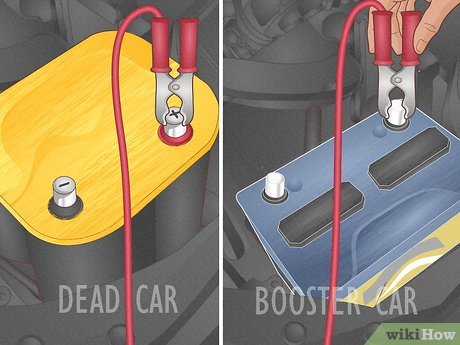
- Need to jump-start more than once in a short period
I remember one winter when my car took a full extra second to start. I ignored it for a week, and the next morning, it wouldn't start at all. That $10 lesson taught me to act on the early signs.
How to Maximize Your Car Battery's Life
You can't stop time, but you can definitely slow it down. Here's what actually works:
- Drive your car regularly for at least 20–30 minutes to allow full recharging
- Keep the battery terminals clean and free of corrosion
- Secure it tightly to prevent vibration damage
- Avoid deep discharges by turning off lights and accessories when the engine is off
- Test the battery annually after the 3-year mark
- Park in a garage or shaded area to minimize temperature swings
If you live in a hot climate, consider a heat shield or an AGM (absorbent glass mat) battery, which handles heat much better than traditional flooded batteries.
Different Battery Types and Their Expected Life
Battery technology has come a long way, and the type you choose matters:
- Flooded lead-acid batteries: 3–5 years, most common and affordable
- AGM batteries: 4–6 years, better performance and vibration resistance
- EFB batteries: 4–5 years, designed for start-stop vehicles
- Lithium-ion car batteries: 5–8 years, lighter but less common and more expensive
For most daily drivers, a quality AGM battery is worth the extra cost if you want maximum lifespan and reliability, especially in harsh climates.

When to Replace Your Battery Proactively
Don't wait for a failure. If your battery is over 4 years old and you rely on your car for work or family, replacing it preventively is smart. A new battery typically costs between $100 and $250 installed, which is far cheaper than a tow truck, a missed workday, or being stranded in a bad area at night.
Most auto parts stores offer free battery testing. I recommend getting yours tested every fall before winter, when failures are most common and inconvenient.
Common Myths About Car Battery Life
Let's clear up a few misconceptions I hear all the time:
- A battery will last forever if you don't use the car: Wrong. Sitting unused actually kills batteries faster through sulfation.
- Jump-starting a dead battery fixes it: It only gets you going. The underlying weakness remains.
- All batteries are the same: Quality, plate design, and warranty vary widely.
- Cold weather kills batteries: Cold exposes weak batteries, but heat is what actually damages them.
The Role of Your Alternator
Your alternator charges the battery while the engine runs. A failing alternator can destroy a new one in weeks by either overcharging or undercharging. If your battery keeps dying even after replacement, have the alternator tested. This is one of the most overlooked causes of repeat battery failure.
Environmental Impact and Recycling
Every car battery is nearly 100% recyclable. The lead, plastic, and acid can all be reused. When you replace your battery, the core charge encourages you to return the old one. I always make sure to bring mine back to the auto parts store, where they handle recycling properly. It's the responsible thing to do, and you get back a few dollars on the core charge.
Real-Life Battery Replacement Story
A few years ago, I helped my neighbor replace his battery at home. He bought the cheapest option available, and within 18 months, it was dead. He ended up paying for a tow and a second replacement. The total cost was double what a quality battery would have cost upfront. We replaced the second one with a mid-range AGM, and it's still going strong four years later. Sometimes the cheapest option is the most expensive in the long run.

Frequently Asked Questions About Car Battery Life
How often should I replace my car battery?
Most car batteries need replacement every 3 to 5 years, depending on climate, usage, and battery type. If your battery is over 4 years old, start testing it annually.
Can a car battery last 10 years?
Rarely. While some exceptional cases exist, especially with low-mileage garage-kept vehicles, the average battery does not reach 10 years. AGM batteries in mild climates might approach 7–8 years, but 10 is very unusual.
Does short trips drain car battery?
Yes, short trips prevent the alternator from fully recharging the battery after starting. Over time, this leads to chronic low charge and permanent damage. Try to drive at least 20 minutes occasionally to keep it healthy.
What drains a car battery when the car is off?
Parasitic drains from clock, alarm, computers, and faulty components can slowly discharge the battery. A normal parasitic draw is under 50 milliamps. Anything higher needs to be diagnosed.
How do I know if my battery or alternator is bad?
If the car dies while driving or the battery light comes on, the alternator is likely failing. If the car starts fine but dies later, a battery test will confirm if it's the battery. Many auto parts stores test both for free.
Is it worth buying a premium car battery?
For most drivers, yes. Premium batteries last longer, perform better in extreme weather, and often come with better warranties. The extra cost upfront usually pays for itself.
Conclusion
The expected life of a car battery typically ranges from 3 to 5 years, but your habits and choices can push that number higher or lower. Pay attention to warning signs, invest in quality, and take simple steps to maintain your battery. A little care today prevents a lot of frustration tomorrow. Take 10 minutes this month to check your battery's age and terminals, and you'll be ahead of most drivers on the road. Stay proactive, and your car will thank you every time you turn the key.