A car battery stores electrical energy and powers your vehicle's starter, lights, and electronics, making it the heart of every drive.
You might not think about your car battery often, but without it, your vehicle is just a heavy metal box sitting in the driveway. I learned this the hard way during a freezing winter morning when my battery decided to call it quits right before an important meeting. That moment taught me that understanding what your car battery does isn't just for mechanics. It's for every driver who wants to avoid being stranded. In this guide, I'll walk you through everything you need to know about how your car battery works, what it actually powers, and how to keep it running strong for years.

The Core Function of a Car Battery
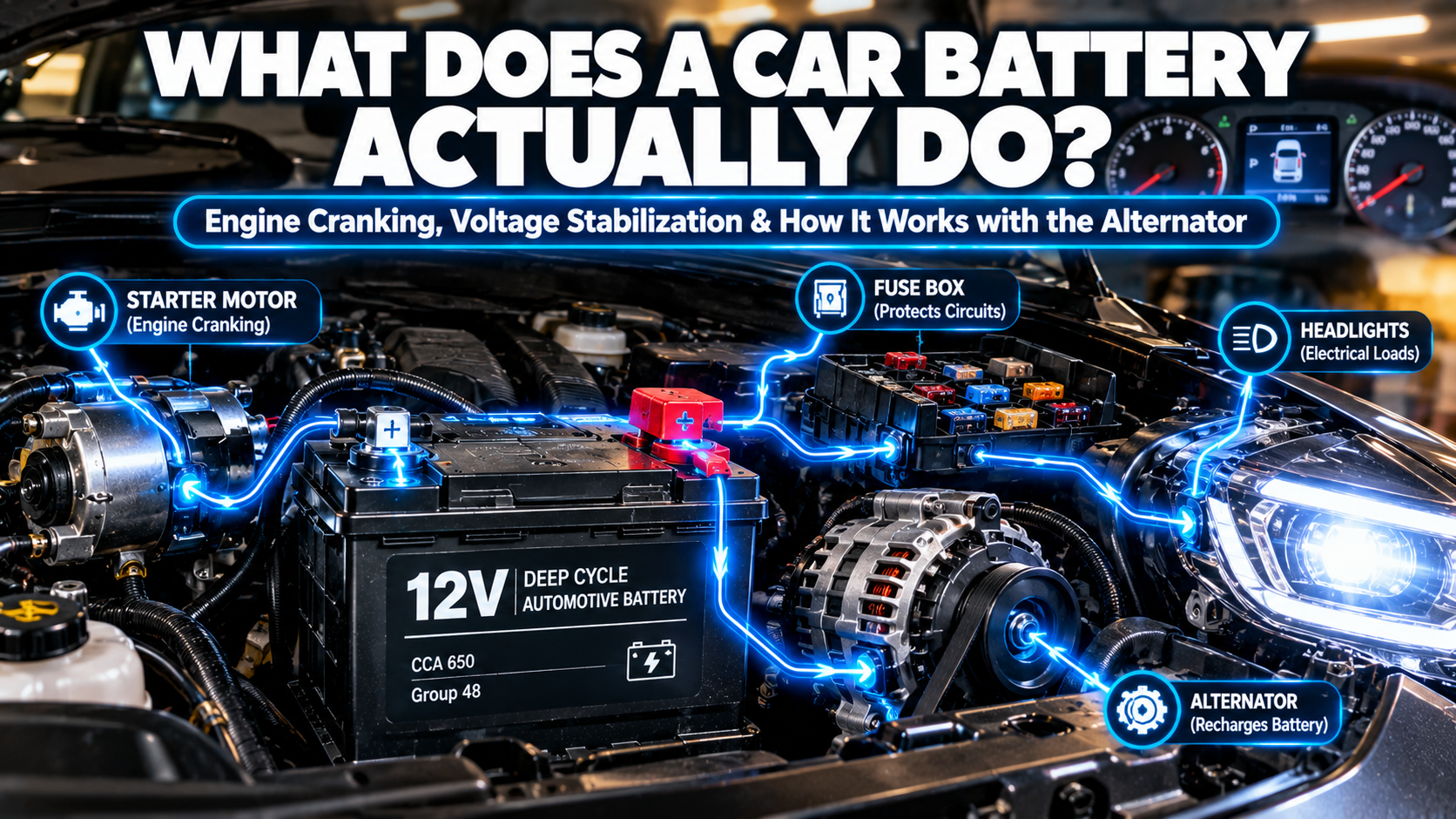
At its simplest, a car battery is a rechargeable energy storage device. Its primary job is to deliver a burst of high current to the starter motor, which cranks your engine to life. Once the engine is running, the alternator takes over and powers your vehicle's electrical systems while also recharging the battery for the next start.
Think of it like a water reservoir. The battery holds energy until you need it, then releases it in one powerful push. Without that push, your engine never wakes up.
But starting the engine is only part of the story. Your battery also serves as a buffer for your car's entire electrical system. When the alternator is under heavy load or momentarily drops output, the battery steps in to keep things running smoothly. This back-and-forth dance between battery and alternator happens thousands of times during a car's life.
How a Car Battery Actually Works
Most car batteries are lead-acid batteries, and they've been the standard for over a century because they're reliable, affordable, and recyclable. Inside the battery are six cells, each producing about 2.1 volts, which together create the familiar 12-volt system your car uses.
Each cell contains lead dioxide plates and sponge lead plates submerged in a sulfuric acid solution. When you turn the key or press the start button, a chemical reaction occurs between these plates and the acid. This reaction releases electrons, and those electrons flow through your car's wiring as electricity.
When you drive, the alternator reverses this process. It pushes current back into the battery, converting the lead sulfate back into lead dioxide and lead, restoring the battery's charge for the next use.
There are also newer battery types worth knowing about:
- AGM (Absorbent Glass Mat) batteries hold the acid in glass mats, making them spill-proof and more vibration-resistant.
- EFB (Enhanced Flooded Batteries) are designed for vehicles with start-stop technology.
- Lithium-ion batteries are starting to appear in some hybrid and performance vehicles, offering more energy in a lighter package.

What a Car Battery Powers
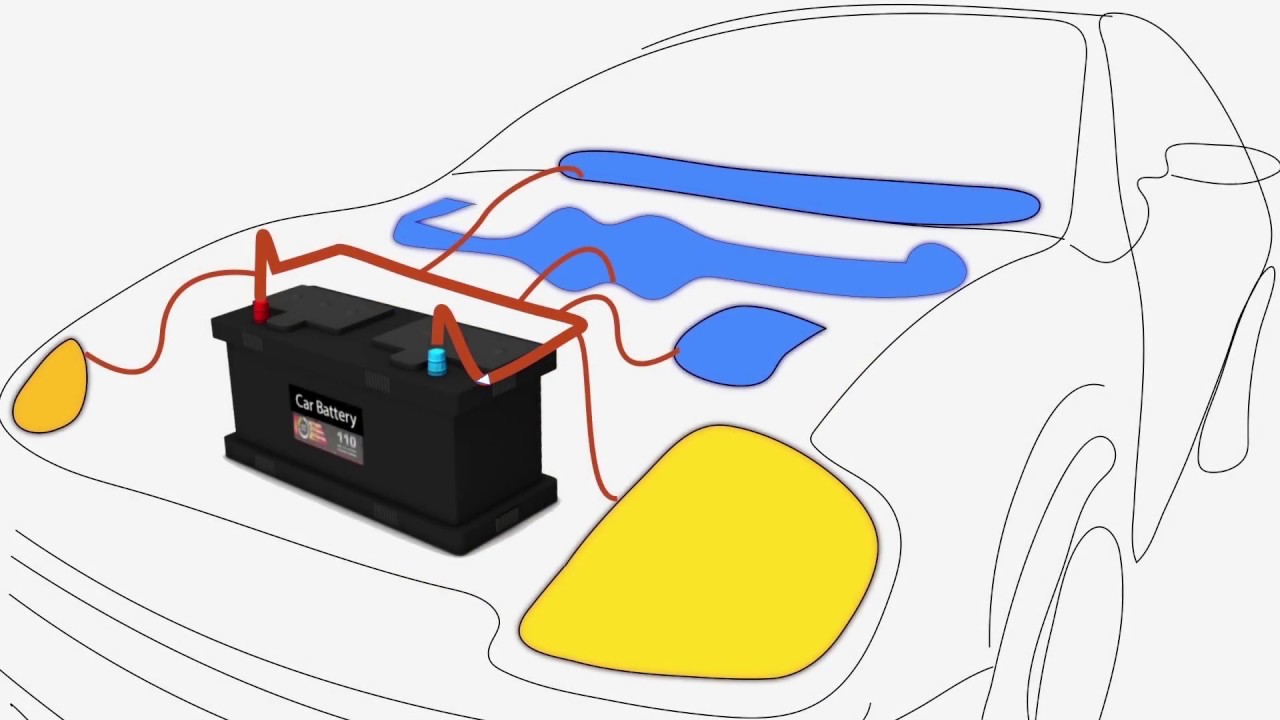
Your car battery is responsible for more than just starting the engine. In fact, modern vehicles rely on battery power for dozens of functions. Here's what your battery handles:
- Starter motor and ignition system
- Headlights, taillights, and interior lights
- Radio, infotainment system, and speakers
- Power windows, locks, and mirrors
- Air conditioning blower and heating controls
- Alarm system and keyless entry
- Sensors, computers, and engine control unit
- Phone chargers, USB ports, and accessory outlets
When the engine is off, the battery is the only power source for all these components. That's why leaving your headlights on overnight is such a classic way to kill a battery. There's no alternator to recharge it, so the battery drains until it can't deliver enough current to start the car.
I've personally made this mistake twice in my life. Once in a grocery store parking lot and once in my own driveway. The good news is that both times a simple jump start got me back on the road. The bad news is that deep discharges like these shorten battery life significantly.
The Relationship Between Battery and Alternator
Many drivers confuse the battery and alternator because they work together. The battery starts the car, and the alternator keeps it running. They are partners, not competitors.
The alternator is a generator driven by the engine via a belt. It converts mechanical energy into electrical energy, producing alternating current that's converted to direct current for your car's system. While the engine runs, the alternator:
- Powers all electrical components
- Recharges the battery
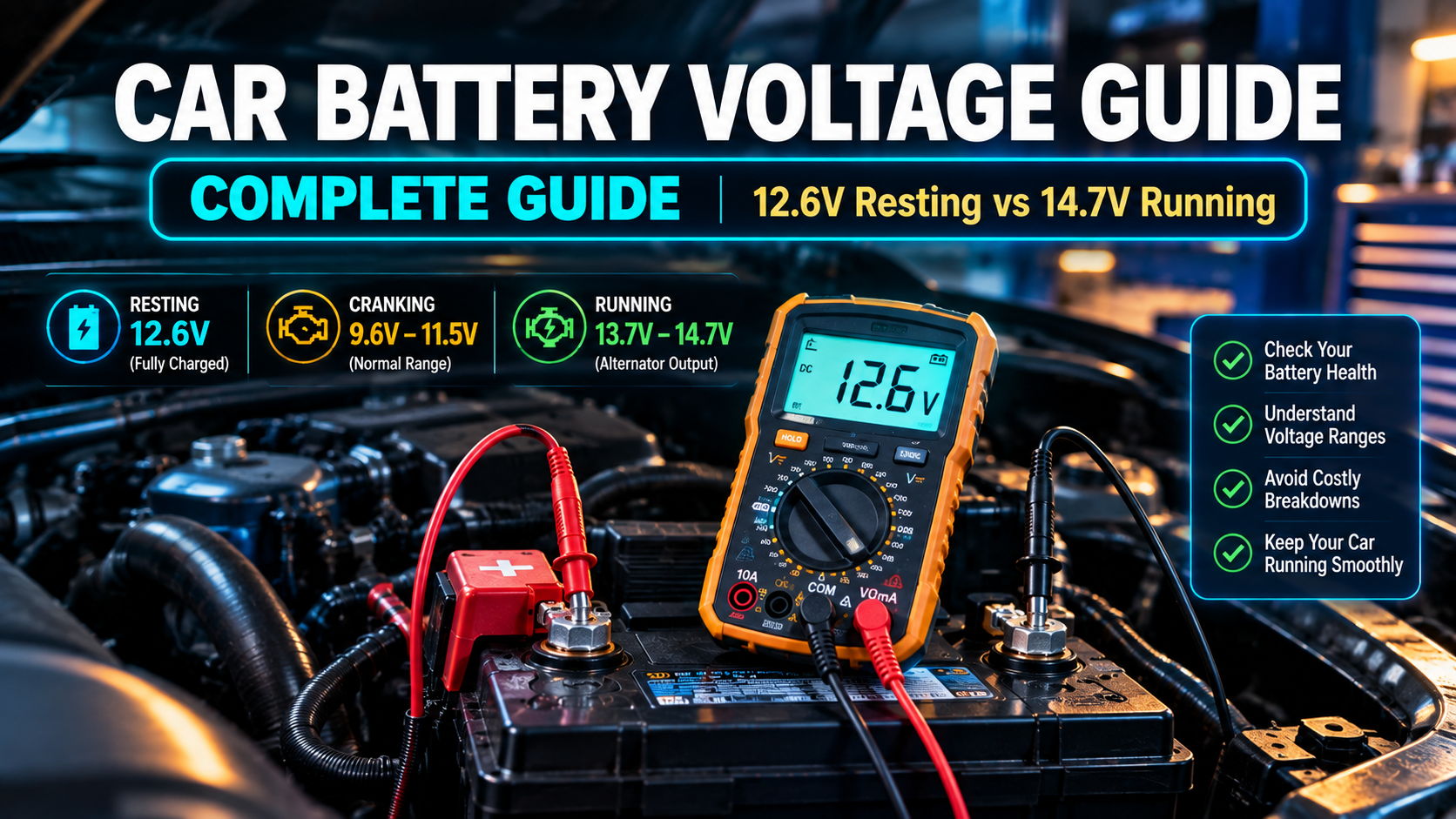
- Maintains system voltage between 13.5 and 14.5 volts
If your alternator fails, your car will run for a short time on battery power alone. But once the battery drains, the engine stops. Conversely, if your battery is dead but your alternator is fine, the car might still run after a jump start until you turn it off. Then it won't restart.
Understanding this relationship helps you diagnose problems. If your car dies while driving, suspect the alternator. If it won't start after sitting overnight, suspect the battery.
Signs Your Car Battery Is Struggling
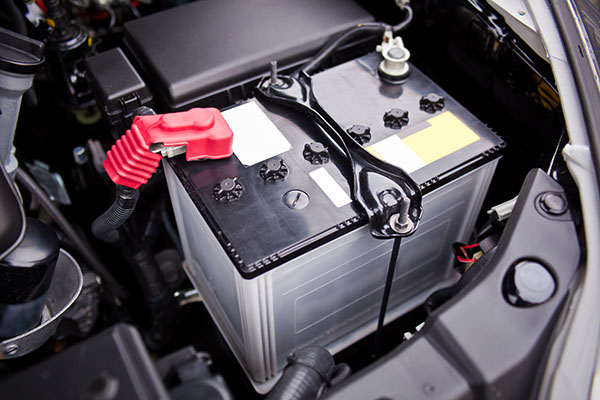
Batteries rarely die without warning. They usually send signals long before they leave you stranded. Over the years, I've learned to watch for these common warning signs:
- Slow engine crank when you try to start
- Dim headlights, particularly when idling
- Dashboard battery warning light
- Swollen or bloated battery case
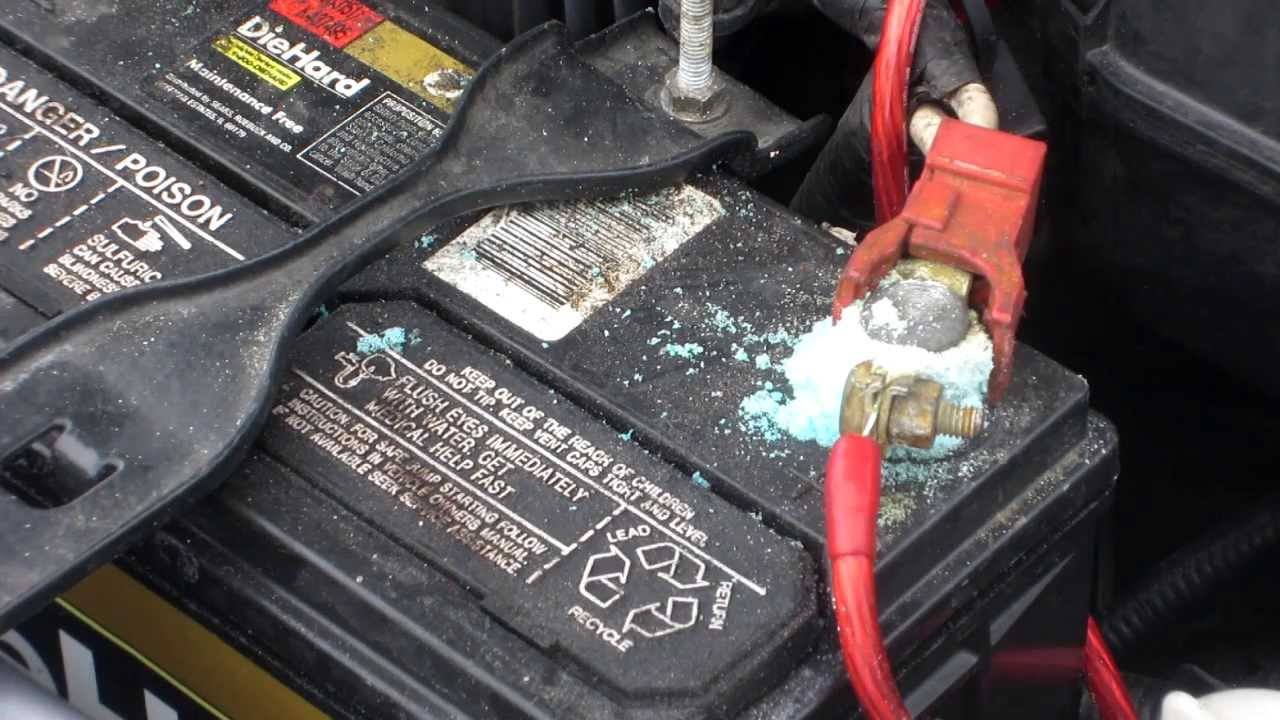
- Corrosion around the terminals (white, blue, or green powder)
- Electrical systems acting erratically
- A sulfur or rotten egg smell near the battery
- Needing frequent jump starts
Most car batteries last between three and five years, though some premium brands can stretch to six or seven. Extreme temperatures, short trips, and heavy electrical loads all shorten battery life. If your battery is over three years old, it's smart to have it tested annually.
I keep a small battery tester in my garage now. It cost me less than thirty dollars and has saved me from being stuck at least twice. You don't need to be a mechanic to check your battery health.

How to Extend Your Car Battery's Life
A few simple habits can add years to your battery's life and save you from inconvenient breakdowns. Here are the practices I follow and recommend:
- Drive your car regularly, at least once a week for 20 minutes or more
- Keep the battery terminals clean and tight
- Avoid short trips that don't give the alternator time to recharge
- Turn off lights, radio, and accessories before shutting off the engine
- Park in a garage during extreme cold or heat
- Disconnect the battery if storing the car for more than a month
- Test the battery annually after the three-year mark
If you live in a region with harsh winters, consider a battery warmer or an insulation blanket. Cold weather reduces battery capacity dramatically. A fully charged battery can lose up to 35 percent of its strength at 32°F and even more at lower temperatures.
For drivers with start-stop technology, the demands on the battery are even higher. These systems require AGM or EFB batteries, and they cycle more frequently. Make sure any replacement matches what your vehicle was designed for.
Types of Car Batteries and How to Choose the Right One
Not all car batteries are created equal. Picking the right one for your vehicle matters more than most people realize. Here's a quick breakdown of the main types and their best uses:
- Flooded lead-acid batteries are the traditional choice, affordable and reliable for most standard vehicles.
- AGM batteries are premium options with better performance, longer life, and resistance to vibration, ideal for cars with start-stop systems and high electrical loads.
- EFB batteries are a middle ground between flooded and AGM, designed specifically for entry-level start-stop vehicles.
- Lithium-ion batteries are lightweight and powerful but expensive, mostly found in performance and electric vehicles.
When shopping for a replacement, you'll see specifications like CCA (Cold Cranking Amps) and RC (Reserve Capacity). CCA measures how well the battery starts in cold weather. Higher numbers mean stronger cold starts. Reserve capacity tells you how long the battery can run accessories if the alternator fails. Choose a battery that meets or exceeds your vehicle manufacturer's recommendations.
Group size matters too. Batteries come in standardized sizes to fit specific battery trays. Using the wrong size can lead to vibration damage or fit into the tank issues.
Common Misconceptions About Car Batteries
Over the years, I've heard plenty of myths about car batteries. Let me clear up a few of the most common ones:
- Myth: You need to run your car before driving it to warm up the battery. Modern engines and batteries don't need this. Idling actually wastes fuel and can leave fuel residues in the engine.
- Myth: A dead battery means you need a new one. Sometimes a battery just needs a proper recharge. Repeated failures usually signal end of life, but one dead morning doesn't mean replacement.
- Myth: Disconnecting the battery resets the car's computer for free. While disconnecting the battery does clear some codes, it also resets your radio presets, clock, and learned engine settings. Modern cars often need a specific relearn procedure afterward.
- Myth: Storing a battery on concrete drains it. This was true decades ago when battery cases were made of hard rubber that could crack. Modern plastic cases don't have this problem.
The Future of Car Batteries
The car battery industry is changing fast. With electric vehicles becoming more common and start-stop systems standard in most new cars, batteries are being asked to do more than ever.
Lithium iron phosphate batteries are gaining traction as a more durable and environmentally friendly alternative to lead-acid. They're already common in many Chinese-market EVs and are starting to appear in accessory batteries for premium vehicles.
Meanwhile, 48-volt mild hybrid systems are becoming the new standard for fuel-efficient vehicles. They use a small lithium-ion battery to assist the gasoline engine, improving efficiency without the full cost of a hybrid system.
Even traditional 12-volt batteries are evolving. New designs feature carbon-enhanced plates that resist sulfation and last longer. Smart batteries with built-in sensors can communicate with your car's computer to monitor health in real time.
Frequently Asked Questions
How long does a car battery typically last?
Most car batteries last between three and five years, depending on climate, driving habits, and maintenance. Extreme temperatures and heavy electrical use can shorten this lifespan significantly.
Can a car battery die while driving?
Yes, though it's rare. If the alternator fails, the car runs on battery power alone until it drains, usually within 30 minutes to an hour. Warning lights typically appear before this happens.
What drains a car battery when the car is off?
Common culprits are interior lights, trunk lights, phone chargers, aftermarket electronics, and parasitic draws from modules that never fully sleep. A healthy battery should handle these for a few weeks, but older batteries may drain faster.
How do I know if it's my battery or alternator?
If the car won't start but the lights and radio work, it's usually the battery. If the car starts but dies shortly after, or if the battery light comes on while running, suspect the ignition system.
Can I jump start a dead battery in the rain?
Yes, jump starting in the rain is safe. The voltage involved isn't enough to be dangerous, and water doesn't affect the connection. Just take normal precautions and avoid touching the clamps together.
Final Thoughts
Your car battery is one of those components you don't appreciate until it's gone. It powers everything from your morning commute to your evening road trip, and it does it all while sitting quietly under the hood. Understanding what it does, how it works, and how to care for it puts you in control. You'll spend less time stranded and more time enjoying the drive. Take a few minutes this week to check your battery terminals, note its age, and consider a quick test if it's been a while. Your future self will thank you the next time you turn the key and your car roars to life without hesitation.
Want to keep learning about car care basics? Subscribe for more guides, tips, and real-world advice from someone who's made every mistake so you don't have to.