Your car's battery gets its power from the alternator, which turns engine motion into electricity while you drive. Without this quiet process happening every time you hit the road, your car would not start the next morning.
If you have ever wondered what keeps that little box under the hood alive, you are in the right place. I have spent years around cars, dealt with dead batteries in parking lots, and learned how the charging system really works. Let me walk you through the full charging system, so you understand exactly what charges your car battery, how it happens, and what can go wrong.
How a Car Battery Charging System Works
The charging system in your car is a team of three main players. Each one has a job, and they all work together while you drive. Knowing these parts helps you understand the whole picture.
The main parts of the system are:
- Battery: stores electrical energy for starting the car and running accessories.
- Alternator: generates electricity while the engine runs.
- Voltage regulator: controls how much voltage the alternator sends to the battery.
When you turn the key, the battery sends power to the starter motor. The engine starts. Then the alternator takes over and starts making electricity. That electricity powers your lights, radio, and other things. At the same time, it sends extra power back to the battery to recharge it. The voltage regulator keeps the power steady, so the battery does not get overcharged or undercharged.
This loop runs every time the engine is on. It is a quiet, automatic process that most drivers never think about until something breaks.
What Charges the Battery in a Car
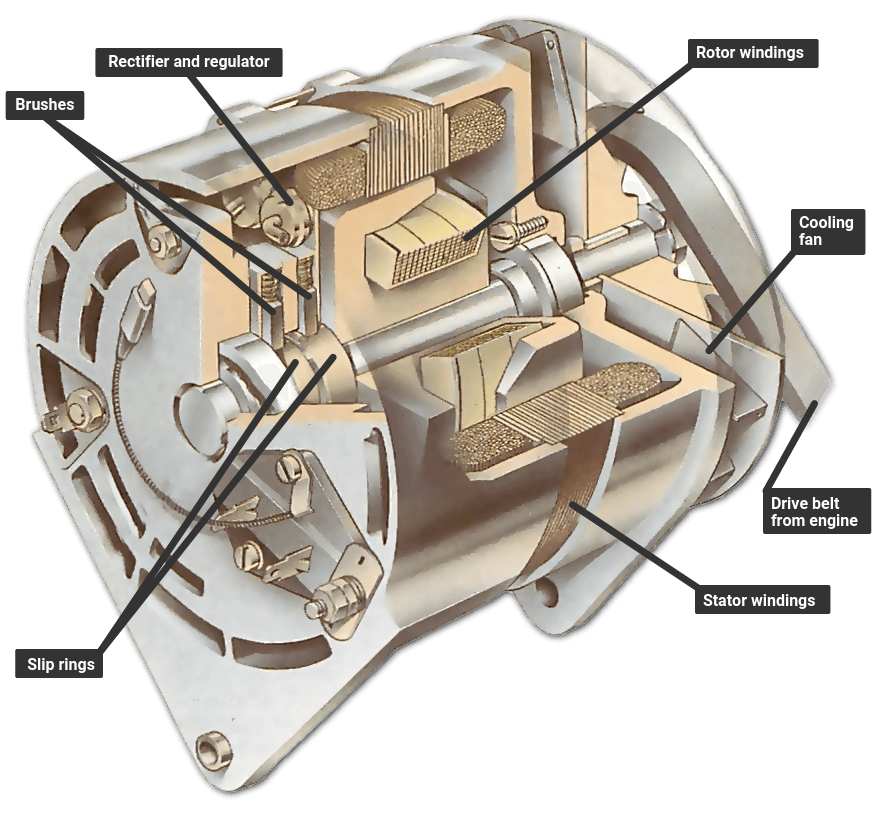
The alternator is the main part that charges your car battery. It is a small generator driven by a belt connected to the engine. As the engine spins, the alternator spins too, and inside it, magnets and copper wires create electrical energy through a process called electromagnetic induction.
Here is what happens step by step:
- The engine turns the crankshaft.
- A belt drives the alternator pulley.
- Inside the alternator, a rotor with magnets spins around a stator with copper windings.
- This spinning creates alternating current (AC).
- A part called the rectifier changes the AC into direct current (DC).
- The DC power goes to the battery and the car's electrical system.
- The voltage regulator makes sure the output stays between 13.5 and 14.5 volts.
A healthy system will send about 13.5 to 14.5 volts to the battery while the engine runs. If you check with a multimeter, that is the number you want to see. Lower than that, and the battery may not be charging well. Higher than that, and you might be overcharging it.
What Happens Before the Alternator Kicks In
Before the engine starts, the battery does all the work on its own. It powers the starter, the fuel pump, and the ignition system. That is why a weak battery makes clicking sounds or slow cranking.
Once the engine starts, the alternator takes over. But the battery is never really "off." It acts like a helper. If you turn on the headlights, AC, or stereo while idling, the battery helps cover the extra load. Then when the engine speeds up, the alternator refills what the battery gave.
Think of it like a water tank. The alternator is the pump filling the tank. The battery is the tank itself. If the pump is weak, the tank stays low. If the tank is old and leaks, the pump cannot keep up.
Common Signs Your Charging System Has a Problem
I have seen many drivers ignore the early signs of a bad alternator or weak battery. Here are the warning signs you should never ignore:
- Battery warning light on the dashboard.
- Dim or flickering headlights.
- Electrical issues like weak power windows or radio cutting out.
- The car stalls shortly after jumping.
- A burning smell from under the hood.
- The battery is swollen or corroded.
One time, my headlights started flickering on a long drive. I thought it was just bad bulbs. It turned out the alternator was failing. I was lucky to make it home before the battery died completely. That experience taught me to check the charging system first, not just the lights.
What Can Drain a Car Battery When the Car Is Off
Even when the car is off, some things can drain the battery. This is called parasitic drain. A small amount is normal, but too much can leave you stranded.
Common causes of parasitic drain include:
- Interior lights left on.
- A trunk light that stays on when closed.
- Aftermarket electronics like alarms or stereos.
- Faulty relays or switches.
- Corroded battery terminals.
If your car sits for a few days and will not start, parasitic drain is one of the first things to check. A healthy battery can handle a small drain for a week or so, but an old battery might die in two days.
How the Voltage Regulator Protects Your Battery
The voltage regulator is a small but important part. It sits either inside the alternator or as a separate unit. Its job is simple: keep the voltage steady.
If the regulator fails, two things can happen:
- Overcharging: too much voltage can boil the battery acid and damage the battery.
- Undercharging: not enough voltage means the battery never fully charges.
In both cases, the battery life drops fast. Most modern cars use smart regulators that adjust output based on battery temperature and charge level. This helps the battery last longer and improves fuel economy by reducing engine load.
How Long Does It Take to Charge a Car Battery While Driving
A common question is how long you need to drive to recharge a battery. The answer depends on how low the battery is and how you drive.
Here is a general guide:
- Idling does very little charging. The alternator spins slowly, so output is low.
- City driving with stop-and-go traffic charges slowly.
- Highway driving at steady RPM charges faster.
- A full charge from dead takes about 8 to 12 hours of driving.
If your battery died from leaving the lights on, a 30-minute highway drive may bring it back enough to start the car. But for a full charge, longer is better. If the battery is very low, using a proper charger is safer than relying on driving alone.
How to Test If Your Alternator Is Charging the Battery
You can do a quick test at home with a digital multimeter. Here is how:
- Set the multimeter to DC voltage.
- Connect the red lead to the positive battery terminal.
- Connect the black lead to the negative battery terminal.
- With the car off, a good battery reads 12.4 to 12.6 volts.
- Start the engine and read again.
- With the engine running, the reading should be 13.5 to 14.5 volts.
If the voltage stays the same with the engine on, the alternator is not charging. If it goes above 15 volts, the regulator may be bad. Either way, it is time to check the system more closely.
Can You Charge a Car Battery Without Driving
Yes, you can charge a car battery without driving. There are a few ways to do it:
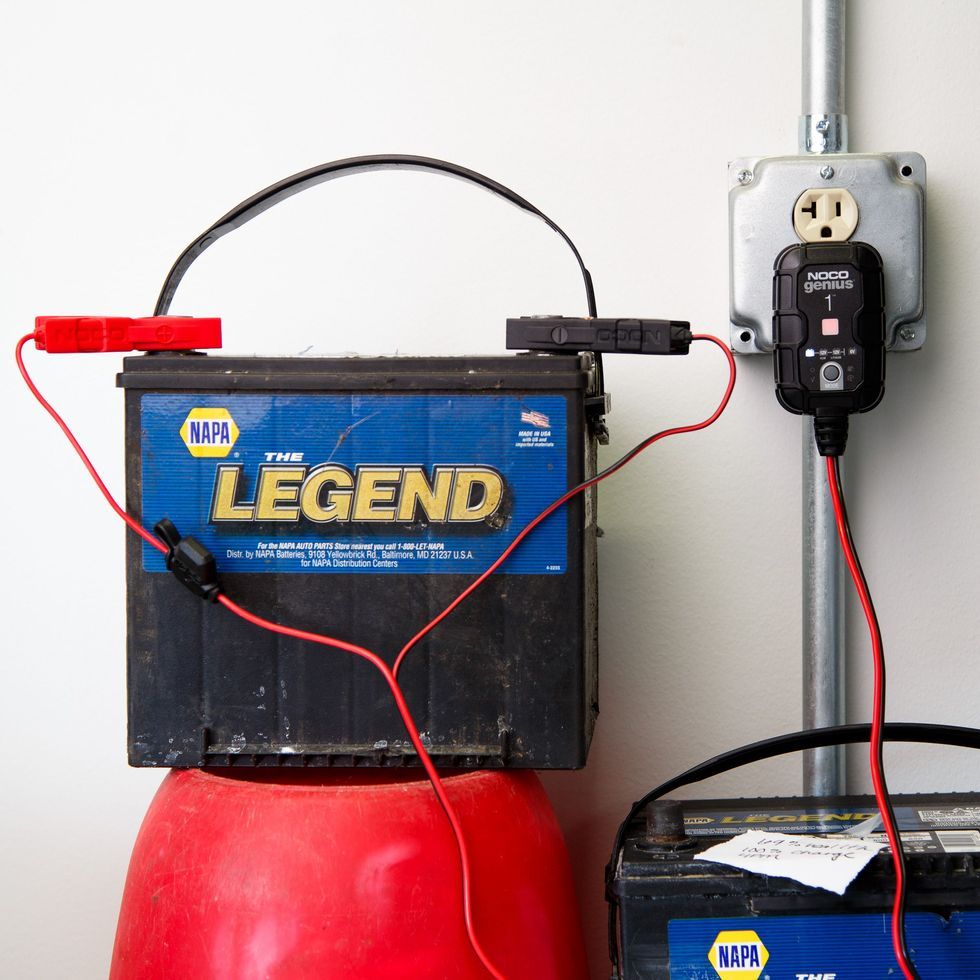
- Use a battery charger: this is the safest and most complete way.
- Use a jump starter: portable lithium units can give a quick boost.
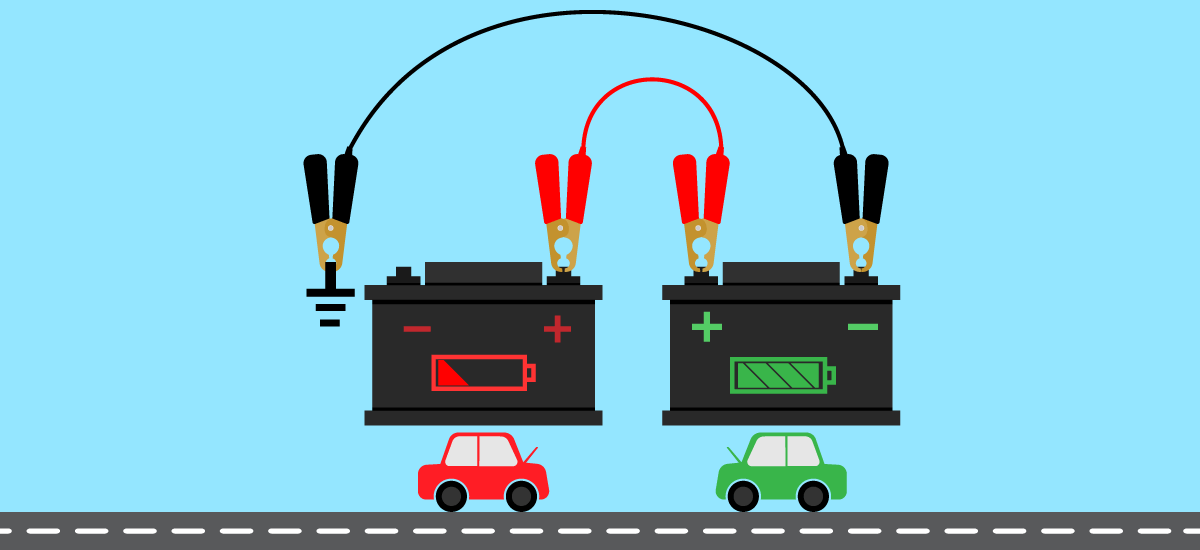
- Use jumper cables from another car: this starts the engine but does not fully charge the battery.
- Use a solar charger: good for long-term maintenance.
A proper battery charger is best if the battery is deeply discharged. It can take 4 to 24 hours depending on the charger size and battery condition. Driving charges the battery, but it is slow and depends on many factors.
How Long Does a Car Battery Last
Most car batteries last between 3 and 5 years. Some can last up to 7 years with proper care. Factors that shorten battery life include:
- Extreme heat or cold.
- Short trips that do not let the battery recharge.
- Corrosion on terminals.
- Loose battery cables.
- Heavy electrical loads from aftermarket gear.
I usually test my battery once a year after the third year. A simple load or conductance test tells you if the battery is still strong or about to fail. Replacing it before it dies saves you from being stuck somewhere.
Tips to Keep Your Charging System Healthy
A few small habits can extend the life of your battery and alternator:
- Keep the battery terminals clean and tight.
- Avoid short drives when possible.
- Turn off lights and accessories before shutting off the engine.
- Check the belt that drives the alternator for wear.
- Have the charging system tested once a year.
If you live in a hot climate, heat kills batteries faster than cold. Parking in the shade and checking water levels in older batteries can help. In cold climates, a weak battery is the first to fail on a cold morning.
When to Replace the Alternator or Battery
Sometimes charging issues come from a failing alternator. Other times, the battery itself is just old. Here is how to tell the difference:
- Battery dies but holds a charge with a charger: likely the alternator is not charging well.
- Battery dies and will not hold a charge even after charging: the battery is bad.
- Car runs fine but battery light stays on: charging system issue.
- Voltage drops below 13 volts while running: alternator problem.
A good mechanic can test both the battery and alternator in minutes. It is worth the cost if you are unsure. A dead battery can leave you stranded, and a failing alternator can damage other electrical parts.
Frequently Asked Questions
Does the alternator charge the battery while idling?
Yes, but slowly. At idle, the alternator produces less power. It may not keep up with heavy electrical loads. Highway driving charges the battery faster.
Can a bad alternator drain a battery?
Yes. A failing alternator can cause the battery to drain because it does not send enough charge. It can also cause voltage spikes that damage the battery over time.
How do I know if my alternator or battery is bad?
A battery that dies overnight but holds a charge with a charger usually points to a parasitic drain or bad alternator. A battery that will not hold a charge at all is usually the battery itself.
How long should I drive to charge a flat battery?
Driving for 30 minutes to an hour can give enough charge to start the car. But a full charge takes many hours. A proper charger is better for a deep charge.
Can I charge my car battery by revving the engine?
Revving the engine a little increases alternator output, but it does not make a huge difference. Steady driving at moderate RPM is more effective than revving at idle.
Conclusion
Your car battery gets charged by the alternator, which turns engine motion into electrical energy while you drive. The voltage regulator keeps the power steady, and the battery stores extra energy for the next start. When any part of this system fails, you will see warning signs like dim lights, a battery light, or a no-start condition.
If you take care of your charging system with simple checks and good habits, your battery will last longer and your car will start reliably. If you are ever unsure, a quick voltage test or a visit to a trusted mechanic can save you from a bad day. Keep an eye on those warning signs, and your car will keep you moving for years to come.