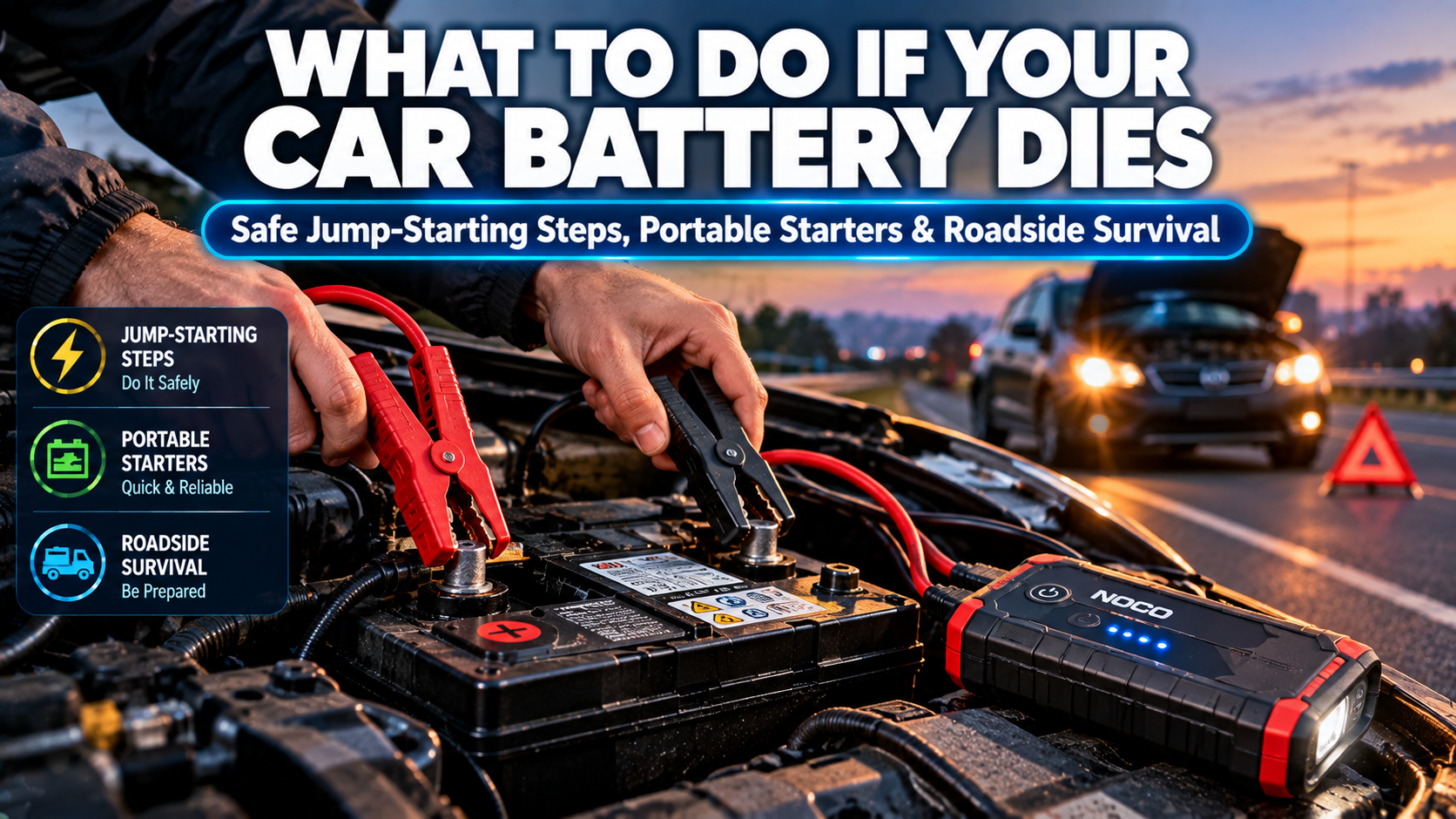
Jump-start the dead battery with jumper cables and a working vehicle, then drive for at least 20 minutes to recharge it. If that fails, try a portable jump starter or call roadside assistance to get back on the road safely.
A dead car battery always seems to strike at the worst possible moment. You turn the key, and instead of the familiar rumble of your engine, all you hear is a sad click. I've been there more times than I'd like to admit. Once, in the middle of a freezing January night, my battery gave up while I was parked at a grocery store. Another time, it happened in a crowded parking lot on a hot summer afternoon. Each time, I learned something new about what to do when a car battery dies, and that's exactly what I want to share with you. This guide will walk you through every practical step, from quick fixes to long-term prevention, so you never feel stranded again.

Recognizing the Signs of a Dead Car Battery
Before you can fix the problem, you need to be sure the battery is actually the culprit. Cars can fail to start for many reasons, but a dying battery usually gives you a few warning signs.
Common symptoms include:
- A slow or labored cranking sound when you turn the key
- Dim headlights or interior lights
- A clicking noise without any engine turnover
- Electrical accessories like the radio or power windows acting sluggish
- A battery warning light glowing on your dashboard
If you notice any of these signs, your battery is likely on its last legs. In my experience, the slow crank is the most reliable indicator. It's the engine begging for just a little more juice.
Safety First: What to Do Before You Touch Anything
Car batteries are full of corrosive acid and can produce explosive gases. Before you pop the hood, take a few seconds to protect yourself.
Essential safety precautions:
- Turn off the ignition and remove the key
- Wear gloves and safety glasses if you have them
- Make sure the area is well-ventilated
- Keep any open flames or sparks far away
- Avoid touching both terminals at the same time with metal tools
I learned the hard way not to rush this step. Once, I leaned a metal wrench across the terminals by accident. The resulting spark could have ignited hydrogen gas, which is exactly the kind of mistake you only make once.
How to Jump-Start a Car Battery Step by Step
This is the classic solution, and it works about 90 percent of the time when done correctly. You will need a set of jumper cables or a portable jump starter and a second vehicle with a working battery.
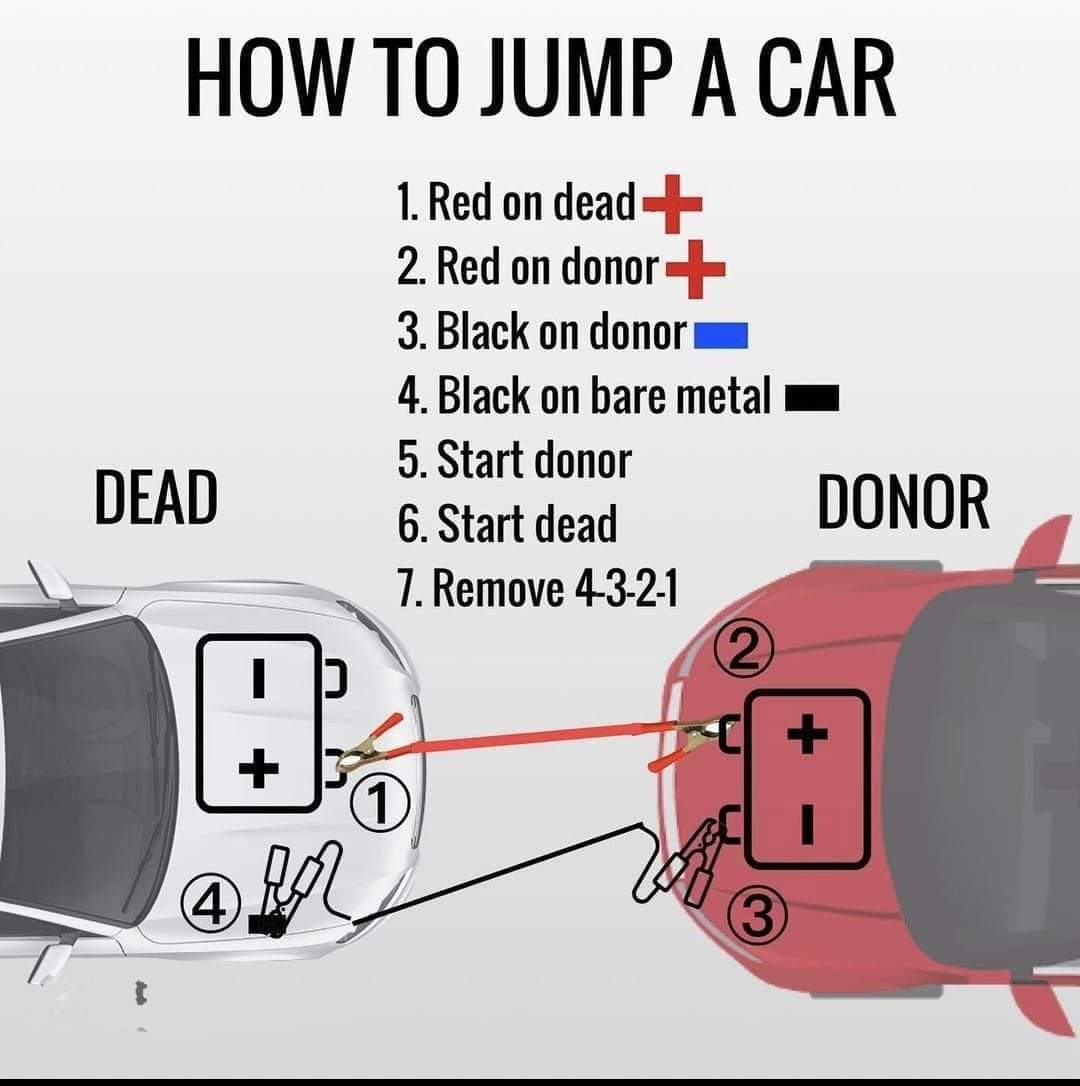
Here is the step-by-step process:
- Position the working vehicle so its battery is close to your dead battery
- Turn off both cars and engage the parking brakes
- Connect the red positive clamp to the positive terminal of the dead battery
- Connect the other red clamp to the positive terminal of the good battery
- Connect the black negative clamp to the negative terminal of the good battery
- Attach the final black clamp to an unpainted metal surface on your car's engine block, away from the battery
- Start the working vehicle and let it idle for a few minutes
- Try starting your car. If it starts, leave it running
Once your car is running, disconnect the cables in reverse order. Do not turn off your engine immediately. Drive for at least 20 to 30 minutes to let the alternator recharge the battery.

What to Do If You Don't Have Another Car
Not everyone has a second vehicle nearby, and that's completely okay. You still have several options to get back on the road.
Practical alternatives include:
- Use a portable jump starter pack. These compact lithium devices can fit in your glove box and save you in a pinch
- Call a friend or family member for a quick jump
- Use a roadside assistance service like AAA or your insurance provider's help line
- Call a mobile mechanic who can come to you
- If you're at home, use a battery charger overnight
I keep a portable jump starter in my trunk at all times. It has saved me twice in the last year alone, and I no longer have to flag down strangers in parking lots.
Troubleshooting: Why Won't My Car Start Even After a Jump?
Sometimes a jump does not work, and that tells you something more serious is going on. If your car still refuses to start, run through this quick mental checklist.
Possible reasons for a failed jump start:
- The jumper cables are not making a solid connection
- The donor vehicle's battery is also weak
- Your battery is completely dead and cannot hold a charge
- The alternator is faulty and not recharging the battery
- The starter motor is failing
- Corrosion on the battery terminals is blocking the connection
If you suspect the alternator, your car might start briefly but die as soon as you disconnect the cables. In that case, do not keep trying to jump it. You risk frying your electrical system.
How to Clean Corroded Battery Terminals
Corroded terminals are one of the most common reasons a battery seems dead when it is actually fine. A white or blue-green powder around the terminals is a dead giveaway.
To clean the terminals properly:
- Disconnect the negative cable first, then the positive
- Mix a tablespoon of baking soda with a cup of water
- Scrub the terminals with an old toothbrush dipped in the mixture
- Rinse with clean water and dry thoroughly
- Reconnect the positive cable first, then the negative
- Apply a thin layer of petroleum jelly to prevent future corrosion
I once spent 20 minutes trying to jump a car that just needed a good cleaning. Once I scrubbed the terminals, the engine fired right up.
When to Replace the Battery Instead of Jumping It
Every battery has a lifespan. If yours is more than three to five years old, it may be time for a replacement rather than a jump.
Signs you need a new battery:
- The engine still cranks slowly after a full charge
- Your battery case is swollen or cracked
- You smell rotten eggs, which indicates a leaking battery
- You need frequent jumps just to get going
- The battery fails a load test at an auto shop
Most auto parts stores will test your battery for free and install a new one on the spot. In my opinion, spending 100 to 200 dollars on a new battery is far cheaper than the tow truck bill when you finally get stranded.
How to Prevent Your Battery from Dying in the First Place
An ounce of prevention is worth a pound of cure, especially when it comes to car batteries. A few simple habits can dramatically extend your battery's life.
Smart prevention tips:
- Drive your car regularly. Short trips do not give the alternator enough time to recharge
- Turn off all lights and accessories before exiting the vehicle
- Check the battery terminals every few months for corrosion
- Have your charging system tested once a year
- Park in a garage during extreme weather when possible
- Disconnect the battery if you plan to store the car for more than a month
I used to make the mistake of leaving my dome light on all the time. After replacing them twice, I finally trained myself to do a quick walkaround before locking the door.
Seasonal Battery Care Tips You Should Not Ignore
Temperature extremes are a battery's worst enemy. Both summer heat and winter cold can shorten its lifespan significantly.
Seasonal care strategies:
- In winter, keep your battery fully charged to prevent freezing
- In summer, park in the shade to reduce heat damage
- Test the battery before the first cold snap of the year
- Consider an insulated battery blanket for harsh climates
- Check the electrolyte level if your battery is not sealed
A fully charged battery can withstand temperatures down to about minus 76 degrees Fahrenheit, while a dead one can freeze at just 32 degrees. That alone is reason enough to stay on top of your battery's health.
Common Myths About Dead Car Batteries You Should Stop Believing
Misinformation spreads fast, especially when it comes to car care. Let me clear up a few common myths that could actually cost you money.
Myths worth busting:
- Myth: Jump-starting damages your car's computer. The truth is, modern cars are designed for jump-starts, just connect properly
- Myth: You can push-start any car. The truth is, automatic transmissions cannot be push-started
- Myth: A dead battery means you need a new alternator. The truth is, alternators usually fail gradually and give warning signs
- Myth: Idling your car charges the battery fully. The truth is, idling charges slowly, driving is much more effective
- Myth: You should remove the battery cables to clean them. The truth is, you can clean them in place if you are careful
I used to believe the push-start myth until I tried it with my automatic transmission. That was a humbling lesson I learned in a Walmart parking lot.
What to Keep in Your Car for Battery Emergencies
Being prepared turns a stressful breakdown into a minor inconvenience. Build a small emergency kit and leave it in your trunk.
Must-have items for your trunk:
- A quality set of jumper cables
- A portable jump starter pack
- A basic socket wrench set
- Work gloves and safety glasses
- A flashlight with extra batteries
- A tire pressure gauge and portable air compressor
- Roadside assistance contact details
I treat my trunk like a toolbox on wheels. You never know when a stranger will lend you theirs, but you can always count on yourself.
Frequently Asked Questions
How long does it take to recharge a dead car battery?
If you jump-start the car and drive for at least 20 to 30 minutes, the alternator will usually recharge the battery enough to start again. For a full charge, you will need a battery charger and several hours of charging time.
Can a dead battery damage my car's alternator?
Yes, if you repeatedly try to start the car with a completely dead battery, it can overwork the alternator and shorten its lifespan. Always replace or recharge a failing battery promptly.
Is it safe to jump-start a car in the rain?
Yes, jump-starting in the rain is generally safe, but you should avoid getting the battery terminals wet. Make sure your hands are dry and the connections are secure before turning the key.
How much does it cost to replace a car battery?
Most standard car batteries cost between 100 and 200 dollars, plus installation if you do not do it yourself. Premium batteries with longer warranties can run up to 300 dollars or more.
Can I jump-start a car with a hybrid battery?
No, you cannot use a hybrid's high-voltage battery to jump-start a traditional car. However, many hybrids have a conventional 12-volt battery that can be used the same way as any other car.
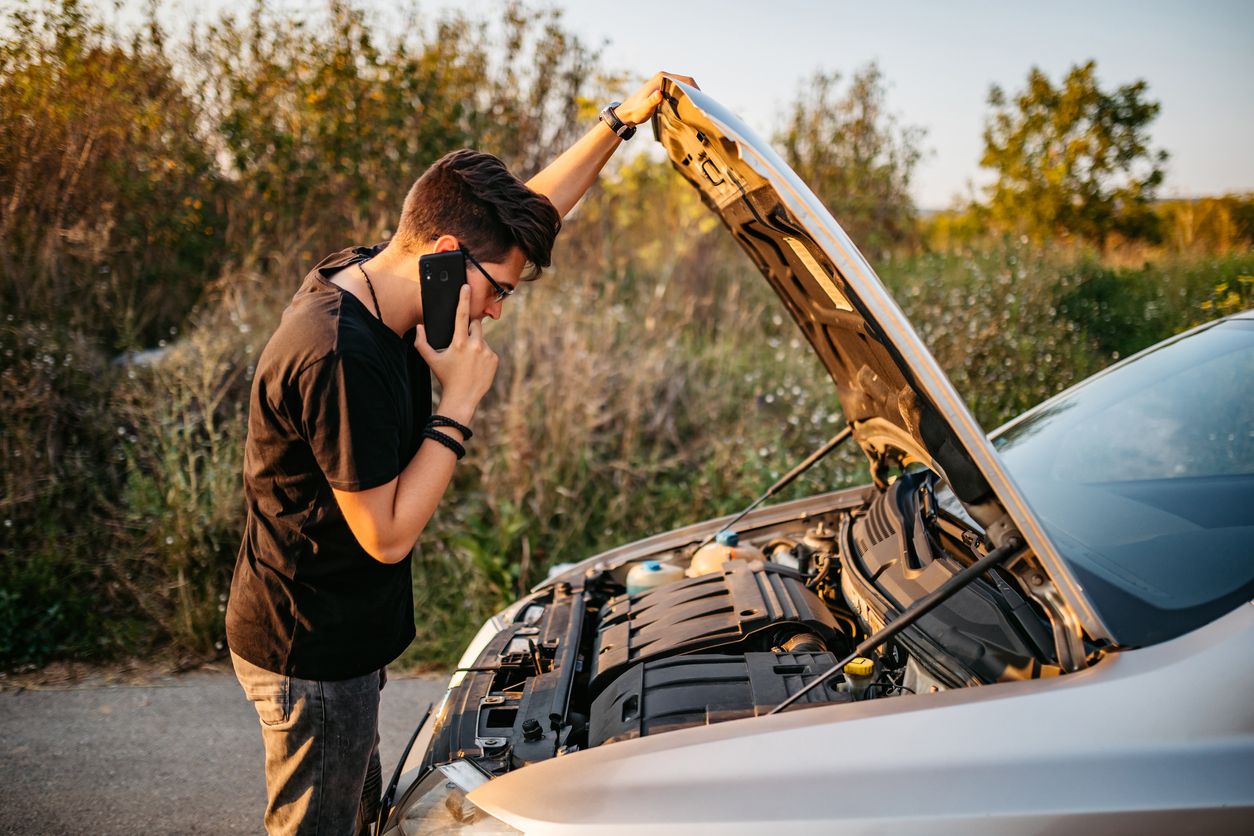
A dead car battery is frustrating, but it is rarely a crisis if you know what to do. From recognizing the early warning signs to safely jump-starting your vehicle, every step becomes easier with a little preparation and the right knowledge. Keep your jumper cables and emergency kit ready, stay on top of routine battery checks, and remember that the best fix is preventing the problem in the first place. Take 10 minutes this week to pop your hood, inspect your battery, and make sure you are ready for whatever the road throws at you next. Your future self will thank you when your engine fires up on the first try.