The date on a car battery shows when it was manufactured, helping you know its age and how long it may last. Most people never think twice about those tiny letters and numbers stamped on top of a battery, but they hold the key to understanding how fresh your battery really is. Knowing what that date means can save you from getting stranded on a cold morning or paying for a battery that was already months old when you bought it.
A car battery isn't a "buy it and forget it" part. It slowly loses strength over time, even when you never use it. The manufacturing date tells you exactly where your battery stands in its life cycle. Think of it like the expiration date on a carton of milk. The fresher it is, the longer you can trust it to do its job. If you can read that date and know how to use it, you'll be ahead of most drivers on the road.
I've worked with car batteries for years, from selling them at an auto parts shop to helping friends troubleshoot dead starts in the middle of winter. I've learned that a battery's date is one of the simplest and most overlooked clues to keeping your car running smoothly. Let me walk you through everything you need to know.

What the Date on a Car Battery Actually Means
The date on a car battery tells you when the battery was made, not when it was installed or when it will die. Battery makers stamp this date on the case or on a sticker near the top. Most batteries last about three to five years, so that date helps you figure out how much life is left.
Think of the date as the battery's birthday. Once you know when it was born, you can guess how old it is and how much time it has left. A battery that's already two years old when you buy it has less life ahead than one that was made last month. This is why checking the date before you buy is so important.
When I sold batteries, customers often grabbed the first one on the shelf without looking at the date. I'd always flip it over and show them the stamp. More than once, they realized they were about to pay full price for a battery that was already a year old. After that, they never skipped the date check again.
How to Read a Car Battery Date Code
Car battery date codes can look like a secret code, but they're actually pretty simple once you know the trick. Most major brands use one of two main systems.
The Letter and Number System
Many battery makers use a letter for the month and a number for the year. For example, "A" stands for January, "B" for February, and so on. The number tells you the last digit of the year. So "B5" would mean February 2025. Some brands skip the letter "I" because it looks too much like the number "1."
This system is common on batteries from brands like Interstate and some Johnson Controls models. I remember a customer bringing in a battery with "D3" on it. He was confused, thinking it was a model number. After we figured out it meant April 2023, he realized his battery was already over a year old when he bought it.
The Sticker System
Other brands use a sticker that clearly shows the month and year. You might see "03/24" meaning March 2024. Some have a small colored dot or a shipping date sticker instead. This is easier to read, but you still need to know what you're looking at.
For example, a battery with a "12/23" sticker was made in December 2023. If you're buying one in July 2024, that battery is already seven months old. Not a deal-breaker, but worth knowing.
The Four-Digit Code System
Some batteries use a four-digit code. The first two numbers are the month, and the last two are the year. So "0424" means April 2024. This is common on Optima and some other AGM batteries. It's the clearest system because there's no guesswork.
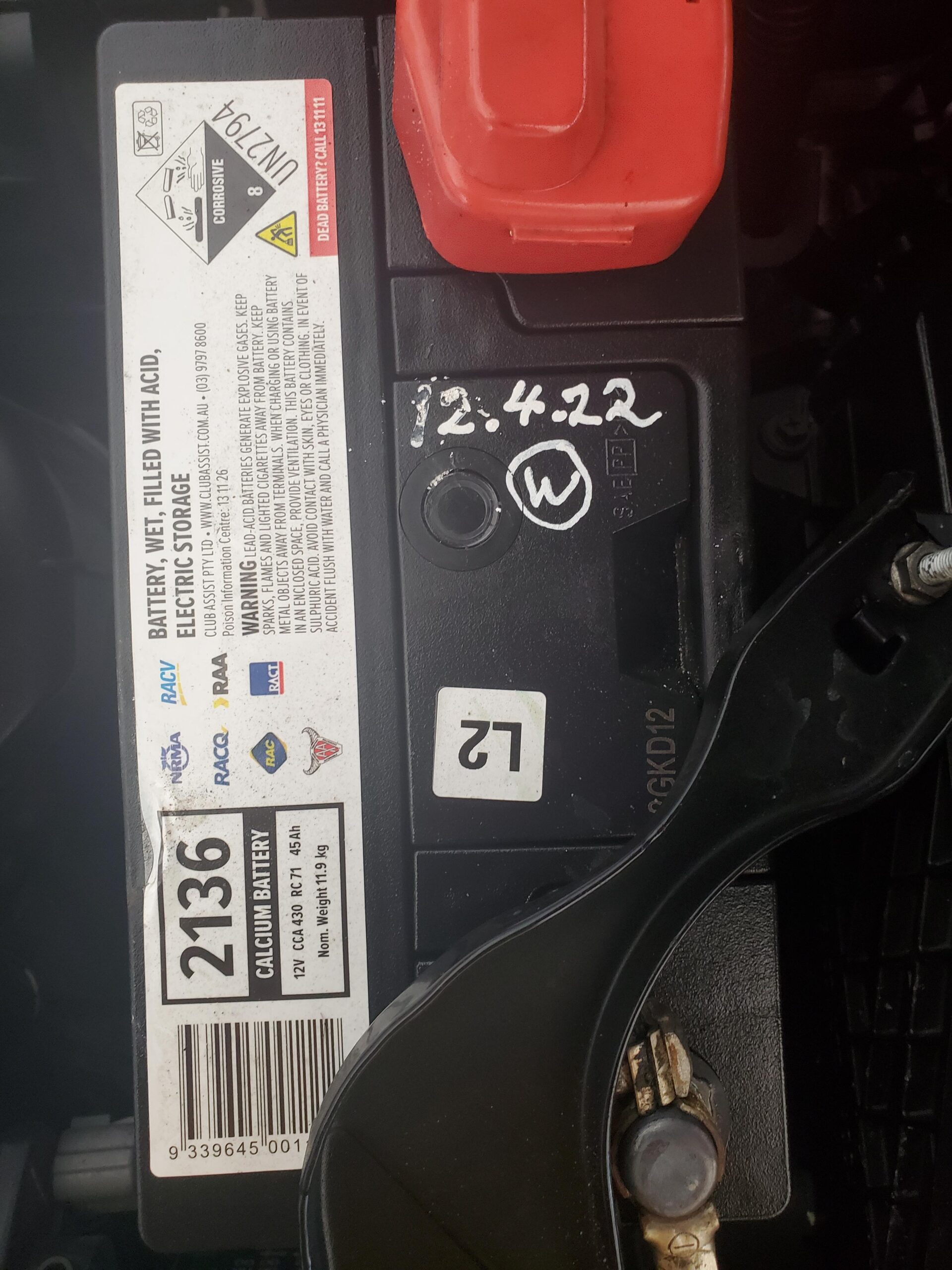
Where to Find the Date on Your Battery
The date is usually in one of three spots:
- On a round sticker on top of the battery
- Stamped into the plastic case
- On a small label near the handle or vent caps
If you can't find it, check the side or near the positive terminal. Sometimes it's tiny, so you might need a flashlight. I once spent ten minutes looking for a date code on a battery before I realized it was etched into the bottom corner of the case. Lesson learned, always turn the battery over and check every side.
Why the Battery Date Matters More Than You Think
The date on a car battery matters because batteries start losing power the moment they leave the factory. A battery that's been sitting on a shelf for a year is not the same as a fresh one. Even if it works fine, it has less life ahead.
Shelf Life vs. Service Life
A battery's shelf life is how long it can sit unused before it goes bad. Most batteries lose about 5% of their charge per month just sitting around. After six months on a store shelf, a battery might be in a partial state of discharge. That doesn't mean it's dead, but it means it's already working from behind.
The service life is how long it lasts once it's in your car. Most batteries last three to five years, but that clock starts ticking at the manufacturing date, not the install date. So a battery that's two years old before you buy it only has one to three years left, not three to five.
Warranty and the Manufacturing Date
Many battery warranties start from the manufacturing date, not the purchase date. This is a detail that trips up a lot of people. If you buy a battery that's already been sitting for a year, you might lose a year of warranty without even knowing it. Always check the date before you buy, and ask the seller when the battery was made.
I had a friend who bought a "new" battery from a discount shop, only to find out later it was 18 months old. When it failed after just a year, the warranty was almost up because the clock had started before he even bought it.
Common Mistakes When Reading Battery Dates
A lot of drivers misread the date or don't know what to look for. Here are some common slip-ups:
- Confusing the date with the part number
- Thinking the date is the install date
- Ignoring the date because the battery looks new
- Assuming all brands use the same system
Each brand has its own way of marking the date. Some use letters, some use numbers, and some use a mix. If you're not sure, a quick call to the manufacturer or a check of the brand's website can clear things up.
How to Use the Date to Pick a Fresh Battery
When you're buying a new car battery, the date is your best friend. Here's a simple way to use it:
- Check the date before you buy
- Pick a battery that's less than six months old
- Ask the store when the battery arrived
- Avoid batteries that have been sitting for over a year
A fresh battery will perform better and last longer. It's one of the few times where a little bit of attention can save you a lot of money and hassle down the road.
What to Do If Your Battery Is Old
If your battery is already past the three-year mark, it's a good idea to start paying attention. Watch for signs like slow cranking, dim headlights, or a check engine light. These are all hints that your battery is getting weak.
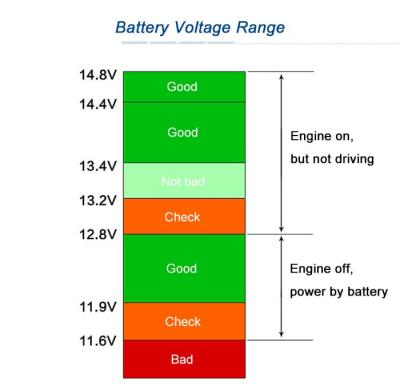
You can have your battery tested at any auto parts store for free. The test will tell you the voltage and the state of charge. If it's weak, replace it before it leaves you stranded. I always tell people, don't wait for the battery to die. Replace it when the test shows it's starting to fade.
Frequently Asked Questions About Car Battery Dates
Does the date on a car battery show the expiration date?
No, the date shows when the battery was made, not when it will fail. Most batteries last three to five years, but the exact life depends on climate, driving habits, and care.
How long can a car battery sit on the shelf before it goes bad?
A car battery can sit on a shelf for about six months to a year and still be good. After that, it may lose charge or develop sulfation, which can hurt its performance and lifespan.
Can a car battery last longer than five years?
Yes, some batteries can last up to seven years, especially if they're well-maintained and used in mild climates. AGM batteries often last longer than standard flooded batteries.
What happens if I buy a battery with an old date?
An old battery may have less life left and could fail sooner than expected. It may also have a shorter warranty period if the warranty starts at the manufacturing date.
How can I tell if my battery is the original one from the car?
Check the date code and compare it to the year your car was made. If the battery was made within a few months of the car's production date, it's likely the original. If the date is much later, the battery has been replaced.
Final Thoughts
Knowing what the date on a car battery means is one of those small things that can make a big difference. It helps you pick a fresh battery, avoid old stock, and plan for replacements before you're stuck on the side of the road. The date is your battery's birth certificate, and once you can read it, you're in control of your car's starting power. Take a minute to check your battery today, and you'll be glad you did the next time you turn the key.