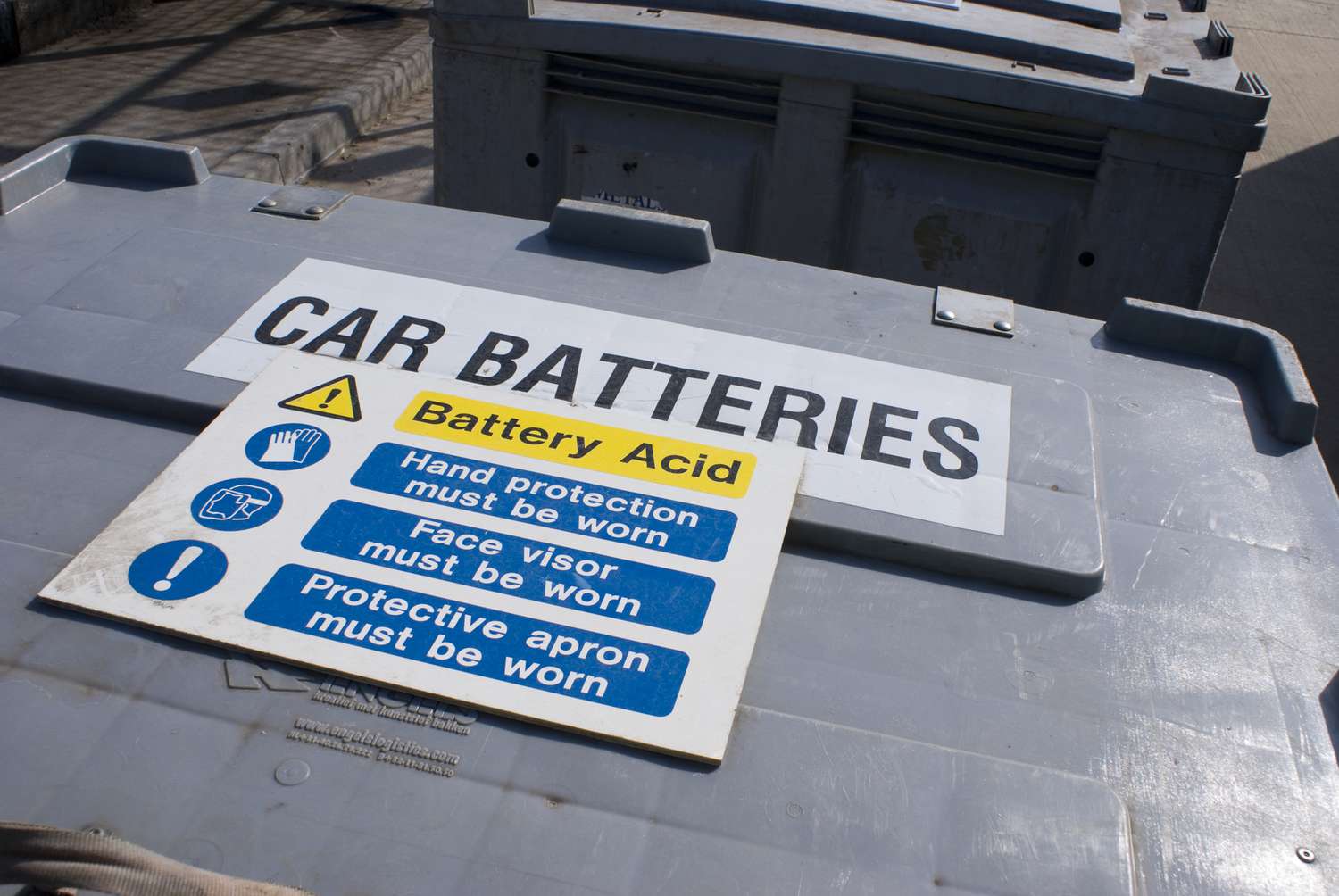
Jump-start it with jumper cables and another vehicle, or use a portable battery booster to safely revive a dead battery while parked.
That sinking feeling when you turn the key and hear nothing but silence is something every driver faces at some point. A dead car battery can turn a simple trip into a frustrating ordeal, but it does not have to ruin your day. With the right knowledge and a calm approach, you can handle this common issue like a pro. This guide will walk you through everything you need to know about what to do if your car battery dies while parked, from immediate steps to long-term prevention.

Recognizing the Signs of a Dead Battery
Before jumping into solutions, it helps to know what a dying battery looks like. Sometimes the signs are obvious, and other times they creep up slowly.
- Slow engine crank when you try to start the car
- Dim or flickering headlights and interior lights
- Clicking sound when turning the key
- Electrical accessories not working properly
- Warning lights on the dashboard
- Swollen or bloated battery case
- Rotten egg smell coming from the battery
I remember one morning when my car refused to start in a grocery store parking lot. The dashboard lights came on, but the engine barely turned over. That was my first real lesson in understanding battery failure, and it taught me to pay attention to the warning signs before they become full-blown problems.
Immediate Steps to Take When Your Battery Dies
When you find yourself stranded with a dead battery, staying calm and following a clear plan is essential.
Ensure Your Safety First
Your safety always comes before fixing the problem. Pull over to a safe spot if you are on the road, turn on your hazard lights, and make sure you are visible to other drivers. If you are in a dark or unfamiliar area, stay inside your vehicle with the doors locked until help arrives.
Assess the Situation
Take a moment to figure out what happened. Did you leave your headlights on overnight? Is the weather extremely cold or hot? Has your battery been struggling for a while? Understanding the cause can help you decide on the best course of action.
Check for Simple Solutions
Sometimes the fix is surprisingly easy. Make sure your gear shift is in park or neutral, and check that your battery terminals are clean and tightly connected. Corrosion on the terminals can prevent your battery from delivering power, even if the battery itself is fine.
How to Jump-Start Your Car Safely
Jump-starting is the most common way to revive a dead battery, but doing it wrong can damage your car or cause injury.
What You Will Need
- A set of quality jumper cables
- Another vehicle with a working battery
- Safety glasses and gloves (optional but recommended)
- Your vehicle owner's manual
Step by Step Jump-Starting Process
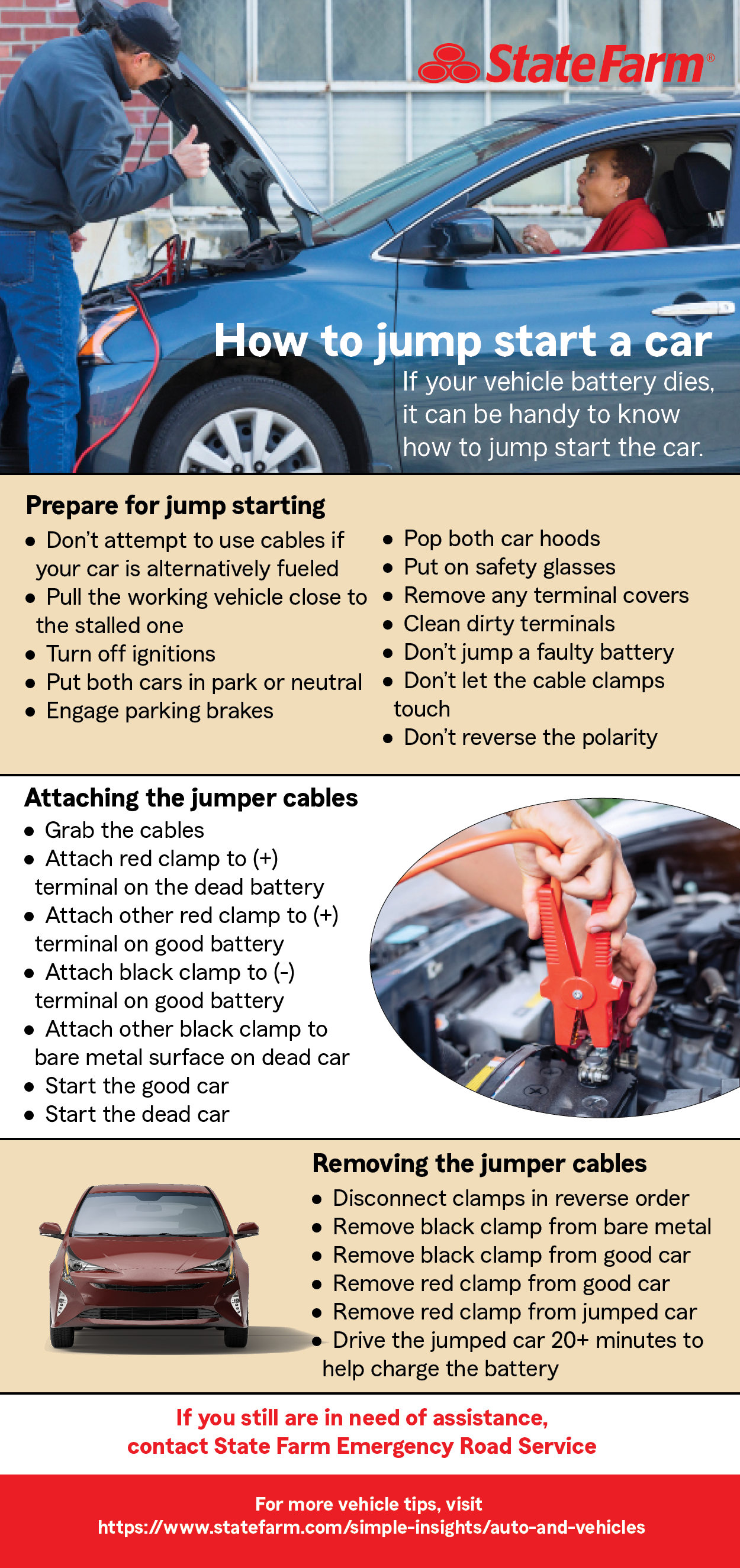
- Position the working vehicle close to yours so the batteries are near each other, but make sure the cars are not touching.
- Turn off both vehicles and remove the keys from the ignitions.
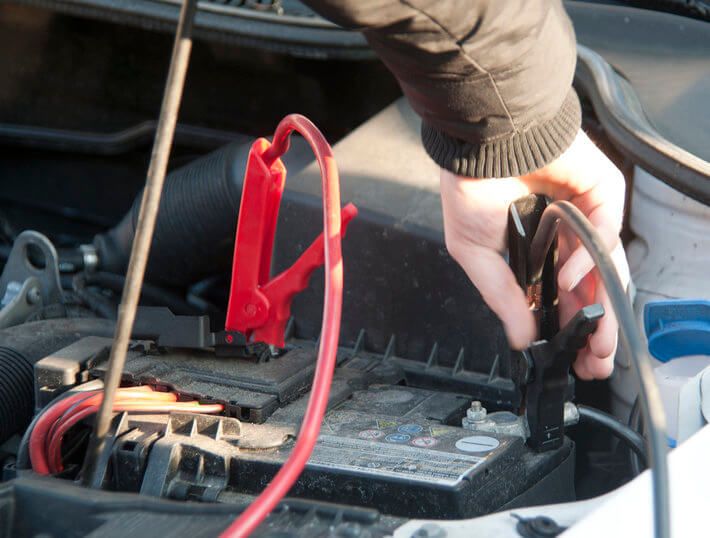
- Connect the red positive cable to the positive terminal of the dead battery.
- Attach the other end of the red cable to the positive terminal of the working battery.
- Connect the black negative cable to the negative terminal of the working battery.
- Attach the other end of the black cable to an unpainted metal surface on your car, away from the battery.
- Start the working vehicle and let it run for a few minutes.
- Try starting your vehicle. If it does not start, wait a few more minutes and try again.
- Once your car starts, disconnect the cables in the reverse order you connected them.
- Keep your car running for at least 20 minutes to allow the alternator to charge the battery.
One piece of advice from personal experience: always carry a good set of jumper cables in your trunk. I learned this the hard way when I had to walk to an auto parts store in the rain because I was unprepared.
Using a Portable Battery Booster
A portable battery booster is a modern alternative to traditional jumper cables. These compact devices store enough power to jump-start your car without needing another vehicle.
Benefits of a Portable Booster
- No need for a second vehicle
- Easy to use, even for beginners
- Compact enough to store in your glove box or trunk
- Often includes USB ports and built-in flashlights
- Provides a safer jump-start experience
How to Use a Portable Booster
- Make sure the booster is fully charged.
- Connect the booster's clamps to your battery terminals, red to positive and black to negative.
- Turn on the booster and wait for the indicator light.
- Start your car.
- Once the engine is running, disconnect the booster and store it safely.
I bought my first portable booster after being stranded at a campsite with no other cars around. That little device has paid for itself many times over, and I recommend one to every driver I know.
What to Do If Jump-Starting Does Not Work
Sometimes a dead battery is a symptom of a larger issue. If your car does not start after multiple jump-start attempts, consider these possibilities.
The Battery May Be Completely Dead
Batteries have a finite lifespan, usually between three and five years. If your battery is old or has been deeply discharged multiple times, it may need to be replaced entirely.
The Alternator Could Be Failing
The alternator charges your battery while the engine runs. If it is not working properly, your battery will not hold a charge, even after a jump-start. Signs of a failing alternator include dim lights, a whining noise, and a battery warning light on your dashboard.
There May Be a Parasitic Drain
Some electrical components continue to draw power even when the car is off. A parasitic drain can slowly kill your battery overnight. Common culprits include interior lights, phone chargers, and malfunctioning electronics.
The Starter Motor Might Be the Issue
If you hear a clicking sound but the engine does not turn over, the problem could be with your starter motor rather than the battery.
When to Call for Professional Help
There are times when DIY solutions are not enough, and calling a professional is the smartest move.
- You do not feel comfortable working with car batteries
- Your battery is old and needs replacement
- You suspect alternator or electrical system issues
- You are stranded in an unsafe location
- Multiple jump-start attempts have failed
Roadside assistance services, towing companies, and mobile mechanics can all help in these situations. Many auto clubs and insurance policies include roadside assistance, so it is worth checking your coverage before you need it.
How to Prevent Your Battery from Dying in the Future
Prevention is always better than dealing with a dead battery. Here are some simple habits that can save you from future headaches.
Regular Maintenance Tips
- Test your battery every six months, especially before winter and summer
- Keep the battery terminals clean and free of corrosion
- Make sure the battery is securely mounted in its tray
- Check the battery case for cracks or swelling
- Have your charging system inspected during routine oil changes
Smart Habits to Adopt
- Turn off headlights, interior lights, and accessories when the engine is off
- Unplug phone chargers and avoid using power outlets when the car is not running
- Drive your car regularly, especially if it sits unused for long periods
- Consider using a battery maintainer for vehicles in storage
- Park in a garage or shaded area to protect the battery from extreme temperatures
Know Your Battery's Age
Most batteries have a date code on the case that tells you when they were manufactured. If your battery is more than four years old, start thinking about a replacement before it leaves you stranded.

Understanding Battery Types and Lifespan
Not all car batteries are created equal. Knowing the type of battery in your vehicle can help you make better maintenance decisions.
- Standard Flooded Lead-Acid Batteries: The most common and affordable option, requiring occasional maintenance.
- AGM Batteries: More expensive but offer better performance, longer life, and resistance to vibration.
- Gel Cell Batteries: Similar to AGM but use gel electrolyte, making them spill-proof and ideal for off-road vehicles.
- Lithium-Ion Batteries: Lightweight and long-lasting, but more commonly found in hybrid and electric cars than traditional gas-powered vehicles.
The climate you live in plays a big role in battery life. Extreme cold reduces battery capacity, while extreme heat accelerates corrosion and fluid loss. If you live in an area with harsh weather, investing in a high-quality battery is worth the extra cost.
Weather-Related Battery Tips
Weather is one of the biggest factors affecting battery performance. Cold weather is especially hard on batteries because it slows down the chemical reactions inside.
Cold Weather Precautions
- Keep your car in a garage when possible
- Use a battery blanket or insulation wrap in extremely cold climates
- Avoid short trips that do not give the battery time to recharge
- Have your battery tested before winter arrives
Hot Weather Precautions
- Park in the shade to reduce heat exposure
- Check fluid levels more frequently in hot climates
- Clean terminals regularly to prevent corrosion buildup
- Consider a heat shield for your battery if your engine bay runs hot
Essential Items to Keep in Your Car
Being prepared is half the battle. Here is a list of items every driver should keep in their vehicle for battery emergencies.
- Quality jumper cables
- Portable battery booster
- Battery terminal cleaner or wire brush
- Multimeter for testing voltage
- Flashlight with extra batteries
- Work gloves and safety glasses
- Reflective triangles or flares
- Emergency contact numbers
- First-aid kit
- Basic tool kit
These items do not take up much space, but they can make a huge difference when something goes wrong.
Frequently Asked Questions
How long does it take to jump-start a dead battery?
Most jump-starts take between five and fifteen minutes, depending on how dead the battery is. After a successful jump, drive for at least twenty minutes to recharge the battery.
Can a dead battery come back to life on its own?
A completely dead battery will not recharge itself just by sitting. You need a jump-start, a battery charger, or a replacement battery to get back on the road.
How do I know if my battery needs replacement or just a charge?
If your battery is relatively new and died because of an accidental drain, a charge may be enough. If it is more than three years old and struggles to hold a charge, replacement is usually the best option.
Is it safe to jump-start a car in the rain?
Yes, jump-starting in the rain is generally safe as long as you follow proper procedures. Water on the battery terminals does not create a dangerous situation, but avoid standing in puddles while working.
How often should I replace my car battery?
Most car batteries last between three and five years. Regular testing can help you identify when replacement is needed before you get stranded.
Wrapping Up Your Battery Emergency Plan
A dead battery while parked is inconvenient, but it is not the end of the world. With the right tools, a calm mindset, and a clear plan, you can handle the situation safely and efficiently. Keep jumper cables or a portable booster in your car, stay on top of battery maintenance, and never ignore the early symptoms of a failing battery. The best drivers are not the ones who avoid problems entirely, but the ones who know exactly what to do when problems arise. Now that you have this knowledge, you are ready for whatever the road throws your way. Safe travels, and may your battery always have the power to keep you moving forward.