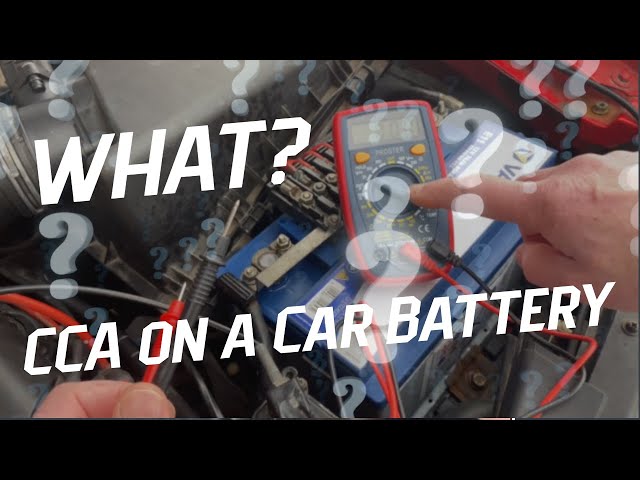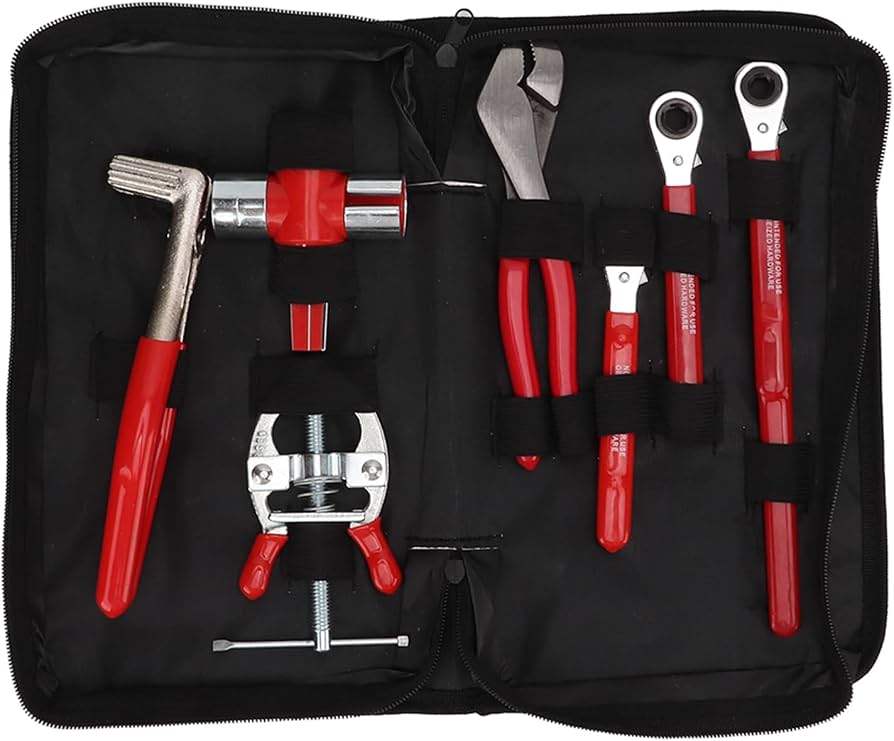
You only need a few basic tools to change a car battery: a 10mm wrench or socket, a pair of safety gloves, and optional items like a battery terminal brush, memory saver, and torque wrench.
Changing a car battery might sound like a job only a mechanic can do, but trust me, with the right tools and a little patience, you can knock it out in your own driveway. I've done it plenty of times on everything from old sedans to modern SUVs, and each time I walk away feeling like I just saved myself a chunk of change. The trick is knowing exactly what tools you need before you pop the hood so you're not running back and forth to the hardware store. In this guide, I'll walk you through every tool, every step, and every lesson I've learned over the years so you can swap your battery with total confidence.
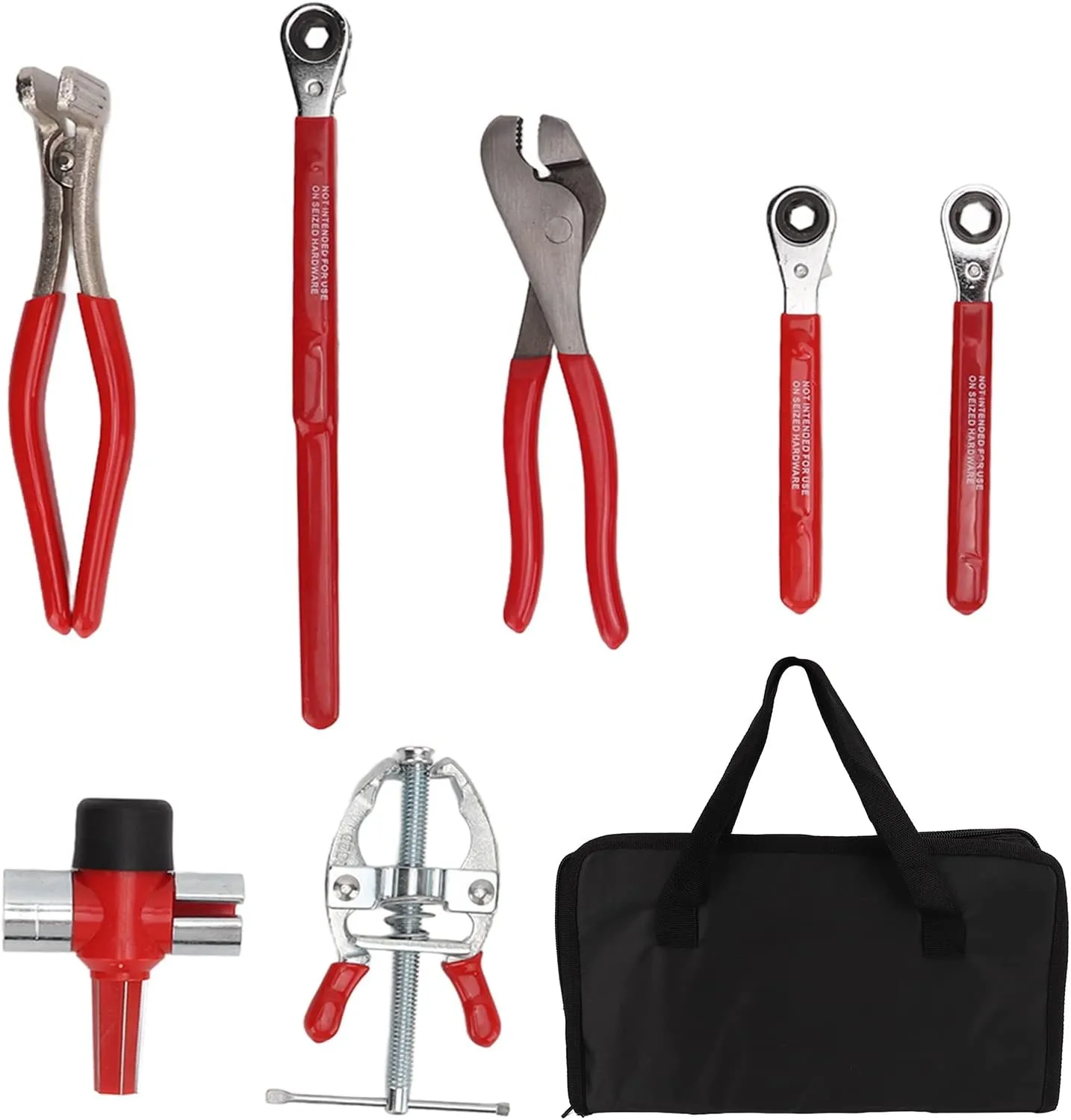
Essential Tools You Need to Change a Car Battery
Before you even touch a wrench, it helps to gather everything in one spot. There's nothing worse than starting a job only to realize you're missing a socket size or a pair of gloves. Here's the full lineup of tools I'd recommend having on hand.
Safety Gloves and Protective Eyewear
Your car battery is filled with sulfuric acid, and even a small splash can irritate your skin or eyes. A solid pair of rubber or nitrile gloves keeps your hands safe, and a pair of safety glasses shields your eyes from any unexpected splashes or corrosion debris. I never skip these, and honestly, I've learned the hard way that skipping them is just not worth the risk.
10mm Wrench or Socket Set
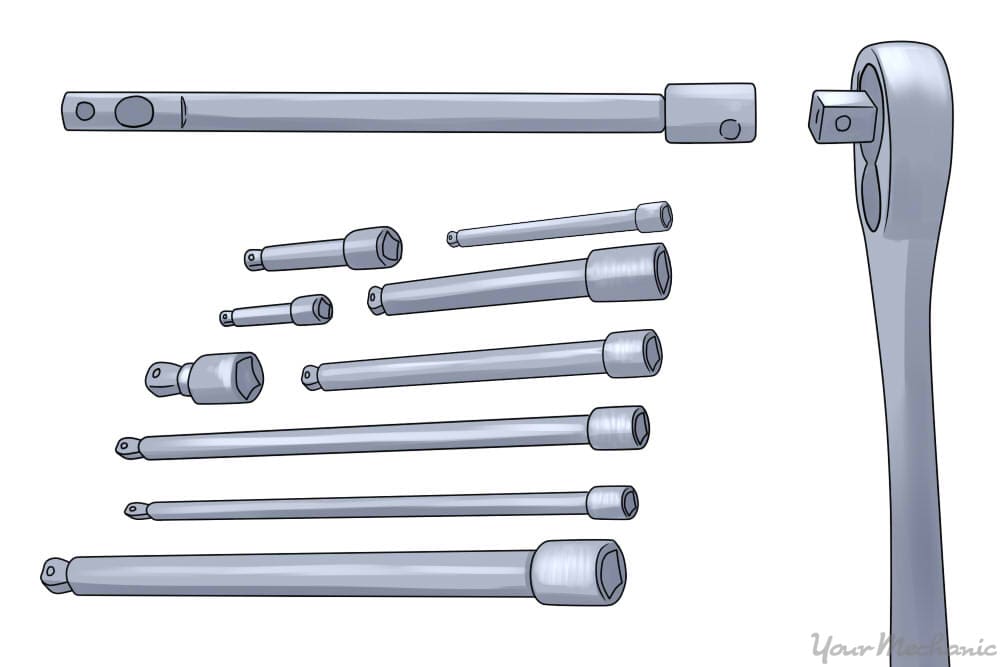
Most car battery terminals use a 10mm bolt, so a 10mm wrench or socket is the single most important tool in your kit. I've found that a small ratchet with a 10mm socket works best because it gives you more control in tight engine bays. If you don't have a 10mm, a 10mm open-end wrench will do the job, though it can be a bit slower to use.
Adjustable Wrench
An adjustable wrench is a great backup because it can fit slightly different bolt sizes. Some vehicles, especially older models or those with aftermarket battery terminals, might use an 8mm or 13mm bolt instead. Having an adjustable wrench in your toolbox means you're covered no matter what.
Battery Terminal Brush or Wire Brush
Corrosion builds up on battery terminals over time, and if you just slap a new battery on without cleaning the connectors, you'll get a weak connection. A battery terminal brush is a small, round wire brush that scrubs the inside and outside of the terminals in seconds. I always keep one in my glove box because you never know when you'll need it.
Memory Saver or OBD Memory Saver
Modern cars store a ton of electronic settings in modules like the radio, clock, seats, and engine computer. When you disconnect the battery, you lose those settings. A memory saver plugs into your car's OBD port or cigarette lighter and keeps a small trickle of power flowing so your settings stay intact. If you drive a newer car with power seats, memory positions, or a complex infotainment system, this little gadget is a lifesaver.
Battery Carrier or Strap
Car batteries are heavy, awkward, and full of corrosive acid. A battery carrier strap wraps around the battery and gives you a handle to lift it safely. They typically weigh between 30 and 50 pounds, and the last thing you want is to drop one on your foot or spill acid on your clothes.
Torque Wrench
Once you install the new battery, you'll want to tighten the terminal bolts to the proper torque spec, usually around 5 to 7 foot-pounds. Overtightening can crack the terminals, and undertightening can cause a poor connection. A small torque wrench takes the guesswork out of the equation.
Optional but Helpful Tools
These tools aren't strictly required, but they make the job easier, cleaner, and safer.
Baking Soda and Water Solution
A simple mix of baking soda and water neutralizes battery acid and dissolves corrosion. I like to keep a spray bottle of this mixture in my garage because you never know when you'll need to clean up a spill or scrub some crusty terminals.
Shop Rags or Paper Towels
You'll inevitably get some grease, dirt, or corrosion on your hands or the surrounding parts. A few shop rags or paper towels keep the area clean and make the whole job feel more professional.
Flashlight or Headlamp
If you're working in a dimly lit garage or at night, a flashlight or headlamp is a must. I've tried holding a phone in my mouth while lying over a battery, and trust me, it's not fun. A headlamp frees up both hands and lights up the entire engine bay.
Anti-Corrosion Spray or Felt Pads
Once your new battery is installed, a quick spray of anti-corrosion solution or a set of felt pads under the terminals can prevent buildup for years. It's a small step that adds a lot of longevity to your battery connections.
Step by Step Guide to Changing a Car Battery
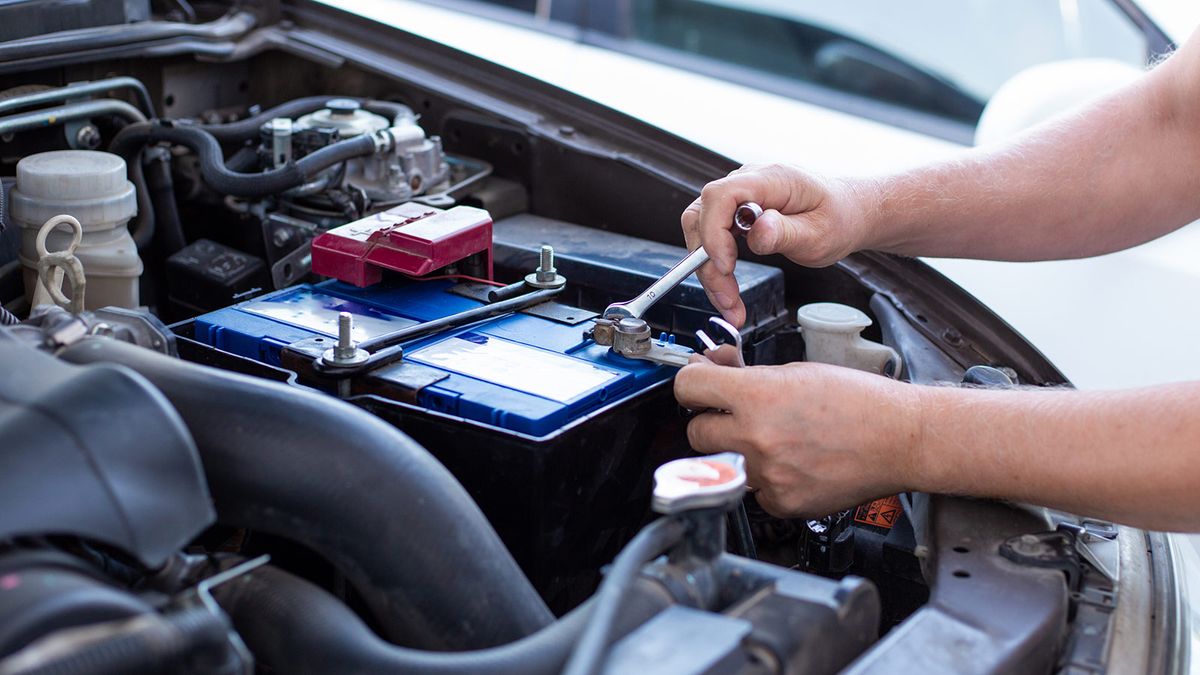
Now that you have your tools ready, let's walk through the actual process. I've done this dozens of times, and here's the exact method I follow every single time.
Step 1: Turn Off the Car and Remove the Key
Make sure your engine is completely off and the key is out of the ignition. Open the hood and locate the battery, which is usually a rectangular box with two cables attached, one red (positive) and one black (negative).
Step 2: Disconnect the Negative Terminal First
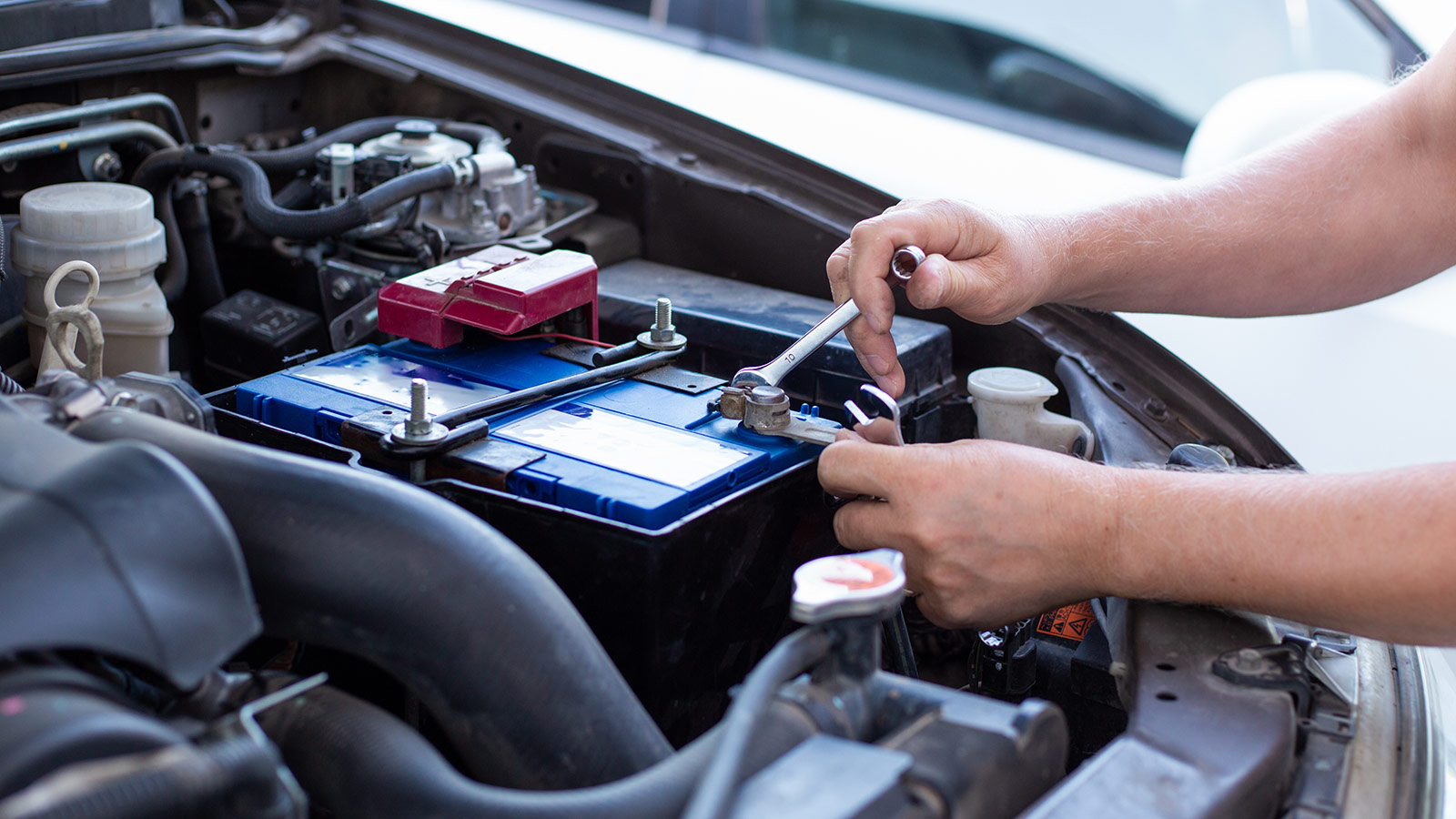
Always start with the negative terminal. Use your 10mm wrench to loosen the bolt, then wiggle the cable off the terminal. Tuck the cable to the side so it doesn't accidentally touch the terminal while you're working.
Step 3: Disconnect the Positive Terminal
Repeat the same process on the positive terminal. The reason you disconnect the negative first is to prevent any accidental short circuits. If your wrench touches the metal frame while loosening the positive terminal, you could cause a spark or damage your car's electrical system.
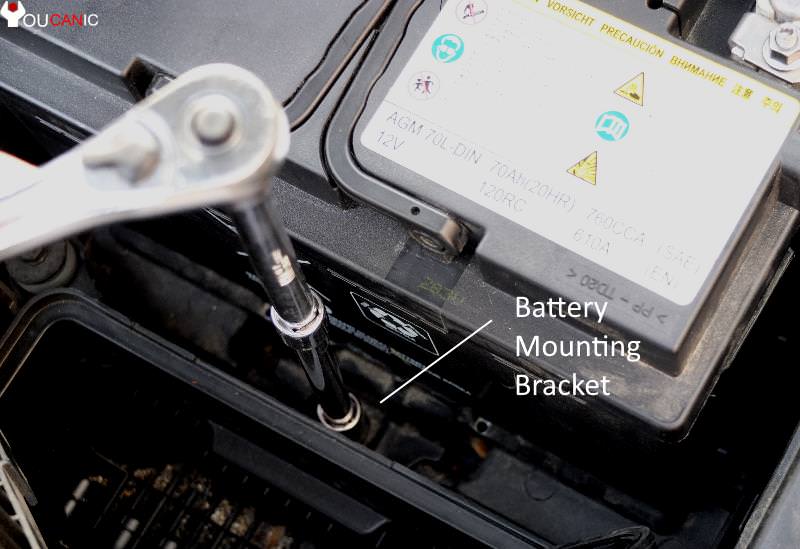
Step 4: Remove the Battery Hold Down Clamp
Most batteries are held in place by a small clamp or bracket at the top or bottom. Remove the bolt or nut holding the clamp, then lift the clamp off the battery. This step is easy to forget, but you can't get the battery out without removing it.
Step 5: Lift Out the Old Battery
Using your battery strap or a firm grip, carefully lift the battery out of the tray. Remember, it's heavy and full of acid, so keep it level and avoid tilting it.
Step 6: Clean the Terminals and Tray
Before you install the new battery, take a moment to clean the terminal connectors with your battery brush. If there's heavy corrosion, spray a little baking soda solution on the terminals, let it fizz, then scrub it away. Wipe down the battery tray with a shop rag to remove any dirt or debris.
Step 7: Install the New Battery
Carefully lower the new battery into the tray, making sure the positive and negative posts are on the correct sides. Reattach the hold down clamp and tighten the bolt snugly.
Step 8: Reconnect the Positive Terminal First
This time, start with the positive terminal. Slide the cable onto the post, then tighten the bolt with your 10mm wrench until it's snug. If you have a torque wrench, tighten it to the manufacturer's spec.
Step 9: Reconnect the Negative Terminal
Repeat the process on the negative terminal. Give both terminals a little wiggle to make sure they're secure and won't move.
Step 10: Test the Car
Start the car and check that everything is working properly. The dashboard lights should come on, the radio should play, and the engine should start smoothly. If your clock needs to be reset or your radio needs a code, that's normal and just means your memory saver didn't do its job or you didn't use one.
Common Mistakes to Avoid When Changing a Car Battery
Even though it's a simple job, there are a few mistakes I see people make all the time. Here are the big ones to watch out for.
Mixing Up the Terminals
The positive terminal is usually marked with a plus sign and a red cover, while the negative is marked with a minus sign and a black cover. If you connect the cables backward, you can fry your car's electrical system, and trust me, that repair bill is not pretty.
Overtightening the Terminal Bolts
Battery terminals are made of soft lead, and they crack easily if you crank down on them too hard. Snug is enough. If you feel the bolt getting really tight, stop.
Forgetting the Hold Down Clamp
Without the hold down clamp, the battery can shift around while you drive, which can damage the terminals or even cause a leak. Always make sure the battery is secured.
Not Cleaning the Terminals
Even if your old battery died, the terminals might still be corroded. Skipping this step can cause your new battery to have a weak connection and die prematurely.
How Often Should You Replace Your Car Battery
Most car batteries last between three and five years, depending on the climate, driving habits, and the type of battery. If you live in a hot area, your battery might die sooner because heat speeds up the chemical reaction inside. If you notice slow cranking, dim headlights, or a check engine light, it's probably time for a new one.
Frequently Asked Questions
Do I need a torque wrench to change a car battery?
You don't strictly need one, but it's a good idea. A torque wrench ensures the terminal bolts are tightened to the correct spec, which prevents overtightening and ensures a solid connection.
Can I change a car battery without disconnecting anything else?
Yes, you only need to disconnect the battery terminals and the hold down clamp. There's no need to mess with any other parts of the car.
What size wrench do I need for a car battery?
Most car batteries use a 10mm bolt for the terminals, but some use 8mm or 13mm. It's a good idea to have a small socket set or an adjustable wrench on hand just in case.
Is it safe to change a car battery in the rain?
It's not dangerous, but it's not ideal. Water can mix with any corrosion on the terminals and create a mild conductive path. If you can, change your battery in a dry area.
Do I need a memory saver for an older car?
If your car was made before the mid-2000s, you probably don't need one. The electronics are simple enough that resetting the clock and radio presets is no big deal. For modern cars with lots of electronic features, a memory saver is highly recommended.
Conclusion
Changing a car battery is one of the simplest and most satisfying DIY jobs you can do. With a 10mm wrench, a pair of gloves, a battery brush, and a little patience, you can save yourself the cost of a mechanic and get back on the road in under 30 minutes. Just remember to disconnect the negative terminal first, clean the connectors, and tighten everything snugly. Once you've done it once, you'll wonder why you ever paid someone else to do it. If you found this guide helpful, drop a comment below with your own tips or questions, and don't forget to share it with a friend who could use a little automotive confidence boost.