The acid in car batteries is sulfuric acid, a powerful electrolyte that helps generate the electrical power needed to start your engine.
If you've ever popped the hood and wondered what's actually inside that heavy box under the hood, you're not alone. I've been there too, scratching down at the warning labels and thinking, "What is the acid in car batteries, really?" After years of working with vehicles, testing gear, and even cleaning up a small battery spill once (long story, let's just say gloves are your best friend), I've learned just how important that liquid inside is. In this guide, I'll walk you through everything you need to know about car battery acid, what it does, how it works, and how to handle it safely. By the end, you'll feel confident about what's powering your ride and how to take care of it like a pro.

What Is Car Battery Acid Made Of?
Car battery acid is not just one ingredient. It's a mix of water and sulfuric acid, usually about 30 to 50 percent acid and 50 to 70 percent water. This blend is called electrolyte, and it's what makes the chemical reaction inside your battery possible.
Here's a quick breakdown of what's inside:
- Sulfuric acid (H₂SO₄): The main active ingredient that reacts with lead plates.
- Distilled water: Used to dilute the acid to the right strength.
- Lead plates: Not part of the acid itself, but they sit in the acid and help create electricity.
Think of it like a recipe. The sulfuric acid is the main spice, and the water is the base. Without both, the battery won't work right.
Why Is Sulfuric Acid Used in Car Batteries?
Sulfuric acid is used because it's one of the best liquids for creating a strong electrical reaction. When it touches the lead plates inside the battery, it starts a chemical dance that produces electricity.
Here are the main reasons sulfuric acid is the top choice:
- High conductivity: It allows electricity to flow easily between plates.
- Strong reaction with lead: This creates a steady stream of power.
- Stable and reliable: It works well across many temperatures.
- Cost-effective: It's cheaper to produce than other electrolytes.
In my own experience, I've seen batteries last for years because the acid stayed at the right level. But I've also seen batteries die fast when the acid got too low or too weak. It really is the heart of the battery.
How Car Battery Acid Works to Make Power
The acid doesn't just sit there. It works hard every time you turn the key.
Here's how the magic happens:
- When you start your car, the acid reacts with the lead plates.
- This reaction releases electrical energy.
- The energy flows out through the terminals to power your starter, lights, and electronics.
- When you drive, the alternator recharges the battery, and the chemical reaction reverses.
It's like a rechargeable piggy bank. You put energy in when you drive, and you take it out when you start the car. The acid is what makes that whole exchange possible.
Is Car Battery Acid Dangerous?
Yes, it can be dangerous if you're not careful. I've had a small splash hit my arm once, and it stung like crazy. That's why safety always comes first.
Here are the main risks to watch for:
- Burns: The acid can burn skin and eyes on contact.
- Fumes: Charging a battery releases hydrogen gas, which can explode.
- Damage to clothes: It can eat through fabric fast.
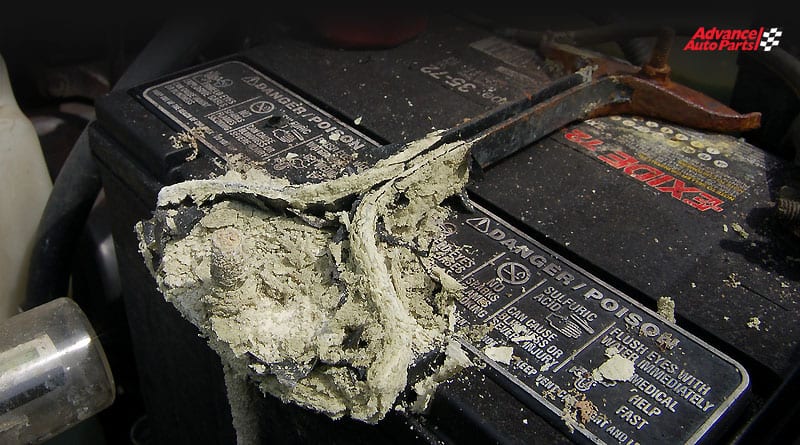
- Corrosion: It can damage metal parts of your car if it leaks.
If you ever need to touch a battery or check the fluid, always wear gloves and goggles. And work in a place with good air flow.
How to Check and Maintain Battery Acid Levels
Keeping the acid at the right level is the secret to a long-lasting battery. I check mine every few months, and it takes just a few minutes.
Follow these simple steps:
- Park your car on a flat surface and turn off the engine.
- Open the hood and locate the battery.
- Look at the fill caps on top (if your battery has them).
- Use a flashlight to peek inside each cell.
- If the fluid is below the lead plates, add a small amount of distilled water.
- Don't overfill. The fluid should just cover the plates.
- Close the caps tightly and wipe up any spills.
Pro tip: Never use tap water. It has minerals that can mess up the chemical balance. Always stick with distilled water.
What Happens When Battery Acid Levels Are Low?
Low acid levels can cause all sorts of problems. I've seen batteries fail just because someone forgot to top off the water.
Here are common signs of low acid:
- Slow engine cranking
- Dim headlights
- Warning light on the dashboard
- Swollen battery case
- Strange smell like rotten eggs
If you catch it early, you can often fix it by adding distilled water. But if you wait too long, the battery may be toast and need replacing.
How to Safely Handle a Car Battery Spill
Accidents happen. I once knocked over a battery in my garage, and it was a mess. Here's what I learned:
- Put on gloves and goggles right away.
- Use baking soda to neutralize the acid. It bubbles up, which means it's working.
- Wipe it up with paper towels or a rag.
- Throw away the cleanup materials in a sealed bag.
- Rinse the area with plenty of water.
Never try to clean it up with your bare hands. And keep that baking soda handy. It's a lifesaver.
Can You Replace Battery Acid at Home?
You can top it off with distilled water, but you shouldn't try to replace the acid itself unless you really know what you're doing. In most cases, if the acid is bad, it's better to just get a new battery.
Here's why:
- The acid is already mixed just right from the factory.
- Adding new acid can mess up the balance.
- Old batteries lose acid strength over time, not just water.
- A new battery is safer and more reliable.
If your battery is more than four or five years old and acting up, it's probably time for a fresh one.
Different Types of Car Batteries and Their Acid
Not all car batteries use the same acid setup. Here's a quick look:
- Flooded lead-acid: The classic type with caps you can open. Uses liquid sulfuric acid.
- AGM (Absorbent Glass Mat): Sealed and maintenance-free. Acid is absorbed in glass mats.
- Gel batteries: Uses a gel-like acid. Great for deep cycles.
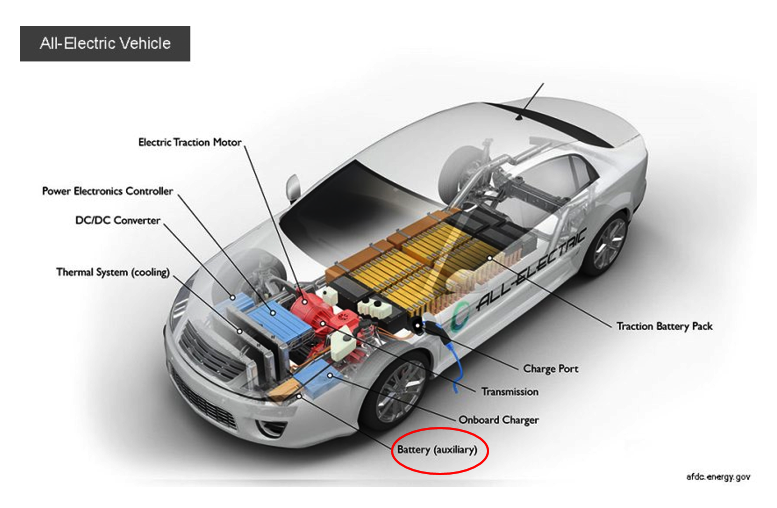
- Lithium-ion: Some newer cars use lithium batteries instead. They don't use sulfuric acid at all.
If you're not sure what kind you have, check the label or ask your mechanic.
Tips to Make Your Battery Acid Last Longer
A little care goes a long way. I've gotten batteries to last over six years just by following these tips:
- Keep the battery clean and dry on the outside.
- Check the fluid every few months.
- Make sure the terminals are tight and rust-free.
- Don't let the car sit for weeks without driving.
- Turn off lights and electronics when the engine is off.
- Park in a garage during extreme cold or heat.
Think of it like a pet. It needs a little love and care, and it'll be loyal for years.
Common Myths About Car Battery Acid
There are a lot of myths out there. Let me clear up a few:
- Myth: All battery acid is the same. Fact: Different batteries use different formulas.
- Myth: You should add acid when it's low. Fact: You should add water, not acid.
- Myth: A dead battery means the acid is gone. Fact: It usually just means it's discharged.
- Myth: Sealed batteries have no acid. Fact: They do, it's just sealed inside.
- Myth: Battery acid is the same as pool acid. Fact: Pool acid is weaker and not the same mix.
Frequently Asked Questions
What kind of acid is in a car battery?
Car batteries contain sulfuric acid diluted with distilled water, usually around 30 to 50 percent acid. This mix is called electrolyte and helps the battery make electricity.
Is the acid in a car battery the same as battery acid you buy in stores?
Yes, most store-bought battery acid is sulfuric acid made for lead-acid batteries. But it's best to use what your battery maker recommends, and always top off with distilled water, not new acid.
Can car battery acid kill you?
It can cause serious burns and damage, but it's not usually deadly in small amounts. Still, you should always wear gloves and goggles and get medical help if it touches your skin or eyes.
What does battery acid smell like?
It often smells like rotten eggs because of the sulfur. If you smell something strong near your battery, it might be leaking or overcharging.
How do I know if my battery acid is low?
If your battery has removable caps, you can look inside. The fluid should cover the lead plates. If it doesn't, add a little distilled water until it does.
Final Thoughts
So, what is the acid in car batteries? It's sulfuric acid mixed with water, and it's the key player that brings your battery to life. From starting your engine to powering your radio, this humble liquid does it all. I've seen firsthand how a little care can make a battery last for years, and how ignoring it can leave you stranded. Now that you know what's inside and how it works, you can take better care of your battery and avoid nasty surprises. Got questions or your own battery story? Drop a comment below, I'd love to hear it.