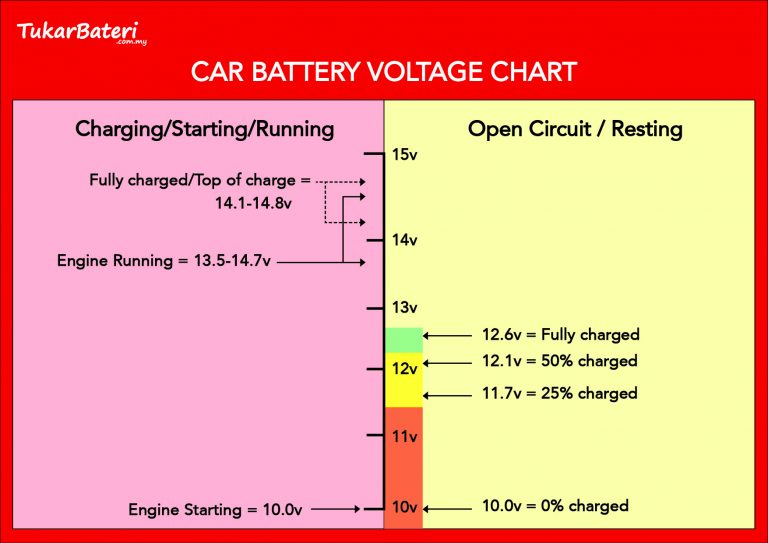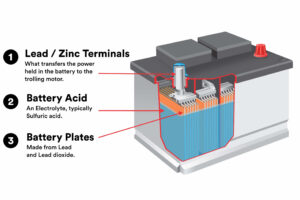
The liquid inside most car batteries is a mix of sulfuric acid and water, commonly called battery electrolyte. This solution is the lifeblood of traditional lead-acid batteries, allowing them to store and deliver the electrical power your car needs to start and run.
If you have ever popped the hood and wondered what is sloshing around under those caps, you are not alone. The liquid in car batteries is one of those things most drivers never think about until something goes wrong. Understanding what it is, how it works, and how to handle it safely can save you money, extend your battery's life, and keep you protected from a seriously corrosive substance. Let me walk you through everything I have learned from years of dealing with car batteries, from simple maintenance to tricky replacements.

What Exactly Is the Liquid in a Car Battery?
The liquid in a standard car battery is called electrolyte, and it is made up of roughly 35% sulfuric acid and 65% distilled water. In a fully charged battery, this mix has a specific gravity of about 1.265, which means it is heavier than water. The sulfuric acid acts as the active ingredient, while the water simply dilutes it to the right strength so the chemical reaction can happen safely inside the lead plates.
Think of it like making a strong cup of coffee. The water is the carrier, but the acid is what does the real work. Without the proper balance, the battery cannot generate the voltage your car needs to run.
There are a few different types of car batteries, and not all of them use liquid in the same way:
- Flooded lead-acid batteries are the most common type, and they have visible liquid electrolyte that you can actually see if you remove the caps.
- Absorbed Glass Mat (AGM) batteries still use the same sulfuric acid solution, but it is held inside fiberglass mats rather than sloshing freely.
- Gel batteries use a thickener to turn the liquid into a gel-like substance, which makes them spill-proof.
- Lithium-ion batteries, mostly found in electric and hybrid cars, do not use liquid electrolyte at all. They use a different chemistry altogether.
If you are driving a regular gasoline car, chances are you have a flooded lead-acid battery under the hood, which means the liquid in car batteries is very relevant to you.

Why the Electrolyte Matters
The electrolyte is not just there for show. It plays a critical role in how your battery works. When you turn the key or push the start button, the battery sends a burst of electrical energy to the starter motor. That energy comes from a chemical reaction between the lead plates and the sulfuric acid solution.
Here is a simple way to picture it. Imagine two metal plates sitting in a tub of acid. The acid slowly eats away at one plate, and that chemical reaction creates electrons. Those electrons flow through a wire to your car's electrical system, giving you the power to start the engine, run the lights, and play your music.
Without the electrolyte, none of this happens. The liquid is what allows the battery to store and release energy on demand. It is also why batteries can be recharged. When you drive, the alternator pushes energy back into the battery, reversing the chemical reaction and restoring the acid's strength.
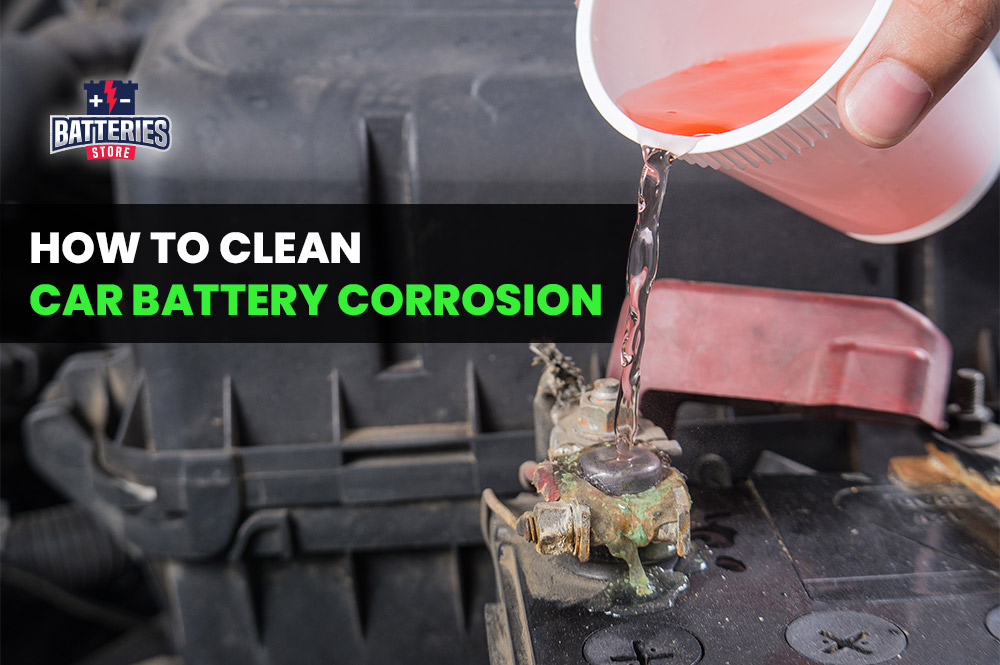
How to Check the Battery Fluid Level
One of the easiest maintenance tasks you can do at home is checking the fluid level in your battery. I learned this the hard way after ignoring a slow-cranking engine for too long, only to find out my battery was basically dry. Now I check it twice a year, and my batteries last much longer.
Here is how you can do it safely:
- Make sure the engine is off and the battery has cooled down.
- Put on gloves and safety glasses. Sulfuric acid is no joke.
- Remove the caps on top of the battery. Some batteries have a single cover, while others have individual caps per cell.
- Look inside each cell. The fluid should cover the lead plates by about half an inch.
- If the level is low, top it off with distilled water. Never use tap water, because minerals in tap water can damage the battery.
- Put the caps back on securely and clean up any spills with a baking soda and water mix.
Checking the fluid takes less than ten minutes, and it can add years to the life of your battery. I have personally seen batteries last over six years just because the owner kept the fluid topped up and the terminals clean.

What Happens When the Fluid Level Drops
The liquid in car batteries does not last forever. Over time, a process called gassing causes water to evaporate out of the electrolyte. This happens when the battery gets hot during charging, and small amounts of water vapor escape through the vents. You might notice a slight smell of rotten eggs if this is happening.
When the fluid level drops, the lead plates inside the battery get exposed to air. This causes two big problems:
- Sulfation happens when the exposed lead reacts with the air and forms hard lead sulfate crystals. These crystals reduce the battery's ability to hold a charge.
- Corrosion speeds up on the exposed plates, and the battery's overall capacity drops.
If the fluid level gets too low, the battery will eventually fail to start your car. I have seen drivers stranded in parking lots because they ignored the warning signs. If your battery is more than three years old and you have never checked the fluid, it is worth doing it today.

Safety Tips for Handling Battery Fluid
I cannot stress this enough. The liquid in car batteries is dangerous. Sulfuric acid can burn your skin, eat through your clothes, and damage your car's paint in seconds. I have a small scar on my forearm from a careless splash years ago, and it taught me to take this stuff seriously.
Here are some non-negotiable safety tips:
- Always wear gloves and eye protection when working around the battery.
- Work in a well-ventilated area because the fumes can be harmful.
- Keep baking soda nearby to neutralize any spills. A paste of baking soda and water will stop the acid from spreading.
- Never smoke or use open flames near a battery. Charging batteries release hydrogen gas, which is highly flammable.
- Dispose of old batteries properly. Most auto parts stores will take them off your hands for free and recycle them safely.
If you get battery acid on your skin, flush the area with clean water for at least 15 minutes and seek medical attention if the burn is severe. Trust me, you do not want to learn this the hard way.

How Long Does Battery Fluid Last?
The good news is that the sulfuric acid itself does not get used up. It simply changes form during charging and discharging. What you lose over time is water through evaporation, and that is why you may need to top off the fluid occasionally.
In a well-maintained battery, the fluid can last the entire life of the battery, which is typically three to five years. In hot climates or with heavy use, the water may evaporate faster, so more frequent checks are needed. I live in a place where summer temperatures regularly hit 100°F, and I check my battery fluid every four months instead of six.
If you find yourself adding water more than once every few months, it could be a sign of an overcharging alternator, which is pushing too much voltage into the battery and boiling off the water. In that case, have your charging system checked by a professional.

Modern Batteries and the Move Away from Liquid
Car battery technology has come a long way. While traditional flooded batteries are still the most affordable and widely used option, many newer cars now come with AGM or gel batteries. These sealed batteries do not require you to add water, and they are far more resistant to vibration and temperature changes.
The trade-off is cost. AGM batteries can be two to three times more expensive than standard flooded batteries, but they also tend to last longer and perform better in vehicles with stop-start technology or heavy electrical loads. If your car came with an AGM battery from the factory, it is best to replace it with the same type to avoid electrical issues.
Electric vehicles do not use this kind of liquid at all. Instead, they rely on lithium-ion battery packs that use a different kind of electrolyte, usually a gel or solid-state material. While the chemistry is different, the goal is the same. Store energy and release it when needed to power the vehicle.

Common Misconceptions About Battery Fluid
There are a few myths floating around about the liquid in car batteries that I want to clear up. First, some people think you can use tap water to top off a battery. Please do not do this. Tap water contains minerals like calcium and magnesium that can react with the lead plates and ruin the battery. Always use distilled water, which is cheap and available at any grocery store.
Another myth is that you can revive a dead battery by adding acid. If the fluid level is low, the problem is almost always missing water, not missing acid. Adding more sulfuric acid will not help and could actually damage the battery further. Stick with distilled water and let the charging cycle do the rest.
Finally, some folks believe that a battery that is completely dry can be saved by just adding fluid. While it might work in some cases, a deeply discharged and dried-out battery has likely suffered permanent damage to the plates. It is usually better to replace it.
Frequently Asked Questions
Is the liquid in a car battery dangerous?
Yes, the liquid in a car battery is highly corrosive because it contains sulfuric acid. It can cause chemical burns on your skin, damage your eyes, and eat through clothing and paint. Always wear protective gear when handling it and work in a ventilated area.
Can I use tap water in my car battery?
No, you should only use distilled water to top off a car battery. Tap water contains minerals and impurities that can damage the internal lead plates and shorten the battery's lifespan. Distilled water is pure and safe for battery use.
How often should I check the battery fluid level?
It is a good idea to check the battery fluid level every six months under normal conditions. In hot climates or with heavy electrical use, check it every three to four months. Keeping the fluid at the right level can significantly extend battery life.
What color should the battery fluid be?
Healthy battery fluid should be clear or slightly cloudy. If you notice the fluid is dark, murky, or has a strong rotten egg smell, it could be a sign of a failing battery or overcharging. In that case, have the battery tested or replaced.
Do all car batteries have liquid inside?
Not all of them. Traditional flooded lead-acid batteries have liquid electrolyte inside, while AGM and gel batteries hold the electrolyte in a different form. Lithium-ion batteries, used in electric vehicles, do not use liquid electrolyte in the same way.
Conclusion
Understanding what the liquid in car batteries is and how to care for it can make a real difference in how long your battery lasts and how reliably your car starts every morning. The electrolyte is a simple but powerful mix of sulfuric acid and water, and it is the heart of every traditional lead-acid battery. By checking the fluid level, using only distilled water to top it off, and handling it with care, you can avoid most common battery problems and save yourself the hassle of an unexpected breakdown.
If you have not checked your battery fluid in a while, grab some gloves, a bottle of distilled water, and a few minutes this weekend. Your car will thank you, and your wallet will too. And if you found this guide helpful, share it with a friend who might be overdue for a little car care. Safe driving!