CCA in a car battery measures the cold cranking amps a battery can deliver to start your engine in cold weather. This single number quietly decides whether your car fires up on a freezing Monday morning or leaves you stranded in a parking lot with a dead engine.
If you have ever stood by your car turning the key again and again in the cold and heard nothing but a weak click, CCA was likely the silent villain behind the scene. I have been there more times than I care to admit, and it always comes back to the same lesson: a battery is not just about voltage, it is about raw starting power when conditions get tough. Let me break it all down so you understand exactly what CCA means, why it matters, how it compares to other ratings, and how to pick the right battery for your car.

What Does CCA Actually Stand For
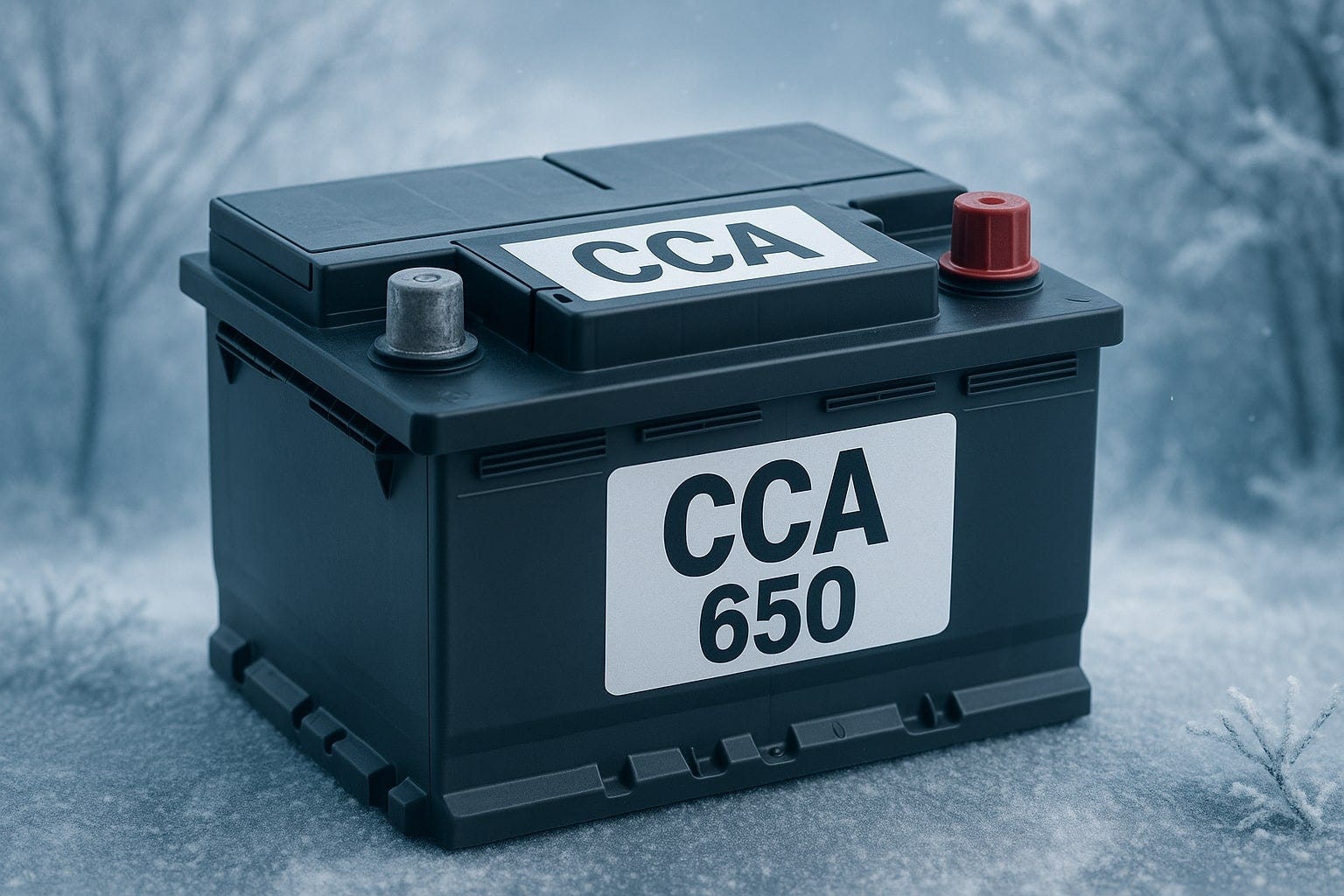
CCA stands for Cold Cranking Amps. It is a standardized rating that tells you how much current a fully charged 12 volt car battery can deliver for 30 seconds at 0 degrees Fahrenheit while still maintaining at least 7.2 volts. The higher the CCA, the stronger the burst of power your battery can push into the starter motor when temperatures drop and engine oil thickens.
Think of CCA like a sprinter's first step. Your battery does not need to run a marathon. It just needs that one powerful burst to crank the engine to life. Once the engine fires, the alternator takes over and the battery steps back to its support role.
A few things worth knowing:
- The rating is tested at 0°F (around minus 18°C), which is harsher than most winters
- It measures sustained output, not a quick spike
- It reflects real world starting stress, not just lab numbers
- Batteries with higher CCA handle cold weather more confidently
Why CCA Matters More Than You Think
Most people look at a battery and see one thing, voltage. They assume 12 volts is 12 volts and that is all that matters. But voltage only tells you the electrical pressure. CCA tells you how much current that pressure can push. And when the engine is cold, the starter motor needs a lot of current.
Here is what happens under your hood in cold weather:
- Engine oil thickens, creating more resistance
- The starter motor has to work harder
- Chemical reactions inside the battery slow down
- The battery has less usable power
A weak battery with low CCA may crank slowly, crank once and give up, or do absolutely nothing. A strong battery with high CCA shrugs off the cold and fires the engine without drama.
I learned this the hard way with an old truck I drove through a New England winter. The battery spec said 600 CCA, which sounded fine on paper. But on mornings below 10°F, that truck struggled. After upgrading to a 750 CCA battery, the difference was instant. The engine spun faster, fired quicker, and the whole start felt healthier. That was my first real lesson that CCA is not a marketing number, it is a real performance metric.
CCA vs Other Battery Ratings You See on the Label
Battery labels are full of confusing letters and numbers. Here is how the most common ratings compare.
CCA (Cold Cranking Amps) is measured at 0°F for 30 seconds.
CA (Cranking Amps) is measured at 32°F. The number looks bigger but the test is easier, so do not be fooled.
MCA (Marine Cranking Amps) is similar to CA and used for boat engines.
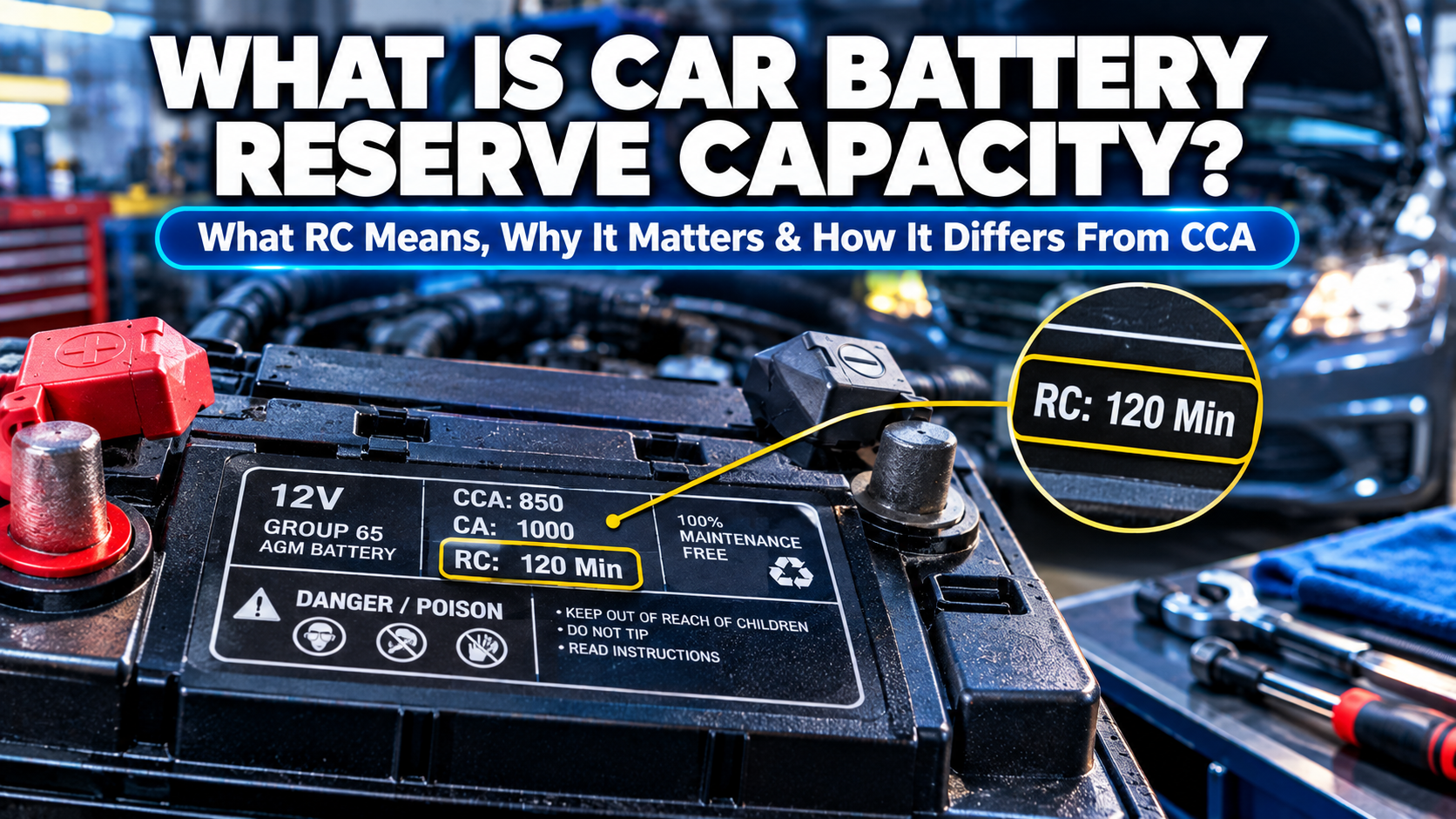
RC (Reserve Capacity) tells you how long the battery can run accessories if the alternator fails. This is measured in minutes, not amps.
Ah (Amp Hours) tells you how much energy the battery stores. This is more relevant for deep cycle batteries than starting batteries.
So if you see a battery with 800 CCA and 650 CA, the CCA is the harder, more meaningful rating. A battery with high CCA but low reserve capacity is built for starting. A battery with high reserve capacity but moderate CCA is built for accessory use. Most cars need a balance, with CCA being the headline number.
How CCA Affects Different Climates and Driving Styles
Not every driver needs the same CCA. The right number depends on where you live, how you drive, and what kind of engine sits under your hood.
Here is a simple way to think about it:
- Hot climates with mild winters: You can often get away with the manufacturer recommended CCA or slightly above
- Cold climates with freezing winters: Higher CCA gives you a safer margin and faster starts
- Large displacement engines, diesels, or performance cars: They draw more current at startup, so they benefit from stronger CCA
- Light commuter cars in warm regions: Stock CCA is usually enough
- Cars parked outdoors in winter: Higher CCA is a smart upgrade
A diesel engine, for example, has much higher compression than a gasoline engine. It needs serious cranking power, especially in cold weather. Putting a low CCA battery in a diesel is asking for trouble. I have seen diesel owners stuck on cold mornings because they cheaped out on a battery that could not handle the compression.
How to Choose the Right CCA for Your Car
Picking the right battery is not about chasing the biggest number on the shelf. It is about matching the battery to your vehicle and your environment. Here is a practical step by step approach.
- Check your owner's manual for the recommended CCA range
- Match or slightly exceed the minimum rather than going way under
- Consider your climate and add some buffer if winters are harsh
- Look at battery group size so it physically fits your tray
- Check terminal orientation so the cables reach without strain
- Buy from a reputable brand with a solid warranty
A common mistake I see is people buying a cheap battery with low CCA because it saves 20 dollars. Then they replace it again next year because it failed. A quality battery with the right CCA almost always wins on long term value. Think of it as paying a little more now to avoid a tow truck later.
What Happens When CCA Drops Over Time
Every battery loses CCA as it ages. This is normal and happens for a few reasons.
- Sulfation builds up on the internal plates
- Active material slowly degrades
- Electrolyte balance shifts over time
- Heat and vibration take a toll on internal components
You might not notice the drop in CCA at first. The car starts fine on a warm day. Then one cold morning, you get that slow crank. Then the next morning it is worse. That slow decline is why batteries often seem to fail out of nowhere, when really they were weakening for months.
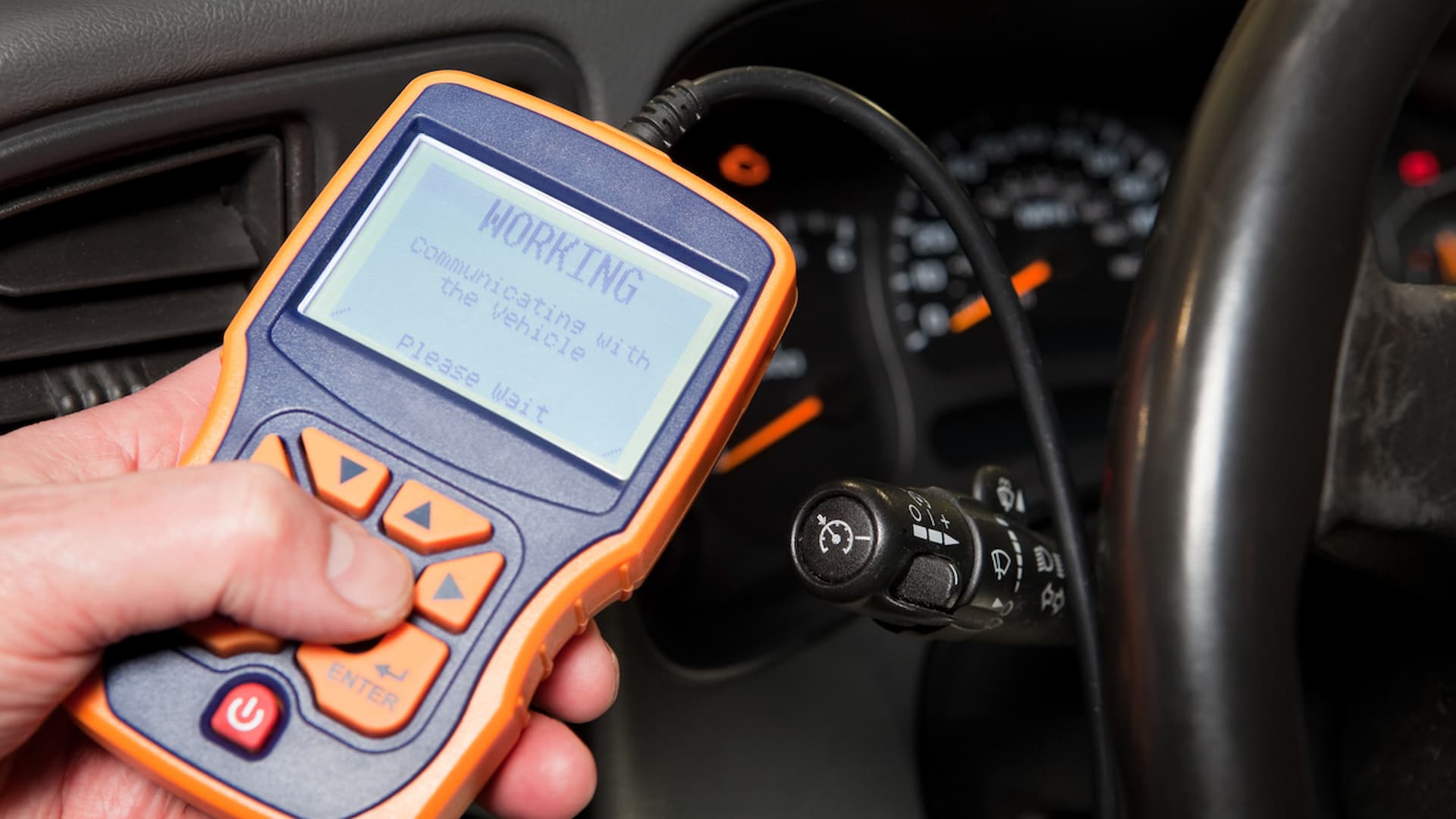
A good habit is to test your battery before winter hits. Many auto parts stores will do a free load test that checks voltage under stress. It is a small time investment that can save you a stranded morning. I make this part of my pre winter routine and it has saved me more than once.
Common Myths About CCA Worth Clearing Up
There are a lot of myths floating around about battery ratings. Let me clear up the ones I hear most.
- Higher CCA always means a better battery: Not always. If it does not fit your car or exceeds what your charging system was designed for, it adds cost without benefit
- All batteries with the same CCA perform the same: Build quality, plate design, and brand matter a lot
- CCA does not matter in warm weather: It matters less, but it still matters for engine starts
- You can mix CCA ratings in dual battery setups: Generally you want matched batteries for balanced performance
- A dead battery just needs a jump to come back: A jump starts the car, but if the battery is old or weak it will fail again soon
Tips to Maximize Battery Life and Protect Your CCA Rating
You cannot stop a battery from aging, but you can slow it down and protect its cranking power. A few simple habits go a long way.
- Keep the terminals clean and tight
- Make sure the battery is secured and not vibrating in the tray
- Avoid deep discharges from leaving lights or accessories on
- Drive the car regularly so the alternator can fully recharge the battery
- Park in a garage or use an insulator in extreme climates
- Test the battery annually once it passes the three year mark
I have kept batteries alive for five and even six years by following these habits. The ones I neglected? They were dead by year three. The difference was never about luck, it was always about care.
Frequently Asked Questions About CCA in Car Batteries
Is higher CCA better for any car
Higher CCA is better only if your car needs it. Going well above the recommended range adds cost without real benefit, while going below it risks hard starts in cold weather.
What happens if I install a battery with lower CCA than recommended
Your car may start fine in warm weather but struggle or fail to start in cold conditions. It also puts more stress on the starter motor and shortens battery life.
Does CCA affect battery life
Not directly, but a battery that is often stressed by low CCA in cold weather may fail sooner. A properly matched CCA rating helps the battery stay in its comfort zone.
Can I test CCA at home
You can measure voltage with a multimeter, but a proper load test gives the best picture. Many auto parts stores offer this for free and it takes only a few minutes.
How often should I replace my car battery
Most car batteries last three to five years. In hot climates, lifespan tends to be shorter. In cold climates, weak batteries fail faster. Testing yearly after year three is a smart approach.
Final Thoughts
CCA is one of those numbers that looks small on a label but carries huge real world weight. It is the difference between a confident start on a freezing morning and a frustrating click of silence. Understanding what CCA means, how it compares to other ratings, and how it fits your climate and engine is the kind of knowledge that pays off every single time you turn the key.
Take a few minutes to check your current battery, match it to your car's needs, and think about your climate before you buy. A little attention to CCA today will save you cold mornings, wasted time, and unnecessary tows tomorrow. Your car will thank you for it, and your future self will too. Drop a comment below with your battery story or any CCA tip you swear by, and feel free to share this guide with anyone gearing up for winter driving.