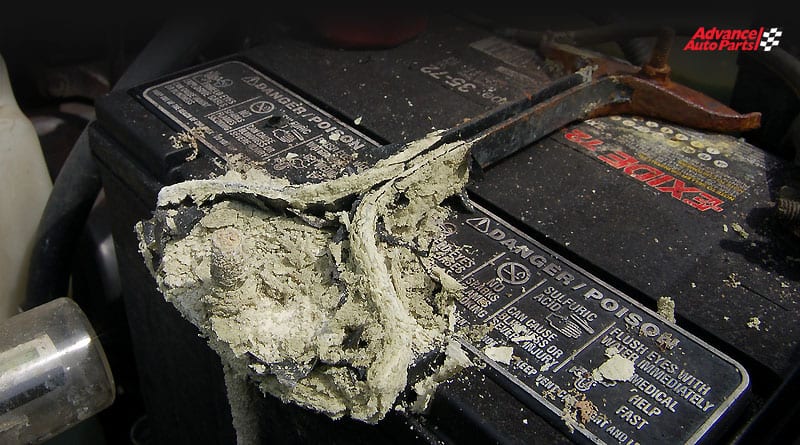
Battery corrosion in cars is mainly caused by hydrogen gas leaking from the battery terminals, which reacts with surrounding elements to form a crusty, damaging residue.
If you've ever popped your hood and noticed a white, blue, or greenish powdery substance around your battery terminals, you're not alone. This is one of the most common issues mechanics see, and it can leave even the most seasoned drivers scratching their heads. Over the years, I've helped countless car owners diagnose, clean, and prevent battery corrosion, and the truth is, understanding what causes it can save you hundreds of dollars in repairs. This guide breaks down everything you need to know in plain, simple terms.

What Battery Corrosion Actually Is
Before we dive into the causes, it helps to know exactly what's happening when you see that crusty buildup. Battery corrosion is a chemical residue that forms on or around your car's battery terminals, the metal posts that connect the battery to your vehicle's electrical system.
The buildup is usually a mix of:
- Lead sulfate
- Copper sulfate
- Hydrogen gas byproducts
In most cases, it looks like a white, ashy powder or a blue-green crust. While it might seem harmless at first glance, it can block the flow of electricity, weaken your battery's performance, and eventually leave you with a car that won't start.
The Main Causes of Battery Corrosion in Cars
Now that you know what it looks like, let's break down the actual reasons it happens. From my experience working with car batteries, I've seen these causes show up over and over again.
Hydrogen Gas Leakage
The single most common cause of battery corrosion is hydrogen gas escaping from the battery itself. Here's the simple version of how it works:
- Your car battery contains sulfuric acid and water.
- During normal charging and discharging, small amounts of hydrogen gas are released.
- That gas escapes through the vent caps on top of the battery.
- Once it hits the metal terminals, it reacts and forms that crusty corrosion.
This is especially common in older batteries or ones that are overcharged.
Overcharging the Battery
When your car's alternator sends too much voltage to the battery, it speeds up the chemical reaction inside. This means more hydrogen gas and more acid vapors leaking out.
I've seen this happen most often in vehicles where:
- The voltage regulator is faulty
- The alternator is overworking
- The driver frequently takes very short trips, leaving the battery in a constant state of charging
Overcharging doesn't just cause corrosion. It can also shorten the overall life of your battery.
Battery Age and Wear
Like most car parts, batteries don't last forever. As they age, the internal components break down, seals weaken, and more gases leak out.
Most car batteries last between three and five years. Once they hit that age range, corrosion becomes much more likely. I always tell my friends and clients to keep track of when their battery was installed, because age is one of the biggest predictors of corrosion problems.
Loose or Damaged Terminal Connections
A loose battery terminal creates extra resistance. When electricity struggles to pass through, it generates heat, which speeds up the chemical breakdown inside the battery.
This can lead to:
- Melted or warped terminal ends
- More acid vapors escaping
- Faster corrosion buildup
If you ever wiggle your battery cables and they feel loose, that's a red flag worth fixing right away.
Battery Overfilling
Some older or non-sealed batteries allow you to add distilled water to the cells. If you accidentally overfill them, the excess fluid can leak out and react with the terminals and surrounding metal parts.
Even a small amount of spilled battery acid can cause:
- White or bluish corrosion
- Damage to nearby wiring
- A reduced battery lifespan
Extreme Temperatures and Climate Conditions
Heat and cold both play a role in battery corrosion. Hot weather speeds up the chemical reactions inside the battery, which leads to more gas release. Cold weather, on the other hand, can cause the battery to work harder, generating more internal heat and stress.
If you live in a region with extreme temperature swings, you'll likely notice corrosion forming more quickly than someone in a mild climate.
Electrical System Issues
Sometimes the problem isn't the battery itself, but the electrical system around it. Things like a failing alternator, bad ground connections, or voltage spikes can all create conditions that lead to corrosion.
In my own experience, I've seen vehicles come in with what looked like a simple corrosion problem, only to find a hidden electrical issue that was the real root cause.
How Battery Corrosion Affects Your Car
Corrosion isn't just an eyesore. It can cause real, expensive problems if left alone. Here's what can happen when it builds up:
- Poor electrical connection: The crusty layer acts as an insulator, making it harder for power to flow from the battery to the rest of the car.
- Difficulty starting the engine: A weak connection can leave you with slow cranking or a no-start condition.
- Dim headlights and flickering electronics: Your lights, radio, and dashboard accessories may behave erratically.
- Shortened battery life: Corrosion can permanently damage the terminals, forcing you to replace the battery sooner.
- Damage to wiring and nearby components: If corrosion spreads, it can eat through cables and connectors.
How to Clean Battery Corrosion Safely
If you're dealing with corrosion right now, the good news is it's pretty easy to clean. Here's the simple step-by-step process I've used dozens of times:
- Turn off your car and remove the keys.
- Put on gloves and safety glasses.
- Disconnect the negative terminal first, then the positive.
- Mix a tablespoon of baking soda with a cup of water.
- Pour the mixture over the corroded areas.
- Use an old toothbrush or wire brush to scrub away the buildup.
- Rinse with clean water and dry everything thoroughly.
- Reconnect the positive terminal first, then the negative.
- Apply a thin layer of petroleum jelly or terminal protectant to help prevent future corrosion.
It's a quick job, usually taking less than 30 minutes, and it can make a huge difference in how your battery performs.
How to Prevent Battery Corrosion in the Future
Once your terminals are spotless, the next step is keeping them that way. Here are a few habits I've picked up over the years that really help:
- Check your battery every few months, especially before and after extreme weather seasons.
- Make sure the terminals are tight and secure.
- Avoid overcharging by having your alternator checked regularly.
- Use anti-corrosion pads or terminal sprays.
- Replace your battery before it reaches the end of its expected lifespan.
- Keep the top of the battery clean and dry.
These small steps go a long way. In my own vehicles, I've gone years without seeing any corrosion just by following this simple routine.
Common Myths About Battery Corrosion
Over the years, I've heard a lot of misinformation about this topic. Let's clear up a few common myths:
- Myth: Corrosion means your battery is dead.
- Truth: Not always. Corrosion often just means your battery is venting more gas than usual. Cleaning it can restore full function.
- Myth: You should use Coca-Cola to clean battery terminals.
- Truth: While it's acidic enough to remove corrosion, it also leaves behind sugary residue that can cause more problems. Stick with baking soda and water.
- Myth: Once corrosion appears, you must replace the entire battery.
- Truth: Most cases just need a good cleaning and a check of your charging system.
When to Call a Professional
Sometimes battery corrosion is a sign of a bigger issue. If you clean the terminals and the problem keeps coming back within a few weeks, it's time to dig deeper. You may be dealing with:
- A failing alternator
- A voltage regulator issue
- Internal battery damage
- A parasitic electrical drain
In these cases, a quick visit to your trusted mechanic can save you from being stranded later.
Frequently Asked Questions
Is battery corrosion dangerous?
Yes, it can be. The residue often contains dried battery acid, which is corrosive and can irritate your skin and eyes. Always wear gloves and eye protection when cleaning it.
Can I still drive my car with battery corrosion?
You can, but it's not a good idea. Corrosion weakens the electrical connection, and you may find yourself stranded with a car that won't start.
What color is battery corrosion?
It depends on the type of battery and what's reacting. Most often it's white, gray, or blue-green. Blue-green usually means copper sulfate, which forms when corrosion spreads to copper cables.
How often should I check for battery corrosion?
Every three to six months is a good rule of thumb. If you live in a hot climate or have an older battery, check more often.
Does battery corrosion mean I need a new battery?
Not always. Cleaning the terminals often solves the problem. But if your battery is more than four or five years old, it might be time for a replacement.
Final Thoughts
Battery corrosion might seem like a small thing, but it's one of those issues that's much easier to handle when you catch it early. Now that you know what causes it, from hydrogen gas leaks and overcharging to loose connections and extreme temperatures, you have everything you need to keep your battery clean, your electrical system strong, and your car starting reliably every single time. If you've dealt with battery corrosion before, I'd love to hear what worked for you. Drop a comment below with your own tips or experiences.