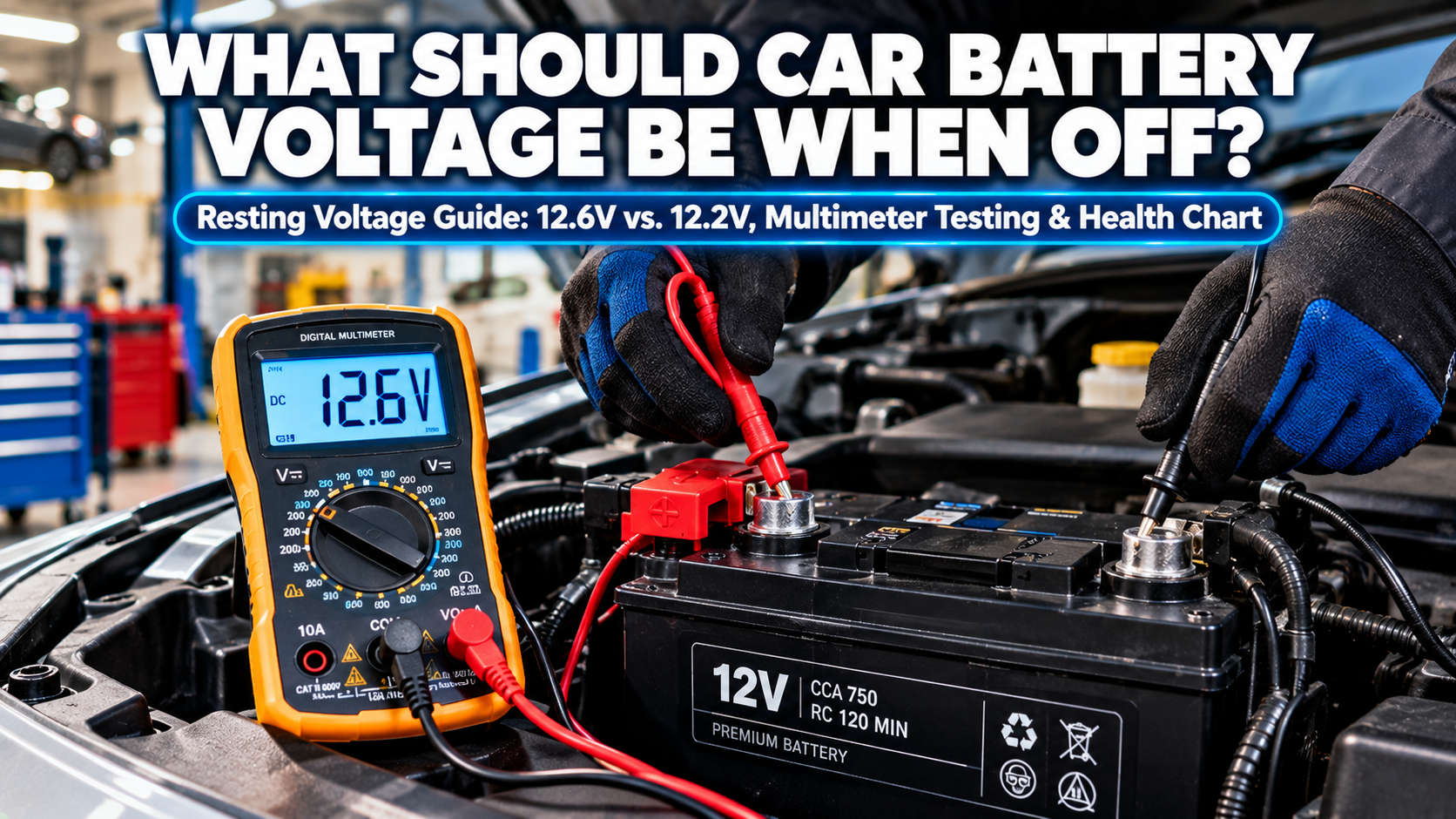
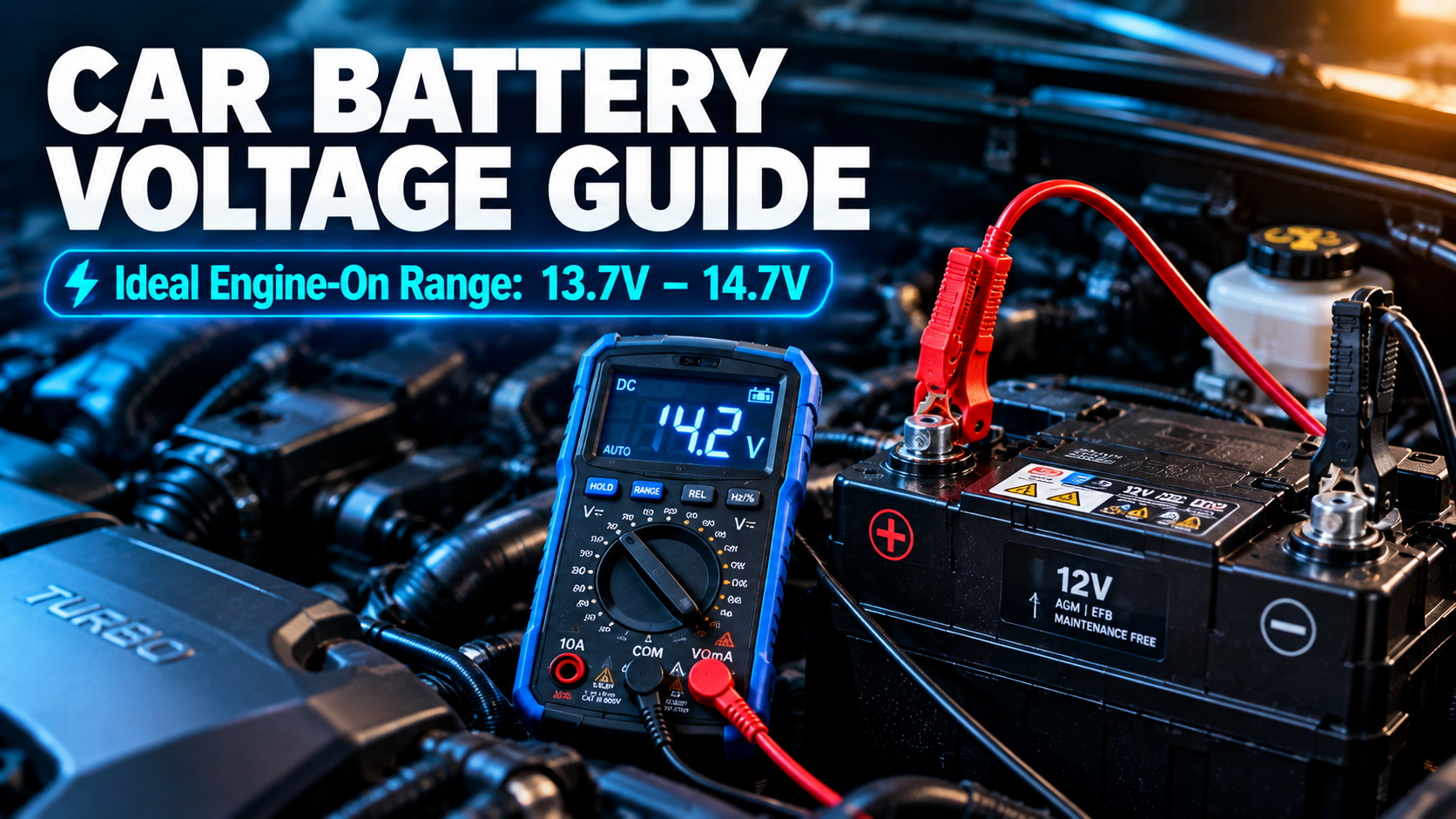
A dead car battery usually happens when your car sits unused, the alternator fails, or you accidentally leave the lights on overnight. Cold weather and old age can also drain it fast.
Picture this: you're rushing to work on a busy Monday, you turn the key, and nothing happens. Just a sad clicking sound or total silence. That frustrating moment usually traces back to a dead battery, and trust me, I've been there more times than I care to admit. Over the years, I've learned that understanding the real reasons behind a dead car battery can save you time, money, and a lot of stress. Let me walk you through the most common causes so you can avoid that dreaded morning surprise.
The Most Common Causes of a Dead Car Battery
Car batteries don't die out of nowhere. There's always a reason, and most of them come down to habits, wear, or simple oversights. Here's a closer look at what usually kills a battery.
Leaving Lights or Accessories On
This one is the classic mistake almost everyone makes at least once. You park the car, forget to turn off the headlights, an interior light, or maybe the dome lamp, and by morning the battery is completely drained.
Your battery powers all those small electrical features, and when the engine isn't running, the alternator isn't there to recharge it. So the battery slowly leaks energy until it has nothing left. I once left my trunk light on for two days, and when I came back, the car wouldn't even unlock with the key fob.
Parasitic Drain From Electrical Components
Even when everything is turned off, your car still pulls a tiny bit of power from the battery. That's normal. Things like the clock, alarm system, radio memory, and computer settings all need a small stream of electricity.
But when that drain becomes too much, it slowly kills the battery. Faulty wiring, a stuck relay, or a malfunctioning sensor can cause excessive parasitic drain. If your battery keeps dying even after a full charge, this is often the silent culprit.
A Weak or Failing Alternator
The alternator is basically your battery's best friend. It keeps the battery charged while the engine runs and powers all the electronics while driving. When it starts to fail, the battery has to pick up the slack, and it wasn't built to do that job long-term.
A bad alternator usually shows signs like dim headlights, flickering dashboard lights, or that little battery warning light on your dash. If you ignore those, you'll eventually end up with a dead battery and a car that won't start.
Extreme Weather Conditions
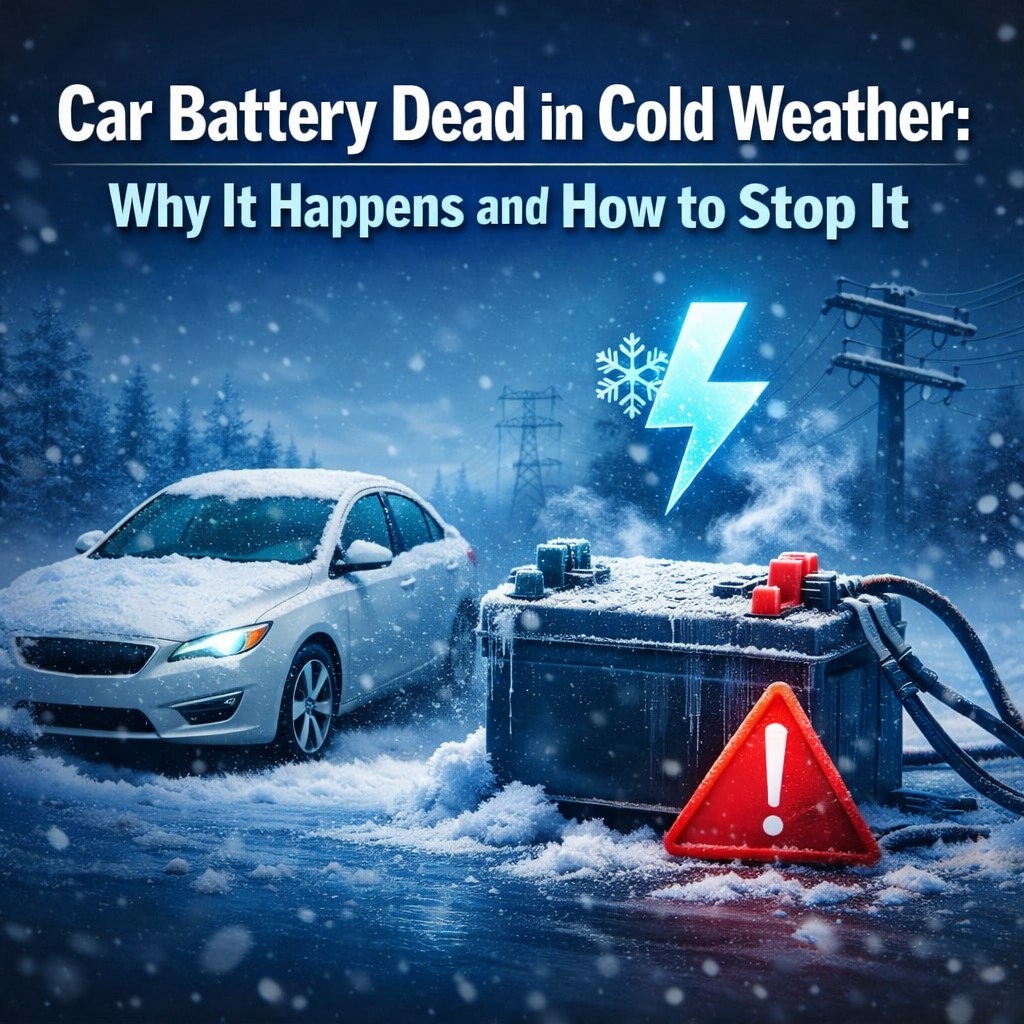
Batteries are tough, but they hate extremes. Cold weather thickens the oil inside your engine, making it harder to turn over, which puts extra strain on the battery. At the same time, freezing temps slow down the chemical reaction inside the battery, reducing its power.
Hot weather isn't any kinder. Heat speeds up corrosion inside the battery and evaporates the fluid inside, shortening its overall lifespan. If you live somewhere with harsh winters or scorching summers, your battery works overtime just to survive.
Old Age and Natural Wear
Every battery has a lifespan, usually between three to five years. After that, the internal components start breaking down. The lead plates corrode, the acid weakens, and the battery loses its ability to hold a full charge.
You don't need to be a mechanic to spot an old battery. Look for a white, powdery substance around the terminals, a bloated case, or a faint sulfur odor. If your battery is over four years old, it's smart to have it tested regularly.
Short Trips That Don't Let the Battery Recharge
If most of your driving is just a few minutes down the road, your battery never gets a chance to fully recharge. The alternator does some work during driving, but short distances don't give it enough time to top off the battery.
Over time, this creates a slow drain. The battery stays partially charged, and starting the car becomes harder and harder. This is one of those things that creeps up on you until one cold morning, the car simply refuses to start.
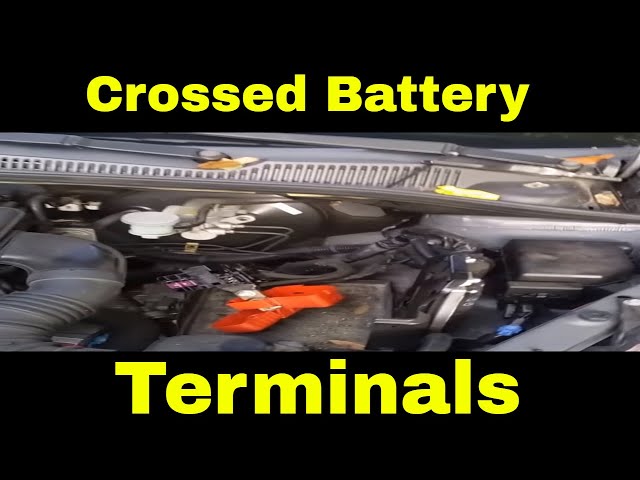
Corroded or Loose Battery Terminals
Sometimes the battery is perfectly fine, but the connection is the problem. Corrosion builds up around the terminals, creating a layer that blocks electricity from flowing. A loose cable can cause the same issue.
You might notice your car struggling to start, flickering lights, or intermittent electrical issues. Cleaning the corrosion with a simple baking soda and water mix, then tightening the terminals, can often fix the problem in minutes.
Faulty Charging System or Voltage Issues
If the voltage regulator or the entire charging system isn't working right, the battery may get too much or too little power. Too much overcharges the battery, boiling the acid inside. Too little means it never fully charges.
Modern cars are sensitive to voltage changes, so even small issues can lead to a dead battery. A quick voltage test can tell you if the alternator and regulator are working as they should.
How to Tell If Your Battery Is About to Die
Most batteries don't just die without warning. There are usually signs leading up to the big moment, and catching them early can save you from being stranded.
Here are the most common warning signs:
- The engine cranks slowly when you try to start the car.
- The headlights look dimmer than usual, especially at idle.
- The battery warning light pops up on your dashboard.
- You hear a clicking sound but the engine doesn't turn over.
- Electrical features like power windows or radio start acting up.
- The battery case looks swollen or bloated.
- You smell a strange, rotten egg scent near the engine.
If you notice one or more of these, it's a good idea to get your battery tested as soon as possible.

How to Prevent a Dead Car Battery
The good news is that most battery problems are preventable with a little care and attention. You don't need to be a mechanic to keep your battery healthy. Just follow these simple habits.
- Drive your car regularly, especially for longer trips, to give the battery a full charge.
- Turn off all lights, accessories, and electronics before exiting the car.
- Keep the battery terminals clean and free of corrosion.
- Check the battery's age and replace it before it hits the five-year mark.
- Have your alternator and charging system tested once a year.
- Park in a garage or shaded area during extreme weather when possible.
- Use a battery maintainer if you store your car for long periods.
These small steps can add years to your battery's life and save you from those frustrating dead-battery mornings.

Common Misconceptions About Dead Car Batteries
There are plenty of myths out there about what kills a battery, and believing them can actually cause more problems. Let me clear up a few of the most common ones.
- Running the radio while parked kills the battery: It does use power, but it usually takes hours to drain a healthy battery.
- Jumping a dead battery damages your car: When done correctly, jump-starting is safe and won't harm the alternator or electronics.
- New batteries don't fail: Even fresh batteries can have defects or be damaged by poor installation.
- Only cold weather kills batteries: Heat is actually more harmful in the long run because it speeds up internal corrosion.
Knowing the facts helps you take better care of your battery and avoid unnecessary replacements.
When to Replace Your Battery vs. Just Recharge It
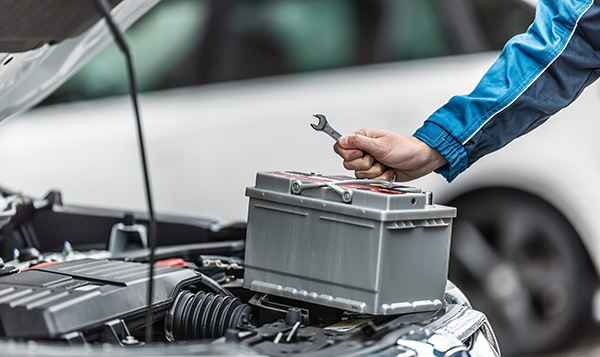
Not every dead battery needs to be replaced. Sometimes a simple recharge is enough, especially if the battery is still relatively new and the cause was something like leaving the lights on.
If the battery is more than three years old and keeps dying, replacement is usually the smarter choice. A mechanic can run a load test to check the battery's overall health and tell you whether it has enough life left to keep using.
I've learned the hard way that throwing money into repeated recharges on an old battery just delays the inevitable. When a battery starts dying more than once or twice a year, it's time to move on.
Frequently Asked Questions
Can a dead battery be revived?
In some cases, yes. If the battery is just drained from leaving lights on, a jump-start or slow charger can bring it back. But if the battery is old or damaged internally, it won't hold a charge and needs to be replaced.
How long should a car battery last?
Most car batteries last between three to five years, depending on climate, driving habits, and maintenance. Regular testing can help you know exactly when it's time for a new one.
Why does my battery keep dying even after a jump?
If the battery keeps dying after being jumped, the problem is usually the alternator, a parasitic drain, or a battery that's reached the end of its life. A proper diagnostic test is the best way to find the real cause.
Does idling the car recharge it?
Idling does put some charge back into the battery, but it's not enough to fully recharge it. Driving at higher RPMs for a longer period is much more effective for restoring battery power.
Can extreme heat kill a battery?
Yes, extreme heat is actually one of the biggest battery killers. It speeds up corrosion, evaporates internal fluid, and shortens the battery's lifespan, especially in hot climates.
Conclusion
A dead car battery is one of those annoying problems that almost every driver faces at some point, but it's also one of the easiest to prevent. Whether it's something as small as leaving a light on or something as serious as a failing alternator, knowing the cause helps you act faster. Pay attention to the warning signs, take care of your battery, and don't wait until you're stranded in a parking lot to deal with it. A little attention now can save you a lot of headaches later. If you've got tips or stories about dealing with a dead battery, drop them in the comments, I'd love to hear them.