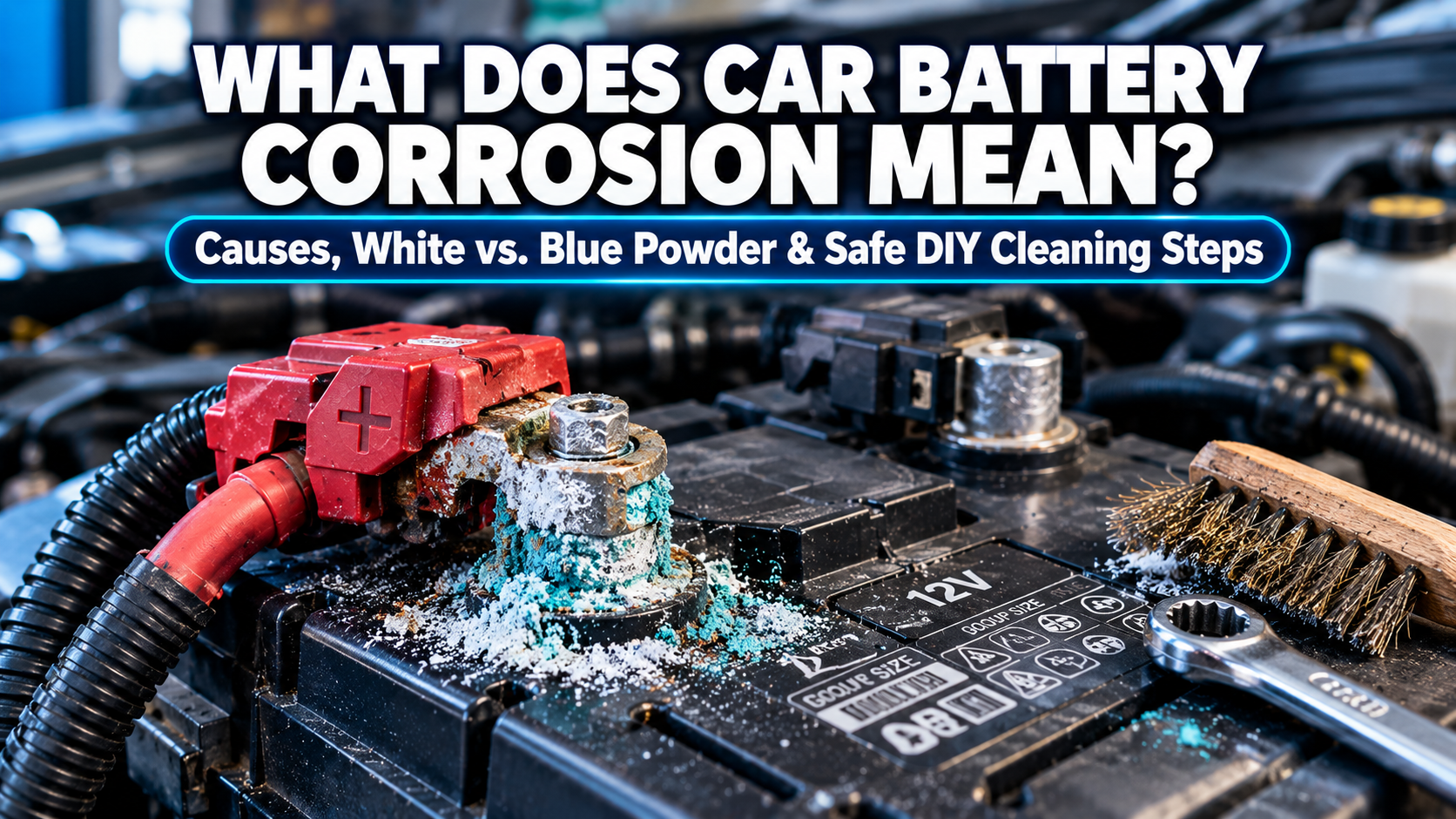
Corrosion on a car battery means chemical buildup on the terminals that blocks power flow and shortens battery life. When you pop your hood and notice a crusty blue, white, or greenish powder around the battery posts, your car is telling you that something is leaking, venting, or simply reacting with the air. As someone who has turned wrenches in everything from beater Civics to family-friendly cars, I can tell you that ignoring that fuzz is one of the fastest ways to end up stranded with a car. Let's walk through what corrosion on a car battery really means, why it happens, and what you can do to keep your car's heart beating strong.
What Exactly Is Battery Corrosion
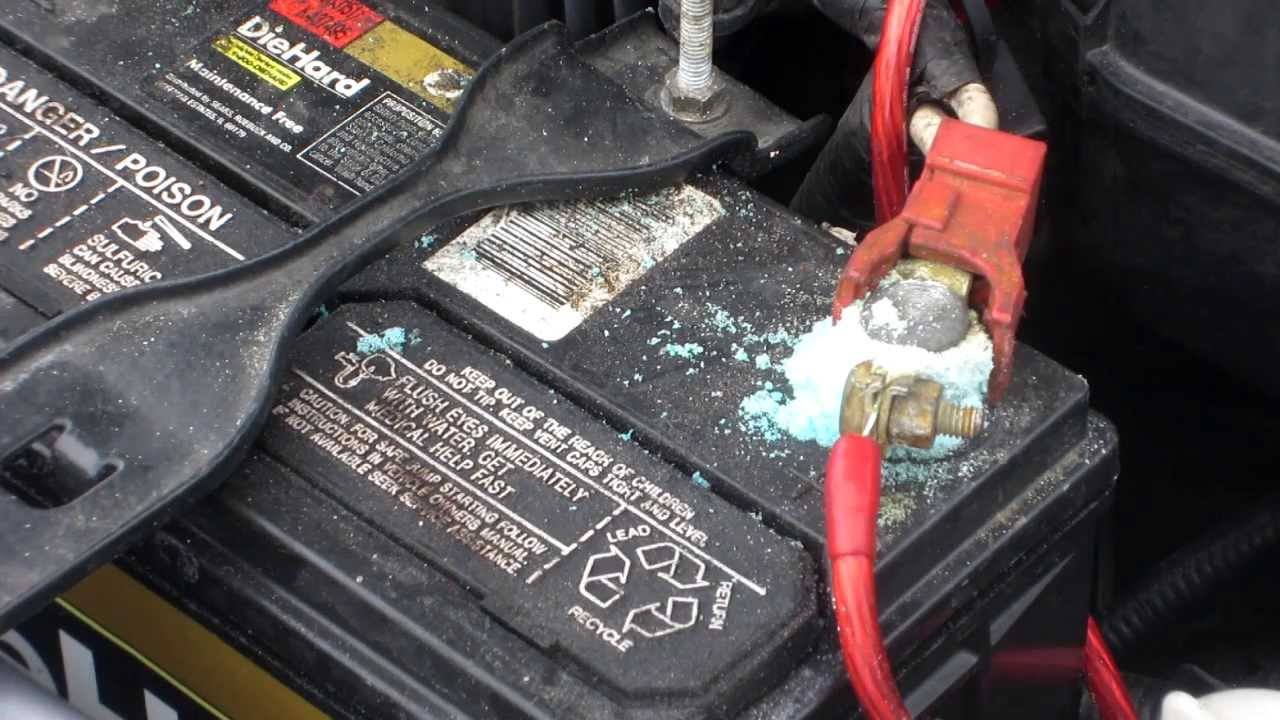
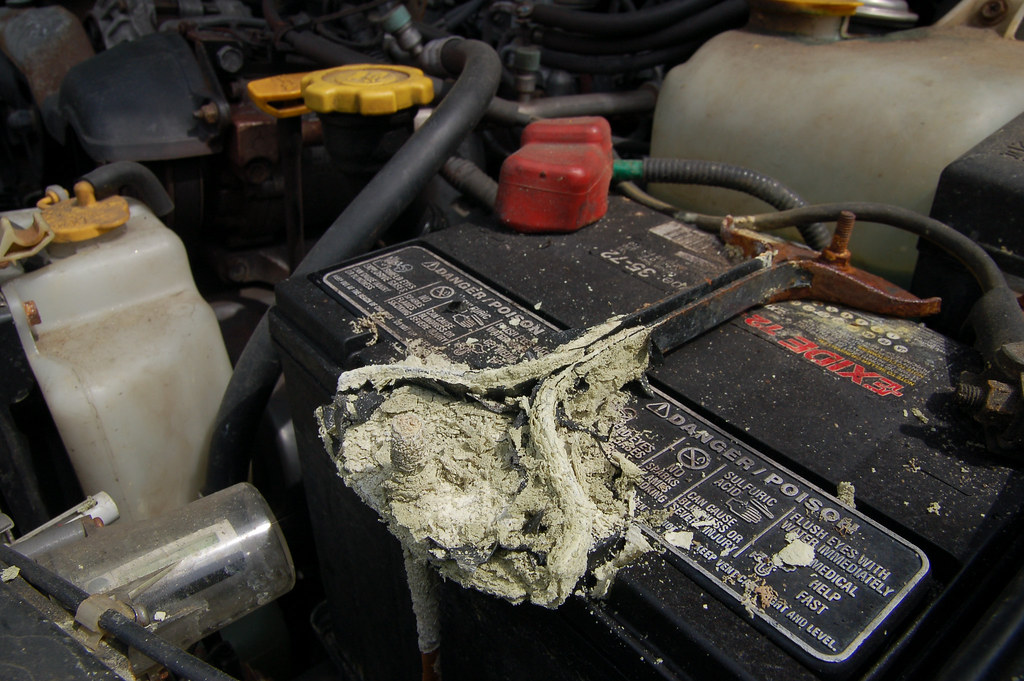
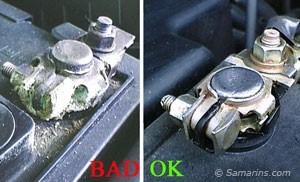
Battery corrosion is the chalky, crusty, or powdery substance that forms on the metal terminals of your car's battery. Think of it like plaque building up on teeth, except instead of cavities, you get a car that refuses to start on a cold morning. The buildup is usually a mix of dried battery acid, lead sulfate, and copper salts that react with moisture and oxygen in the air. In most cars, you'll see it as a white, blue, or greenish fuzz hugging the positive or negative post. While a little surface oxidation is normal on any metal, heavy corrosion on a car battery is a red flag that your electrical system needs attention.
What Causes Corrosion on Car Battery Terminals
Corrosion on a car battery doesn't just appear out of nowhere. It's the result of chemical reactions, environmental factors, and sometimes mechanical issues working together. Understanding the root cause helps you fix the problem instead of just wiping it away and hoping for the best.
Overcharging the Battery
When a car's voltage regulator or alternator pushes too much juice into the battery, the electrolyte inside gets hot and starts venting hydrogen gas. That gas reacts with the surrounding air and moisture, leaving a crusty white or bluish residue right on the terminals. If you've ever noticed corrosion mainly on the positive terminal, overcharging is often the culprit.
Leaking or Old Battery Acid
Batteries don't last forever, and as they age, the seals around the posts can wear out. When acid seeps through those tiny gaps, it meets the metal terminals and reacts to form that familiar blue-green powder. A battery that's past its prime is far more likely to leak, especially if you live in a climate that swings from hot summers to freezing winters.
Loose or Improperly Tightened Terminals
A terminal that wiggles when you touch it is begging for trouble. When the connection isn't snug, the electrical current has to jump across a tiny gap, creating heat and sparking. That arcing accelerates corrosion and can leave you with a battery that looks like it's growing a beard of white powder.
Electrolyte Venting and Heat Exposure
Heat is battery kryptonite. Under the hood, high engine temperatures cook the electrolyte, causing it to evaporate and vent through the caps. Over time, that vapor condenses on the terminals and forms corrosion. This is why batteries in warmer climates often show buildup much faster than those in mild regions.
Copper Clamp Sulfation
If your battery cables have copper connectors, a process called galvanic corrosion can occur where the copper meets the lead terminal. This creates a bluish-green substance that spreads quickly and eats into the metal if left untreated.
Signs Your Car Battery Has Corrosion
Corrosion rarely works alone. It usually brings along a few friends that warn you something is off before your car leaves you stuck in a parking lot.
Difficulty Starting the Engine
If your engine cranks slowly, clicks repeatedly, or refuses to turn over at all, corrosion might be blocking the electrical handshake between the battery and the starter. The crusty buildup acts like a dam, slowing the current just enough to leave you stranded.
Flickering or Dim Headlights
Your headlights are a direct window into your battery's health. When corrosion interferes with the connection, you may notice lights that dim at idle, flicker while driving, or look noticeably weaker than usual.
Electrical Accessories Acting Up
Power windows rolling up slowly, a radio that resets itself, or dashboard lights that dance around are all classic signs of a weak or interrupted battery connection. Corrosion creates resistance, and modern cars hate electrical resistance.
Visible Powder or Crust on Terminals
This one is obvious but worth mentioning. If you open the hood and see fluffy white, blue, or greenish growths around the battery posts, that's corrosion in its purest form. It might look harmless, but it's actively stealing voltage from your car.
Is Battery Corrosion Dangerous
While a little corrosion won't usually explode in your face, it's not something you want to leave alone for long. The powder is mildly acidic and can irritate your skin or eyes if you handle it without gloves. More importantly, it can damage your battery cables, eat into nearby metal components, and in rare cases, cause electrical shorts that fry sensitive electronics. If you notice heavy buildup along with a rotten egg smell, your battery may be venting hydrogen sulfide gas, which is both toxic and flammable. Treat corrosion as a warning sign worth investigating, not a minor cosmetic issue.
How to Clean Corrosion Off a Car Battery
Cleaning battery terminals is one of the easiest car maintenance jobs you can do at home with basic tools. With a little patience and the right approach, you can restore a solid connection in under thirty minutes.
What You Need Before You Start
Before you touch anything, gather your supplies. You'll need safety glasses, rubber gloves, a stiff wire brush or terminal cleaning tool, baking soda, water, a wrench, and a rag or old toothbrush. Optional but helpful items include petroleum jelly, anti-corrosion washers, and a can of battery terminal protector spray.
Step by Step Cleaning Process
Turn off the car and remove the keys from the ignition. Always disconnect the negative cable first, then the positive cable to avoid short circuits. Mix a tablespoon of baking soda with a cup of water to create a fizzing cleaning solution. Pour it over the terminals and let it bubble away the acid residue for a couple of minutes. Scrub the posts and cable clamps with your wire brush until the metal shines bright again. Rinse with a small amount of clean water and dry everything thoroughly with a rag. Reconnect the positive cable first, then the negative, and tighten everything snugly.
Pro Tips From Personal Experience
After cleaning, I always smear a thin layer of petroleum jelly or dielectric grease on the terminals. It creates a protective seal that keeps moisture and oxygen away from the metal. Battery terminal protector washers are another great option because they release a vapor that prevents corrosion from forming in the first place.
How to Prevent Battery Corrosion
Cleaning corrosion is satisfying, but preventing it saves you time and headaches down the line. A few small habits go a long way in keeping your battery terminals clean and your electrical system happy.
Routine Visual Inspections
Get into the habit of peeking at your battery every time you check your oil. A quick glance takes five seconds and lets you catch buildup before it becomes a problem. Catching it early means a quick wipe instead of a full cleaning session.
Keep the Battery Securely Mounted
A battery that vibrates and shifts around the engine bay is more likely to leak, vent, and corrode. Make sure the hold-down bracket is tight and that the battery sits snugly in its tray. This simple check protects your battery from vibration damage and keeps the terminals from loosening over time.
Check Charging System Voltage Regularly
If your alternator is overcharging, you'll fight corrosion no matter how often you clean the terminals. A basic multimeter can tell you if your charging voltage stays between 13.7 and 14.7 volts while the engine runs. Anything consistently higher means it's time to have the alternator inspected.
Use Anti-Corrosion Products
From felt washers soaked in corrosion inhibitor to sprays designed specifically for battery terminals, there are plenty of affordable products that create a protective barrier. Pair them with dielectric grease for double protection, especially if you live near the ocean or in a humid climate.
When to Replace a Corroded Car Battery
Sometimes cleaning is just putting a bandage on a deeper wound. If your battery is more than four or five years old, shows heavy corrosion on both terminals, struggles to hold a charge, or has a swollen or cracked case, replacement is the safer choice. A healthy battery should provide consistent voltage, start the engine quickly, and stay relatively clean between inspections. As a rule of thumb, if you find yourself cleaning corrosion more than once every few months, something deeper is happening under the hood and deserves a closer look.
Common Myths About Car Battery Corrosion
There are plenty of old-school myths floating around about battery corrosion, and believing them can cost you money or even damage your car.
Myth: Corrosion Always Means a Bad Battery
Not true. Sometimes corrosion is simply the result of overcharging, loose terminals, or environmental factors. A battery with clean voltage readings and good performance may just need a cleaning and a little preventative maintenance.
Myth: You Should Pour Soda on Your Battery to Clean It
While colas contain acids that break down corrosion, they also leave sticky sugar residue that attracts dirt and moisture. Baking soda and water is the safer, cleaner choice that won't leave gummy buildup behind.
Myth: Once You Clean Terminals, Corrosion Never Returns
Unfortunately, corrosion can return if the underlying cause isn't fixed. Without addressing overcharging, loose cables, or battery age, you'll find yourself cleaning the same terminals over and over again.
Frequently Asked Questions
Can a car battery corrode without leaking?
Yes. Even a sealed battery can vent small amounts of hydrogen gas through tiny seams, which reacts with the terminals and creates corrosion over time. Environmental moisture and heat can speed up the process even when no visible leaks are present.
Does corrosion mean my battery is going bad?
Not always. Corrosion can appear on perfectly good batteries when the charging system is overworking or the terminals are loose. However, persistent corrosion on an older battery is often a sign that replacement is approaching.
Is green corrosion on a battery terminal normal?
Green corrosion is usually copper sulfate, which forms when copper cable clamps react with the lead terminals. While common, it should still be cleaned promptly because it can spread and weaken the electrical connection.
Can corrosion keep my car from starting?
Absolutely. Heavy buildup acts as an insulator and prevents enough current from reaching the starter. Even a fully charged battery can fail to start the car if the terminals are packed with corrosion.
Should I replace both battery terminals if corroded?
If the terminals are pitted, eaten away, or no longer clamp tightly, replacing the cable ends or the entire cable is wise. Damaged terminals can cause repeated electrical issues even after cleaning.
Final Thoughts
Battery corrosion is your car's quiet cry for help. That fuzzy white, blue, or green buildup is more than just an eyesore. It's a sign that something in your electrical system needs attention, whether that's an overcharging alternator, loose cables, or a battery that has reached the end of its life. With a little baking soda, a wire brush, and a few minutes of your time, you can clean it up and keep your car starting reliably for years. Make a habit of inspecting your battery, protect the terminals after cleaning, and never ignore the warning signs. Your future self, standing in a warm garage instead of a cold parking lot, will thank you. If you've got questions, tricks, or your own battle stories with battery corrosion, drop them in the comments below.