Your car's battery stays charged mainly because the alternator generates electricity while the engine runs, and the voltage regulator keeps the power flow steady. Without this constant cycle, your battery would die in a day or two, leaving you stranded in a parking lot with a car that won't start.
I've spent years working around cars, from fixing daily drivers to helping friends troubleshoot dead batteries on cold mornings. Trust me, understanding how your battery stays alive is one of the most empowering things a driver can learn. Once you know what's working behind the scenes, you can spot problems early, save money on repairs, and never get caught off guard by a car that refuses to start. Let me walk you through everything you need to know about how your car battery stays charged, what can go wrong, and how to keep it healthy for years.
How a Car Battery Charging System Works
Your car battery doesn't work alone. It's part of a small but mighty team that keeps power flowing to everything from your headlights to your radio. The main players are the battery, the alternator, and the voltage regulator. Together, they form a loop that charges the battery while you drive and powers your car's electrical systems at the same time.
Think of your car's electrical setup like a water fountain. The battery is the reservoir that holds the water. The alternator is the pump that keeps water flowing back into the reservoir. The voltage regulator is the valve that makes sure the pump doesn't push too hard or too little. As long as everything is balanced, the fountain runs smoothly, and your battery stays full.
The Role of the Alternator
The alternator is the true hero of your charging system. It's a generator driven by your engine's serpentine belt, and it converts mechanical energy into electrical energy. When your engine is running, the alternator spins and produces alternating current, which is then converted into direct current your battery can use.
Most alternators put out between 13.5 and 14.5 volts, which is just enough to keep your 12-volt battery topped off without overcharging it. If you've ever seen your dashboard battery light flicker on, that's often a sign the alternator isn't pulling its weight. I've had alternators die on me at the worst possible times, like during a long road trip in the middle of nowhere. That's why I always recommend drivers pay attention to early warning signs.
The Role of the Voltage Regulator
The voltage regulator might be small, but it's a critical piece of the puzzle. Modern cars usually have this regulator built right into the alternator, but older models sometimes have it as a separate unit. Its job is simple: keep the voltage steady. Without it, your alternator could pump too much electricity into your battery, boiling the acid inside and destroying the cells.
In my experience, voltage regulator failures are less common than alternator failures, but they do happen. When they go bad, you'll often notice dimming headlights, flickering interior lights, or a battery that dies for no obvious reason. It's one of those parts you don't think about until something goes wrong.
The Role of the Battery Itself
The battery is the storage unit. It supplies the initial burst of power needed to start your engine and keeps your electronics running when the engine is off. Most car batteries are lead-acid types, designed to deliver a big jolt of current for a short time, then recharge slowly as you drive.
A healthy battery holds its charge well, but it's not perfect. Over time, sulfate crystals build up on the internal plates, reducing the battery's ability to hold a charge. Heat also kills batteries faster than cold does, which is why batteries in hot climates often only last two to three years instead of five or six.
What Happens When You Drive
Every time you start your car, the battery sends a surge of power to the starter motor. That single crank uses more energy than almost anything else your battery does. Once the engine is running, the alternator kicks into gear and starts replenishing what was lost.
Here's a typical sequence of events:
- You turn the key or push the start button.
- The battery delivers a high-current burst to the starter.
- The engine fires up and begins turning the alternator.
- The alternator begins generating electricity.
- The voltage regulator controls the flow of electricity.
- Excess power goes back into the battery to recharge it.
- Your car's electrical systems run off the alternator's output while driving.
The whole process happens in seconds, and most drivers never think twice about it. But each time you start your car, your battery loses a tiny bit of its total lifespan. That's why short trips with lots of starts and stops can wear out a battery faster than long highway drives.
Common Things That Drain or Fail to Charge Your Battery
Even with a perfect charging system, things can go wrong. Here are the most common reasons a car battery fails to stay charged:
- A failing alternator that no longer produces enough voltage.
- A bad voltage regulator that overcharges or undercharges the battery.
- Corroded battery terminals that block the flow of electricity.
- A loose or worn serpentine belt that doesn't spin the alternator properly.
- Parasitic drains from accessories that keep drawing power when the car is off.
- Old age, as batteries naturally lose capacity over time.
- Extreme temperatures, especially heat, which speeds up internal damage.
I once helped a friend diagnose a "dead battery" that turned out to be a $5 fix. His battery terminals were covered in white, powdery corrosion, and the cable connections were so loose they barely touched. A quick cleaning with a wire brush and some tightening, and his car started right up. It just goes to show that not every battery problem requires a new battery.
Signs Your Charging System Isn't Working Right
Your car usually gives you clues when something's off. Pay attention to these common warning signs:
- The battery warning light stays on while driving.
- Headlights look dim, especially at idle.
- The engine cranks slowly or struggles to start.
- Electrical accessories behave strangely, like power windows moving slowly.
- A sulfur or rotten egg smell comes from the battery area.
- The battery case looks swollen or bloated.
- You need jumpstarts frequently, more than once every few months.
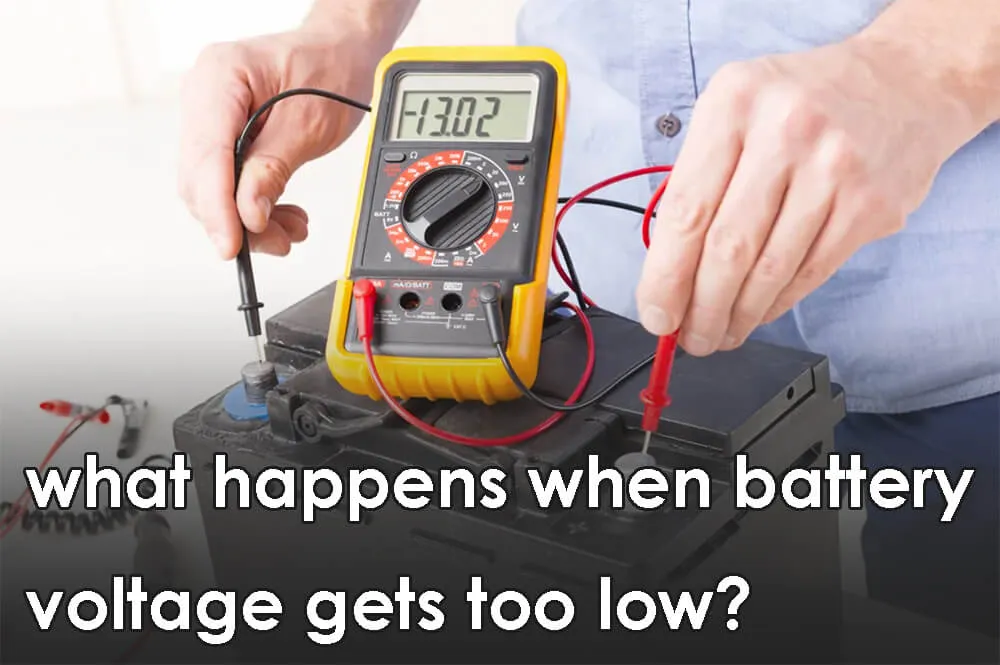
If you notice any of these, don't wait. A simple voltage test with a multimeter can tell you a lot. With the engine off, a healthy battery should read around 12.6 volts. With the engine running, it should read between 13.7 and 14.7 volts. If those numbers are off, you likely have an alternator or voltage regulator issue.
How to Keep Your Battery Charged and Healthy
The good news is that taking care of your battery isn't hard. A little attention goes a long way. Here are some practical tips I've picked up over the years:
- Drive your car regularly, especially if you don't drive it every day.
- Avoid short trips that don't give the alternator enough time to recharge the battery.
- Keep the battery terminals clean and tight.
- Make sure the serpentine belt is in good condition.
- Turn off accessories before shutting off the engine.
- Use a battery maintainer if you store your car for long periods.
- Have your charging system tested once a year, especially before winter.
- Replace your battery every 4 to 6 years, even if it seems fine.
I keep a small battery maintainer in my garage for the cars I don't drive often. It's a cheap tool that has saved me from buying more than one replacement battery over the years. If you have a classic car, a motorcycle, or even a seldom-used SUV, a maintainer is one of the best investments you can make.
Myths About Car Battery Charging
There are a lot of old-school myths floating around about car batteries. Let's clear up a few of the most common ones:
- Myth: Idling your car fully recharges it. Fact: Idling doesn't spin the alternator fast enough to fully charge your battery. Driving at road speeds is much more effective.
- Myth: Disconnecting the battery resets your car's computer. Fact: While disconnecting the battery may reset some systems, modern cars often need special procedures to relearn settings after a power loss.
- Myth: A frozen battery is permanently dead. Fact: A frozen battery is usually damaged beyond repair, but it's not the freeze that killed it. It was likely already weak and discharged before the freeze.
- Myth: You should always turn off your car before jumpstarting another vehicle. Fact: You can jumpstart another car with your engine running, but it's safer and more effective to have both cars off during the connection process.
These myths come from well-meaning advice that's been passed down for decades. Some of it has a kernel of truth, but most of it is outdated for modern cars. Always verify what you hear with a trusted mechanic or a reliable source.
When to Replace Your Battery vs. Repair the Charging System
Figuring out whether you need a new battery or a new alternator can save you a lot of money. Here's a simple way to think about it:
- If your battery is more than 4 years old and won't hold a charge, replace the battery first.
- If a new battery still won't stay charged, test the alternator and voltage regulator.
- If the alternator fails a voltage test, replace it as soon as possible.
- If the voltage regulator is the problem, it's usually replaced with the alternator since they're often built together.
- If you have corrosion or loose cables, fix those before buying any new parts.
I learned this the hard way. I once replaced a battery that was perfectly fine because I didn't think to test the alternator first. The new battery died in a week, and I ended up replacing the alternator too. Now I always test the whole charging system before buying parts.
How Weather Affects Battery Charging
Weather plays a big role in how well your battery holds a charge. Here's how different conditions affect things:
- Cold weather reduces battery capacity, making it harder to deliver starting power.
- Hot weather speeds up internal corrosion and water loss in lead-acid batteries.
- Humidity can increase corrosion on terminals and connections.
- Extreme temperature swings stress the battery and shorten its life.
If you live in a place with harsh winters or scorching summers, your battery works harder than in mild climates. That's why battery life varies so much from region to region. In places like Phoenix or Dallas, three years is a good run. In places like Seattle or Boston, you might get five or six years out of a battery.
The Future of Car Battery Charging
Cars are changing fast, and so is battery technology. Traditional lead-acid batteries are being replaced or supplemented by lithium-ion and absorbed glass mat batteries in many modern vehicles. Start-stop technology, which shuts off the engine at traffic lights, also puts more demand on the charging system.
Electric vehicles don't use alternators in the traditional sense. They use regenerative braking and high-voltage battery packs to manage energy. But the basic principle is the same: generate electricity, store it, and use it efficiently. As cars become more electrified, understanding how energy flows through the vehicle becomes even more important.
Frequently Asked Questions
How long does it take to fully charge a car battery while driving?
It depends on how depleted the battery is and how fast you're driving. A healthy alternator can recharge a partially drained battery in about 30 minutes to an hour of steady driving. A deeply discharged battery may take several hours of driving or a dedicated battery charger to fully recover.
Can a car battery stay charged without driving?
Yes, but only for a limited time. A healthy, fully charged battery can hold its charge for two to four weeks without being driven, depending on the age of the battery and the amount of parasitic drain from the car's electronics. If you plan to leave a car sitting for more than a month, use a battery maintainer.
Does the alternator charge the battery while idling?
It does, just not as efficiently as while driving. At low RPMs, the alternator spins slower and produces less output. If your battery is very low, idling for a long time might not be enough to bring it back to a full charge.
What happens if the voltage regulator fails?
If the voltage regulator fails, it can either overcharge or undercharge the battery. Overcharging boils the battery acid and damages the cells. Undercharging leaves the battery weak and unable to start the car. Either way, the regulator usually needs to be replaced along with the alternator.
Is it bad to jumpstart a car often?
Jumpstarting occasionally won't hurt your car, but doing it frequently is a sign of a deeper problem. Each jumpstart puts extra stress on the battery and the alternator. If you find yourself jumpstarting more than once or twice a year, it's time to test the battery and charging system.
A healthy charging system is one of the most important things in your car, and most drivers never think about it until something goes wrong. Now you know exactly what keeps your battery charged, what can go wrong, and how to keep everything running smoothly. Take a few minutes this week to check your battery terminals, test your voltage, and make sure your serpentine belt is in good shape. A little prevention now will save you from a frustrating day later. If you have any questions or want to share your own battery tips, drop a comment below. I'd love to hear your stories.