Ever popped the hood of a modern car and wondered what that second, smaller battery is doing there? You are not alone. An auxiliary battery in a car is a secondary battery that powers accessories and electronics when the main battery is busy or the engine is off. Once you understand how this quiet helper works, you will see why it matters more than most drivers realize.
I have spent years troubleshooting car electrical issues, from basic sedans to luxury hybrids, and I can tell you the auxiliary battery is one of the most overlooked components under the hood. It quietly handles big responsibilities, and when it fails, strange things start happening. Let me walk you through everything you need to know so you can spot problems early and keep your car running smoothly.

What Exactly Is an Auxiliary Battery?
An auxiliary battery, often called an aux battery or secondary battery, is a smaller, separate battery installed in addition to the main starting battery. Its main job is to support electrical systems that need consistent power, even when the engine is not running.
Think of it like a sidekick. The main battery cranks the engine and handles high-power demands, while the auxiliary battery takes care of low-power, continuous loads. These can include interior lights, infotainment memory, alarm systems, and in some vehicles, advanced start-stop functions.
In simpler terms, it is a backup power source designed to keep specific electronics alive without draining the main battery.
How Does an Auxiliary Battery Work?
The auxiliary battery works alongside the vehicle's charging system, usually managed by the Engine Control Unit (ECU) or a dedicated Battery Management System (BMS). Here is the basic flow:
- The alternator charges both the main and auxiliary batteries while the engine runs.
- When the engine shuts off, the auxiliary battery takes over powering select electronics.
- A control module monitors voltage levels and decides when to draw from or charge the aux battery.
- In hybrid or start-stop vehicles, the auxiliary battery supports quick engine restarts.
The goal is simple: protect the main battery from deep discharge and ensure critical systems stay operational.
Why Do Cars Need an Auxiliary Battery?
Modern vehicles rely on dozens of electronic systems that draw small amounts of power 24/7. Even when parked, things like alarm systems, key fob receivers, and onboard computers stay active.
If all this load fell on the main battery, you would come back to a dead car far more often. The auxiliary battery acts as a buffer, absorbing these small, continuous draws.
You will most commonly find an auxiliary battery in:
- Luxury vehicles with advanced comfort features
- Hybrid and electric cars
- Cars with start-stop technology
- Vehicles equipped with heavy infotainment or telematics systems
I once worked on a European sedan where the owner kept finding his battery dead every morning. The culprit was not the main battery but a failing auxiliary battery that was dragging the entire electrical system down. Replacing it solved the problem instantly.
Main Battery vs Auxiliary Battery: What Is the Difference?
While both batteries store electrical energy, they serve very different purposes.
The main battery, usually a 12V lead-acid unit, delivers a high burst of power to crank the engine. It is built for short, intense discharges.
The auxiliary battery, on the other hand, is designed for long, slow, shallow discharges. It handles low-current accessories and supports systems that need stable voltage.
Key differences include:
- Size: Auxiliary batteries are typically smaller and more compact
- Capacity: They usually have lower amp-hour ratings
- Location: Often placed under the rear seat, in the trunk, or near the fuse box
- Purpose: Support electronics rather than start the engine
Understanding this difference helps when diagnosing electrical issues or planning upgrades.

Types of Auxiliary Batteries Used in Cars
Not all auxiliary batteries are the same. Automakers choose different chemistries based on the vehicle's needs.
The most common types include:
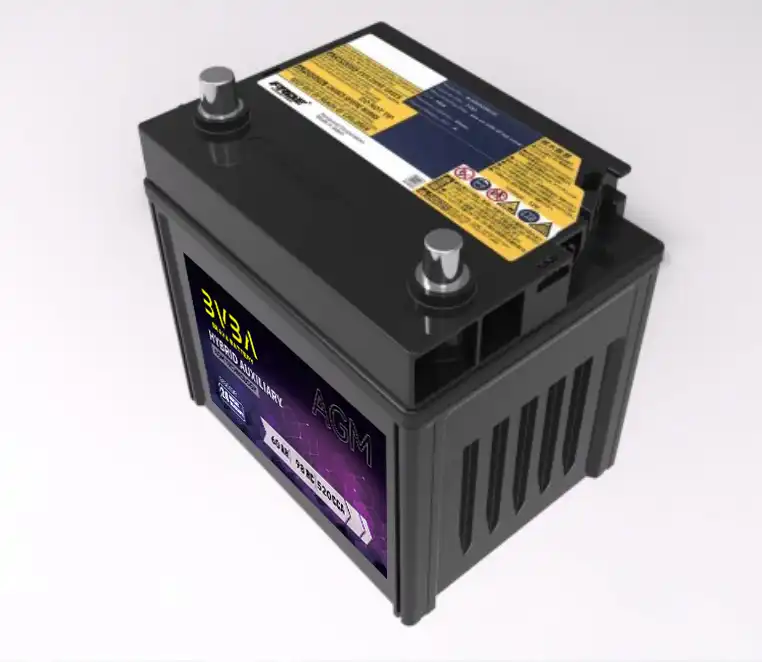
- AGM (Absorbent Glass Mat): Durable, maintenance-free, and common in start-stop vehicles
- Lead-Acid: Traditional, cost-effective, and widely used in older models
- Lithium-Ion: Lightweight and powerful, found in many modern hybrids and EVs
- Gel Cell: Sealed and spill-proof, used in specialty applications
AGM batteries have become the go-to choice for most auxiliary applications because they handle deep cycles better and last longer under constant use.
Common Signs of a Failing Auxiliary Battery
A weak auxiliary battery rarely leaves you completely stranded, but it causes subtle issues that can be frustrating.
Watch out for these warning signs:
- Warning lights related to the battery or charging system
- Malfunctioning infotainment or navigation memory
- Random error messages on the dashboard
- Inconsistent start-stop behavior
- Dead main battery even after a full charge
- Flickering interior lights or electronic glitches
From experience, many drivers ignore these signs until the problem snowballs. If you notice two or more of these symptoms, it is worth having the auxiliary battery tested.
Where Is the Auxiliary Battery Located?
Unlike the main battery, which usually sits in the engine bay, the auxiliary battery can be tucked away in less obvious spots.
Common locations include:
- Under the rear passenger seat
- Inside the trunk, often near the spare tire
- Beneath the front passenger footwell
- Next to the fuse box or control modules
- Under the hood but in a separate compartment
Checking your owner's manual is the fastest way to locate it. Each manufacturer places it differently, and some require removing trim panels or covers to access it.
How to Maintain an Auxiliary Battery
Good news: auxiliary batteries are generally low maintenance. Still, a little attention goes a long way.
Simple maintenance tips:
- Drive the car regularly to keep the battery charged
- Avoid leaving electronics on for long periods while parked
- Have the battery tested once a year, especially in extreme climates
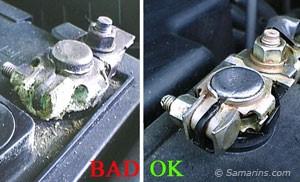
- Clean the terminals to prevent corrosion
- Replace the battery every 4 to 6 years, depending on type
I learned the hard way that extreme heat kills auxiliary batteries faster than cold. Living in a hot climate, I now test mine every spring before summer heatwaves settle in.
How to Replace an Auxiliary Battery
Replacing an auxiliary battery is usually straightforward but varies by vehicle.
General steps include:
- Locate the auxiliary battery using the owner's manual
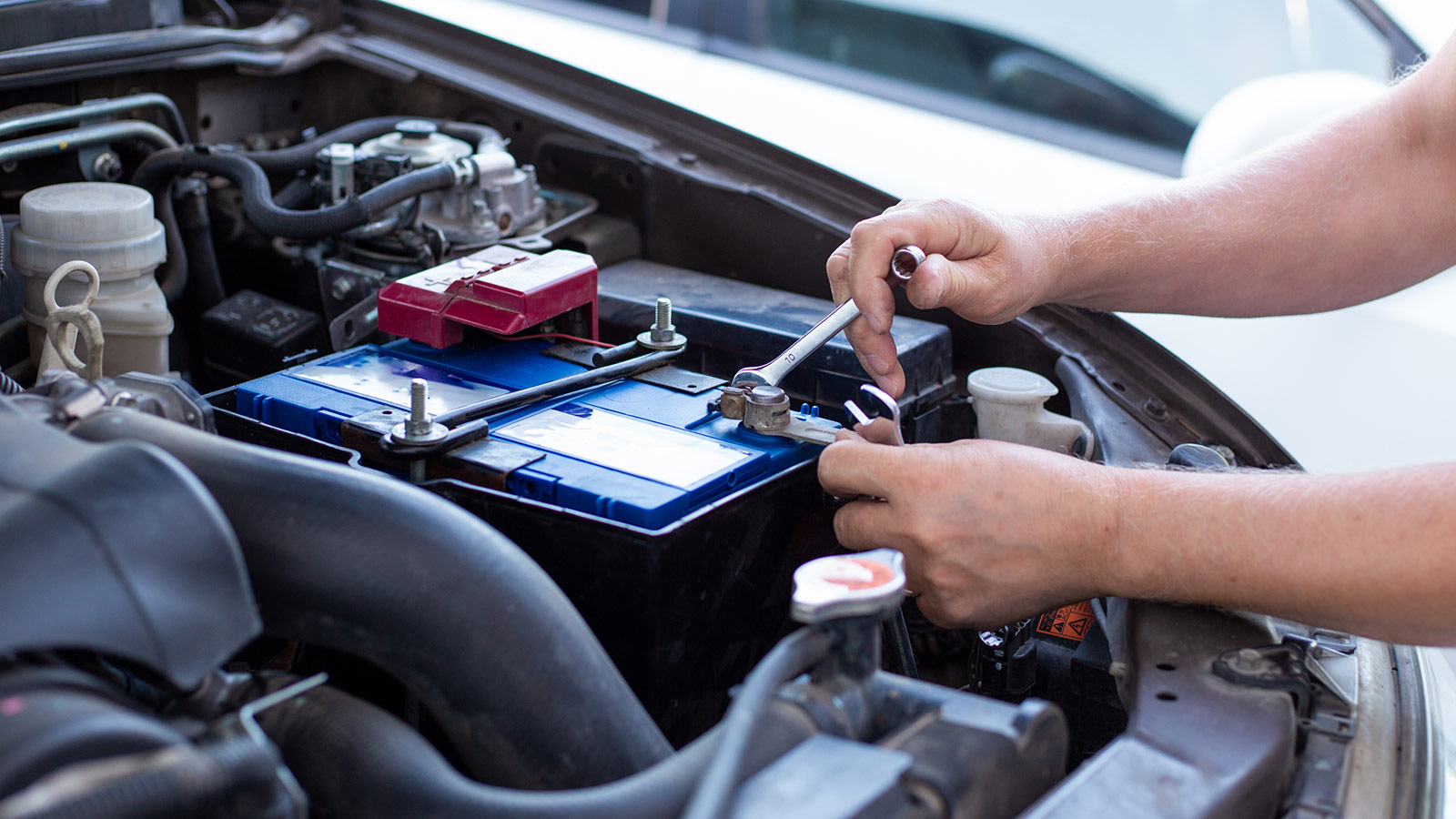
- Disconnect the negative terminal of the main battery for safety
- Remove the cover or trim panel protecting the aux battery
- Disconnect the terminals, negative first
- Remove the old battery and install the new one
- Reconnect terminals, positive first, then negative
- Reset any required systems, like window auto-up or radio codes
If your car has a Battery Management System, you may need a diagnostic tool to register the new battery. Skipping this step can lead to charging issues and reduced battery life.
Cost of Replacing an Auxiliary Battery
The price depends on the battery type, vehicle model, and labor costs.
Typical price ranges:
- Battery cost: 100 to 400 dollars for most vehicles
- Luxury or hybrid models: 300 to 800 dollars or more
- Labor: 50 to 200 dollars if professionally installed
While it might be tempting to cut costs, using the correct battery type specified by the manufacturer is critical. Cheaper alternatives can cause voltage irregularities and damage sensitive electronics.
Can You Drive Without an Auxiliary Battery?
Technically, the car may still run, but it is not a good idea for long.
Driving without a functioning auxiliary battery can:
- Drain the main battery faster
- Trigger warning lights and error codes
- Cause issues with start-stop systems
- Lead to erratic behavior in infotainment and comfort features
In some hybrids, the auxiliary battery is essential for shutting the system down safely. Removing it can cause serious electrical faults. If you suspect a problem, get it checked before continuing to drive.

Frequently Asked Questions
What does the auxiliary battery do in a car?
The auxiliary battery powers secondary electronics like infotainment memory, alarm systems, and interior lights, especially when the engine is off. It prevents these loads from draining the primary starting battery.
Do all cars have an auxiliary battery?
No. Mainly vehicles with start-stop systems, hybrids, luxury features, or advanced electronics include an auxiliary battery. Basic economy cars often rely on a single main battery.
How long does an auxiliary battery last?
Most auxiliary batteries last between 4 and 6 years, depending on usage, climate, and battery type. Regular testing can help you catch wear before it becomes a problem.
Can a bad auxiliary battery cause a car not to start?
In most traditional cars, no. However, in vehicles with start-stop or hybrid systems, a failing auxiliary battery can prevent the engine from restarting or cause the system to shut down entirely.
Is it safe to replace an auxiliary battery yourself?
Yes, if you follow safety steps and consult your owner's manual. For vehicles with a Battery Management System, professional registration of the replacement may be required.
Conclusion
An auxiliary battery might be small, but it plays a big role in keeping your car's electronics healthy and your main battery strong. From supporting start-stop systems to keeping your infotainment memory intact, it works quietly in the background to make every drive smoother.
If you have never thought about your auxiliary battery, now is a great time to start. Check your owner's manual, locate the battery, and make it part of your regular maintenance routine. A little attention today can save you from unexpected electrical headaches tomorrow.
Have questions about your specific vehicle or want to share your experience with auxiliary batteries? Drop a comment below, I love hearing from fellow car enthusiasts.