Changing a car battery is a simple DIY task that only requires a few basic tools like a socket wrench, battery terminal cleaner, and safety gloves.
If you've ever popped the hood and stared at your car battery wondering where to even begin, you're not alone. Over the years, I've helped countless friends and family members swap out dead batteries, and one thing always surprises them: how few tools are actually needed to get the job done right. Whether you're a first-time DIYer or just want to save a trip to the mechanic, changing a car battery at home is one of the most empowering small repairs you can learn. In this guide, I'll walk you through every tool you need, what each one does, and share some practical tips I've picked up along the way.
Essential Tools for Changing a Car Battery
When it comes to changing a car battery, having the right tools on hand makes all the difference between a smooth 15-minute job and a frustrating afternoon. Here's a breakdown of the must-have items you'll need before you even open the hood.
Socket Wrench or Ratchet Set
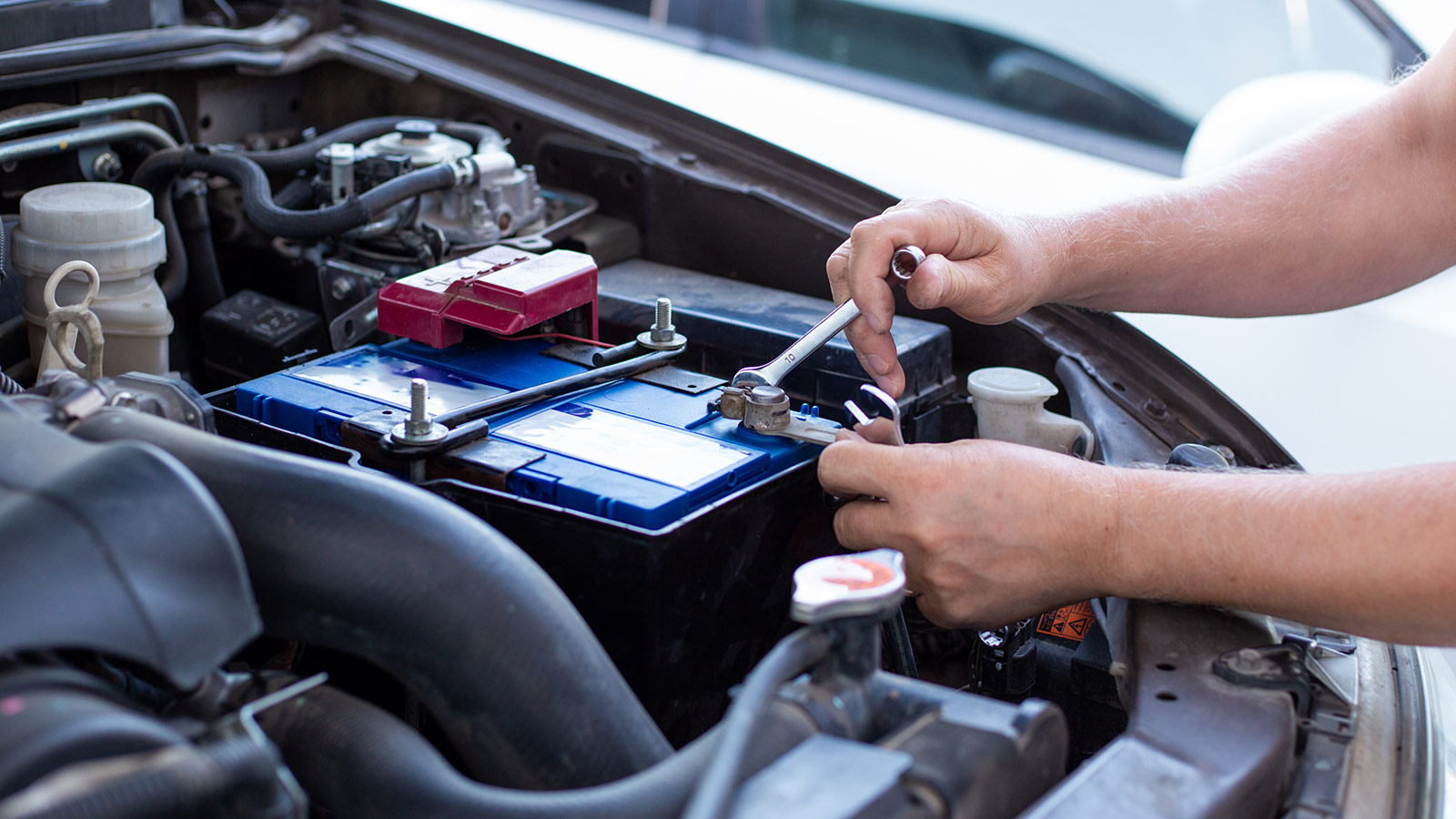
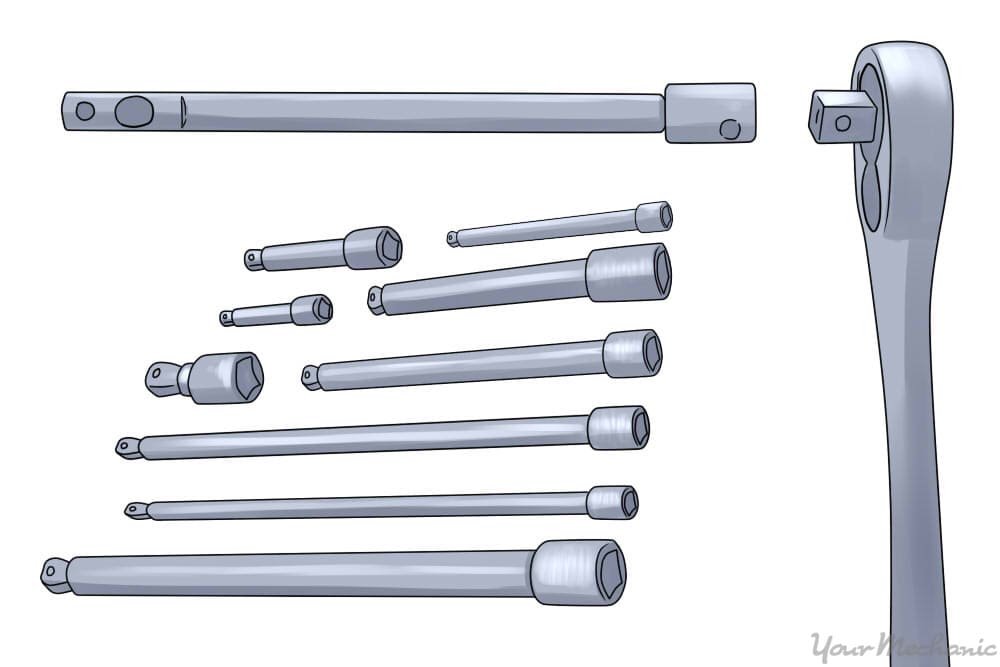
The most important tool in your arsenal is a socket wrench or ratchet set. Car batteries are held in place by a bracket that's secured with nuts and bolts, usually 10mm or 13mm in size. Without a socket wrench, you'll struggle to loosen these fasteners. A standard ratchet with a deep socket works best because battery terminals are recessed and hard to reach with regular wrenches. I always keep a 10mm socket in my glove box after one too many roadside battery swaps taught me that not all cars use the same size.
Adjustable Wrench
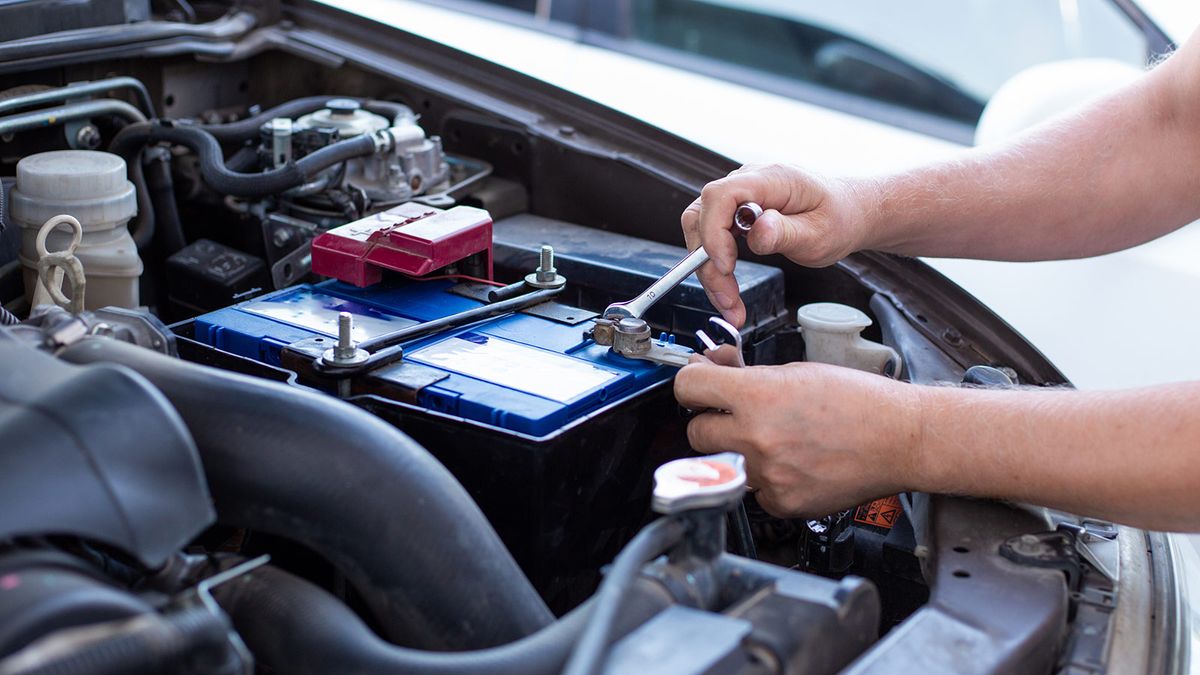
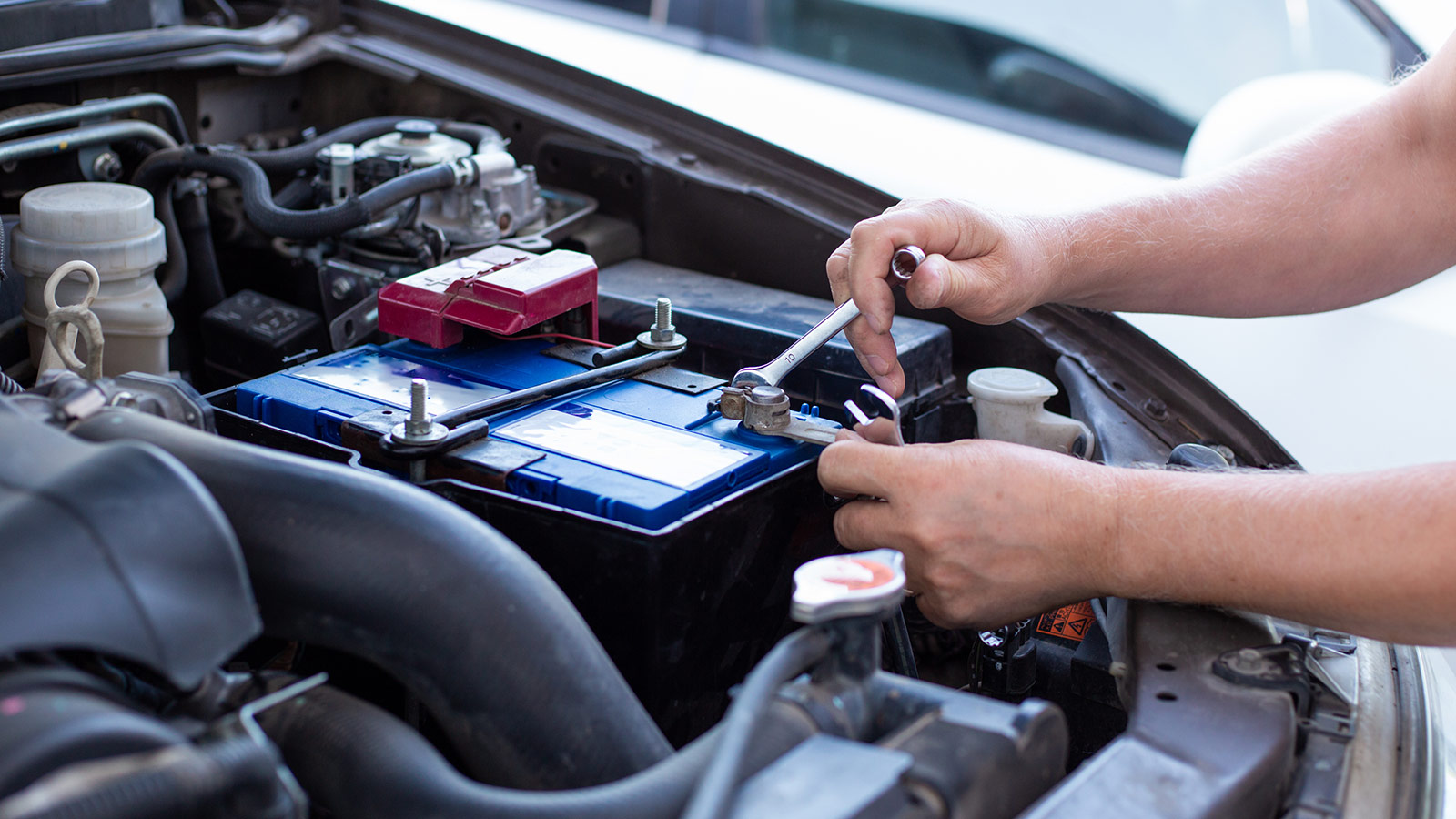
If you don't own a socket set, an adjustable wrench is a solid backup. It grips the nuts on the battery terminals and hold-down bracket, allowing you to loosen and tighten them with ease. However, it takes a bit more effort and maneuvering compared to a socket wrench, especially in tight engine bays. Think of it as the reliable old screwdriver in your toolbox: not the fanciest, but it gets the job done when nothing else fits.
Safety Gloves and Eye Protection
Battery acid is no joke. Even though modern car batteries are sealed, they can still leak or release harmful gases. Safety gloves protect your hands from corrosion, acid splashes, and sharp metal edges around the battery tray. Eye protection, like safety glasses or goggles, shields your eyes from any unexpected debris or acid spray. I learned this the hard way when a tiny splash of corrosion dust landed in my eye during my first battery change. Trust me, you'll never skip safety glasses again after that experience.
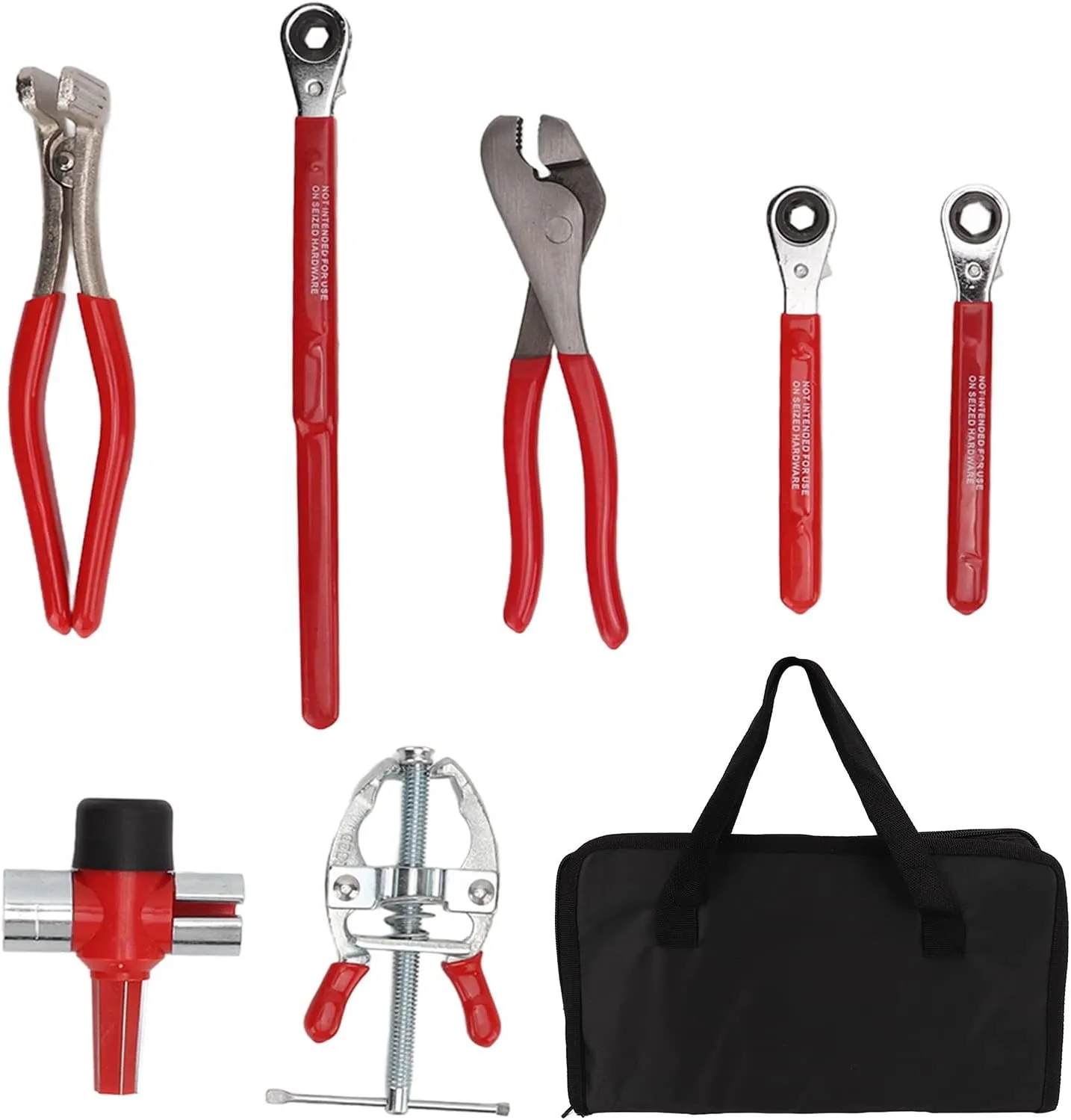
Battery Terminal Cleaner or Wire Brush
Before installing a new battery, you need to make sure the terminals are clean and free of corrosion. A battery terminal cleaner is a small, inexpensive tool with wire brushes shaped to fit perfectly over battery posts and cable clamps. If you don't have one, an old toothbrush or steel wool works in a pinch. Corrosion buildup can prevent your new battery from making a solid connection, which means your car might not start even with a fresh battery installed.
Memory Saver or Radio Code
Many newer cars lose their radio presets, clock settings, and computer memory when the battery is disconnected. A memory saver plugs into your car's OBD-II port or cigarette lighter and keeps enough power flowing to preserve those settings. If your car requires a radio security code after a power loss, make sure you have that code handy before disconnecting the old battery. I've seen people forget this step and end up locked out of their own stereo system.
Optional but Helpful Tools
While the items above are non-negotiable, a few extra tools can make the process even smoother:
- A pair of pliers helps grip stubborn cables or pry off terminal clamps
- A battery carrier or carrying handle makes lifting heavy batteries safer and easier
- A baking soda and water solution is great for neutralizing any acid or corrosion you find
- A shop rag or paper towels for cleaning up spills and wiping down the battery tray
- A multimeter lets you test your new battery and alternator after installation
Step-by-Step Overview of the Battery Changing Process
Now that you know what tools you need, let me walk you through the basic steps. Think of this as a quick preview before you get your hands dirty.
First, turn off your car and remove the keys from the ignition. Pop the hood and locate the battery, usually found on one side of the engine bay. Identify the positive (+) and negative (-) terminals. Always disconnect the negative terminal first to avoid short circuits. Loosen the nut on the negative terminal clamp using your socket wrench, then gently wiggle the cable off. Repeat the process on the positive terminal.
Next, remove the hold-down bracket that's securing the battery in place. This is where your socket wrench or adjustable wrench comes in handy. Carefully lift the old battery out of the tray. Car batteries are heavy, usually between 30 and 50 pounds, so lift with your legs and keep your back straight.
Before placing the new battery in, clean the terminal clamps and battery tray with your wire brush and a baking soda solution if you notice corrosion. Set the new battery in place, making sure the positive and negative posts align correctly with their respective cables. Secure the hold-down bracket, then attach the positive terminal first, followed by the negative terminal. Tighten everything snugly, but don't over-tighten, as you can crack the battery posts.
Common Mistakes to Avoid When Changing a Car Battery
Even though this is a beginner-friendly job, there are a few common slip-ups that can turn a simple swap into a headache.
One of the biggest mistakes is connecting the terminals in the wrong order. Always attach the positive cable first and the negative cable last when installing a new battery. When removing the old battery, reverse the order: negative first, positive last. Mixing this up can cause sparks, electrical shorts, or even damage to your car's computer system.
Another mistake people make is forgetting to clean the terminals. Even a small amount of corrosion can interfere with the electrical connection, leaving you stranded with a "dead" new battery. Take an extra five minutes to scrub everything down before reconnecting.
Finally, don't throw your old battery in the trash. Car batteries contain lead and acid, both of which are hazardous to the environment. Most auto parts stores and mechanic shops accept old batteries for recycling, and many will even give you a small credit toward your new battery.
When to Call a Professional Instead
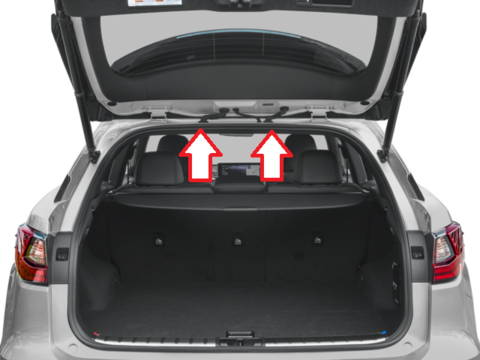
While changing a car battery is a straightforward task for most vehicles, there are situations where it's better to call in a pro. If your car has a complex electrical system, a battery located under the seat or in the trunk, or if you're unsure about any step in the process, don't hesitate to seek help. Modern cars, especially luxury models and hybrids, often have sensitive electronics that require special handling.
Also, if your battery keeps dying shortly after replacement, the issue might not be the battery at all. It could be a faulty alternator, a parasitic draw, or a wiring problem. In those cases, a mechanic can run diagnostic tests to pinpoint the real culprit.
Frequently Asked Questions
What size socket do I need to change a car battery?
Most car battery terminals and hold-down brackets use 10mm or 13mm sockets. Having a socket set with both sizes will cover the majority of vehicles on the road today.
Can I change a car battery without any tools?
It's not recommended. At minimum, you'll need a wrench to loosen the terminal clamps and hold-down bracket. Trying to pry off terminals with your bare hands can damage cables or cause injury.
Do I need to disconnect both battery terminals to change the battery?
You should disconnect both terminals, but always remove the negative one first and reconnect it last to avoid electrical shorts or sparks.
Is it safe to change a car battery in the rain?
It's best to change a battery in a dry environment. Water and electricity don't mix, and moisture can increase the risk of electrical issues or corrosion during the swap.
How long does it take to change a car battery?
For most people with the right tools, a car battery swap takes between 15 and 30 minutes. If you're dealing with heavy corrosion or a hard-to-reach battery, it might take a bit longer.
Final Thoughts
Changing a car battery is one of those small maintenance tasks that pays off big in confidence and savings. With just a socket wrench, some basic safety gear, and a little patience, you can handle this job in your own driveway without ever scheduling a service appointment. I've done it dozens of times, and each time reminds me that car care doesn't always require a mechanic's certificate. Keep your tools organized, respect the electrical system, and don't skip the safety steps. Your wallet and your car will thank you. If you found this guide helpful, feel free to share it with a friend who's been dreading their first battery swap, and drop a comment below with your own tips or questions!