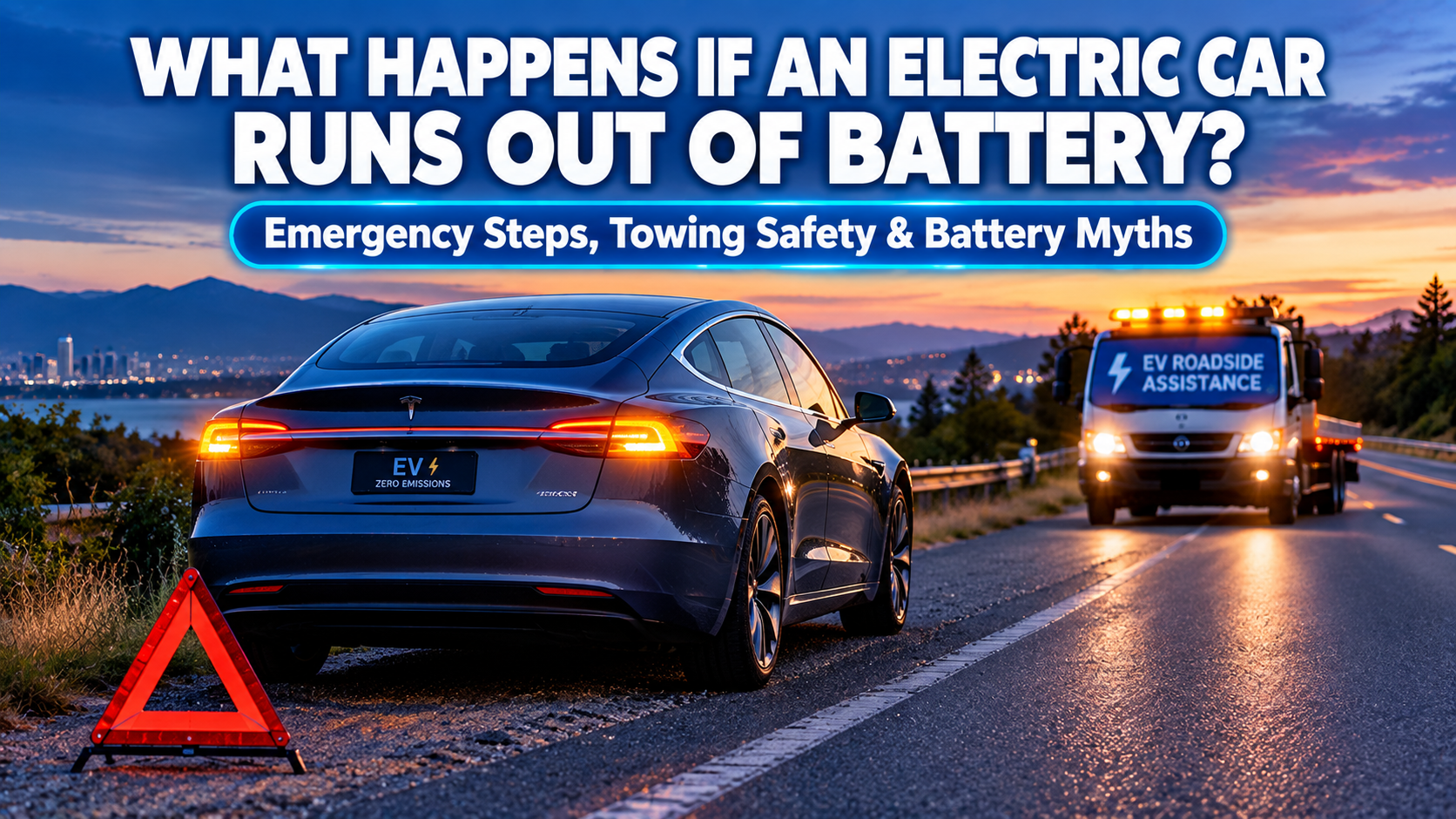
Running out of battery in an electric car doesn't leave you completely stranded, but it does trigger a series of safety protocols and warning systems designed to protect you and your vehicle. Unlike a gas car that simply sputters to a stop, an electric vehicle follows a carefully engineered shutdown sequence, giving you multiple opportunities to find a charging station or pull over safely before all power is lost.
I still remember the first time I saw the low battery warning flash on my dashboard during a road trip through the mountains. My heart skipped a beat, but instead of panicking, I watched as the car gently guided me toward the nearest charging point, reducing power output and limiting my speed to preserve every last mile of range. That experience taught me just how smart these vehicles really are, and it inspired me to dig deep into what actually happens when an electric car runs out of battery. Whether you're a new EV owner or just curious about how these vehicles handle empty batteries, this guide will walk you through every step of the process, from the first warning light to the final stop, and most importantly, how to avoid getting stuck in the first place.
How Electric Cars Alert You Before the Battery Dies
Modern electric vehicles are designed with multiple layers of warnings to ensure you're never caught off guard. Think of it like your phone's battery percentage indicator, but far more sophisticated and safety-focused.
Early Warning Systems and Dashboard Notifications
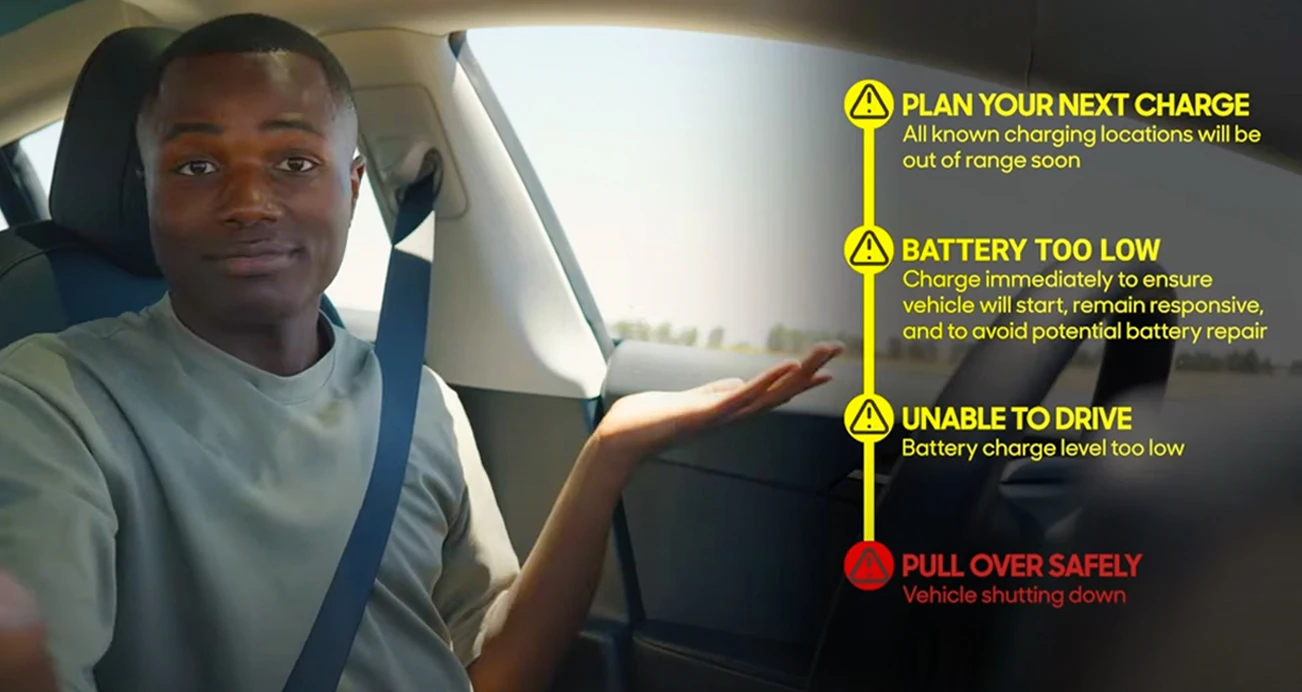
Most EVs begin alerting drivers when the battery drops below 20 percent capacity. These alerts typically include:
- Visual warnings on the digital dashboard or infotainment screen
- Audible chimes or voice prompts reminding you to find a charging station
- Pop-up notifications suggesting nearby charging points
- Changes in the estimated range display, becoming more conservative as the battery depletes
At around 10 percent, the warnings become more urgent and frequent. The car may start reducing non-essential features like seat heating, climate control, or premium audio to preserve power for the drivetrain. Some vehicles even enter a special "low power mode" that limits acceleration and top speed.
The Critical Threshold: Turtle Mode
Many EV manufacturers, including Tesla, Nissan, and Chevrolet, have implemented what's commonly called "turtle mode" or "limp mode." When the battery reaches extremely low levels, typically below 5 percent, the vehicle automatically restricts performance dramatically.
During turtle mode, you might notice:
- Severely limited acceleration, often feeling like the car is moving in slow motion
- Capped top speed, usually around 30 to 45 miles per hour
- Disabled climate control and other comfort features
- A turtle icon or similar warning symbol appearing on the dashboard
This mode is specifically designed to give you just enough power to safely exit a highway or reach a nearby charging station without completely shutting down mid-traffic.

The Step-by-Step Shutdown Process When Battery Reaches Zero
When an electric car finally runs out of battery, it doesn't just stop working instantly. There's a carefully orchestrated sequence of events that happens over several minutes.
Final Power Reserve and Safety Protocols
Even after the main battery displays zero percent, most EVs maintain a small buffer of energy, typically around 5 to 10 percent of total capacity, that's hidden from the driver. This buffer exists specifically to protect the battery from complete depletion, which can cause permanent damage to the lithium-ion cells.
This hidden reserve allows the car to:
- Maintain critical safety systems like power steering and brakes
- Keep the hazard lights operational
- Allow you to safely pull over to the side of the road
- Power the infotainment system long enough to call for help
- Engage the parking brake electronically
What Happens to Essential Systems
As the battery approaches absolute zero, the vehicle begins shutting down non-essential systems in a specific order. Power steering may become noticeably heavier, similar to driving a car with a failing power steering pump. The regenerative braking system also disengages, meaning you'll need to press the brake pedal harder to come to a complete stop.
The climate control system shuts down first, followed by the infotainment screen, and finally the instrument cluster. However, the headlights, hazard lights, and basic safety systems remain functional for a short period, typically 5 to 15 minutes, thanks to the buffer reserve.
The Final Stop
When the buffer is finally exhausted, the vehicle comes to a complete stop. The electric motors simply have no more energy to draw from, and the car enters a deep sleep mode. At this point, you cannot restart the vehicle or shift gears. The electronic parking brake usually engages automatically to prevent the car from rolling.
Interestingly, some EVs maintain enough power in their 12-volt auxiliary battery to operate door locks, interior lights, and hazard flashers for several hours after the main battery dies. This ensures you can safely exit the vehicle and remain visible to other drivers while waiting for assistance.

Real-World Differences Between EV Brands and Models
Not all electric cars handle empty batteries the same way. Different manufacturers have implemented varying strategies based on their engineering philosophies and target markets.
Tesla's Approach to Battery Depletion
Tesla vehicles are known for their robust battery management systems and extensive Supercharger network. When a Tesla Model 3 or Model Y runs low on battery, the navigation system automatically suggests the nearest Supercharger and may even reroute you there automatically. Tesla's buffer reserves are among the largest in the industry, typically allowing for 5 to 10 miles of range even after the dashboard reads zero.
Nissan Leaf and Budget-Friendly EVs
The Nissan Leaf, one of the most popular affordable EVs, has a different approach. When the battery depletes completely, the Leaf provides clear visual and audible warnings, then gradually reduces power before coming to a stop. Owners report that the Leaf tends to be more conservative with its range estimates, giving you a bit of a safety margin in real-world driving conditions.
Luxury EVs Like Lucid and Mercedes
High-end electric vehicles from Lucid, Mercedes-Benz EQS, and BMW iX often feature the most sophisticated battery management systems. These cars can travel significant distances even after displaying zero range, thanks to larger buffer reserves and more efficient power management algorithms.
Safety Features That Protect You During a Battery Emergency
Electric car manufacturers have prioritized safety in every aspect of their design, and running out of battery is no exception. Multiple redundant systems work together to keep you and your passengers safe.
Automatic Hazard Light Activation
Most modern EVs automatically activate hazard lights when the vehicle detects that it's about to lose all power. This feature alerts surrounding drivers that your vehicle is experiencing issues, reducing the risk of collisions.
Electronic Parking Brake and Gear Locking
When the battery dies completely, the electronic parking brake engages automatically, preventing the car from rolling on inclines. The transmission also locks in place, similar to putting a traditional automatic car in park, ensuring the vehicle stays put until you can get it restarted or towed.
Emergency Communication Systems
Many newer EVs, especially those with connected services like OnStar, FordPass, or Tesla Premium Connectivity, can automatically contact emergency services or roadside assistance when the vehicle detects a complete power loss. Some systems even send your exact location to dispatchers, making it easier for help to find you.

What to Do If Your Electric Car Runs Out of Battery
Despite all the warnings and safety systems, there may come a time when you find yourself with a completely dead EV. Here's exactly what you should do.
Immediate Steps After Your Car Stops
First, take a deep breath and stay calm. Your car is designed to keep you safe in this exact situation. Turn on your hazard lights immediately to alert other drivers, then carefully exit the vehicle if you're in a safe location. If you're on a highway, remain inside with your seatbelt fastened and call for help.
Next, assess your surroundings and identify your exact location. Use your phone's GPS or note nearby landmarks, mile markers, or exit signs. This information will be crucial when calling for assistance.
Calling for Help
Most electric car manufacturers offer 24/7 roadside assistance specifically for battery-related issues. The numbers are usually:
- Tesla Roadside Assistance: Available through the Tesla app
- Nissan EV Customer Service: 1-877-664-2738
- Chevrolet EV Support: 1-833-382-4389
- Ford Roadside Assistance: 1-800-241-3673
You can also call traditional roadside assistance services like AAA, which now has specialized equipment and training for EV battery emergencies.
Getting Towed or Charged
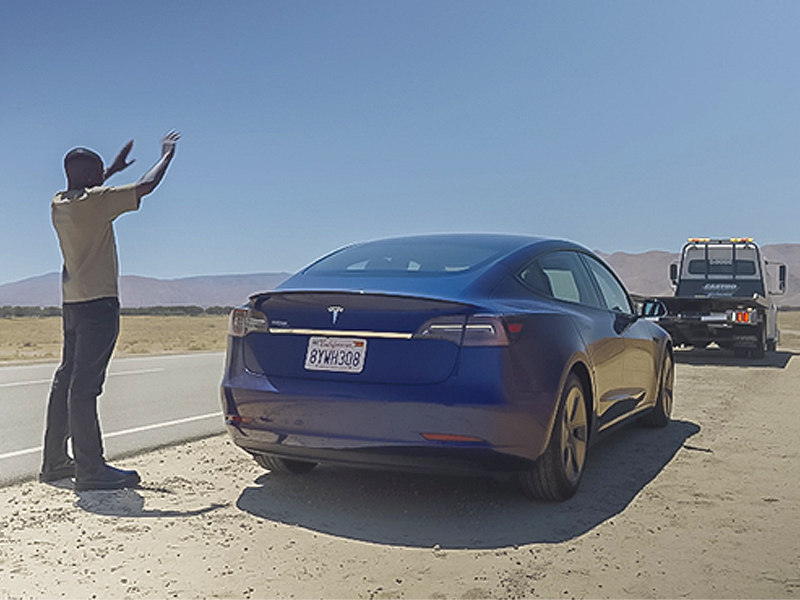
Unlike gas cars that might just need a fuel can, dead EVs require either a tow to the nearest charging station or a mobile charging service. Companies like ChargePoint, EVgo, and various startups now offer mobile charging units that can come to your location and give your car enough juice to reach the nearest station.
Tesla has its own network of mobile service vehicles that can provide emergency charging in many areas. Other manufacturers are expanding similar services as the EV market grows.

How to Prevent Running Out of Battery in the First Place
As someone who has learned this lesson the hard way, I can tell you that prevention is infinitely better than dealing with a dead battery. Here are the strategies I now use religiously.
Plan Your Routes Carefully
Before any trip longer than your daily commute, I always plan my route using apps like PlugShare, ChargePoint, or A Better Routeplanner. These tools show you exactly where charging stations are located, their charging speeds, and whether they're currently operational. For longer road trips, I identify backup charging stops in case my primary choice is busy or out of service.
Keep Your Battery Between 20 and 80 Percent
Most EV experts recommend keeping your battery charged between 20 and 80 percent for daily driving. This range preserves battery health and ensures you always have enough range for unexpected detours. I only charge to 100 percent when I'm planning a long trip, and I try to time my departure so the battery finishes charging right before I leave.
Monitor Your Energy Consumption
Modern EVs provide detailed information about your energy usage, including how many kilowatt-hours per mile you're consuming. Factors that significantly impact your range include:
- Aggressive acceleration and high-speed driving
- Extreme temperatures, both hot and cold
- Running the heater or air conditioning at high settings
- Driving into strong headwinds
- Climbing steep hills or mountains
By monitoring these factors and adjusting your driving style accordingly, you can significantly extend your range and reduce the chances of getting stranded.
Take Advantage of Regenerative Braking
One of the coolest features of EVs is regenerative braking, which converts kinetic energy back into battery power when you slow down. By driving in "one-pedal mode" when possible and anticipating stops, you can recapture 10 to 20 percent of your energy, effectively extending your range.
The Environmental Impact of Dead EV Batteries
You might wonder what happens to all those lithium-ion batteries when they eventually die. The good news is that EV batteries are designed to last much longer than most people think.
Battery Lifespan and Second-Life Applications
Most modern EV batteries are warrantied for 8 to 10 years or 100,000 miles, but they typically last much longer. Studies have shown that many EV batteries retain 80 to 90 percent of their capacity even after 200,000 miles. When batteries do finally degrade below automotive standards, they often find second-life applications in home energy storage systems, where they can provide many more years of useful service.
Recycling and Material Recovery
The recycling infrastructure for EV batteries is rapidly improving. Companies like Redwood Materials, Li-Cycle, and Umicore are developing efficient processes to recover up to 95 percent of critical materials like lithium, cobalt, nickel, and copper. These materials can then be used to manufacture new batteries, creating a more sustainable circular economy.
Common Myths About Electric Cars and Dead Batteries
There are several misconceptions about what happens when an electric car runs out of battery that deserve clarification.
Myth: You Can Push an EV Like a Gas Car
This is a dangerous myth. Electric cars are significantly heavier than traditional vehicles, often weighing 1,000 to 2,000 pounds more due to their battery packs. Additionally, the electric motors create resistance that makes pushing extremely difficult, and you risk damaging the electrical system or injuring yourself.
Myth: Jump-Starting an EV Works Like a Gas Car
Traditional jump-starting doesn't work on electric cars because they don't have starter motors or alternators in the same way gas cars do. The 12-volt battery in an EV powers accessories and computer systems, but it cannot transfer energy to the main drive battery. Only specialized equipment and trained technicians can safely provide emergency power to a dead EV.
Myth: Running Out of Battery Damages It Permanently
While consistently running your battery to absolute zero isn't ideal, modern battery management systems prevent the kind of catastrophic damage that early EV models sometimes experienced. The buffer reserves built into today's vehicles protect the cells from the deep discharge that causes permanent capacity loss. Occasional complete depletion is unlikely to cause significant long-term damage.
The Future of EV Battery Technology and Emergency Charging
As electric vehicle technology continues to evolve, several innovations are making dead battery situations even less concerning.
Solid-State Batteries on the Horizon
Solid-state battery technology promises higher energy density, faster charging times, and longer lifespans than current lithium-ion batteries. Companies like Toyota, QuantumScape, and Solid Power are racing to bring this technology to market, potentially within the next 3 to 5 years.
Ultra-Fast Charging Networks
Charging networks are expanding rapidly, with companies like Electrify America, EVgo, and Tesla's Supercharger network adding thousands of new stations annually. The latest generation of chargers can add 200 to 300 miles of range in just 15 to 20 minutes, making long trips more practical than ever.
Vehicle-to-Grid Technology
An exciting development is vehicle-to-grid (V2G) technology, which allows EVs to feed energy back into the electrical grid during peak demand. This two-way flow of electricity could eventually allow your car to earn money while parked, essentially paying for itself while helping stabilize the power grid.
Frequently Asked Questions About What Happens If an Electric Car Runs Out of Battery
Can you push an electric car if it runs out of battery?
Pushing a dead electric car is extremely difficult and potentially dangerous due to the vehicle's heavy battery pack and the resistance created by the electric motors. The weight, often 4,000 to 6,000 pounds, combined with the magnetic resistance in the motors, makes manual pushing nearly impossible. Additionally, pushing could damage sensitive electronic components, so it's best to call for professional assistance.
How far can an electric car go after the battery reads zero?
Most modern electric vehicles have hidden buffer reserves that allow them to travel 5 to 10 miles after the dashboard displays zero percent battery. This buffer protects the battery from deep discharge damage and gives drivers enough range to reach safety or a nearby charging station. Premium EVs like Teslas and Lucid Airs often have even larger reserves, potentially allowing 15 to 20 miles of emergency driving.
Does running out of battery damage an electric car?
Running out of battery occasionally is unlikely to cause permanent damage thanks to built-in buffer reserves and sophisticated battery management systems. However, consistently draining the battery to absolute zero can accelerate degradation and reduce overall capacity over time. Most manufacturers design their systems to prevent the deepest levels of discharge that cause irreversible damage.
What should you do if your electric car dies on the highway?
If your EV dies on a highway, immediately turn on your hazard lights and remain inside the vehicle with your seatbelt fastened. Exit the vehicle only if you can safely reach the shoulder or emergency lane. Call 911 or your manufacturer's roadside assistance number, and provide your exact location using mile markers or GPS coordinates. Modern EVs often have automatic emergency notification systems that can contact help even if you're unable to make a call.
Can you charge a dead electric car with a regular outlet?
Yes, you can charge a dead EV using a standard 120-volt household outlet, but it's extremely slow. This method, called Level 1 charging, typically adds only 3 to 5 miles of range per hour, meaning it could take several days to fully charge a completely dead battery. A 240-volt Level 2 charger is much more practical, adding 20 to 40 miles of range per hour, while DC fast chargers can provide hundreds of miles in under an hour.
Wrapping Up the Electric Vehicle Battery Experience
Understanding what happens when an electric car runs out of battery takes away much of the anxiety that new EV owners often feel. These vehicles are engineered with multiple safety systems, buffer reserves, and warning protocols designed specifically to prevent dangerous situations. The reality is that running completely out of battery is far less common than running out of gas in a traditional car, primarily because of how EVs encourage you to plan your charging stops and monitor your energy usage.
The key takeaways are simple: pay attention to those early warning systems, plan your routes using available apps and tools, and remember that even if you do reach zero, your car is designed to keep you safe while you arrange for assistance. As charging infrastructure continues to expand and battery technology improves, the already slim chances of getting stranded will only decrease further. If you're considering making the switch to electric or are a new EV owner, take time to familiarize yourself with your specific vehicle's range estimates and warning systems, download relevant charging apps, and always have your manufacturer's roadside assistance number saved in your phone. The electric vehicle revolution is here, and knowing how to handle every situation, including a dead battery, will help you enjoy all the benefits of cleaner, more efficient transportation.