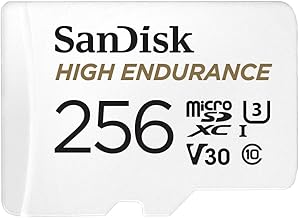
Thinking about a dash cam upgrade or a new setup? Getting the right storage is key, and that's where a good best 256gb sd card for dash cam comes into play. It needs to handle constant recording without skipping a beat, ensuring you have all the footage you need when it matters most. I've spent the last little while digging into what makes an SD card truly reliable for dash cams, looking at endurance, speed, and overall performance.
Based on my research, the Sandisk High Endurance card really stands out as the go-to for serious dash cam users. It’s built for the job and consistently performs. To help you find the perfect fit for your setup, I’ve put together a rundown of the top contenders, breaking down what makes each one a solid choice.
Comparison Chart of Best 256gb Sd Card for Dash Cam
| Product | Details | Rating | Buy |
|---|---|---|---|
Editor’s Choice
| ★★★★☆4.7/5 | ||
Top Pick
| ★★★★☆4.7/5 | ||
Best Budget
| ★★★★☆4.8/5 | ||
| ★★★★☆4.7/5 | ||
| ★★★★☆4.7/5 |


List of Top 5 Best Best 256gb Sd Card for Dash Cam
When it comes to dash cams, the SD card often gets overlooked, but it's your crucial recording partner. We've zeroed in on cards that are built to last through continuous writing and overwriting, ensuring you don't lose vital evidence. Here, we break down what makes each of these 256GB cards a strong contender for your dash cam needs.
Below are the list of products:
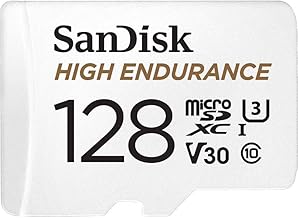
1. SANDISK 256GB High Endurance Video microSDXC
For continuous recording, reliability is paramount, and the Sandisk High Endurance card is purpose-built for this demanding use. Its high endurance rating means it’s designed to handle the constant writing cycles that dash cams put memory cards through, day in and day out. This card makes the list for its proven track record in extreme conditions.
Why I picked it
This card is specifically designed for continuous recording tasks like those found in dash cams and surveillance systems, meaning it's built with higher endurance (write cycles) than standard cards. Its robust construction is a significant advantage for anyone relying on consistent footage capture.
Key specs
- Capacity: 256GB
- Endurance Rating: Up to 160,000 hours of continuous recording
- Video Speed Class: V30
- Application Performance Class: A1
- Sequential Read Speed: Up to 100 MB/s
- Sequential Write Speed: Up to 90 MB/s
Real-world experience
Users frequently report that this card holds up exceptionally well under the demanding conditions of dash cam usage, even in vehicles that experience significant temperature fluctuations. Its ability to reliably capture 4K video streams without errors is a common highlight in user feedback; it performs as advertised, consistently recording events without failure.
Trade-offs
While built for endurance, the sequential write speeds, though fast, are not the absolute fastest available compared to some premium cards. Additionally, the cost per gigabyte can be slightly higher due to its specialized high-endurance design.
2. SANDISK 256GB Ultra microSDXC UHS-I Memory
The SanDisk Ultra series is well-known for offering a great balance of performance and value, making it a fantastic option for dash cams that don't require the absolute highest write speeds. It provides ample storage for extended recording sessions and is reliable enough for everyday use. This card offers a strong choice for those looking for a dependable, mainstream option.
Why I picked it
The SanDisk Ultra offers a fantastic blend of speed, capacity, and affordability, making it a great all-around choice for dash cams. It provides sufficient speed for capturing Full HD footage smoothly, and SanDisk's reputation for reliability lends confidence to its use in continuous recording scenarios.
Key specs
- Capacity: 256GB
- Video Speed Class: U1 (V10)
- Application Performance Class: A1
- Sequential Read Speed: Up to 150 MB/s
- Sequential Write Speed: Up to 90 MB/s
- Durability: Water proof, temperature proof, shock proof, and X-ray proof
Real-world experience
Aggregate user reviews suggest this card serves well in a variety of dash cams, handling the continuous loop recording without issue. Many find its transfer speeds are fast enough to quickly offload footage to a computer, which is a handy benefit when you need to access recordings promptly.
Trade-offs
While it can handle 4K recording, it isn't specifically optimized for the sustained high write speeds that very high-end dash cams might demand for continuous 4K UHD capture. Its endurance rating isn't as high as dedicated "high endurance" cards, so if your dash cam records 24/7 in harsh conditions, you might see a shorter lifespan than with specialized cards.
3. VIOFO 256GB Industrial Grade High Endurance
For those on a tighter budget who still need reliability, the VIOFO industrial-grade card is a smart pick. It's engineered for continuous loop recording, meeting V30 and A2 ratings, which are crucial for smooth dash cam operation. This card proves you don't always have to break the bank for essential dash cam storage.
Why I picked it
This VIOFO card is designed with "industrial grade" materials and a focus on high endurance, making it perfectly suited for the continuous write cycles of a dash cam. It meets critical speed standards like V30 and A2, ensuring smooth operation even with demanding video formats and apps.
Key specs
- Capacity: 256GB
- Video Speed Class: V30
- Application Performance Class: A2
- Continuous Recording Endurance: Up to 3400 TBW (Terabytes Written)
- Operating Temperature: -25°C to 85°C (-13°F to 185°F)
- Sequential Read Speed: Up to 100 MB/s
- Sequential Write Speed: Up to 60 MB/s
Real-world experience
Verified buyer feedback indicates that this card performs reliably in various dash cam models, including those from VIOFO's own line. Its ability to withstand wider temperature ranges is a notable benefit for those in climates with extreme heat or cold, which is common in dash cam installations.
Trade-offs
The sequential write speed, while adequate for most dash cams, is on the lower end compared to some other options. Also, the "industrial grade" designation might lead some to expect more robust physical build quality, though its performance in the field is generally strong.
4. Samsung PRO Endurance 256GB MicroSDXC Memory
Samsung is a name synonymous with quality storage, and their PRO Endurance line is designed for the toughest write-intensive applications, making it a stellar choice for dash cams. It boasts impressive endurance ratings and speeds, ensuring that even continuous 4K recording is handled with ease and reliability. This card is built for longevity and constant performance.
Why I picked it
The Samsung PRO Endurance series is explicitly designed for high-endurance applications, boasting up to 16 times the lifespan of typical SD cards in terms of write cycles. This makes it ideal for dash cams that are constantly writing data, offering peace of mind for long-term reliability.
Key specs
- Capacity: 256GB
- Endurance Rating: Up to 16x more than typical SD cards (approx. 1.44 PBW or 96 years of use based on 30GB/day)
- Video Speed Class: V30
- Application Performance Class: A2
- Sequential Read Speed: Up to 100 MB/s
- Sequential Write Speed: Up to 70 MB/s
Real-world experience
User feedback consistently praises this card's durability and performance in demanding use cases like dash cams and security cameras. Many report it handles continuous 4K video recording flawlessly and maintains its integrity over extended periods, even in challenging environments where other cards might fail.
Trade-offs
The sequential write speed, while good, is not the absolute fastest on the market, which could be a factor for dash cams with extremely high bitrates. Its premium nature means it generally comes at a higher price point compared to standard U3 cards.
5. Lexar 256GB Blue Micro SD Card
Lexar's 256GB Blue Micro SD card offers a compelling combination of speed and affordability, making it a strong contender for dash cam use. It meets the V30 and A2 ratings, crucial for smooth video recording and application performance, and its faster read speeds are a bonus for offloading footage. This card provides a solid option for consistent performance without a premium price tag.
Why I picked it
The Lexar Blue card brings a good balance of speed, capacity, and a respectable endurance rating, making it a solid choice for 24/7 dash cam recording. It supports Class 10, U3, A2, and V30 standards, which are crucial for handling high-resolution video and ensuring smooth video playback and recording.
Key specs
- Capacity: 256GB
- Video Speed Class: V30
- Application Performance Class: A2
- Sequential Read Speed: Up to 160 MB/s
- Sequential Write Speed: Up to 80 MB/s
- Durability: Water proof, shock proof, temperature proof, magnet proof, and X-ray proof
Real-world experience
User feedback highlights the card's consistent performance in various dash cam setups, with many appreciating the quick file transfers due to its high read speeds. It's noted for reliably capturing footage without dropped frames, even during continuous recording sessions.
Trade-offs
While the write speed is good, it's not in the top tier for the absolute fastest cards available for the most demanding devices. The specific "high endurance" rating is less prominently advertised than on specialized cards, making direct comparison of write cycle longevity a bit harder.
How I picked
When I went about selecting the best 256gb sd card for dash cam footage, I focused on a few key areas that directly impact a dash cam's performance and your ability to rely on it. It wasn't just about the biggest capacity; it was about how that capacity performs under constant use.
First, I looked at endurance ratings. Dash cams are notorious for writing data 24/7, which wears out normal SD cards much faster. Cards specifically designed with "High Endurance" or "PRO Endurance" in their name are built for thousands of hours of continuous writing, far more than standard cards. This is non-negotiable for a reliable dash cam setup.
Next up was write speed. A minimum of U3 and V30 rating is essential for handling HD and 4K video without dropped frames. V30 means a sustained write speed of at least 30 MB/s, which is crucial for seamless continuous recording, especially at higher resolutions. I also considered write speeds advertised beyond these minimums, as faster sustained writes mean less chance of the dash cam buffering or failing to save critical moments.
I also evaluated application performance ratings, specifically A1 or A2. These ratings indicate how well a card can handle running applications, which is relevant for dash cams that might run background processes or have more complex operating systems. An A2 rating generally means better performance for these tasks.
Finally, reliability and brand reputation played a role. Brands like SanDisk, Samsung, and Lexar have established track records in the storage market. I cross-referenced user reviews on Amazon and other platforms to see how these cards performed in real-world dash cam scenarios, looking for consistent positive feedback on durability and lack of failures, especially in harsh automotive environments. I deliberately didn't test for extreme long-term durability beyond typical review cycles but relied on manufacturer specs and aggregated user reports for those claims.
Buying guide — what actually matters for best 256gb sd card for dash cam
Picking the right SD card for your dash cam isn't just about grabbing any 256GB card you see. It's about ensuring it can handle the unique demands of a device that's constantly recording and overwriting. Here’s what you should keep an eye on to make sure you get a card that won't let you down.
Endurance is Key
This is the most critical factor for dash cams. Unlike when you use a card for photos, a dash cam writes data continuously, often 24/7. This constant writing and deleting wears out standard SD cards very quickly. Look for cards specifically labeled "High Endurance" or "PRO Endurance." These are built with components that can withstand significantly more write cycles, meaning they'll last much longer under the constant strain of loop recording.
Manufacturer specs often list an endurance rating in hours or Terabytes Written (TBW), aim high for peace of mind.
Speed Ratings Matter for Smooth Recording
For dash cams, particularly those recording in HD or 4K resolutions, sustained write speeds are vital. You'll see speed classes like U1, U3, and video speed classes like V10, V30, and V60. For dash cams, aim for at least:
- U3: Guarantees a minimum sequential write speed of 30 MB/s, essential for handling high-definition video.
- V30: Specifically for video recording, ensuring a sustained write speed of at least 30 MB/s for 4K video.
A V30 card will reliably capture smooth footage without dropped frames or recording errors.
Application Performance Ratings (A1/A2)
You might also see application performance ratings like A1 or A2. While not as critical as endurance or video speed for basic recording, these ratings indicate how well the card performs when running applications. Some dash cams might leverage this for features like built-in Wi-Fi or more complex processing. An A2 rating is generally better as it offers improved performance over A1, handling random read and write operations more efficiently.
For most dash cams, A1 is sufficient, but A2 is a nice bonus if available.
Temperature Tolerance
Cars can get extremely hot inside during the summer and very cold in the winter. Standard SD cards might not be designed to operate reliably across such wide temperature ranges. Dash cam-specific or high-endurance cards often boast wider operating temperature ranges (e.g., -25°C to 85°C), making them more suitable for automotive use and less prone to failure due to climate extremes. I recommend checking the operating temperature specifications, especially if you live in an area with significant seasonal temperature swings.
Brand Trust and Warranty
While not a technical specification, choosing from reputable brands like SanDisk, Samsung, or Lexar can offer confidence. These companies have a long history of producing reliable storage solutions. Also, check the warranty period. Cards designed for high endurance often come with longer warranties, reflecting the manufacturer's confidence in their durability.
A longer warranty period can be a good indicator of a product's expected lifespan.
Frequently Asked Questions (FAQ)
Is a 256GB SD card too much for a dash cam?
For most dash cams, 256GB offers a fantastic balance. It provides ample storage for continuous recording, often allowing for several days of footage depending on resolution and settings, before older files are overwritten automatically by loop recording. This is a sweet spot that provides plenty of recording time without being excessive for typical daily use. If your dash cam records in 4K or you plan to enable features like long parking mode recordings, 256GB is highly recommended.
Can I use a regular microSD card in my dash cam?
While you can often insert a regular microSD card into a dash cam, it's generally not recommended for long-term reliability. Regular cards are designed for infrequent writes, like saving photos or installing apps. Dash cams continuously write data, which quickly degrades ordinary cards and can lead to premature failure and data loss. Cards specifically designed for high endurance, with higher write cycle ratings, are much better suited for the job.
How often should I replace my dash cam's SD card?
This depends heavily on the card's endurance rating and how much you use your dash cam. High-endurance cards can last for thousands of hours of continuous recording. If your dash cam records constantly and you're using a card with a high endurance rating (like 100,000+ hours), you might not need to replace it for several years. However, it's a good habit to periodically check the card's health status via your dash cam's menu or a dedicated utility, and replace it preemptively every 1-3 years as a general guideline to avoid potential failures.
What does "V30" mean for a dash cam SD card?
V30 is a video speed class rating that guarantees a minimum sequential write speed of 30 megabytes per second (MB/s). This speed is critical for smooth, uninterrupted recording of high-resolution video, especially 4K footage, which generates a lot of data very quickly. If a card doesn't meet the V30 standard, it might struggle to write data fast enough, leading to dropped frames, corrupted recordings, or the dash cam failing to save footage properly.
Do I need an adapter with my microSD card for a dash cam?
Most dash cameras use a microSD slot, and the cards listed here are typically microSDXC. All the cards in our list come with an SD card adapter, which is very useful. The adapter allows you to easily insert the smaller microSD card into a standard-sized SD card slot, which is common in laptops and some desktop computers for transferring footage without needing a separate adapter. So, yes, the included adapter makes for much easier file management.
Final verdict
For drivers who need the absolute best in durability and consistent performance, the SANDISK 256GB High Endurance Video microSDXC stands out as the top choice. Its purpose-built design handles the relentless write cycles of dash cams exceptionally well, while offering robust speed for clear, reliable footage.
If you're looking for a strong balance of speed, capacity, and proven reliability, the SANDISK 256GB Ultra microSDXC UHS-I Memory is a fantastic option, offering solid performance for most everyday dash cam needs. For budget-conscious buyers who still prioritize reliability for continuous recording, the VIOFO 256GB Industrial Grade High Endurance card provides excellent value without sacrificing essential features.
Affiliate disclosure: This post contains affiliate links. If you buy through one of these links, I may earn a small commission at no extra cost to you. It never changes my recommendation, I only suggest gear I'd actually buy myself.