A flooded car battery is a traditional lead-acid battery filled with liquid electrolyte that powers your vehicle's starter and electrical systems.
If you've ever popped the hood and peeked at your car's battery, you might have noticed small caps on top or a clear plastic casing showing liquid inside. That liquid-filled battery is called a flooded lead-acid battery, and it's been the workhorse of the automotive world for over a century. Yet most drivers don't really know what makes it tick, why some batteries are labeled "flooded," or whether this old-school design is still worth caring about. I've spent years working with cars, testing batteries in my own garage, and helping friends troubleshoot dead starts on cold mornings. In this guide, I'll walk you through exactly what a flooded car battery is, how it works, what makes it different from other battery types, and what you need to know to keep one alive for as long as possible.

How a Flooded Car Battery Works
At its core, a flooded car battery stores and releases electrical energy through a chemical reaction between lead plates and a liquid sulfuric acid solution. When you turn the key or push the start button, the battery sends a burst of current to the starter motor, cranking the engine to life. Once the engine is running, the alternator takes over and recharges the battery while also powering the car's electronics.
The term "flooded" simply means the lead plates inside are completely submerged in electrolyte. This liquid is a mix of about 35% sulfuric acid and 65% distilled water. It acts as the medium that allows ions to move between the positive and negative plates, creating the electrical current your car needs to start and run accessories like lights, radio, and climate control.
Each cell inside the battery produces about 2.1 volts, and a standard 12-volt car battery contains six cells connected in series. Together, they deliver the 12.6 volts your vehicle expects when fully charged. The chemical reaction is reversible, which is why the alternator can recharge it during driving.
Key Components Inside a Flooded Battery
Even though a flooded battery looks like a simple black box, there are several important parts working together inside:
- Positive plates made of lead dioxide
- Negative plates made of pure sponge lead
- Electrolyte (sulfuric acid solution) covering the plates
- Plate separators that prevent the positive and negative plates from touching
- Cell connectors that link all six cells in a row
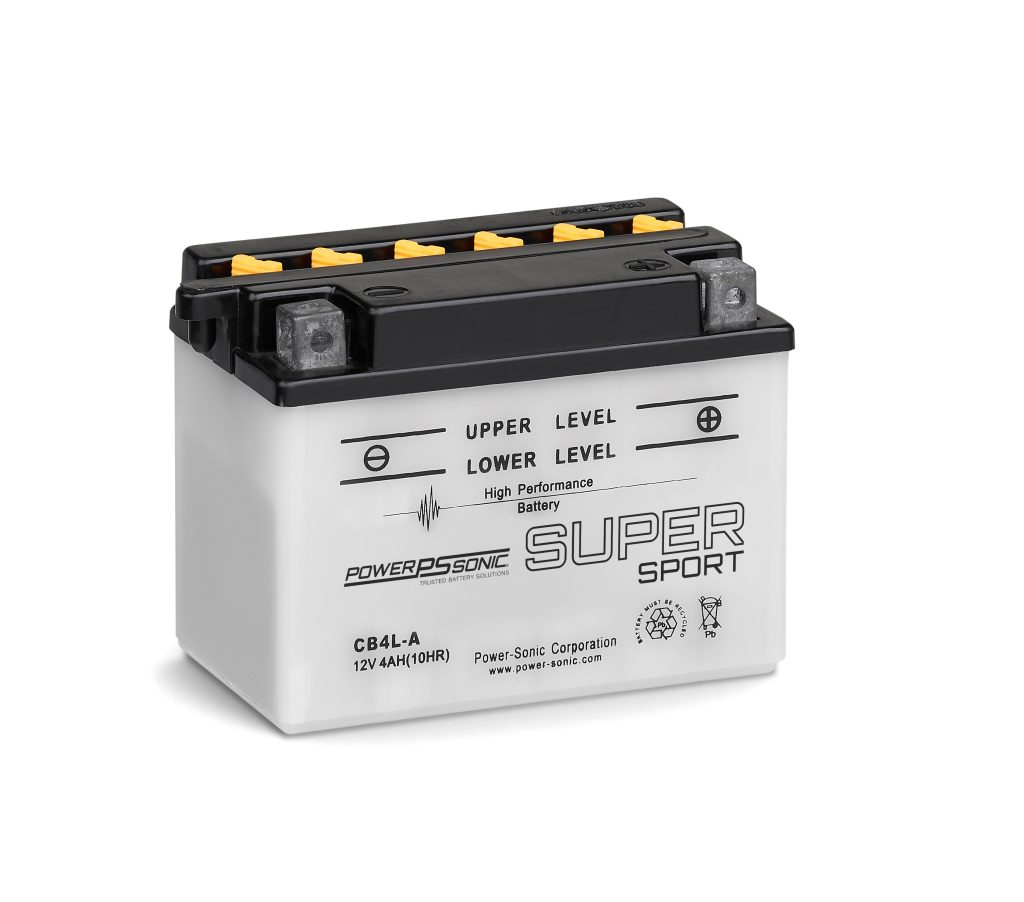
- Vent caps on top, which allow gases to escape and let you add distilled water
- Outer case usually made of hard plastic to resist acid and vibration
Each part plays a role in how well the battery performs and how long it lasts. If any component fails, the whole system suffers.

Flooded vs. Sealed Batteries: What's the Difference?
You may have heard of AGM, gel, or "maintenance-free" batteries and wondered how they compare to a flooded battery. Here's the breakdown:
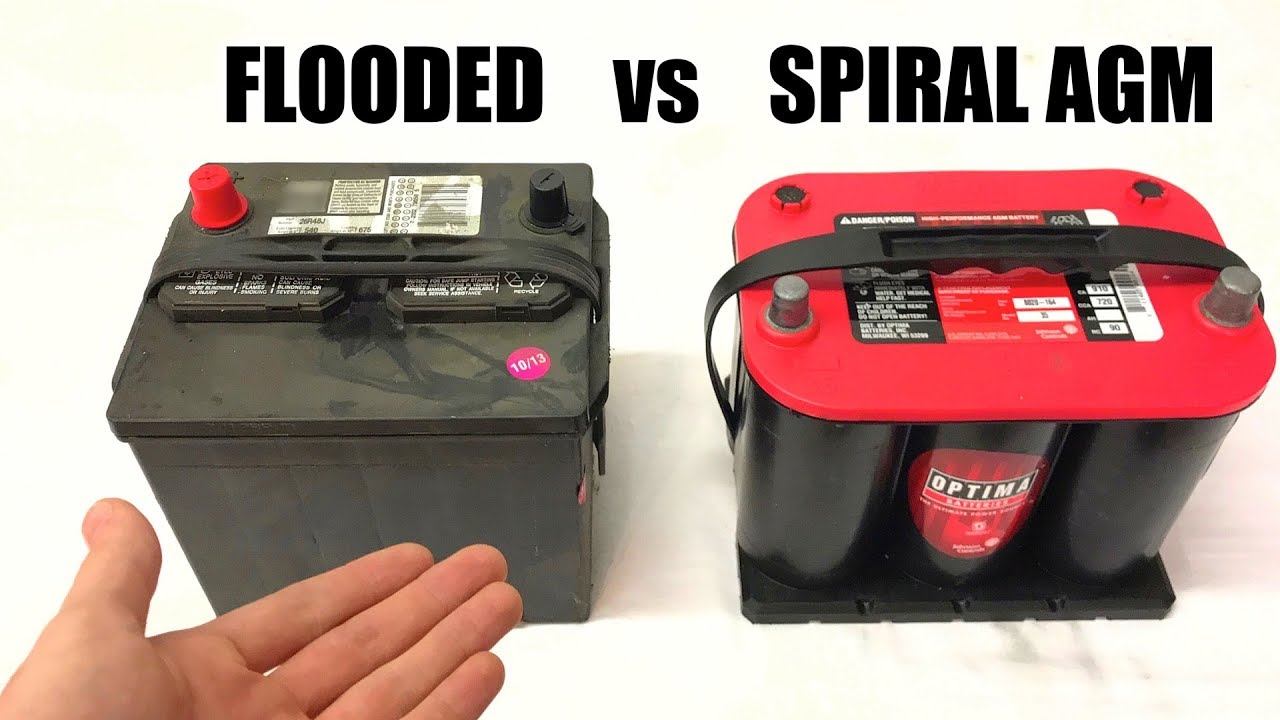
Flooded batteries are the original design. They have removable caps, contain free-flowing liquid electrolyte, and require occasional maintenance like checking water levels and cleaning corrosion off the terminals.
AGM (Absorbent Glass Mat) batteries hold their electrolyte in fiberglass mats pressed between the plates. They're sealed, spill-proof, and handle vibration better. They also charge faster and last longer in demanding conditions, but cost noticeably more.
Gel batteries use a silica-based gel instead of liquid, making them completely sealed and resistant to leakage. They're less common in standard cars but show up in some specialty vehicles.
The main practical differences come down to maintenance, cost, lifespan, and performance. Flooded batteries are the cheapest, but they need a little more care. Sealed batteries cost more upfront but are often worth it if you want a hassle-free experience.
Advantages of a Flooded Car Battery
Flooded lead-acid batteries still dominate the market for good reason. Here are the biggest benefits:
- Affordable price — they cost less than AGM or gel options, often 30–50% cheaper for the same group size
- Reliable starting power — delivers strong cranking amps for most everyday vehicles
- Easy to maintain — you can add water, check voltage, and clean terminals yourself
- Widely available — found at every auto parts store, Walmart, and mechanic shop
- Recyclable — over 95% of the materials can be reclaimed and reused
- Proven technology — over 150 years of refinement means predictable performance
- Easy to test — a simple hydrometer or voltmeter tells you the state of charge

Limitations and Downsides
Of course, flooded batteries aren't perfect. Here are the main drawbacks:
- Requires maintenance — you must check electrolyte levels and top off with distilled water
- Vulnerable to spills and leaks — the acid can splash out if the case cracks or tips over
- Shorter lifespan — typically 3–5 years versus 5–7 for AGM in similar conditions
- Sensitive to vibration — rough roads can damage internal plates over time
- Slow self-discharge in storage — loses charge faster than AGM when sitting unused
- Corrosion buildup — the vents release hydrogen gas, which causes terminal corrosion
- Not ideal for start-stop systems — modern cars with auto stop-start benefit more from AGM

How to Maintain a Flooded Car Battery
One of the best parts of owning a flooded battery is that you can extend its life with just a few minutes of care every few months. Here's what I've learned from maintaining my own batteries over the years.
Check the electrolyte level. Pop off the caps and look inside each cell. The liquid should cover the plates by about half an inch. If it's low, top off with distilled water only. Never use tap water, because minerals in it will damage the plates.
Clean the terminals. Corrosion looks like a white or bluish powder around the posts. Mix a tablespoon of baking soda with a cup of water, scrub it on with an old toothbrush, then rinse with plain water and dry thoroughly.
Test the voltage. A healthy, fully charged flooded battery should read 12.6 volts or higher when the car is off. Anything below 12.2 volts means it's undercharged. Below 12.0 volts, and you're looking at a battery that's sulfated or failing.
Use a maintainer in storage. If you're parking the car for weeks at a time, hook up a trickle charger or battery maintainer. This prevents sulfation, which is the #1 killer of lead-acid batteries.
Secure the battery. Make sure the hold-down bracket is tight. Vibrations from a loose battery are a slow death sentence for the plates inside.

Signs Your Flooded Battery Is Failing
Batteries rarely die without warning. Here are the classic signs that yours is on its way out:
- Slow cranking — the engine turns over sluggishly, especially in cold weather
- Dim headlights — lights pulse or appear weak when idling
- Clicking sound — you hear rapid clicks when turning the key, but the engine doesn't start
- Swollen or bloated case — usually caused by overcharging or extreme temperatures
- Strong sulfur smell — rotten egg odor means the battery is venting gas or leaking
- Corrosion around terminals — heavy crusty buildup reduces electrical flow
- Battery light on dashboard — often means the charging system isn't topping off the battery
I remember one winter morning when my old truck wouldn't start, and I heard that dreaded clicking sound. A quick voltage test showed 11.8 volts, which told me the battery had given up the ghost. I jumped it, drove to the auto parts store, and swapped it out the same day. Catching it early saved me from being stranded later.

How Long Does a Flooded Car Battery Last?
On average, a flooded car battery lasts 3 to 5 years. In hot climates, that number drops to 2 to 4 years because it accelerates the chemical reaction and water loss. In cooler climates, you might squeeze out 5 to 6 years with proper care.
The lifespan depends on several factors:
- Climate — heat is harder on batteries than cold
- Driving habits — short trips don't give the alternator enough time to fully recharge
- Maintenance — regular checks and cleaning add years of life
- Vibration — rough roads or loose mounting shorten life
- Electrical load — cars with many accessories put more strain on the battery
If your battery is approaching the 3-year mark, it's smart to test it every few months. Most auto parts stores will test it for free.

Can You Recondition a Flooded Battery?
Yes, you can sometimes restore a flooded battery that has lost capacity due to sulfation. Sulfation happens when lead sulfate crystals build up on the plates, often from sitting discharged for too long. A basic reconditioning involves:
- Fully charging the battery with a smart charger
- Adding a chemical desulfator or using a pulse charger
- Draining and refilling with fresh electrolyte in extreme cases
I've revived a few batteries this way, but I want to be honest — it works best on batteries that are only mildly sulfated, not on ones that are truly dead. If the voltage doesn't recover above 12.4 volts after a full charge cycle, it's time to recycle it.
Safety Tips When Handling Flooded Batteries
Flooded batteries contain sulfuric acid, which can cause serious burns and damage clothing, skin, and eyes. Always follow these safety rules:
- Wear gloves and safety glasses when checking or filling
- Work in a well-ventilated area because batteries release hydrogen gas
- Keep flames, sparks, and cigarettes far away
- Neutralize spills with baking soda and water
- Never lean over the battery while working on it
- Dispose of old batteries at a proper recycling center, never in the trash
Frequently Asked Questions
What does "flooded" mean on a car battery?
"Flooded" means the battery contains liquid electrolyte that freely surrounds the lead plates inside. The term comes from the plates being "flooded" in the acid solution, which is necessary for the chemical process that creates electricity.
How do I know if my battery is flooded or AGM?
Look at the top of the battery. If it has removable caps or a sticker saying "lead-acid," it's likely flooded. AGM batteries are usually labeled "AGM" or "Absorbed Glass Mat" and have a flat top with no caps. AGM batteries also cost noticeably more than flooded ones.
Can a flooded battery be recharged?
Yes, a flooded car battery can be recharged using a standard battery charger or by driving the car so the alternator can top it off. If the battery is deeply discharged, a slow, low-amp charge is best to avoid overheating.
How often should I add water to a flooded battery?
Check the electrolyte level every 2 to 3 months, or every 6 months if you live in a mild climate. Add distilled water only when the plates are exposed, and never overfill past the maximum level indicator.
Are flooded batteries still good for modern cars?
They work fine for most traditional vehicles without start-stop systems or heavy electrical loads. However, newer cars with auto start-stop, regenerative braking, or lots of electronics usually benefit more from an AGM battery, which handles deep cycling better.
Conclusion
A flooded car battery may be old-school, but it's still one of the most reliable and affordable ways to power a vehicle. Understanding how it works, what its strengths and weaknesses are, and how to maintain it can add years of life and save you from unexpected breakdowns. Check your electrolyte, keep the terminals clean, secure the battery tightly, and watch for early warning signs like slow cranking or dim lights. If you treat it well, a flooded battery will faithfully start your car for years to come. Got questions or your own battery tips? Drop a comment below — I'd love to hear what works for you.