
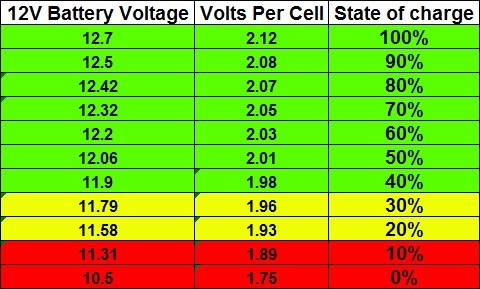
A standard car battery is a 12-volt battery, made up of six cells that each produce roughly 2.1 volts, giving the electrical system enough power to start the engine and run accessories.
If you've ever popped the hood of your car or dealt with a dead battery on a cold morning, you know how important it is to understand what's actually powering your vehicle. Most drivers don't realize that the "12-volt" battery in their car isn't really 12 volts at all—it's closer to 12.6 volts when fully charged. Over the years, I've tested dozens of batteries, helped friends jump-start everything from compact cars to heavy-duty trucks, and learned that knowing your battery's voltage can save you from being stranded. Let me walk you through everything you need to know about car battery voltage, how it works, and why it matters more than you might think.
Understanding Car Battery Voltage
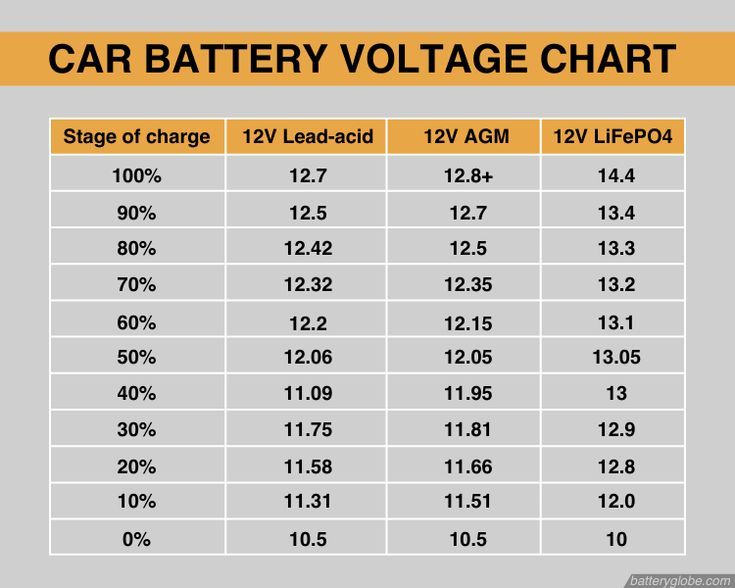
When people ask "what volt is a car battery," the short answer is 12 volts—but that's just the surface. A typical lead-acid car battery actually operates at around 12.6 volts when fully charged and can drop below 12 volts when discharged. This nominal voltage has been the industry standard since the early days of automobiles, and it works perfectly for starting engines and running the electrical systems in most cars, trucks, and SUVs.
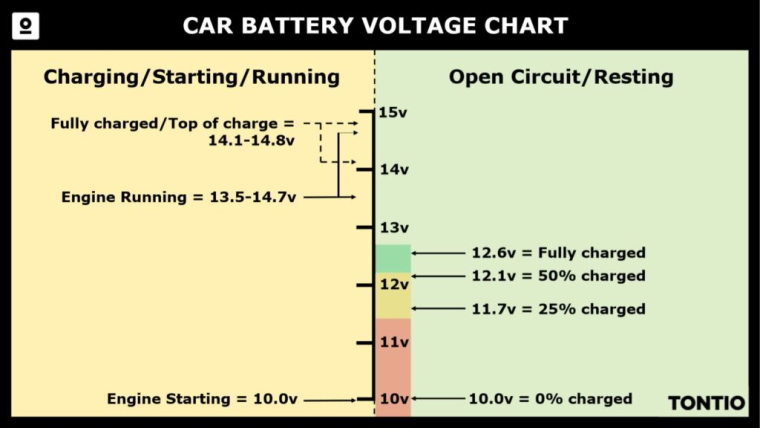
But here's what most people don't realize: the battery is only one part of your car's electrical system. While the battery provides the initial burst of power to crank the engine, the alternator takes over once the car is running, generating between 13.7 and 14.7 volts to keep the battery charged and power all your electronics.
Why 12 Volts Became the Standard
The 12-volt standard wasn't an arbitrary choice. Back in the 1950s, car manufacturers needed more electrical power to support new accessories like power windows, radios, and more powerful starter motors. The previous 6-volt systems couldn't keep up with these demands. By moving to a 12-volt system with six 2.1-volt cells, automakers got more cranking power and better overall performance.
Think of it like this: imagine trying to fill a swimming pool with a garden hose versus a fire hose. The 12-volt system is that fire hose—delivering the electrical "pressure" needed to start modern engines and run all the gadgets we rely on today.
Different Battery Voltages for Different Vehicles
While 12 volts is standard for most consumer vehicles, there are exceptions worth knowing about:
- Compact cars and economy vehicles typically use 12-volt batteries with around 40-60 amp-hours
- Standard sedans and SUVs usually have 12-volt batteries ranging from 50-80 amp-hours
- Heavy-duty trucks and diesel vehicles often use dual 12-volt batteries for extra cranking power
- Hybrid vehicles use a high-voltage battery pack (usually 100-300+ volts) for the electric motor, but still have a 12-volt auxiliary battery to start the gasoline engine and run accessories
- Electric vehicles ditch the 12-volt system entirely for traction, but still use a small 12-volt battery to power lights, infotainment, and computer systems

How a Car Battery Actually Works
Understanding the voltage is one thing, but knowing how a battery produces that voltage makes everything click into place. Every car battery is essentially a chemical reactor that converts stored chemical energy into electrical energy on demand.
The Chemistry Behind the Voltage
A typical flooded lead-acid battery—the most common type in cars—uses six cells, each containing lead dioxide and spongy lead electrodes submerged in a sulfuric acid solution. Each cell produces about 2.1 volts through a chemical reaction. Multiply that by six cells, and you get approximately 12.6 volts when fully charged.
When you turn the key or push the start button, the battery sends a surge of electrical current to the starter motor, which cranks the engine. Once the engine is running, the alternator recharges the battery, maintaining that voltage level and powering everything from your headlights to your phone charger.
Cold Cranking Amps vs. Voltage
Voltage tells you the electrical "pressure," but cold cranking amps (CCA) measure the battery's actual starting power. A battery with 800 CCA can deliver 800 amps for 30 seconds at 0°F without dropping below 7.2 volts. This is especially important if you live in a cold climate where engine oil is thick and harder to pump.
I learned this the hard way one winter when my old sedan refused to start on a -10°F morning. The battery tested fine for voltage (12.4 volts), but the CCA was too low for those brutal conditions. Lesson learned: always match your battery's CCA rating to your climate.
What Happens When Voltage Drops
A healthy, fully charged battery should read between 12.4 and 12.7 volts when the engine is off. Here's what different voltage readings mean:
- 12.6+ volts: Fully charged and in great shape
- 12.4-12.6 volts: Good charge, slightly below full
- 12.2-12.4 volts: Discharged but still functional
- 12.0-12.2 volts: Significantly discharged, needs charging
- Below 12.0 volts: Heavily discharged, may be damaged
If your battery consistently reads below 12.4 volts, it's time to either recharge or replace it.
Testing Your Car Battery's Voltage
One of the best things you can do as a car owner is learn how to test your battery voltage. It's quick, easy, and can save you from getting stranded. I keep a simple multimeter in my garage, and I've tested hundreds of batteries over the years.
Using a Multimeter
Testing is straightforward:
- Turn off your car and remove the key
- Set your multimeter to DC voltage (20V range)
- Connect the red probe to the positive (+) terminal
- Connect the black probe to the negative (-) terminal
- Read the voltage on the display
A healthy battery should show 12.4 volts or higher. If it's below 12.0 volts, you've got a problem that needs attention.
The Load Test
A voltage test tells you the resting state, but a load test shows how the battery performs under real-world conditions. Many auto parts stores will perform a free load test, which simulates the strain of starting your engine. If the voltage drops below 9.6 volts during the test, the battery is failing and should be replaced.
When to Test
I recommend testing your battery:
- Before winter and summer (extreme temperatures stress batteries)
- If your car cranks slowly when starting
- If your headlights dim at idle
- Every 3-6 months as preventive maintenance

Maintaining the Right Voltage
Keeping your battery at the proper voltage isn't rocket science, but it does require some attention. After years of dealing with battery issues, I've found that a little preventive care goes a long way.
Keep It Clean
Corrosion on the battery terminals is one of the most common causes of voltage drops. A mixture of baking soda and water, applied with an old toothbrush, works wonders. I clean my terminals every time I check the oil, and it's saved me from countless headaches.
Drive Regularly
Batteries lose charge when sitting idle. If you only drive short distances or let your car sit for weeks, the battery may not get enough time to recharge fully. A 30-minute drive at highway speeds once a week can keep your battery healthy.
Watch for Parasitic Drains
Modern cars have small parasitic drains from computers, clocks, and security systems. This is normal, but if something is drawing too much power, your battery can die in a matter of days. If your battery keeps dying for no apparent reason, have a mechanic check for parasitic drains.
Use a Trickle Charger
If you have a vehicle that sits for extended periods—like a classic car, motorcycle, or seasonal vehicle—a trickle charger is a lifesaver. These devices maintain the battery at full charge without overcharging, and they're inexpensive insurance against unexpected failures.
Different Voltages for Different Needs
While 12 volts is the standard for most vehicles, some applications call for different voltages. Understanding these variations can help you make better decisions when buying or replacing batteries.
6-Volt Batteries
You'll still find 6-volt batteries in some classic cars, golf carts, and certain industrial applications. These systems use two 6-volt batteries wired in series to create 12 volts. If you own a vintage vehicle, you already know this!
24-Volt Systems
Many commercial trucks, buses, and heavy equipment use 24-volt electrical systems. These systems typically use two 12-volt batteries wired in series to provide the extra power needed for large diesel engines and heavy electrical loads.
High-Voltage Hybrid and EV Systems
Hybrid vehicles like the Toyota Prius use high-voltage battery packs (often 200-300 volts) to power their electric motors. However, they still use a standard 12-volt battery to run accessories and start the gasoline engine. Electric vehicles like Teslas use battery packs ranging from 400 to 800 volts, but they also include a small 12-volt battery for low-voltage systems.
Signs Your Battery Voltage Is Off
Your car usually gives you warning signs when the battery voltage isn't right. Paying attention to these signals can help you catch problems before they leave you stranded.
Slow Engine Crank
The most obvious sign of low voltage is a slow, labored crank when you turn the key. If your engine sounds sluggish on startup, the battery is likely discharged or failing.
Dim or Flickering Lights
Your headlights and interior lights should be bright and steady. If they dim when you turn on accessories or flicker at idle, the battery or alternator may not be delivering enough voltage.
Warning Lights
Most modern cars have a battery warning light on the dashboard. If this light comes on while driving, your charging system isn't working properly, and you should get to a mechanic immediately.
Electrical Oddities
If your power windows are slow, your radio resets, or your infotainment system acts up, low voltage could be the culprit. These issues might seem minor, but they're often early warnings of bigger problems.
Swollen Battery Case
Extreme temperatures or overcharging can cause the battery case to swell. If your battery looks bloated or warped, it's time for a replacement. Continuing to use a swollen battery can be dangerous.
Common Battery Myths Debunked
There are a lot of misconceptions about car batteries and voltage. Let me clear up a few of the most common ones.
Myth 1: A 12-Volt Battery Always Reads 12 Volts
Nope. A fully charged 12-volt battery actually reads 12.6-12.8 volts. The "12-volt" label is a nominal rating that simplifies the standard.
Myth 2: You Should Fully Discharge a Battery Before Recharging
This is true for some battery chemistries, but not for car batteries. In fact, fully discharging a lead-acid car battery can damage it permanently and shorten its lifespan significantly.
Myth 3: Disconnecting the Battery Will Damage Your Car
Modern cars have sensitive electronics, but briefly disconnecting the battery for maintenance is generally safe. You might lose radio presets and need to reset some systems, but no permanent damage should occur.
Myth 4: All Batteries Last About the Same Time
Battery life varies dramatically based on climate, driving habits, and maintenance. Some batteries last three years; others go seven or more. Proper care makes a huge difference.
Myth 5: Jumping a Dead Battery Is Dangerous
Jump-starting is safe if done correctly. Connect positive to positive, negative to ground (not the dead battery's negative post), and follow proper procedures. Done wrong, it can be risky, but following the steps makes it routine.
Choosing the Right Battery
When it's time for a replacement, picking the right battery matters more than you might think. Here's what to consider.
Match the Specifications
Check your owner's manual for the recommended battery group size, CCA rating, and terminal configuration. Installing the wrong battery can cause electrical issues or physical fitment problems.
Consider Your Climate
If you live in a cold climate, prioritize CCA. If you're in a hot climate, look for batteries with good heat resistance, since heat kills batteries faster than cold.
Quality Matters
I've used budget batteries and premium batteries, and the difference is real. Premium batteries from reputable brands like Optima, Interstate, or DieHard typically last longer and perform better, especially in extreme conditions.
Warranty Considerations
Look for batteries with solid warranties. A three to five-year warranty is standard for quality batteries. Some premium batteries even offer prorated warranties that extend coverage beyond the free replacement period.
Frequently Asked Questions
What voltage should a car battery read when the car is off?
A healthy car battery should show between 12.4 and 12.7 volts when the engine is off and the battery has rested for at least a few hours. Anything below 12.2 volts indicates a discharged battery that may need recharging or replacement.
Is a car battery AC or DC?
Car batteries produce direct current (DC), which flows in one direction. Your car's electrical system runs on DC power, though the alternator creates AC internally and converts it to DC through a rectifier before sending it to the battery and electrical components.
Can a car battery be too dead to jump-start?
Yes. If a battery is severely discharged (below 10 volts) or has a dead cell, a jump-start may not work. The battery may need professional charging or replacement before it can hold a charge again.
What happens if you put a higher voltage battery in your car?
Using a higher voltage battery than your system is designed for can damage the alternator, electronics, and other electrical components. Always stick with the manufacturer's recommended voltage—12 volts for most consumer vehicles.
How long does a 12-volt car battery last?
A typical 12-volt car battery lasts between three and seven years, depending on climate, driving habits, and maintenance. Extreme temperatures, frequent short trips, and lack of maintenance can shorten battery life significantly.
Wrapping It All Up
Understanding car battery voltage is one of those small pieces of knowledge that pays off in a big way. Most cars run on a 12-volt system, though the actual voltage ranges from about 12.0 volts (discharged) to 14.7 volts (charging). Keeping an eye on your battery's voltage, maintaining clean terminals, and addressing issues early can extend its life and save you from unexpected breakdowns.
Whether you're dealing with a dead battery on a Monday morning or just want to stay ahead of potential problems, knowing your way around battery voltage puts you in the driver's seat. Grab a multimeter, keep your terminals corrosion-free, and don't ignore those warning signs. Your battery—and your future self—will thank you.
Got questions about your specific vehicle or battery situation? Drop a comment below, and I'll do my best to help you troubleshoot. And if you found this guide useful, consider subscribing for more practical automotive tips and maintenance advice!