Recycle, return, or sell your old car battery instead of tossing it in the trash. With the right steps, you can protect the environment, save money, and even earn a little cash back.
Every year, millions of car batteries reach the end of their life, and most people have no idea what to do with them. I've worked in the automotive world long enough to see firsthand how a dead battery under the hood can turn into a real problem if it's handled the wrong way. The good news? Used car batteries are one of the most recyclable products on the planet, and handling them properly is easier than you might think. Let me walk you through every option, so you can choose what works best for you.
Why You Should Never Throw a Car Battery in the Trash
A single lead-acid car battery contains around 18 pounds of lead, along with sulfuric acid and plastic. When tossed into a landfill, those materials don't just sit there quietly. They leak. The acid seeps into the soil, and the lead can contaminate groundwater, posing serious risks to wildlife and even drinking water supplies. The plastic casing breaks down over time, releasing microplastics into the environment.
Beyond the environmental damage, throwing a battery in the trash is illegal in most states. The U.S. Environmental Protection Agency classifies lead-acid batteries as hazardous waste, and most states have specific laws requiring proper disposal. I've seen people get fined for tossing even a single battery in with regular household trash. The fine is usually small, but the guilt of knowing what happens to that battery afterward? That's the part that sticks with you.
The key takeaway here is simple: car batteries don't belong in landfills, recycling bins, or your backyard. They need special handling, and that special handling is actually good for your wallet too.
Recycle Your Used Car Battery at an Authorized Center
Recycling is the most common and environmentally responsible way to handle a used car battery. About 97% of the materials in a lead-acid battery can be recovered and reused. That includes the lead, the plastic, and even the sulfuric acid, which can be neutralized and converted into water or reused in new batteries.
Most recycling centers accept car batteries for free, and many will even pay you a small amount per battery. When I drop off old batteries at the local recycling facility, I usually walk out with anywhere from $7 to $15 per battery, depending on the current scrap lead prices. It's not a fortune, but it's better than paying a disposal fee.
Here's how the recycling process typically works. The batteries are broken apart, and the lead components are melted down and purified. The sulfuric acid is either neutralized with a base chemical or processed and reused. The plastic is washed, shredded, and turned into pellets that go into new battery cases. A battery you recycle today could literally become part of a new battery in just a few months.
You can find authorized recycling centers through your local waste management authority, the Earth911 recycling database, or by simply calling your city's public works department. Many auto parts stores also serve as drop-off points.
Return It to the Retailer Where You Bought a New Battery
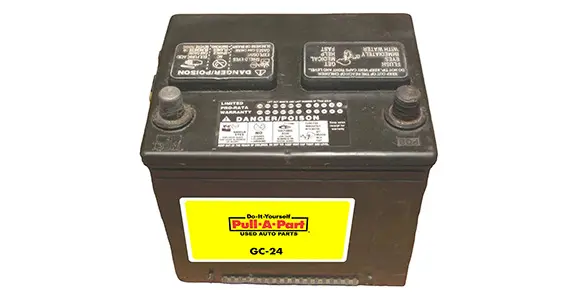
This is one of the easiest options, and it's one most people overlook. When you buy a new car battery from an auto parts store, most retailers will take your old one off your hands right at the counter. I've done this countless times. You walk in with a dead battery, walk out with a new one, and they handle the rest.
Stores like AutoZone, O'Reilly Auto Parts, Advance Auto Parts, NAPA, and even Walmart have battery core charge programs. When you buy a new battery, you pay an extra "core charge" of around $18 to $22. That charge is refunded to you when you bring back your old battery. It's a built-in incentive that keeps these massive stores supplied with raw materials.
The process is simple. Buy your new battery, hand over the old one before you leave, and the core charge is waived or refunded. If you're buying online and picking up in-store, you can usually bring the old battery when you go to pick up the new one. Just call ahead to confirm the store accepts old batteries, especially if you're not buying a replacement at the same time.
The advantage here is convenience. You don't have to make a separate trip to a recycling center, and the store takes care of proper disposal through their own recycling channels.
Sell It to a Scrap Metal Yard or Battery Buyer
If you have multiple old batteries lying around, selling them to a scrap metal yard can be a surprisingly profitable side hustle. Scrap yards that deal in non-ferrous metals often buy lead-acid batteries by the pound, and prices fluctuate based on global lead demand. During my years working with mechanics and tow truck drivers, I've met folks who collect old batteries from garages and junkyards and make a decent income selling them in bulk.
Before you load up your truck, there are a few things to know. First, scrap yards pay more when batteries are intact and not cracked or leaking. Second, you'll need to show ID because scrap metal purchases are tracked to prevent theft. Third, prices can range from $0.10 to $0.30 per pound, so a single battery weighing about 40 pounds can net you $4 to $12. That's not huge, but if you've got a dozen batteries sitting around, it adds up fast.
You can find local scrap yards that buy batteries by searching online or checking your local business directory. Some specialty battery buyers also operate online and will arrange pickup for large quantities.
One word of caution. Always transport batteries upright to avoid spilling acid. Place them in a plastic bin or tray in your vehicle, just in case. And never try to crack open a battery yourself to sell the components separately. The acid is dangerous, and the lead dust is toxic. Leave the breakdown to the professionals.
Donate a Still-Working Battery to Schools, Workshops, or Charities
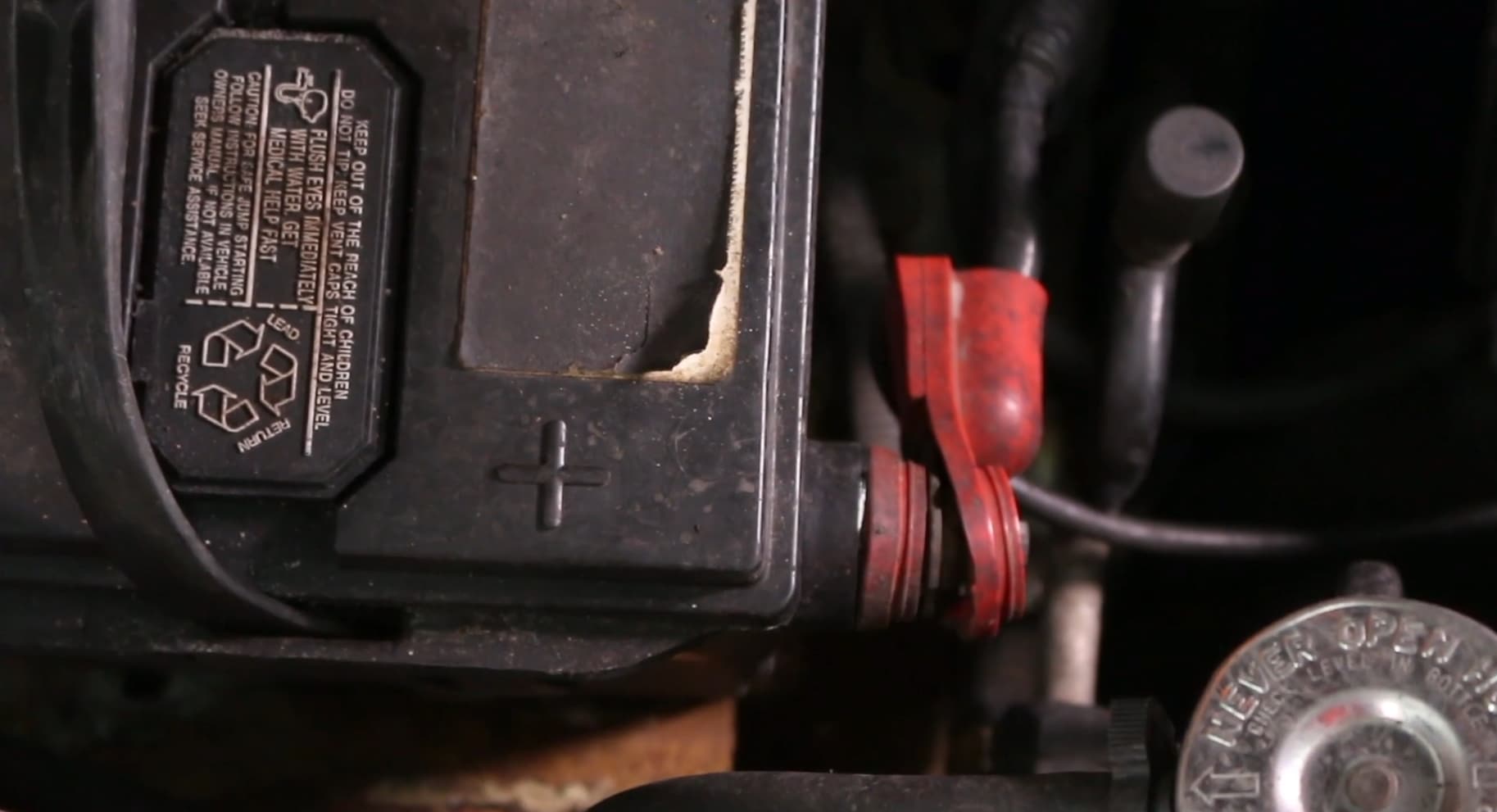
Before you assume your battery is dead, test it. I can't tell you how many batteries I've seen get replaced when they just needed a good cleaning or a fresh charge. If your battery still holds a charge but your car needs more cranking power, it might still be useful for someone else.
Vocational schools, mechanic training programs, and community workshops often need used batteries for teaching purposes. Auto repair classes use them to demonstrate electrical systems, and some nonprofits collect working batteries to give to people who can't afford new ones. I once donated a battery to a local high school's auto shop, and the instructor told me they go through dozens each year just for student training.
If your battery is still good, consider these options:
- Local high school or community college auto programs
- Boys & Girls Clubs or vocational training centers
- Community workshops or makerspaces
- Religious organizations that run vehicle repair ministries
- Friends or family members who need a quick replacement
Just make sure the battery is in good condition before donating. A battery with cracks, leaks, or severe corrosion can be a safety hazard and may do more harm than good.

Check for Manufacturer or Dealer Recycling Programs
Some battery manufacturers and car dealerships run their own take-back programs. If your battery came with a warranty or was installed by a dealer, the original manufacturer might have a specific recycling program in place. These programs often include prepaid return shipping labels, drop-off locations, or even mail-in rebate options.
For example, Interstate Batteries, Optima, and AC Delco all have programs that let consumers return old batteries for recycling. The terms vary, but the process is usually straightforward. You fill out a form, get a shipping container, and send the battery back. The manufacturer handles the recycling, and you might even get a small rebate or credit toward your next purchase.
If you're not sure whether your battery's manufacturer has a take-back program, check the manufacturer's website or call their customer service line. Have your battery's model number or serial number ready, as that helps them identify the right program for your battery.

Use Mail-In Recycling Services for Convenience
If you can't easily get to a recycling center or retail store, mail-in recycling services make it possible to recycle your battery from home. Companies like Call2Recycle and Earth911's recycling locator can help you find mail-in options. Some services even provide prepaid shipping labels and packaging.
The catch is that you need to package the battery properly to prevent leaks or damage during shipping. Most services require you to place the battery in a sturdy box, seal it in a plastic bag, and use absorbent material to catch any potential leaks. The cost is usually covered by the service or built into the recycling process, so you shouldn't have to pay much out of pocket.
Mail-in recycling isn't the most efficient option for a single battery, but it's a great choice for people in rural areas without nearby drop-off locations. It also works well for businesses that generate multiple used batteries and want a streamlined disposal solution.
What to Do If Your Battery Is Damaged or Leaking
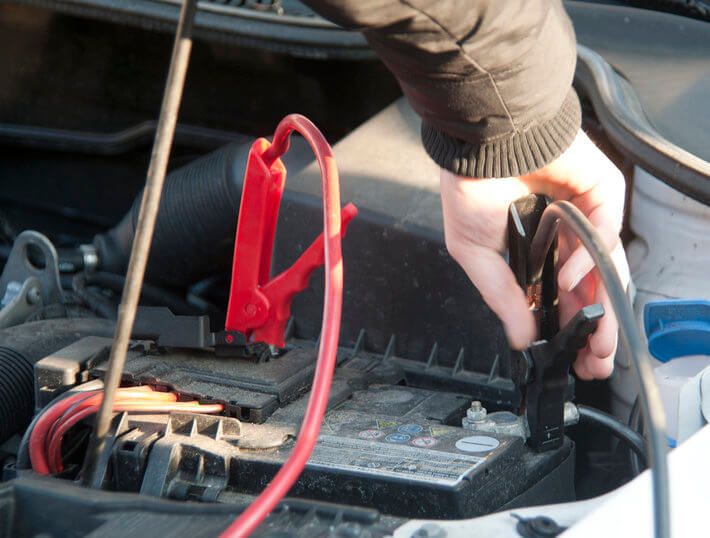
If your battery is cracked, bulging, or leaking acid, it requires extra caution. I once had a battery explode in a customer's car because they tried to jump-start a frozen battery. The acid sprayed everywhere, and the cleanup took hours. Since then, I've been extra careful with damaged batteries.
Here's what to do if your battery is damaged:
- Wear protective gloves and safety glasses before handling it.
- Place the battery in a plastic container or on a thick layer of sand or cat litter to absorb any leaks.
- Do not try to neutralize the acid yourself unless you have proper training and equipment.
- Take the battery directly to a hazardous waste facility, not a regular recycling center.
- Call your local fire department's non-emergency line if you're unsure how to handle a severely damaged battery.
Hazardous waste facilities are equipped to deal with leaking batteries safely. They have the right containment materials and neutralization agents to handle acid spills without contaminating the environment.
Store a Used Battery Safely Before Disposal
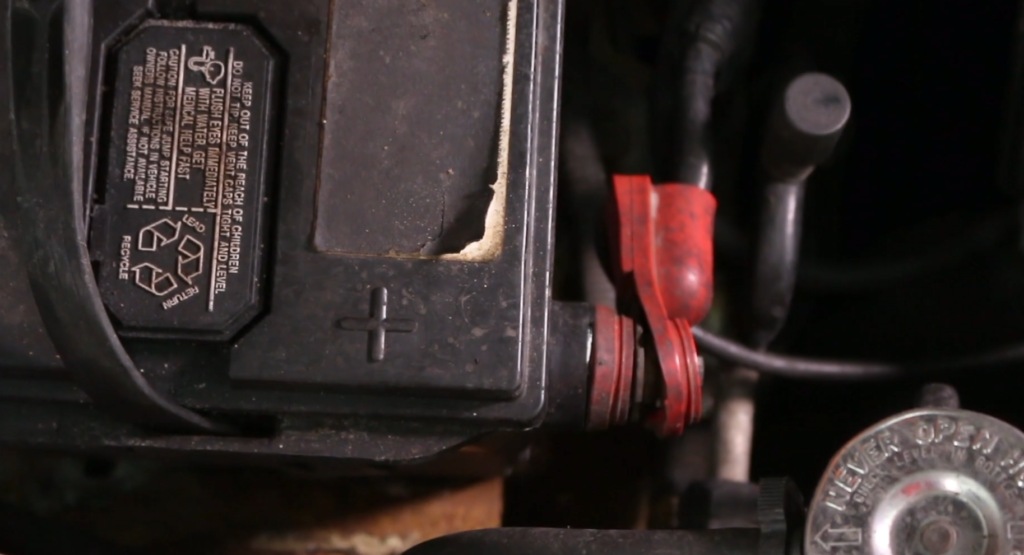
If you can't drop off your battery right away, store it properly until you can. A used car battery should be kept upright, in a cool, dry place, and away from anything flammable. I keep a plastic battery tray in my garage specifically for this purpose. It contains any minor leaks and makes it easy to transport the battery when I'm ready to drop it off.
Never store a used battery on a concrete floor for long periods. The concrete can actually accelerate the discharge of the battery and cause corrosion on the terminals. Place it on a piece of wood or a rubber mat instead.
Also, keep the battery away from children and pets. The acid is toxic, and small batteries can be a choking hazard. Even sealed batteries can leak if tipped over, so always store them upright and secure.
Frequently Asked Questions
Can I get money for my old car battery?
Yes, you can. Most auto parts stores give you a core charge refund of $18 to $22 when you buy a new battery and turn in your old one. Scrap yards also pay by the pound, and recycling centers sometimes offer small cash incentives. The exact amount depends on current scrap lead prices and your location.
How do I know if my car battery is dead or just discharged?
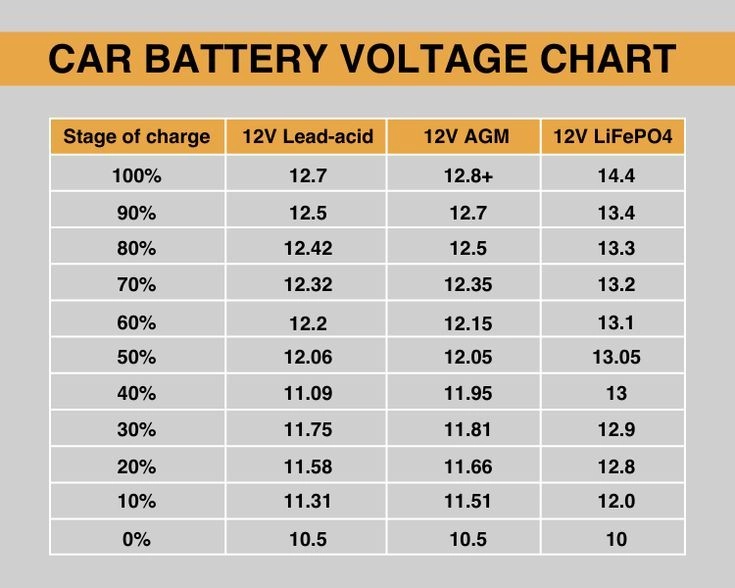
A truly dead battery won't hold a charge even after being on a charger for several hours. A discharged battery will typically recharge fully within a few hours and hold that charge. You can test this with a multimeter. A fully charged battery reads around 12.6 volts. Anything below 12 volts after charging means the battery is likely dead.
Are all car batteries recyclable?
Most lead-acid car batteries are highly recyclable. That includes traditional flooded batteries, AGM batteries, and gel cell batteries. Lithium-ion car batteries are also recyclable, but they require special handling and are usually processed through different facilities than lead-acid batteries.
Is it safe to touch a used car battery?
Touching the outside of a used battery is generally safe, as long as you avoid the terminals and any visible acid leaks. Always wear gloves when handling a battery, especially if it shows signs of corrosion or damage. Wash your hands thoroughly after handling, even if you wore gloves.
Can I throw a car battery in the regular trash if it's dead?
No, you should never throw a car battery in the regular trash. It's classified as hazardous waste in most areas and is illegal to dispose of in landfills. Always recycle, return, or sell your used battery through an authorized channel.
Final Thoughts on Handling Used Car Batteries
Used car batteries are one of the easiest items to dispose of responsibly, and you have plenty of options. Recycling centers, auto parts stores, scrap yards, manufacturers, and even mail-in services all make it simple to do the right thing. The best option for you depends on where you live, how many batteries you have, and whether you're buying a new one at the same time.
Personally, I always go for the core charge refund at my local auto parts store. It's quick, easy, and I walk out with money in my pocket instead of a battery taking up space in my garage. But if you have multiple old batteries or want to maximize your return, selling to a scrap yard is the way to go.
Whichever route you choose, just make sure you handle your battery safely, avoid the trash can at all costs, and take advantage of the fact that nearly every part of a car battery can be reused. The planet will thank you, and so will your wallet.
If you have questions about your specific battery or want to share how you handle your old car batteries, drop a comment below. I love hearing about creative ways people keep these materials out of landfills.