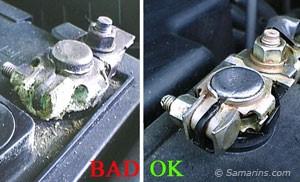
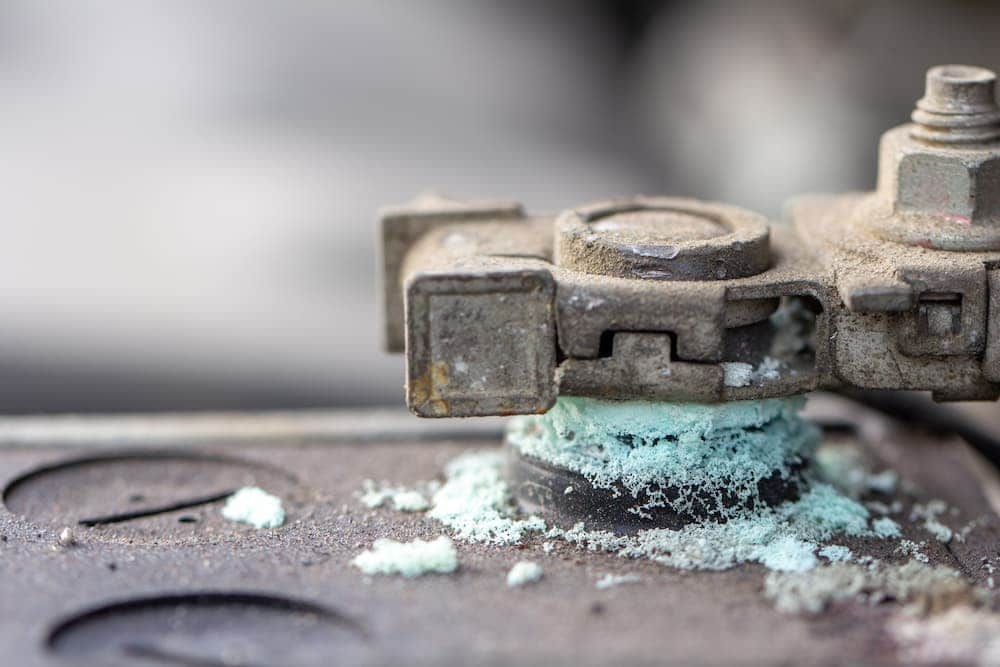
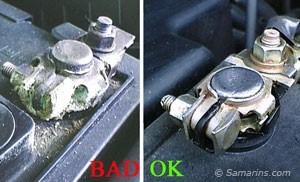
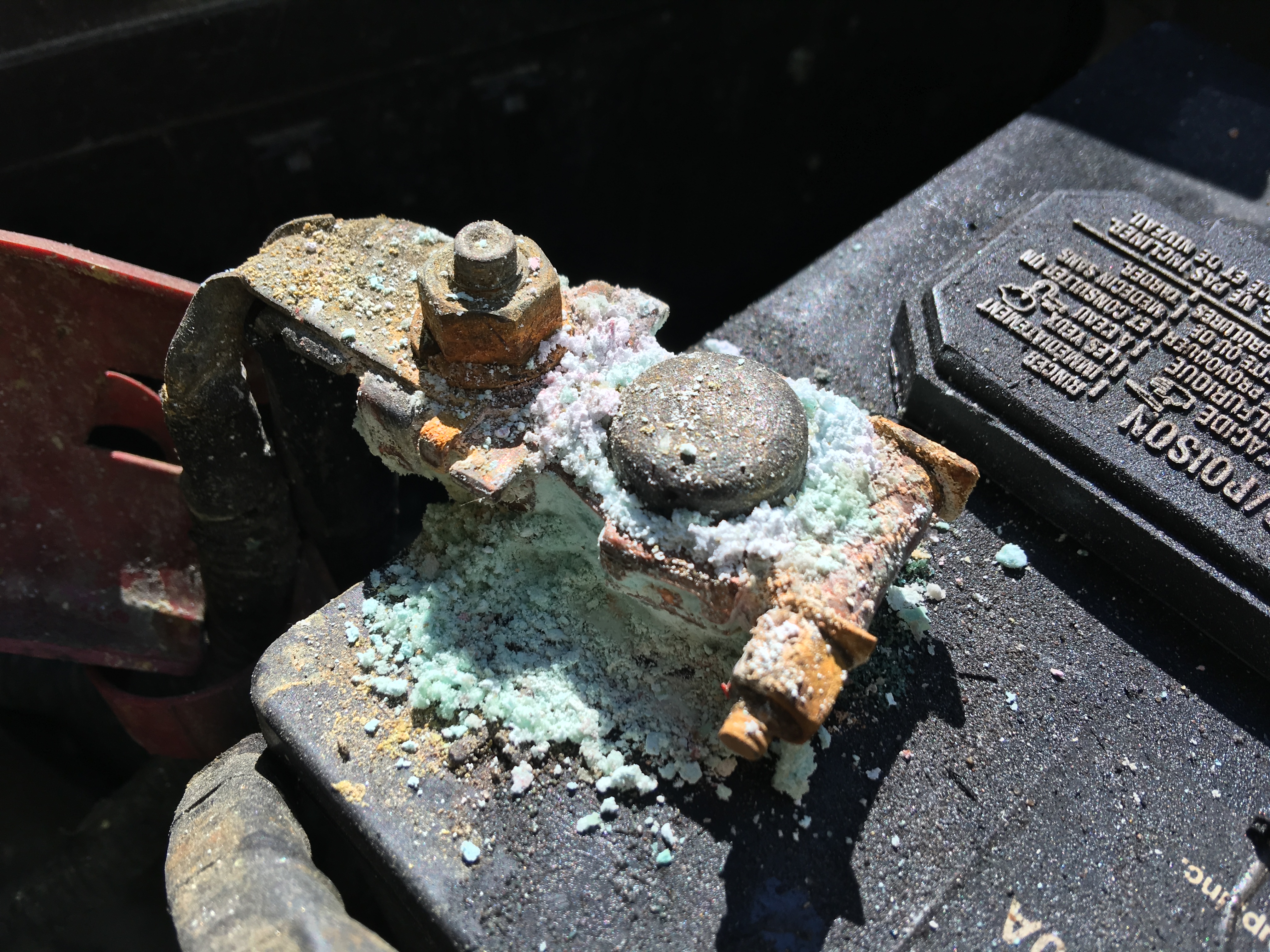
Car battery corrosion looks like a white, blue, or greenish powdery or crusty substance buildup on the battery terminals, posts, or cable connections.
If you've ever popped open your car's hood and noticed something funky around the battery, there's a good chance you've seen corrosion in action. That fuzzy, crusty gunk isn't just ugly — it's a sign that your battery might be trying to tell you something important. I've dealt with this more times than I can count, and trust me, catching it early can save you a real headache down the road. Let's walk through exactly what car battery corrosion looks like, why it happens, and what you can do about it before it leaves you stranded.
What Exactly Does Car Battery Corrosion Look Like
Corrosion on a car battery isn't always the same color or texture, but there are a few telltale signs that should jump out at you. In my experience helping folks troubleshoot dead batteries, I've seen it show up in three main forms.
The Common Colors and Textures
Most of the time, you'll notice corrosion as a powdery, chalky substance sitting right on top of the battery terminals or around the cable clamps.
- White or grayish powder that looks almost like dry salt or baking soda
- Blue or teal crystals that form around the positive terminal
- Greenish or yellowish crusty buildup that spreads across the metal parts
The texture can range from soft and fluffy to hard and crusty, depending on how long it's been sitting there. I remember once finding a battery covered in bright blue crystals that looked almost pretty — until I realized the car wouldn't start the next morning.
Where You'll Usually Spot It
Corrosion doesn't just appear randomly. It tends to show up in very specific spots around the battery.
- Directly on the battery posts (the small metal cylinders sticking up from the top)
- Around the cable clamps that connect to those posts
- Along the battery cables themselves, especially where the insulation has cracked
- On the hold-down bracket or tray underneath the battery
If you see any of these areas looking dusty, crusty, or discolored, you're probably looking at corrosion.
What Causes Car Battery Corrosion
Understanding why corrosion forms is just as important as knowing what it looks like. After working on dozens of vehicles, I've learned that the cause often points directly to the fix.
Battery Venting and Gas Release
When a lead-acid battery charges and discharges, it releases hydrogen gas through small vents. That gas reacts with the surrounding air and moisture, creating that classic corrosion buildup. It's totally normal to some degree, but excess venting usually means something's off.
Overcharging or Undercharging the Battery
If your voltage regulator is wonky or your alternator is pushing too much juice, the battery overheats and vents more gas than usual. On the flip side, a chronically undercharged one can also leak acidic vapors that eat away at the terminals.
Loose or Damaged Cable Connections
I've seen plenty of batteries where the cables were just slightly loose. That tiny gap allows gases to escape and react with the metal, speeding up corrosion. Damaged insulation on the cables does the same thing.
Age and Wear
Nothing lasts forever, and batteries are no exception. As a battery ages, the seals can weaken, internal plates can shift, and chemical leaks become more common. That old battery in your garage? Probably a great candidate for corrosion.
Electrolyte Leaks
Sometimes the actual battery acid (or electrolyte) leaks out through cracks in the case or around the terminals. This is the most aggressive form of corrosion and can eat through metal if left alone.
Why Battery Corrosion Is a Bigger Deal Than It Looks
That crusty buildup might seem harmless, but I can tell you from experience — it causes real problems fast. A thin layer of powder can turn into a complete no-start situation in no time.
It Blocks Electrical Flow
Corrosion acts like a dirty contact point. The electricity has to fight through all that gunk to get from the battery to the starter. Even a small amount can drop voltage just enough to make your engine crank slowly or not at all.
It Eats Away Metal Components
I once watched a battery cable clamp dissolve almost completely because the owner ignored green buildup for months. Once corrosion gets going, it doesn't stop until the metal is gone.
It Can Drain Your Battery
Here's a sneaky one. Corrosion can create a slow parasitic drain across the terminals, meaning your battery loses charge even when the car is off. You might park a perfectly good car at night and come back to a dead battery in the morning.
It Hides Bigger Problems
Sometimes corrosion is the symptom of a failing battery, a bad alternator, or even a cracked case. Ignoring the visible gunk means you might miss a much more serious issue brewing underneath.
How to Safely Clean Battery Corrosion
If you spot corrosion, the good news is that cleaning it off is usually a pretty straightforward DIY job. I've done this dozens of times in my driveway with basic supplies.
Gather What You Need
You don't need a fancy mechanic's setup. A few simple items will do the trick.
- Baking soda and water (mixed into a paste)
- An old toothbrush or small wire brush
- A rag or shop towel
- Wrench or socket set for the terminal bolts
- Safety glasses and gloves
Step by Step Cleaning Process
First, make sure the engine is off and the keys are out of the ignition. I always pop the negative cable off first, then the positive — this order matters for safety.
- Mix about a tablespoon of baking soda with a cup of water
- Pour it over the corroded areas or apply with a brush
- Let it bubble and fizz for a minute or two
- Scrub the terminals and clamps with the brush until the gunk comes off
- Wipe everything clean with a rag and dry it thoroughly
- Reconnect the positive cable first, then the negative
Optional Protective Measures
After cleaning, I like to add a little extra protection to keep corrosion from coming back too soon.
- Apply a thin layer of dielectric grease or petroleum jelly to the terminals
- Use felt battery terminal washers under the clamps
- Make sure the battery is securely fastened in its tray to reduce vibration
How to Prevent Car Battery Corrosion Long Term
Cleaning is great, but stopping it before it starts is even better. Over the years, I've picked up a few habits that keep batteries corrosion-free for much longer.
Regular Visual Inspections
Take a quick peek under the hood every couple of months. It takes ten seconds and can catch problems before they turn into real headaches.
Keep the Top of the Battery Clean
Dirt and moisture on top of the battery create a perfect environment for corrosion. A quick wipe-down with a damp cloth goes a long way.
Check Your Charging System
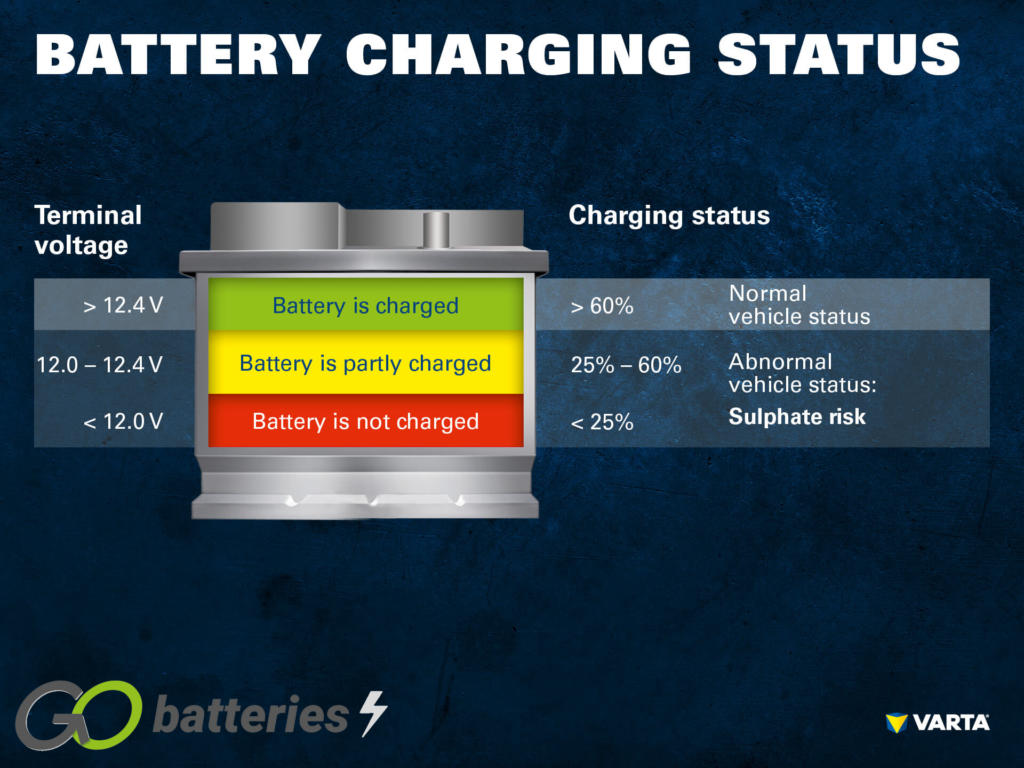
If your alternator is overcharging or undercharging, no amount of cleaning will keep corrosion away for long. A simple voltage test at any auto parts store can tell you if your system is working right.
Tighten Those Connections
Loose cables are corrosion magnets. Once a year, I make it a point to snug up the terminal bolts — not too tight, just firm enough to keep everything solid.
Replace Aging Batteries Before They Leak
Most last around three to five years. If yours is pushing past that and showing heavy corrosion, it's probably time for a new one rather than another cleaning.

When to Call a Mechanic Instead of DIYing It
Sometimes battery corrosion is a sign of something bigger, and there are moments when calling a pro is the smart move.
If the Battery Case Is Cracked or Swollen
Physical damage to the battery itself means it's done. Don't mess around with leaking acid — that's a safety hazard.
If Corrosion Keeps Coming Back Fast
If you clean it off and it reappears within weeks, something is wrong with your charging system or the battery itself. A mechanic can run proper diagnostic tests.
If Cables Are Heavily Damaged
Once corrosion eats deep into the cable wiring, a cleaning won't be enough. Replacement is usually the only safe option.
If You're Not Comfortable Under the Hood
There's no shame in calling for help. Batteries involve acid, electrical current, and sometimes hydrogen gas. If any of that makes you nervous, let a professional handle it.
Common Misconceptions About Battery Corrosion
Over the years, I've heard a lot of wild advice about battery corrosion. Let me clear up a few myths that can actually cause more harm than good.
- Coca-Cola cleans corrosion well — technically true, but the sugar and acid leave residue that attracts more corrosion later. Baking soda is way better.
- Corrosion always means a bad battery — not true. Plenty of good batteries develop corrosion from external factors like loose cables or high heat.
- You should ignore small amounts of corrosion — nope. A little powder today can be a dead battery tomorrow.
- Corrosion only forms on old batteries — I've seen brand new batteries develop corrosion within months due to overcharging or poor connections.
Frequently Asked Questions
Is car battery corrosion dangerous to touch?
It can be mildly irritating to skin and eyes because it's made up of dried battery acid residue. Wearing gloves during cleaning is a smart move, and washing your hands afterward is a must.
Can you drive a car with battery corrosion?
You can, but it's risky. The corrosion can interrupt power flow and leave you stranded. Plus, it tends to get worse the longer you ignore it.
Does battery corrosion mean I need a new battery?
Not always. Sometimes cleaning the terminals and tightening the cables solves the problem entirely. But if the battery is old or keeps corroding quickly, replacement is usually the best long-term fix.
What color is the worst battery corrosion?
Bright blue or green corrosion often indicates a more active leak of copper sulfate or battery acid, which can be more aggressive than the common white powder. Either way, it needs attention.
How often should I clean my car battery terminals?
A quick visual check every few months is great. For most drivers, a thorough cleaning once or twice a year is usually enough to keep things in good shape.
Keeping an eye on your battery is one of those small habits that pays off big time. A clean, well-maintained battery lasts longer, starts more reliably, and saves you from those frustrating "why won't my car start" mornings. Take ten minutes this weekend, pop the hood, and see what's really going on in there. Your future self will thank you. If you found this helpful, feel free to share it with a friend or drop a comment below with your own battery tips and stories!