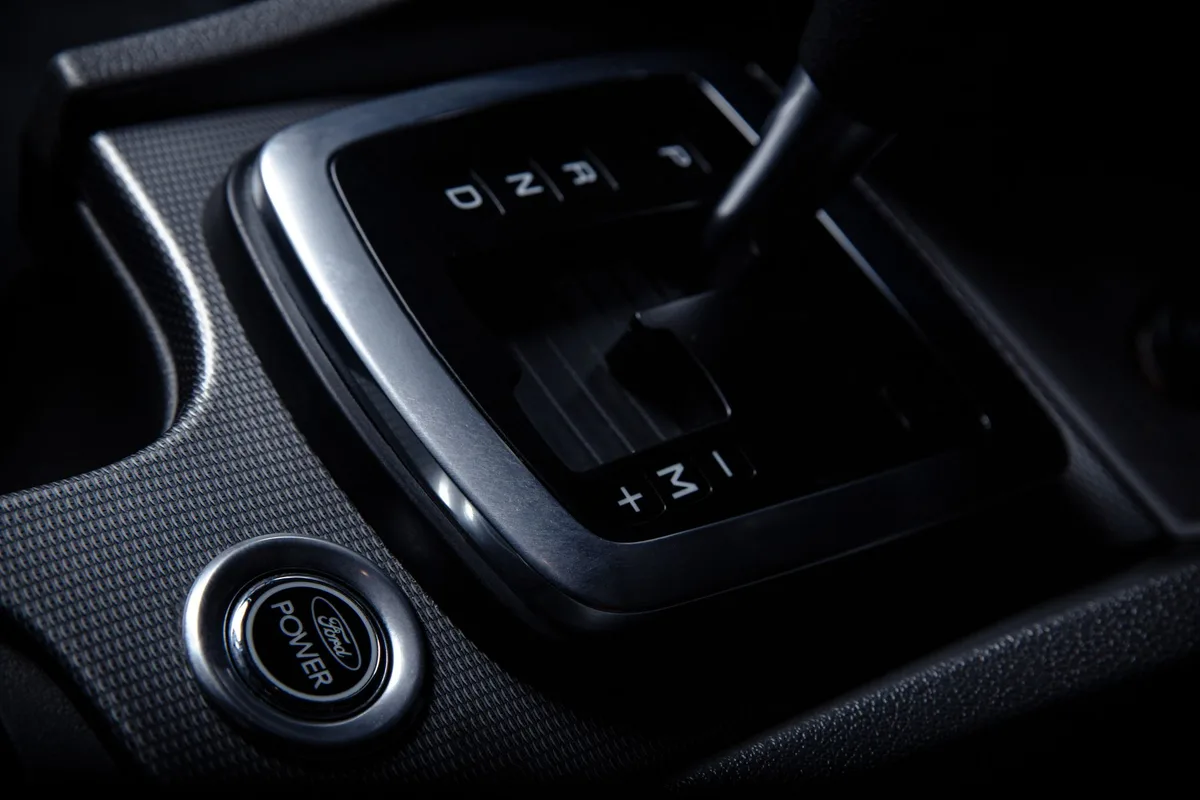
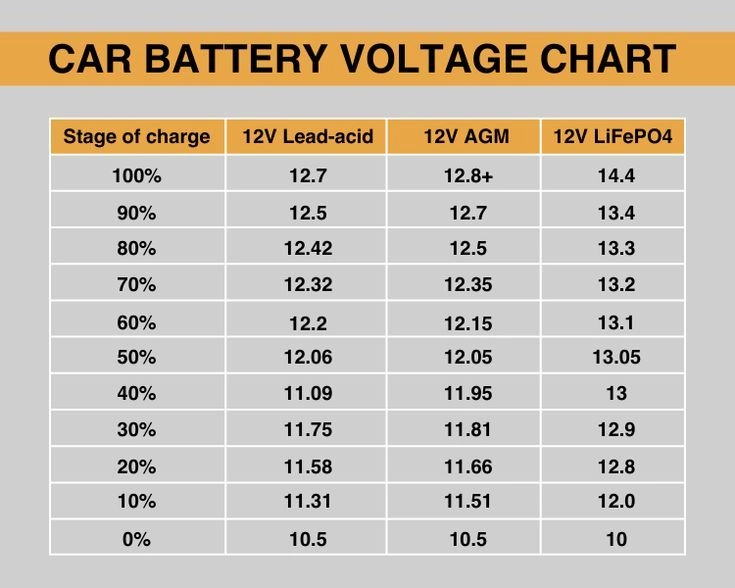
When your car battery dies, the engine won't start, electrical systems shut down, and your vehicle becomes completely inoperable until the battery is recharged or replaced. If you've ever turned the key or pressed the start button only to hear that dreaded nothing happening, you know exactly how frustrating a dead car battery can be. Trust me, I've been there more times than I'd like to admit, standing in a parking lot at midnight wondering what went south. This guide breaks down everything that happens when your battery gives up, why it happens, and most importantly, how to get back on the road quickly and safely.
What Exactly Happens When Your Car Battery Dies
A dead car battery means your vehicle has lost its primary source of electrical power. The battery does two main jobs: it provides the jolt of electricity needed to crank the engine, and it powers all the electrical components when the engine isn't running. Once it's dead, both of these functions stop working.
Here's what you'll notice immediately:
- The engine won't turn over when you try to start it
- Dashboard lights either flicker dimly or don't illuminate at all
- The radio, power windows, and interior lights are completely dead
- Your key fob stops working or has a very weak signal
- The headlights either won't turn on or appear extremely dim
I remember one freezing winter morning when my car simply refused to start. No clicking, no cranking, just silence. That was my first real lesson in how a battery failure can leave you completely stranded.
Common Signs Your Battery Is About to Die
Before your battery completely gives out, it usually sends warning signals. Catching these early can save you from being stuck somewhere inconvenient.
Slow Engine Crank
The engine turns over sluggishly, like it's struggling to wake up. This is one of the most common early warning signs.
Dashboard Warning Lights
Many modern cars display a battery warning light when the charging system detects a problem. If you see this, don't ignore it.
Electrical Malfunctions
Your power windows might move slower than usual, or your radio might reset itself randomly. These glitches often point to a weakening battery.
Swollen Battery Case
Extreme heat or cold can make the battery case bulge. A swollen battery is a serious red flag that needs immediate attention.
Old Age
Most car batteries last between three and five years. If yours is approaching that range, it's smart to get it tested before it leaves you stranded.
I've made it a habit to test my battery every fall before winter hits. Cold weather is brutal on weak batteries, and I've learned that prevention is way better than dealing with a dead car in a snowstorm.

Why Car Batteries Die in the First Place
Understanding why batteries fail helps you prevent future headaches. Here are the most common culprits I've encountered over the years.
Leaving Lights or Accessories On
This is the classic mistake. You leave the headlights on overnight, and by morning, your battery is completely drained. I did this once in my driveway and felt like a total rookie.
Extreme Temperatures
Both intense heat and freezing cold damage battery cells. Heat causes fluid evaporation, while cold slows down the chemical reactions needed to generate power.
Corroded or Loose Battery Terminals
If the connections are dirty or loose, the battery can't transfer power efficiently. A quick cleaning with a wire brush often fixes this issue.
Short Drives That Don't Recharge
If you only drive short distances, your alternator never gets enough time to fully recharge the battery. Over weeks, this drains it significantly.
Parasitic Drain
Some electrical components keep drawing power even when the car is off. A trunk light that stays on, a malfunctioning infotainment system, or a faulty relay can slowly kill it.
Old Age
Batteries simply wear out. The internal components degrade over time, reducing capacity until the battery can't hold a charge anymore.
What to Do When Your Battery Dies
Okay, so your battery is dead. Now what? Here's a step-by-step approach that has saved me countless times.
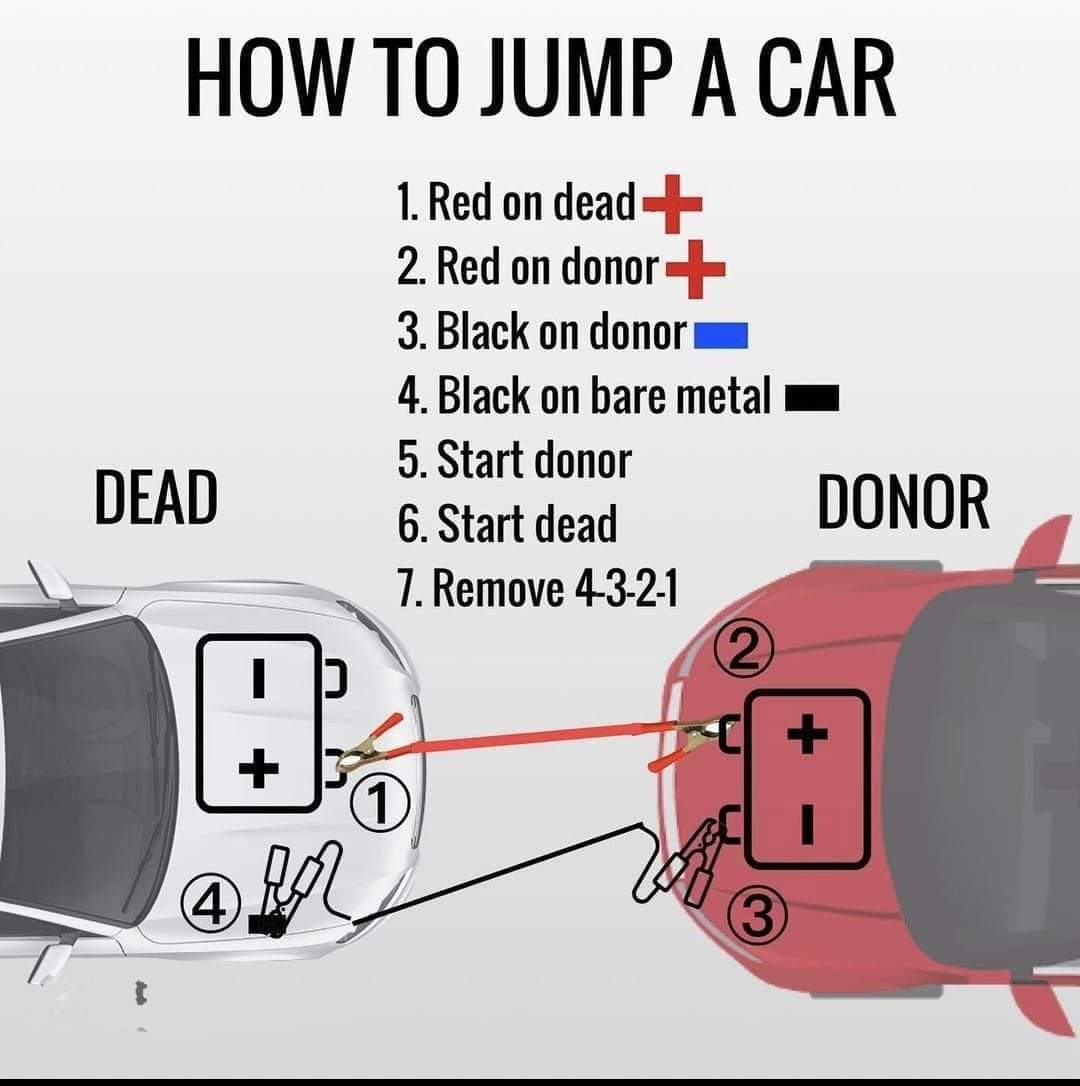
Try a Jump Start
This is the fastest fix if you have jumper cables and another vehicle available. Connect the positive terminals first, then the negative terminals, start the working car, and let it run for a few minutes before trying yours.
Use a Portable Jump Starter
These compact battery packs are a lifesaver. I keep one in my trunk at all times. They work just like jumper cables but don't require another car.
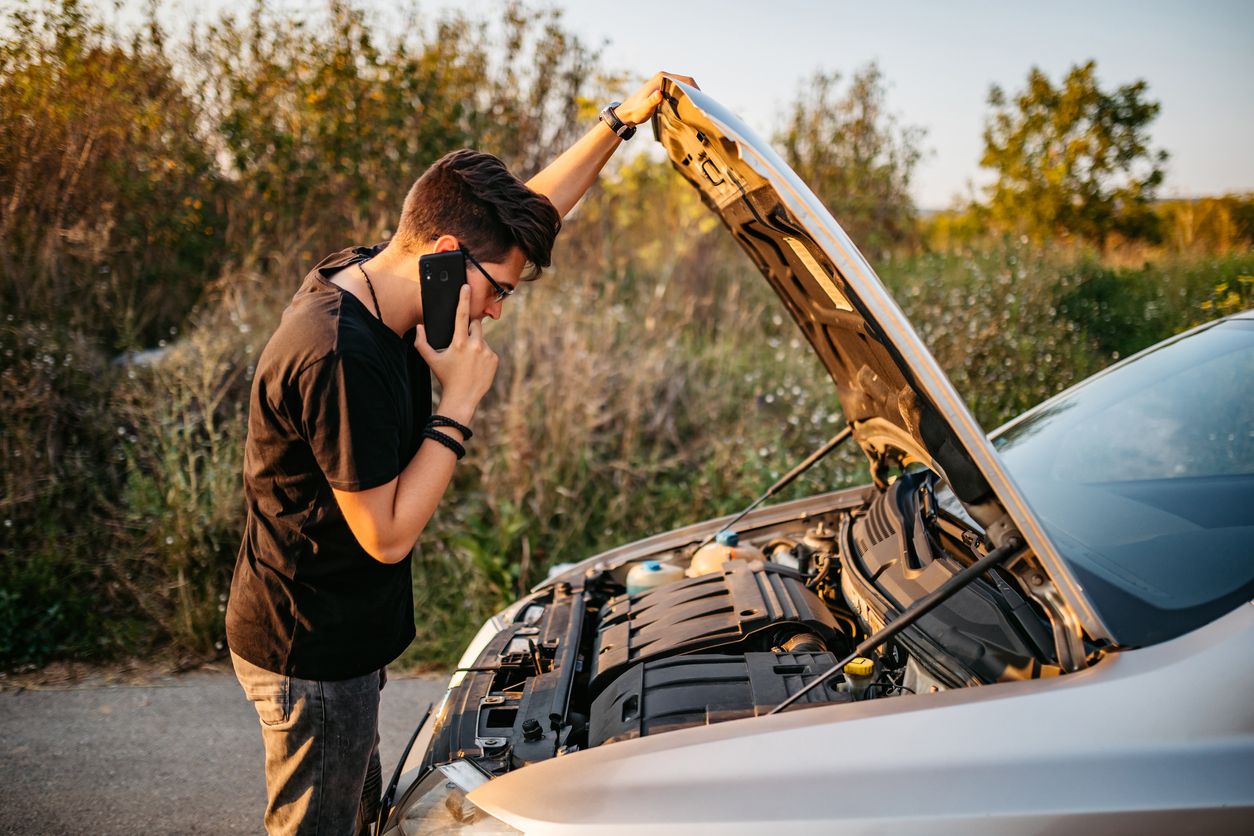
Call for Roadside Assistance
If jumping doesn't work or you're not comfortable trying it, services like AAA or your insurance provider's roadside help can send someone out.
Replace the Battery
If the battery is old or completely dead, jump-starting might only be a temporary fix. A new battery is usually the long-term solution.
Drive to Recharge
After a successful jump start, drive for at least 20 to 30 minutes to let the alternator recharge the battery. Short trips won't cut it.
The Dangers of Driving With a Dead or Dying Battery
Driving with a weak battery isn't just inconvenient. It can actually cause other problems.
Stalling in Traffic
If your battery can't keep the engine running, you might stall at intersections or in the middle of the highway. This is dangerous and stressful.
Damage to the Alternator
A weak battery forces the altractor to work harder. Over time, this can burn out your altractor, leading to an even more expensive repair.
Loss of Safety Features
Modern cars rely on electrical power for brakes, steering assist, and airbags. A failing battery can compromise these critical systems.
Electrical System Damage
Voltage spikes from a dying battery can damage sensitive electronics like your infotainment system, sensors, or onboard computer.
I once ignored a weak battery for too long and ended up replacing my altractor too. Lesson learned: if your battery is struggling, deal with it right away.
How to Prevent Your Battery From Dying
Prevention is always better than cure. These habits have kept my batteries healthy for years.
Regular Testing
Have your battery tested every six months, especially before extreme weather seasons. Most auto parts stores do this for free.
Keep Terminals Clean
Check the battery terminals regularly and clean off any buildup with a mixture of baking soda and water.
Turn Everything Off
Make sure headlights, interior lights, and accessories are off before exiting the car. It sounds obvious, but it's the easiest mistake to make.
Limit Short Trips
Combine errands when possible so your car runs long enough to fully recharge the battery.
Park in the Shade
Extreme heat kills batteries faster than cold. If possible, park in a garage or shaded area during summer.
Invest in a Battery Tender
If you have a car you don't drive often, a battery tender keeps the charge topped off without overcharging.
Can a Dead Battery Be Recharged?
Sometimes yes, sometimes no. It depends on why it died and how long it stayed dead.
Rechargeable Situations
If the battery died from leaving lights on, it usually just needs a good recharge. Drive for a while or use a battery charger to bring it back.
Non-Rechargeable Situations
If the battery is old, damaged, or has been dead for weeks, it's likely sulfated. Sulfation happens when lead sulfate crystals build up on the plates, and it permanently reduces capacity.
Testing the Battery's Health
A mechanic or auto parts store can run a load test to determine if your battery can hold a charge. This takes just a few minutes and tells you whether you need a recharge or a replacement.
Frequently Asked Questions
Can a car battery die suddenly?
Yes, a car battery can die without warning, though usually there are subtle signs beforehand. Extreme temperature shifts, old age, or a parasitic drain can cause sudden failure.
How long does a dead car battery last?
A completely dead battery can hold some charge for a few weeks if you recharge it quickly. Leaving it dead for months usually ruins it permanently due to sulfation.
Will a dead battery cause the engine to stall while driving?
Yes, if the alternator isn't providing enough power and the battery is too weak to compensate, the engine can stall mid-drive.
Is it safe to jump-start a car in the rain?
Jump-starting in light rain is generally safe, but avoid doing it in heavy storms. Water on the battery terminals can cause issues, though modern batteries are pretty sealed.
How much does it cost to replace a car battery?
Most standard car batteries cost between $100 and $250, depending on the brand and vehicle. Premium batteries with longer warranties cost more.

Conclusion
A dead car battery is more than just an inconvenience. It's a warning sign that something needs your attention. From slow cranks to complete electrical failure, the symptoms are hard to miss once you know what to look for. The good news is that most battery issues are preventable with simple habits like regular testing, keeping terminals clean, and avoiding short trips that don't let your battery recharge fully.
If your battery does die, you have options: jump-starting, using a portable charger, calling for help, or swapping in a fresh battery. The key is acting quickly so a dead battery doesn't lead to bigger problems like alternator damage or electrical system issues.
Your car depends on that battery for everything from starting the engine to powering safety features. Treat it well, and it'll return the favor with reliable starts every time. If you're unsure about your battery's health, swing by an auto parts store for a free test. A few minutes of prevention can save you hours of frustration later.