Ever wondered how your battery stays alive even after weeks of sitting in the driveway? Your car's battery stays charged because the alternator continuously converts engine motion into electrical power while you drive. Stick around, and you'll see exactly how this hidden hero works, why it sometimes fails, and what you can do to keep it running strong for years.
I've spent years under the hood, dealing with dead batteries, flickering dashboards, and surprise no-start mornings. Trust me, once you understand the simple dance between your engine, alternator, and battery, car troubles feel way less mysterious. Let's break it all down in plain English, so you can drive with confidence and never get stranded again.

How a Car Battery Actually Works
Before we talk about charging, it helps to know what the battery does. Think of your car battery as a small but mighty storage tank for electricity. It's not there to power your car forever. It's there to give a quick, powerful jolt to start the engine, then hand off the heavy lifting to another part.
Here's the basic flow:
- The battery stores chemical energy and turns it into electrical energy when needed.
- It delivers a burst of power to the starter motor and ignition system.
- Once the engine is running, the battery steps back into a supporting role.
- It also powers accessories when the engine is off, like interior lights or your alarm system.
Most car batteries are lead-acid types, meaning they use lead plates and sulfuric acid to create a chemical reaction. When that reaction reverses, the battery recharges. And that's where our main star comes in.
The Alternator: The Real Battery Charger
If the battery is the heart, the alternator is the lungs. It's the part that keeps the blood, or in your car, the electricity, flowing. Without it, your battery would die in a matter of hours, maybe even minutes.
Here's how the alternator does its job:
- The engine's crankshaft spins a belt connected to the alternator pulley.
- Inside the alternator, a magnet rotates inside a set of copper coils, or vice versa.
- That rotation creates alternating current, which gets converted to direct current.
- A voltage regulator keeps the output steady, usually between 13.5 and 14.5 volts.
- That steady power recharges the battery and runs everything electrical in the car.
The alternator doesn't just top off the battery. It actually powers your car while driving. The battery only kicks back in when the engine is off or when the electrical demand exceeds what the alternator can handle for a moment.
Why the Alternator Is So Important
- It charges the battery while you drive.
- It powers the headlights, radio, fans, and even your power windows.
- It keeps the voltage stable so sensitive electronics don't get fried.
- It works quietly in the background, so most drivers never think about it.
I've had alternators that started whining, smelled like burnt rubber, or simply gave up without a sound. When they fail, the car usually dies within minutes because the battery can't keep up with the demand alone.
What About the Voltage Regulator?
Sometimes the voltage regulator is built into the alternator, and sometimes it's separate. Either way, it plays a key supporting role. It makes sure the alternator doesn't send too much or too little voltage to the battery.
- Too much can boil the battery acid and damage the cells.
- Too little means the battery never fully charges and slowly dies.
A bad voltage regulator can cause:
- Lights that are too bright or too dim
- Battery that dies even after long drives
- Flickering dashboard lights
- A sulfur or rotten egg smell from overheating

The Role of the Drive Belt
This is one part many people forget. The alternator doesn't spin on its own. It needs a belt, usually a serpentine belt, to transfer power from the engine's crankshaft.
- If the belt is loose, the alternator won't spin fast enough to charge properly.
- If the belt is broken, the alternator stops completely.
- A worn belt can slip, squeal, or make a chirping noise.
I remember once chasing a "dead battery" for days, only to find a cracked belt that wasn't turning the alternator pulley. A $30 belt saved me a $200 tow.
How Long Does It Take to Charge a Car Battery While Driving?
It depends on a few things. If it's a standard 12-volt battery and the alternator is working well, driving for about 30 minutes to an hour usually puts back enough charge to start the car again. But if the battery was deeply discharged, it may need several hours of driving or a proper charger to fully recover.
- Short trips don't give the alternator enough time to recharge.
- Stop-and-go driving uses more power for accessories, leaving less for charging.
- Highway driving is best for a solid charge because the engine runs at a steady RPM.
What Drains the Battery When the Car Is Off?
Even when your car is parked and the engine is off, small things can slowly drain the battery. These are called parasitic draws, and they're totally normal, but sometimes they go overboard.
Common culprits include:
- Interior lights left on
- Trunk or glove box lights staying on
- Aftermarket alarms or stereo systems
- Faulty relays or modules that don't shut off
- Phone chargers or accessories plugged in
A healthy battery can handle small drains for a few weeks. But if your car sits for a month or more, you might come back to a dead battery. That's why regular drivers or short weekly trips help keep things topped off.
Signs Your Alternator or Charging System Is Failing
Your car usually gives you warnings before the battery dies completely. Pay attention to these signs:
- The battery warning light on the dashboard
- Dim or flickering headlights
- A whining or grinding noise from the engine bay
- Electrical features acting strange, like windows moving slowly
- The car dying shortly after jump-starting
- A swollen or hot battery case
From personal experience, the dashboard battery light is the most common first sign. Don't ignore it. Get the charging system tested before you're stuck somewhere.
Can You Drive With a Bad Alternator?
Technically, yes, for a little while. Your car can run on just the battery for a short distance. But once the battery drains, the engine shuts off and you're stranded.
Here's what happens:
- The alternator stops charging.
- The battery powers everything alone.
- You might get 10 to 30 minutes of driving, depending on what's running.
- Once voltage drops too low, the car dies.
If you suspect a bad alternator, don't shut off the engine. Drive straight to a shop or home, and deal with it there.
How to Keep Your Battery and Charging System Healthy
A little attention goes a long way. Here are tips I've learned from years of trial and error:
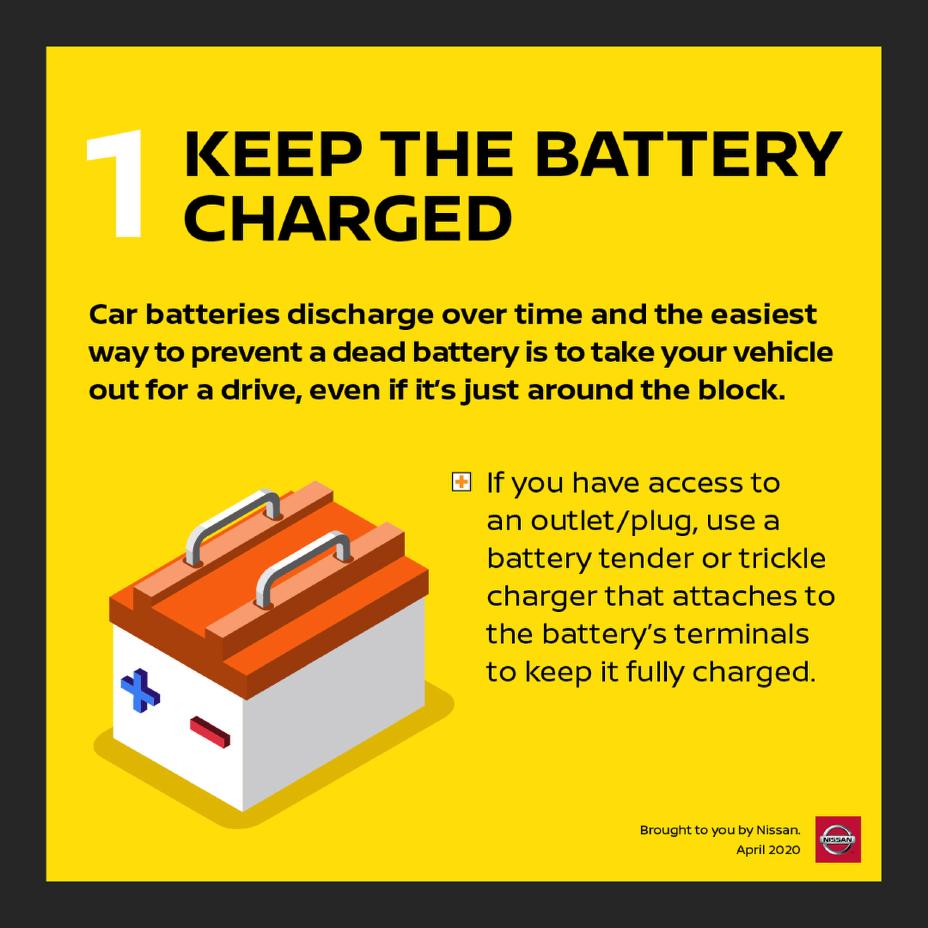
- Drive your car regularly, at least once a week for 20 minutes or more.
- Keep the battery terminals clean and free of corrosion.
- Make sure the drive belt is in good condition and properly tensioned.
- Avoid using electronics like the radio or phone charger when the engine is off.
- Have the charging system tested once a year, especially before winter.
- Replace the battery every 4 to 6 years, even if it seems fine.
- If you store the car, use a trickle charger to maintain the charge.
I once let a car sit for two months during a long trip. Came back to a completely dead battery that wouldn't hold a charge. Lesson learned. Now I hook up a smart charger anytime the car sits for more than a week.
Common Myths About Car Battery Charging
There's a lot of bad info out there. Let's clear up a few myths:
- Myth: Idling charges the battery just like driving. Truth: It charges slower because the engine runs at low RPM.
- Myth: Jump-starting damages the alternator. Truth: Done correctly, it doesn't harm the system.
- Myth: A new battery doesn't need maintenance. Truth: Terminals still corrode and belts still wear out.
- Myth: Disconnecting the battery saves it. Truth: It can reset important systems and may cause other issues.
What Happens If You Never Replace the Battery?
Batteries wear out. No matter how well you maintain them, they lose capacity over time. Once they can't hold a charge, the alternator works harder, and the whole system suffers.
- Old batteries take longer to charge.
- They may freeze in cold weather and crack.
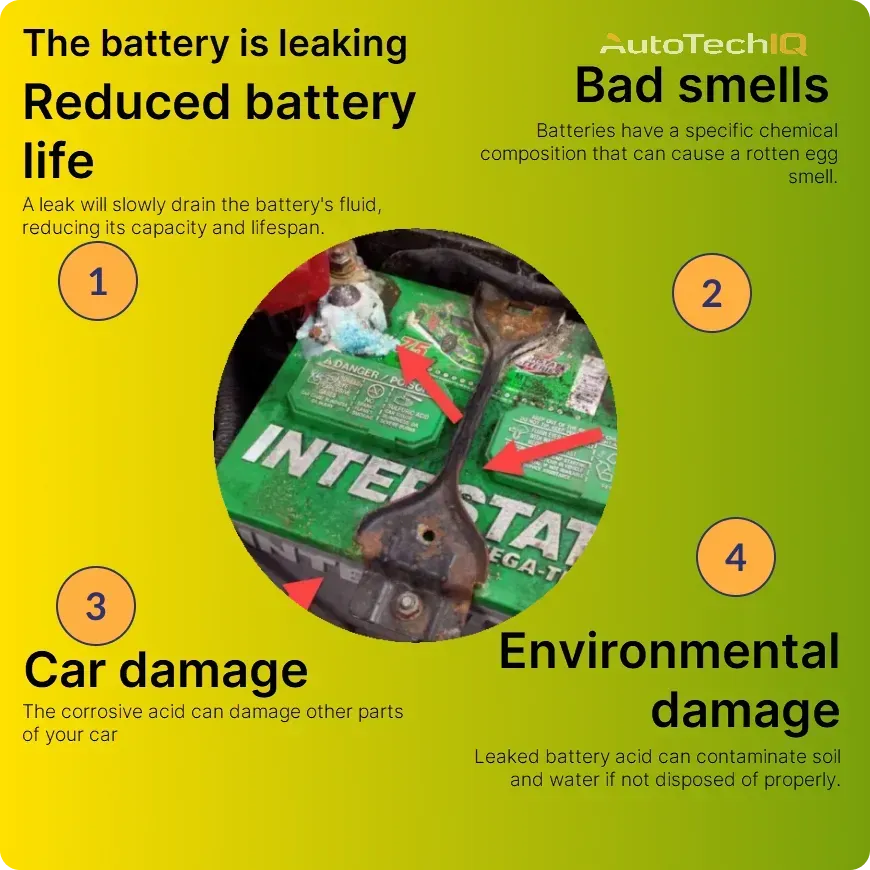
- They can leak acid and damage the tray or cables.
- They leave you stranded at the worst time.
Replacing a battery before it dies is one of the cheapest ways to avoid a major headache.
Frequently Asked Questions
How does a car battery get recharged while driving?
The alternator generates electricity as the engine runs, sending power to the battery and recharging it while you drive.
Can a car battery charge without an alternator?
No. Without a working alternator, there's no way to recharge the battery while the engine is on, and the car will eventually shut off.
How long should I drive to fully recharge a dead battery?
It depends on how dead it is, but generally 30 minutes to a few hours of driving can restore enough charge, though a proper charger is better.
Does the car need to be moving to charge the battery?
No. The engine just needs to be running. The alternator charges based on engine RPM, not vehicle speed.
Can a battery be too dead to jump-start?
Yes. If the battery is completely dead, damaged, or has a dead cell, a jump-start may not work, and replacement is usually needed.
Final Thoughts
Your car's battery stays charged thanks to the alternator, which works hand in hand with the engine, drive belt, and voltage regulator to keep power flowing. Understanding this simple system saves you time, money, and stress. Drive regularly, watch for warning signs, and don't ignore small issues before they become big problems. Your future self will thank you the next time you turn the key and the engine roars to life without a hiccup. Got questions or your own battery story? Drop a comment below and share.