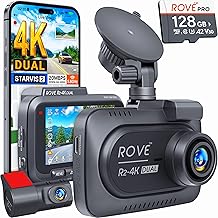
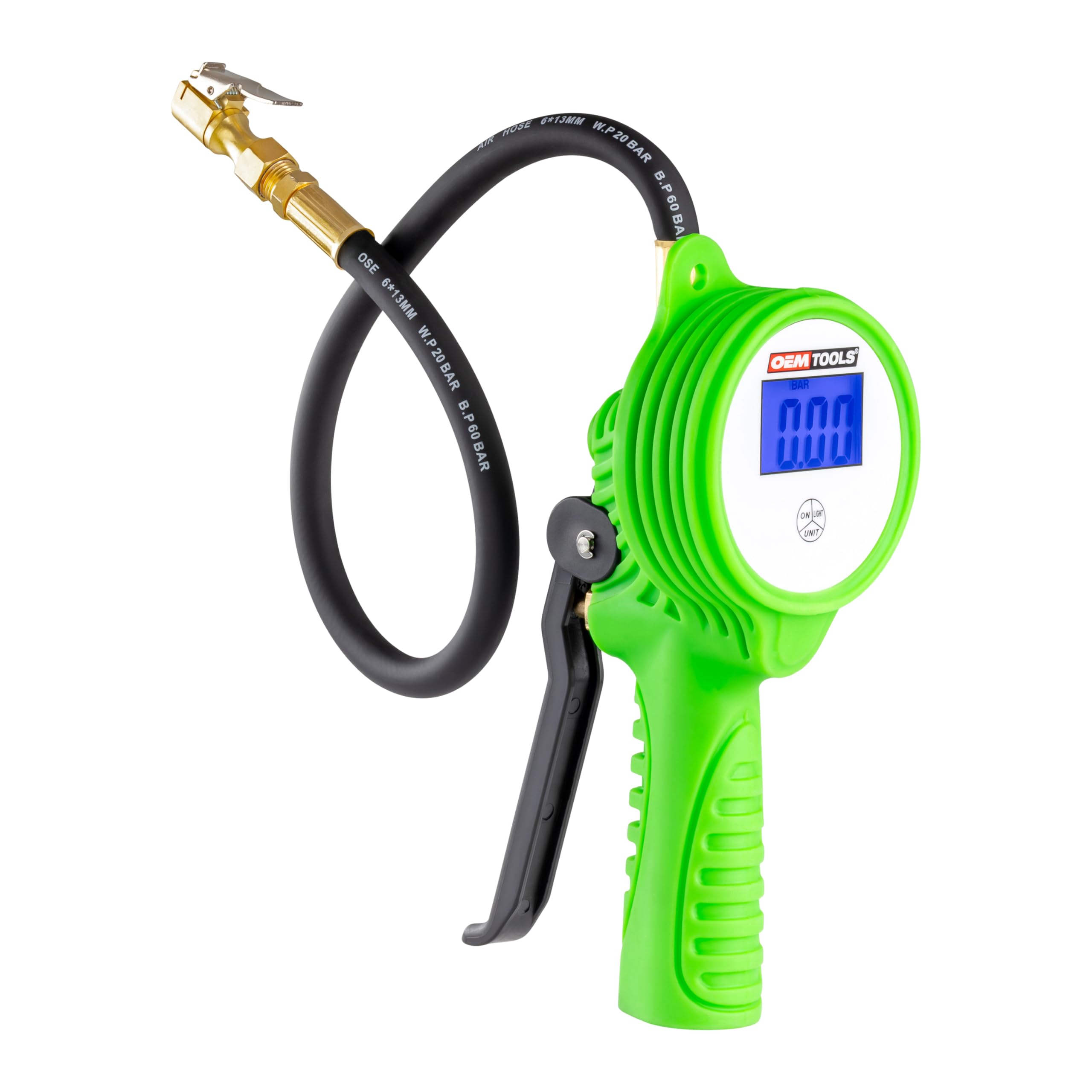
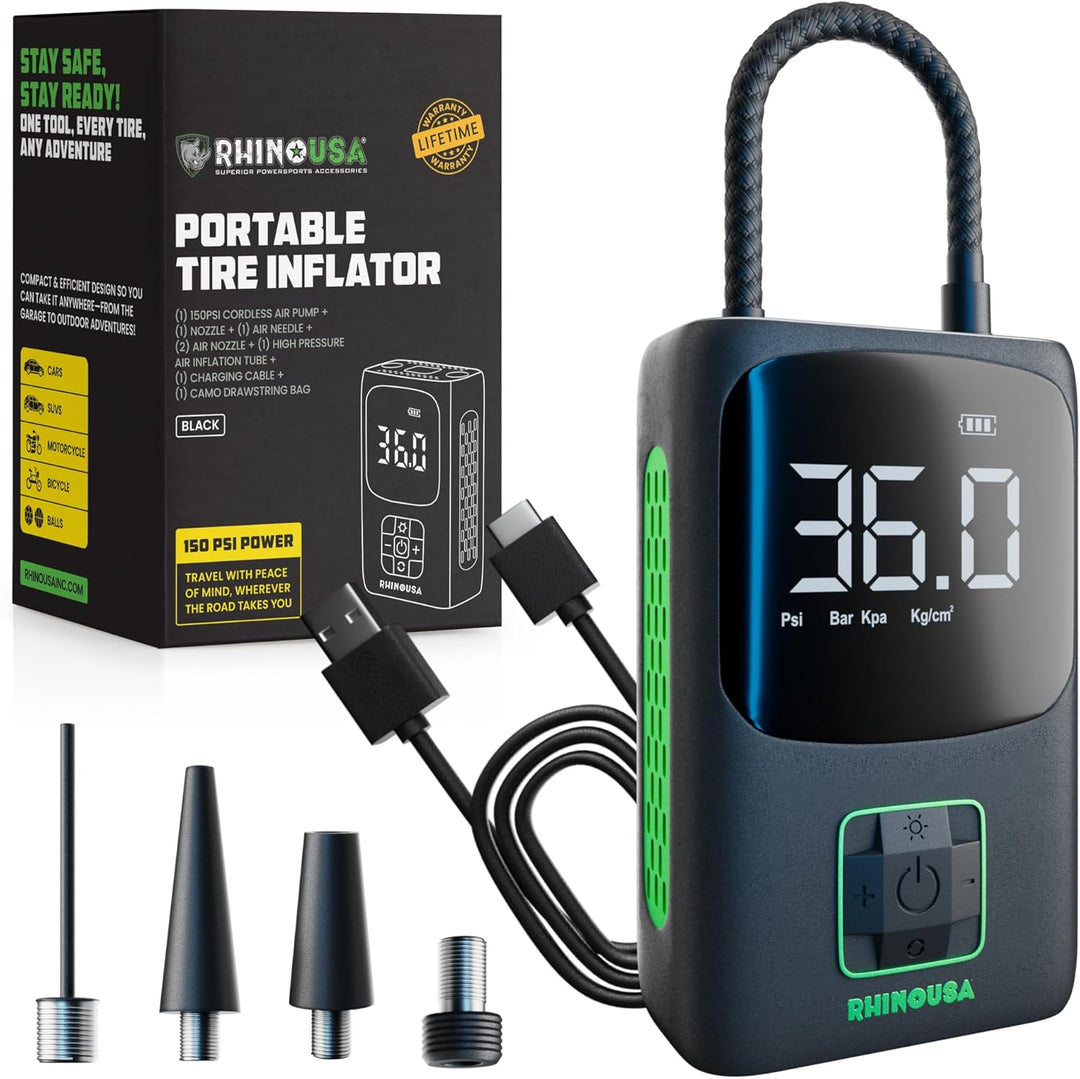
A tire inflator is a portable device that pumps air into your tires to keep them at the right pressure for safe driving.
Imagine you're heading out for a weekend road trip, bags packed, snacks ready, and then you notice one tire looks a little low. That sinking feeling is something most drivers know all too well. But with a tire inflator tucked in your trunk, that moment turns from a crisis into a quick five-minute fix. I've been driving for years, and the first time I used a portable inflator on a cold morning when my tire pressure light came on, I felt like I'd unlocked a new level of independence. No gas station stop, no waiting around, just plug it in and go. In this guide, I'll walk you through everything you need to know about tire inflators, how they work, why they matter, and how to pick the right one for your life.
How Does a Tire Inflator Work
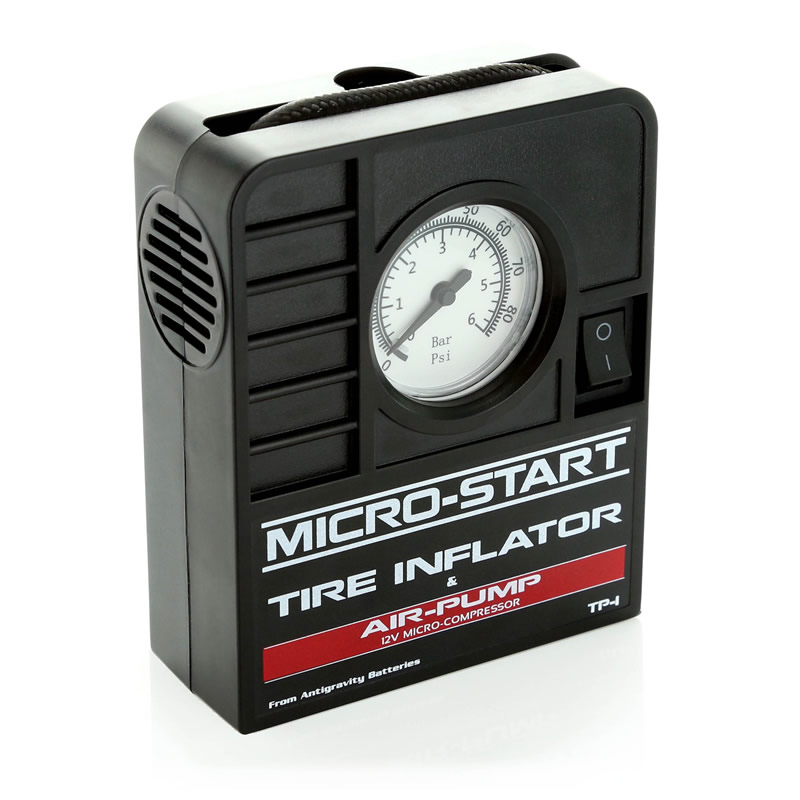
A tire inflator works by drawing air from the surrounding environment, compressing it, and pushing it into the tire through a hose with a nozzle that seals onto the valve stem. Most modern units run on your car's 12V outlet, a rechargeable battery, or even a household plug, depending on the type.
The science behind it is pretty simple. Electric motors power a piston or diaphragm that compresses air, which then travels through a hose into your tire. Many inflators come with built-in pressure gauges so you can see exactly how much air you're adding. Some newer models even shut off automatically when the tire hits your set pressure.
Here's a quick breakdown of the process:
- The motor turns on and starts pulling in outside air
- Air gets compressed inside the chamber
- Compressed air flows through the hose into the tire
- The gauge or digital display shows real-time pressure
- You stop when you hit the recommended PSI
From my own experience testing over a dozen inflators, cordless battery-powered models are the easiest to use because you're not tethered to a power source. But corded 12V versions tend to deliver more power and inflate faster, especially on bigger truck tires.
Types of Tire Inflators
Not all tire inflators are created equal. Depending on your needs, one style might serve you better than another.
Portable 12V Inflators plug right into your car's cigarette lighter or 12V outlet. They're compact, affordable, and great for emergency top-offs. The trade-off is that they rely on your car's battery, so running them too long can drain it.
Cordless Rechargeable Inflators run on built-in lithium-ion batteries. These have become my personal favorite because you can use them anywhere, even off the grid. Many models now inflate four tires on a single charge.
Home Plug-in Inflators plug into a standard wall outlet. They're heavier and not portable, but they work faster and are perfect if you have a garage or workshop.
High-Volume Inflators are built for trucks, RVs, and off-road tires. They push more air per minute, which matters when you're filling large tires from empty.
Built-in Air Compressors stay mounted in your vehicle. They're more expensive but ready to use anytime without setup.
If you mostly drive a sedan or small SUV and just need occasional top-ups, a portable 12V or cordless model will serve you well. If you've got bigger tires or off-road adventures in mind, invest in something with more muscle.
Why Tire Pressure Matters
Keeping your tires properly inflated isn't just about avoiding a flat. It's one of the most overlooked safety and money-saving habits in driving.
Underinflated tires create excess friction, which makes your engine work harder. That means lower fuel economy, more wear on your tires, and longer stopping distances. Overinflated tires, on the other hand, can make your ride feel bouncy and cause uneven tread wear in the center.
Proper tire pressure helps you:
- Save money on gas
- Extend the life of your tires
- Improve braking and handling
- Reduce the risk of blowouts
- Keep your car safer in wet or icy conditions
The recommended PSI for most passenger cars falls between 30 and 35, but always check your owner's manual or the sticker on your driver's side door jamb. I learned this the hard way years ago when I kept overinflating my tires to 40 PSI because I thought firmer meant better. Within a year, my rear tires wore out in the middle and I had to replace them way too soon.
Key Features to Look for in a Tire Inflator
Choosing the right inflator comes down to understanding what features actually matter in real life.
Pressure Gauge or Digital Display lets you monitor PSI as you inflate. Digital auto-shutoff is even better because it stops the pump the moment you hit your target.
Maximum PSI Rating tells you how much pressure the unit can deliver. Most car tires need around 30 to 50 PSI, so any inflator rated above 100 PSI gives you plenty of headroom.
Air Flow Rate (CFM) measures how fast air comes out. Higher CFM means faster inflation, which saves time, especially on larger tires.
Power Source matters for convenience. Battery-powered gives you freedom, 12V gives you reliability from your car, and plug-in gives you speed.
Built-in Light is surprisingly handy for nighttime flat repairs. Many modern inflators include LED lights for this exact reason.
Storage and Accessories like carrying cases, extra nozzles, and valve adapters make the tool more versatile. Some kits include attachments for bikes, sports balls, and air mattresses.
Noise Level is worth considering if you don't want to wake the neighbors. Some models are noticeably louder than others.
When I tested a popular cordless inflator last summer, the auto-shutoff and integrated light turned out to be the features I used most. It's the little things that make a tool feel truly thought out.
How to Use a Tire Inflator Safely
Using a tire inflator is simple, yet doing it the wrong way can lead to overinflation, damaged valves, or even injury.
Step 1: Park your car on a flat surface and turn off the engine. Make sure you have stable ground under your tires.
Step 2: Remove the valve cap from the tire you'll be inflating. Keep it somewhere safe so it doesn't roll away.
Step 3: Attach the inflator hose nozzle firmly to the valve stem. You should hear a slight hiss if it's not sealed properly.
Step 4: Turn on the inflator and watch the pressure gauge. Inflate in short bursts and check the pressure often.
Step 5: Stop when you reach the recommended PSI. Don't guess. Use the gauge.
Step 6: Disconnect the hose quickly, then replace the valve cap.
A few safety tips I've picked up along the way:
- Never stand directly over the tire while inflating
- Don't exceed the maximum PSI listed on your tire's sidewall
- Keep the inflator away from water and flammable materials
- Let the motor cool between tires if you're doing multiple
- Read the manual before the first use, especially for battery care
Common Mistakes People Make With Tire Inflators
Even experienced drivers slip up when it comes to tire inflation. Here are the mistakes I see most often.
Ignoring cold tire pressure recommendations is a big one. Tire pressure increases as you drive because the tires heat up. So the PSI listed in your manual is based on cold tires, ideally checked before you've driven anywhere.
Overinflating to "look tough" wears out your tires and makes the ride rough. Stick to the recommended range.
Forgetting to check pressure regularly is the most common error. Tires lose about one PSI per month naturally, so checking monthly keeps you safe and efficient.
Using a cheap inflator without a gauge leads to guesswork. Always use a model with a reliable pressure reading.
Leaving the inflator in extreme temperatures can damage the battery or seals. Store it somewhere moderate.
A friend of mine once trusted an unmarked inflator from a discount bin and ended up overinflating his tire to 50 PSI. The tire bulged in the center, wore down fast, and he had to replace it within months. A simple gauge would have saved him a hundred dollars.
Tire Inflators vs. Air Compressors
People often use these terms interchangeably, but there are real differences.
Tire inflators are smaller, lighter, and built for one main job: filling tires. They're portable and easy to store.
Air compressors are bigger, more powerful, and designed for multiple tasks. They can run pneumatic tools, spray paint, or power airbrushes. They're also heavier and louder.
If your main goal is keeping your tires topped off, a tire inflator is all you need. If you're a serious gearhead with workshop needs, an air compressor makes more sense.
Think of a tire inflator like a pocketknife. It's focused and handy. An air compressor is like a full toolbox. Both are useful, but they serve different roles.

How to Maintain Your Tire Inflator
A tire inflator isn't complicated, but a little care goes a long way.
- Store it in a cool, dry place
- Charge the battery every few months if it's cordless
- Check the hose for cracks or leaks
- Wipe down the body and keep the vents clear
- Replace the fuse if your 12V model stops working
I keep mine in a small case in the trunk with the charging cable tucked in. Once a month, I check that it powers on and that the battery holds a charge. It's a small habit that saves me from finding out it doesn't work when I'm stuck on a dark road at 9 PM.
Frequently Asked Questions About Tire Inflators
How long does it take to inflate a tire with a portable inflator?
Most portable inflators fill a standard car tire in about 3 to 6 minutes. Larger tires on trucks or SUVs take longer, often 8 to 15 minutes depending on the inflator's power and the tire's size.
Can a tire inflator fill a completely flat tire?
Yes, but it will take longer and use more battery or power. Some smaller inflators may struggle with a fully empty tire, so check your model's capability before relying on it for full flats.
Do I need a tire inflator if my tires are fine right now?
Yes. Tires lose air slowly over time, and a portable inflator lets you top off before the pressure drops too low. It's a tool you hope you don't need often, but you'll be glad to have when you do.
Are battery-powered tire inflators reliable?
Modern lithium-ion powered inflators are very reliable and can handle multiple tires per charge. Just keep the battery charged and store the unit in moderate temperatures for the best lifespan.
Can I use a tire inflator for other inflatables?
Many tire inflators come with adapters for bike tires, sports balls, and air mattresses. Check if your model includes those accessories or supports them.
Conclusion
A tire inflator might look like a small, simple tool, but it's one of those things that turns a stressful situation into a quick fix. From boosting fuel economy to extending tire life, the benefits of proper inflation add up fast. After years of driving and testing, I can say without doubt that owning a reliable tire inflator has saved me time, money, and worry more times than I can count. Whether you go with a cordless model for convenience or a 12V plug-in for raw power, the key is choosing one that fits your lifestyle and using it consistently. Check your tire pressure monthly, keep your inflator charged and stored properly, and you'll be ready for whatever the road throws your way. If this guide helped you feel more confident about choosing the right tire inflator, drop a comment below or share it with a friend who needs to hear this. Safe driving and happy inflating.