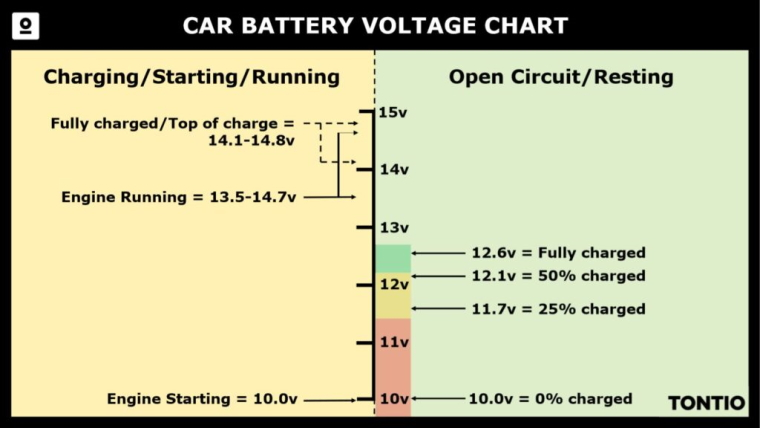
A good voltage for a car battery is between 12.4 and 12.7 volts when the engine is off, and 13.7 to 14.7 volts when the engine is running. Knowing these numbers can save you from being stranded with a dead battery or from replacing one that still has plenty of life left.
If you've ever turned the key and heard nothing but a sad click, you already know how stressful battery problems can be. I learned this the hard way on a freezing morning when my car refused to start. Since then, I've made it a habit to check my battery voltage regularly, and it has saved me from many headaches. In this guide, I'll walk you through everything you need to know about car battery voltage, from what the numbers actually mean to how you can test and maintain your battery like a pro.
Understanding Car Battery Voltage Basics
A car battery is essentially the heart of your vehicle's electrical system. It stores energy in chemical form and delivers it as electrical power whenever you start the engine or run accessories. The standard voltage for a fully charged, healthy car battery is around 12.6 volts when the car is off.
Think of voltage like water pressure in a pipe. Too little pressure, and nothing flows properly. Too much, and you risk damaging the pipes. Your battery works the same way. It needs just the right voltage to keep things running smoothly.
Most cars use a 12-volt battery, but that 12-volt rating is more of a nominal number. In reality, the actual voltage varies depending on the battery's charge level, temperature, and whether the engine is running.
What Voltage Means for Your Car Battery
Voltage is a measure of electrical potential. In simple terms, it tells you how much electrical "push" the battery can deliver. When you measure voltage, you're getting a snapshot of the battery's current state of charge.
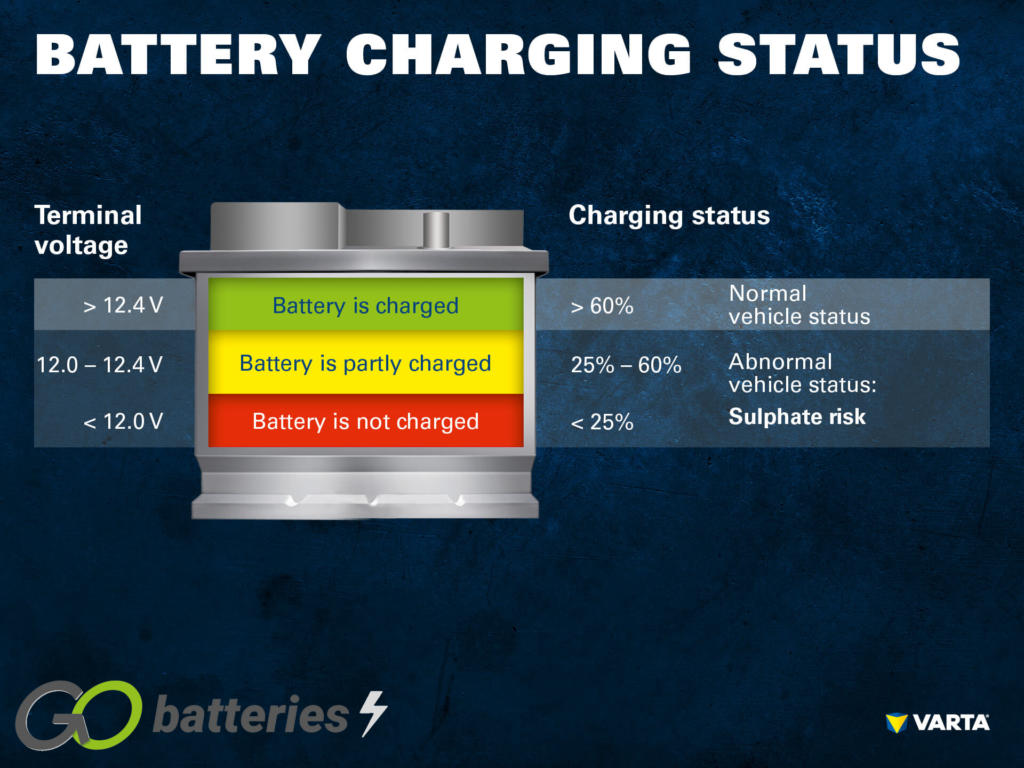
A resting voltage reading (taken when the car hasn't been driven for a few hours) gives you the most accurate picture of the battery's health. Here's a general guide:
- 12.6 volts or above: Fully charged
- 12.4 volts: About 75 percent charged
- 12.2 volts: About 50 percent charged
- 12.0 volts: About 25 percent charged
- Below 12.0 volts: Discharged and possibly damaged
Why the 12-Volt Standard Exists
You might wonder why car batteries are always labeled as 12 volts. This standard came from the early days of automotive design when six lead-acid cells were connected in series, each producing about 2.1 volts. Six times 2.1 equals 12.6 volts, which became the industry benchmark.
This standard stuck because it works. It provides enough power to start engines reliably while staying within a safe range for vehicle electronics.

Ideal Voltage Readings for a Healthy Car Battery
Knowing the ideal voltage range helps you catch problems early. Here's what you should expect under different conditions.
Resting Voltage (Engine Off)
When your car has been sitting for at least a few hours, ideally overnight, a good voltage for your car battery is between 12.4 and 12.7 volts. This range indicates the battery is in good shape and holds a proper charge.
I always recommend checking resting voltage first thing in the morning before starting the car. That reading tells you the most honest story about your battery's condition.
Running Voltage (Engine On)
When the engine is running, your alternator takes over and charges the battery. A healthy charging system produces between 13.7 and 14.7 volts. This higher voltage is normal and necessary to push current back into the battery.
If your reading falls outside this range while running, you may have an alternator problem. Too low means the battery isn't getting charged. Too high could mean the voltage regulator is failing and might damage your battery and electronics.
Voltage After Starting the Car
Right after you start the engine, the voltage might briefly dip to around 10 volts or so because of the heavy draw from the starter motor. This is completely normal. Within a few seconds, the alternator should bring it back up to the 13.7 to 14.7 range.
If the voltage stays low after starting, your alternator might not be doing its job. This is one of the first things I check when a customer complains about repeated battery failures.

How to Test Your Car Battery Voltage
Testing your battery is one of the easiest maintenance tasks you can do. You don't need to be a mechanic, and you don't need expensive tools.
Using a Multimeter
A digital multimeter is the most common tool for checking battery voltage. Here's how I do it:
- Turn off your car and remove the key from the ignition.
- Set your multimeter to DC voltage (usually marked as V with a straight line).
- Connect the red lead to the positive (+) terminal of your battery.
- Connect the black lead to the negative (-) terminal.
- Read the voltage on the display.
Make sure the connections are clean and secure. Corroded terminals can give you false readings. If you see green or white powder around the terminals, clean them with a wire brush and a mixture of baking soda and water before testing.
Using a Dedicated Battery Tester
Dedicated battery testers are even simpler. You just clamp them onto the terminals, and they give you a clear readout of the voltage and overall battery health. Many auto parts stores will test it for free if you don't have one.
When to Test
I recommend testing your battery at least twice a year. Once before summer and once before winter. Extreme temperatures put extra stress on batteries, and catching a weak battery before it fails can save you a lot of trouble.
You should also test your battery if you notice any of these warning signs:
- Slow engine cranking
- Dim headlights
- Electrical issues like flickering dashboard lights
- A sulfur or rotten egg smell
- The battery is more than three years old
Factors That Affect Car Battery Voltage
Several factors can influence your battery's voltage reading. Understanding these helps you interpret your results correctly.
Temperature has a big impact
Cold weather reduces a battery's ability to hold and deliver charge. You might see lower voltage on a freezing morning even if the battery is perfectly healthy. In contrast, hot weather can speed up chemical reactions inside the battery, which might temporarily boost voltage but also speeds up battery degradation.
This is why batteries tend to fail more often in extreme temperatures, both hot and cold. If you live in an area with harsh winters or scorching summers, keep a closer eye on your battery.
Age and Wear
As batteries age, their capacity to hold a charge decreases. A battery that's three to five years old might show slightly lower resting voltages even when fully charged. This is normal wear and tear.
I learned this with my own truck. The battery was four years old and still started the car fine, but the resting voltage had dropped to 12.4 volts. It wasn't a problem yet, but I knew I needed to start shopping for a replacement.
Recent Charging Activity
If you've just driven the car or jump-started the battery, the surface voltage might read higher than the actual state of charge. This is called surface charge and usually dissipates after a few hours of rest.
For the most accurate reading, always wait at least a few hours after driving before testing. I prefer to test first thing in the morning before the car has been started that day.
Electrical Load
Turning on accessories like headlights, the radio, or the air conditioner while measuring voltage will lower the reading. Always turn everything off for an accurate resting voltage test.

Signs Your Car Battery Voltage Is Too Low
Sometimes your battery gives you clues before it completely fails. Paying attention to these signs can help you avoid getting stranded.
Slow or Sluggish Starting
If your engine turns over slowly when you try to start it, your battery might not have enough voltage to deliver the necessary power. This is often most noticeable on cold mornings.
Dim Lights
Your headlights might appear dimmer than usual, especially at idle. This happens because the battery isn't holding enough charge to support the electrical load.
Warning Lights
Many modern cars have battery warning lights on the dashboard. If this light comes on, your charging system might not be working correctly, or your battery voltage is outside the normal range.
Electrical Glitches
Random electrical issues like flickering lights, malfunctioning infotainment systems, or erratic power windows can all point to low battery voltage. These symptoms are easy to overlook but worth investigating.
Swollen or Misshapen Battery Case
Extreme temperature changes or overcharging can cause the battery case to swell. If you notice this, your battery is likely damaged and needs replacement, regardless of the voltage reading.

How to Maintain a Good Voltage for Your Car Battery
Good maintenance keeps your battery voltage in the healthy range and extends its lifespan. Here are my top tips based on years of personal experience.
Drive Your Car Regularly
Batteries lose charge when they sit unused. If you only drive short distances occasionally, your battery might not get fully recharged. Taking a longer drive once a week helps keep it topped off. If you have a car that sits for weeks at a time, consider using a battery maintainer or trickle charger.
Keep the Terminals Clean
Corrosion on the battery terminals acts like a roadblock for electrical current. Clean them regularly with a wire brush and a baking soda solution. After cleaning, apply a thin layer of dielectric grease or petroleum jelly to prevent future corrosion.
Avoid Deep Discharges
Letting your battery drain completely damages it over time. If you accidentally leave your lights on, recharge the battery as soon as possible rather than just jump-starting and hoping for the best. Repeated deep discharges shorten battery life significantly.
Check the Charging System
Your alternator plays a huge role in keeping battery voltage in the right range. If your battery keeps dying despite being relatively new, have your alternator tested. A failing alternator can either undercharge or overcharge your battery, both of which cause problems.
Secure the Battery
A loose battery can vibrate and suffer internal component damage. Make sure your battery is properly secured in its tray. This is one of those things that's easy to forget but important for longevity.
When to Replace Your Car Battery
Even with great maintenance, batteries don't last forever. Most car batteries have a lifespan of three to five years. Here are some clear signs it's time for a replacement.
Voltage Stays Low After Charging
If your battery won't hold above 12.4 volts even after a full charge, it's reached the end of its useful life. I've replaced many batteries that passed a load test but couldn't hold voltage over a few days.
The Battery Is Old
If your battery is more than four years old and you're noticing any of the symptoms I mentioned earlier, start shopping for a replacement. Don't wait for it to fail completely.
Physical Damage
Cracks, bulges, or leaks in the battery case mean it's time for a new one immediately. Damaged batteries can leak acid, which is dangerous for you and your car.
Frequent Jump Starts
If you find yourself needing jump starts more than once in a short period, your battery is likely on its way out. It might still work for a few more days, but don't count on it.
Frequently Asked Questions About Car Battery Voltage
What voltage is too low for a car battery?
A voltage below 12.0 volts is considered too low and indicates a discharged battery. At this level, your battery may not have enough power to start your car reliably. If the voltage drops below 11.8 volts, the battery is deeply discharged and may suffer permanent damage if not recharged promptly.
Is 12.2 volts okay for a car battery?
A reading of 12.2 volts means your battery is at about 50 percent charge. It will still work for a while, but it shouldn't sit at this level for long. Driving the car or using a charger to bring it back up to a full charge is a good idea.
Can a car battery show 12 volts and still be bad?
Yes, a battery can show 12 volts and still be bad. Voltage only measures electrical potential, not the battery's ability to deliver current under load. A load test gives you a much better picture of overall battery health.
What voltage indicates a bad car battery?
A resting voltage below 12.0 volts usually means the battery is discharged or damaged. If a battery won't hold above 12.4 volts after a full charge, it's likely failing. During a load test, a healthy battery should maintain above 9.6 volts for several seconds.
How often should I check my car battery voltage?
Checking your battery voltage every three to six months is a good habit. You should also check it before extreme weather seasons and any time you notice starting issues. Regular checks help you catch problems before they leave you stranded.
Conclusion
Understanding what a good voltage for a car battery is can save you time, money, and stress. Aim for 12.4 to 12.7 volts when the engine is off and 13.7 to 14.7 volts when it's running. Test your battery regularly, keep the terminals clean, and don't ignore the warning signs.
After years of dealing with batteries, I've learned that a little attention goes a long way. A simple voltage check takes just a few minutes but can prevent the frustration of a dead battery at the worst possible time. If your battery is more than three years old or showing any of the symptoms I mentioned, consider testing it soon or visiting your local auto parts store for a free check.
Take care of your battery, and it will take care of you. If you found this guide helpful, feel free to share it with fellow drivers, and don't hesitate to leave a comment with your own battery tips or questions!