Reserve capacity (RC) is the number of minutes a fully charged car battery can run essential accessories if the alternator fails. Knowing this number can save you from being stranded on a dark highway, which is exactly why I always check it before buying a new battery.
After testing dozens of batteries in my garage and helping friends diagnose electrical gremlins, I've learned that reserve capacity is one of the most overlooked specs on a battery label. Most drivers focus on cold cranking amps or price, but RC tells you how long your car can keep going when things go wrong. If you want a battery that protects you during alternator failure, powers your car's computer, or runs a camping setup, this single rating matters more than you think.

Understanding the Basics of Reserve Capacity
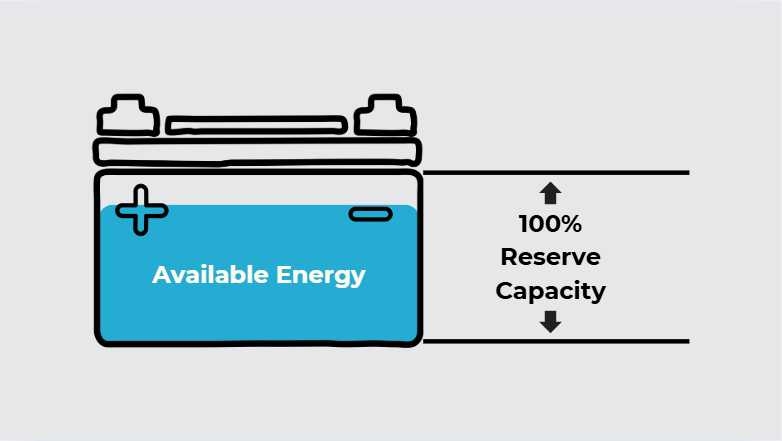
Reserve capacity is the time, measured in minutes, that a new, fully charged 12-volt battery can deliver 25 amps at 80°F (26.7°C) before the voltage drops below 10.5 volts. In simple terms, it's your battery's "emergency fuel tank" for electrical power.
Think of it like this: if your car's alternator suddenly stops charging, your battery becomes the only power source for the ignition, fuel pump, lights, and radio. A higher RC rating means your car can keep running on just the battery for a longer period. Most modern vehicles have an RC between 90 and 180 minutes, while heavy-duty trucks and vehicles with lots of electronics often exceed 200 minutes.
How Reserve Capacity Is Measured
The testing process is standardized across the battery industry. Here's how it works in practice:
- The battery is fully charged and rested at 80°F.
- A constant 25-amp load is applied.
- Technicians monitor the voltage until it hits 10.5 volts.
- The total time in minutes is recorded as the official RC rating.
This test simulates a real-world scenario where your alternator dies but you still need to drive home or reach a shop safely. I've seen batteries with high RC ratings literally save people from being stranded on long commutes.
Why RC Differs From Other Battery Ratings
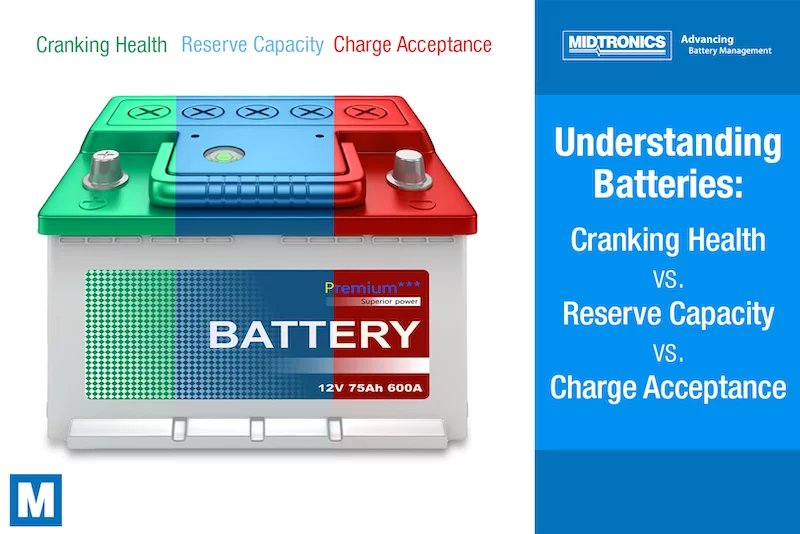
Many drivers confuse RC with cold cranking amps (CCA), but they measure very different things. CCA tells you how much power the battery can deliver for 30 seconds at 0°F to start a cold engine. RC tells you how long the battery can sustain a moderate load when the charging system isn't working.
If you live in a cold climate, CCA matters most for starting. If you drive long distances, use many electronic accessories, or want peace of mind during alternator failure, RC is your best friend.
Why Reserve Capacity Matters for Your Vehicle
A higher RC isn't just a number on a sticker; it directly affects your driving safety, comfort, and vehicle reliability. When I upgraded my own SUV battery from 120 minutes RC to 170 minutes RC, the difference in accessory run time was immediately noticeable.
Protection During Alternator Failure
The alternator is what charges your battery while the engine runs. If it fails, your car runs entirely on battery power. Without enough reserve capacity, your engine will sputter and die within minutes. With a strong RC rating, you can drive 30 minutes to an hour to reach a mechanic or safe location.
A friend of mine had his alternator fail on a remote highway in Texas. His battery had a 160-minute RC, which gave him enough time to coast into a small town and find help. Had he bought the cheaper battery with only 90 minutes RC, he would have been stranded in the dark.
Powering Modern Vehicle Electronics
Today's cars are basically computers on wheels. They have infotainment systems, GPS, heated seats, advanced sensors, and safety features that all draw power even when the engine is off. If you're someone who sits in your car with the engine off but the radio and lights on (like parents waiting for school pickup), reserve capacity determines how long you can do that without killing your battery.
For vehicles with start-stop technology, hybrid systems, or heavy aftermarket audio, RC is even more critical. These systems put extra strain on the battery, and a higher RC ensures the battery can handle repeated cycling without failing prematurely.
Supporting Camping, Work, and Emergency Setups
If you use your vehicle for camping, overlanding, or as a mobile workstation, RC becomes a practical tool. It tells you how long you can run a fridge, lights, phone chargers, or small inverters without the engine on. During a recent camping trip, I ran a portable fridge off my truck battery for 6 hours with the engine off, and the battery still had plenty of juice left because its RC was over 180 minutes.

How to Find Your Battery's Reserve Capacity
Finding your RC is easier than you might think. It's usually printed right on the battery label, along with CCA, amp hours, and group size.
Checking the Battery Label
Look for "RC" or "Reserve Capacity" followed by a number and "min" or "minutes." For example, "RC 140 min" means the battery can deliver 25 amps for 140 minutes before hitting 10.5 volts. If the label is worn or faded, you can often find the same information in your owner's manual or on the manufacturer's website using the battery's model number.
Estimating RC From Amp Hours
If you can't find the RC but have the amp hour (Ah) rating, you can estimate it. A rough rule of thumb is that RC minutes equal about 2.4 times the amp hour rating. For instance, a 50Ah battery has roughly 120 minutes of reserve capacity. This isn't exact because RC testing uses a fixed 25-amp load, but it's close enough for a quick comparison.

Factors That Affect Reserve Capacity Over Time
Even the best batteries lose RC as they age. Knowing what affects it helps you replace your battery before it leaves you stranded.
Age and Sulfation
As batteries age, lead sulfate crystals build up on the internal plates. This process, called sulfation, reduces the battery's ability to hold and deliver power. A new battery might have 140 minutes of RC, but after four or five years, that same battery might only deliver 80 minutes under load. I've tested 6-year-old batteries that had lost nearly 40% of their original RC.
Temperature Extremes
Heat speeds up internal corrosion and water loss in flooded batteries, which permanently reduces RC. Cold temperatures temporarily reduce RC because chemical reactions slow down, but the battery usually recovers when warmed up. If you live in a hot climate like Arizona or Texas, your battery's RC will degrade faster than in milder regions.
Electrical Load and Usage Habits
Repeated deep discharges shorten battery life and reduce RC. If you frequently run accessories with the engine off, take short trips that don't fully recharge the battery, or leave your headlights on by mistake, you'll wear out the RC faster. I always recommend a quality battery maintainer for anyone who drives infrequently or stores their vehicle.
Poor Maintenance
For non-sealed batteries, low electrolyte levels can expose the plates and permanently damage capacity. Dirty or corroded terminals also restrict power flow, making the battery work harder and reducing effective RC. A simple monthly cleaning and terminal check can add years of useful life.
How to Choose the Right Reserve Capacity for Your Car
Picking the right RC depends on your driving habits, climate, and vehicle type. More isn't always necessary, but too little can leave you vulnerable.
Match RC to Your Vehicle's Demands
A basic commuter car with minimal electronics can get by with 90 to 120 minutes of RC. A mid-size SUV with infotainment, multiple screens, and driver-assist features should have at least 130 to 150 minutes. Luxury vehicles, trucks with plow packages, and RVs often need 180 minutes or more.
If you frequently drive in remote areas or have a long commute, lean toward higher RC. The extra cost is usually only $20 to $50, but the peace of mind is worth it.
Consider Climate and Driving Conditions
Cold climates prioritize CCA, but RC still matters for winter emergencies. Hot climates benefit from higher RC because batteries degrade faster in heat. If you drive mostly in the city with stop-and-go traffic, a battery with strong RC handles the constant electrical demands better than one optimized only for short bursts of cranking power.
Balance RC With Other Specs
Don't pick a battery based on RC alone. Make sure it matches your vehicle's group size, terminal layout, and CCA requirements. A battery with amazing RC but wrong physical size won't even fit in your tray. I always recommend writing down your old battery's specs before shopping so you can match or exceed each rating.
Frequently Asked Questions About Reserve Capacity in a Car Battery
What is a good reserve capacity for a car battery?
A good reserve capacity for most passenger vehicles is between 120 and 150 minutes. For trucks, SUVs, and vehicles with heavy electronic loads, 150 to 200 minutes is ideal. Anything below 90 minutes is considered low for modern cars with extensive electronics.
Does a higher reserve capacity mean a better battery?
Not necessarily, but it usually indicates a more robust battery with thicker plates and higher-quality construction. Higher RC often correlates with longer overall lifespan, but you should still match the battery to your vehicle's specific requirements and other specs like CCA and group size.
Can a car battery have too much reserve capacity?
You can't really have "too much" RC, but an oversized battery might not provide any extra benefit if your vehicle's charging system isn't designed for it. In most cases, a higher RC simply gives you more safety margin and longer accessory run time without any downsides beyond slight extra cost and weight.
How does reserve capacity relate to amp hours?
Reserve capacity and amp hours both measure battery capacity but use different methods. Amp hours measure total energy stored, while RC measures minutes of sustained 25-amp discharge. You can estimate one from the other using the formula: RC minutes equals approximately 2.4 times the amp hour rating.
How often should I replace my car battery based on RC?
Most car batteries lose significant RC after 3 to 5 years. You should have your battery tested annually after the 3-year mark. If a load test shows RC has dropped below 50% of the original rating, or if the battery struggles to maintain voltage during testing, it's time to replace it.
Wrapping Up the Reserve Capacity Conversation
Reserve capacity is the unsung hero of battery specs. While everyone talks about cold cranking amps, RC quietly determines how long your car can keep going when things go wrong, how well it handles modern electronics, and how much peace of mind you get on long drives. A higher RC gives you more time to react to alternator failure, more flexibility for camping or work setups, and longer accessory run time without engine power.
Before your next battery purchase, check your current RC, match it to your driving needs, and invest in the highest RC you can afford within your battery group size. Take care of your battery by keeping terminals clean, avoiding deep discharges, and testing it annually. A little attention here saves you from the frustration, cost, and danger of a dead battery at the worst possible moment. If you've had experiences with battery failures or RC testing, share them in the comments below, your story might help another driver avoid a breakdown.