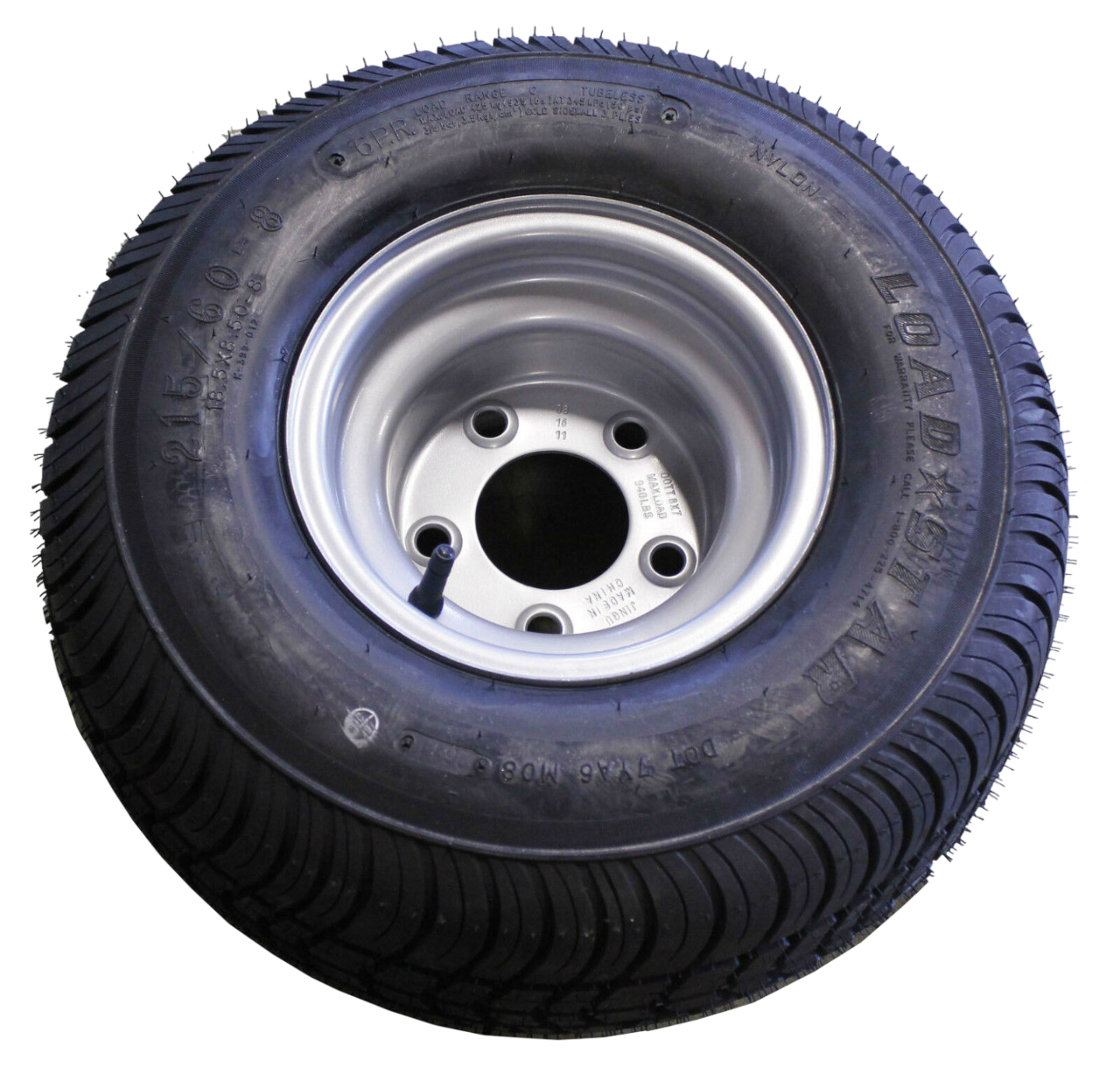
Trailer tires should typically be inflated to 50-65 PSI for light-duty trailers and 65-80 PSI for heavy-duty trailers, depending on tire size and load. Most trailer tire manufacturers print the recommended PSI on the sidewall, and following that guideline keeps your trailer safe, stable, and rolling smoothly down the road. Getting the pressure wrong can lead to blowouts, poor handling, and even damage to your cargo, so understanding the right inflation level is more important than most people realize.
I've spent years helping trailer owners troubleshoot tire problems, and one of the most common issues I see comes down to something simple but overlooked: incorrect tire pressure. Whether you're hauling a boat, a camper, a utility trailer full of tools, or a livestock trailer, the tires are the only thing connecting your load to the road. Over the years, I've learned that a little attention to PSI goes a long way in preventing roadside headaches and extending the life of your tires. Let me walk you through everything you need to know about trailer tire inflation so you can tow with confidence every single time.

Understanding Trailer Tire PSI Basics
PSI stands for pounds per square inch, and it measures the amount of air pressure inside your tire. Trailer tires are different from car tires in some important ways. They often use stiffer sidewalls to handle heavier loads, and they typically require higher inflation pressures than passenger vehicle tires.
Here are some key things to know about trailer tire pressure:
- Most trailer tires range from 50 to 80 PSI depending on type
- The exact PSI is always listed on the tire sidewall
- Trailer tires should be checked when cold, before driving
- Underinflation causes heat buildup and blowouts
- Overinflation leads to uneven wear and a rougher ride
- Pressure can increase 3-5 PSI after driving due to heat
Understanding these fundamentals gives you a solid starting point, but the real key is knowing your specific tire's recommendation and matching it to your trailer's load weight. That's where many people go wrong, and it's where the most valuable insights come into play.
Where to Find the Correct PSI for Your Trailer Tires
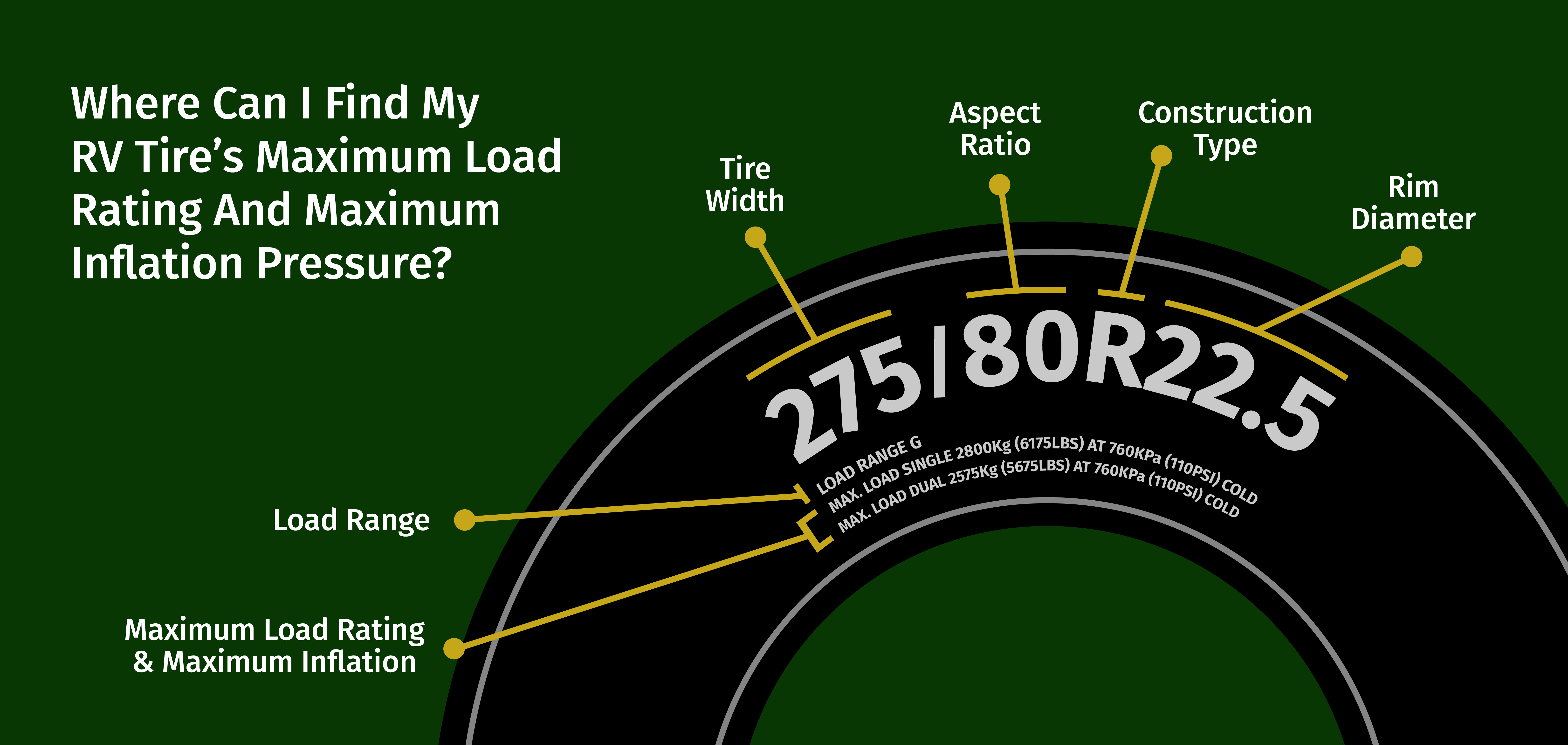
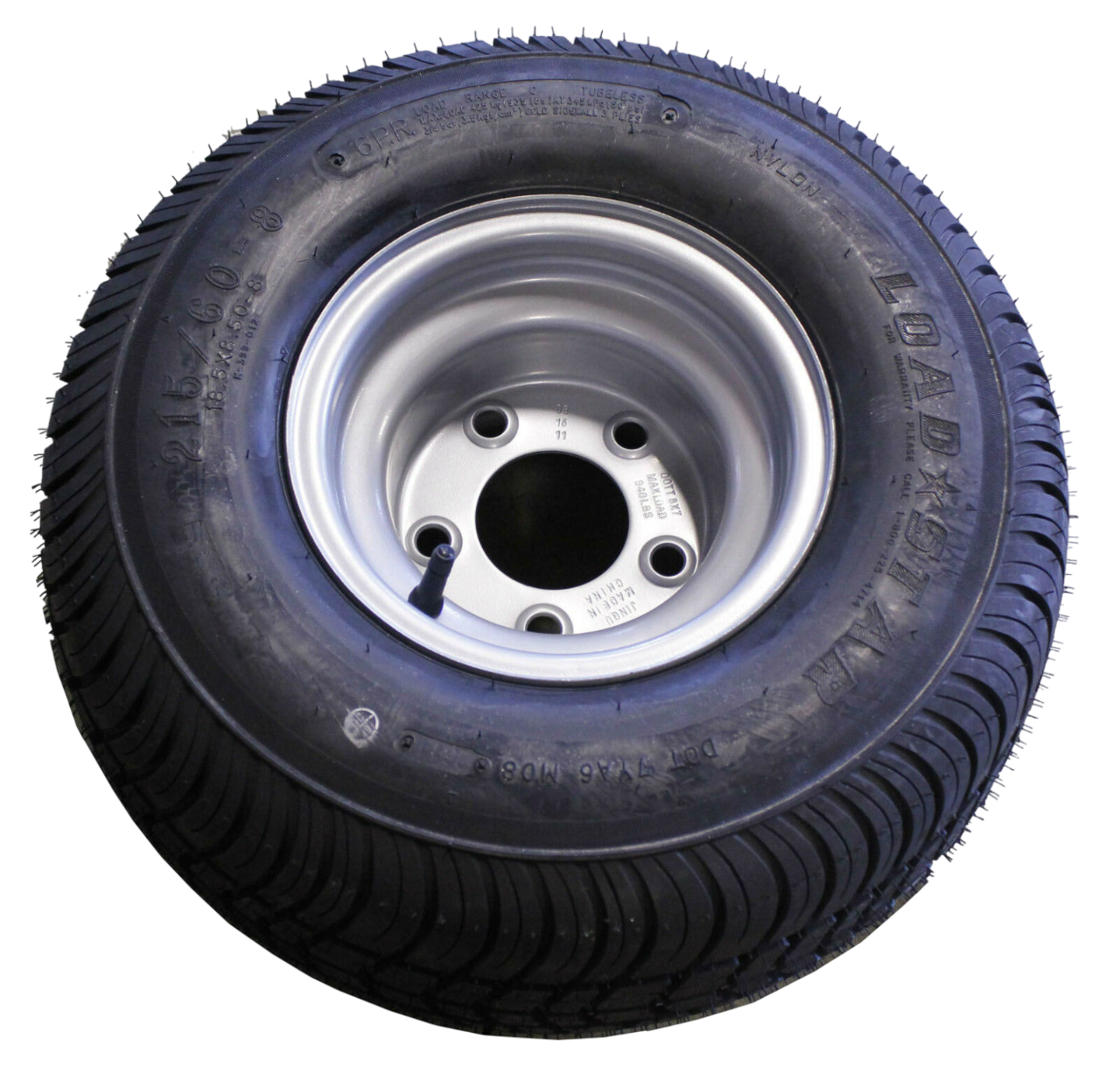
The easiest and most reliable place to find your recommended inflation pressure is right on the tire itself. Look at the sidewall of your trailer tire, and you'll see a number followed by "PSI" or "kPa." That number is the maximum cold inflation pressure for that specific tire.
You can also find the correct PSI in a few other places:
- The trailer owner's manual lists recommended inflation levels
- The tire manufacturer's website has detailed specs by tire size
- The DOT certification label on the trailer sometimes lists tire data
- Your tire dealer can look up specs by tire size and model
When I bought my first trailer, I made the mistake of assuming all trailer tires ran at the same pressure. That assumption cost me a tire on a hot summer day when the sidewall flexed too much under a heavy load. Now I always check the sidewall first before inflating, and I encourage every trailer owner to do the same. It's a simple habit that prevents expensive mistakes.

How Tire Load Affects Inflation Pressure
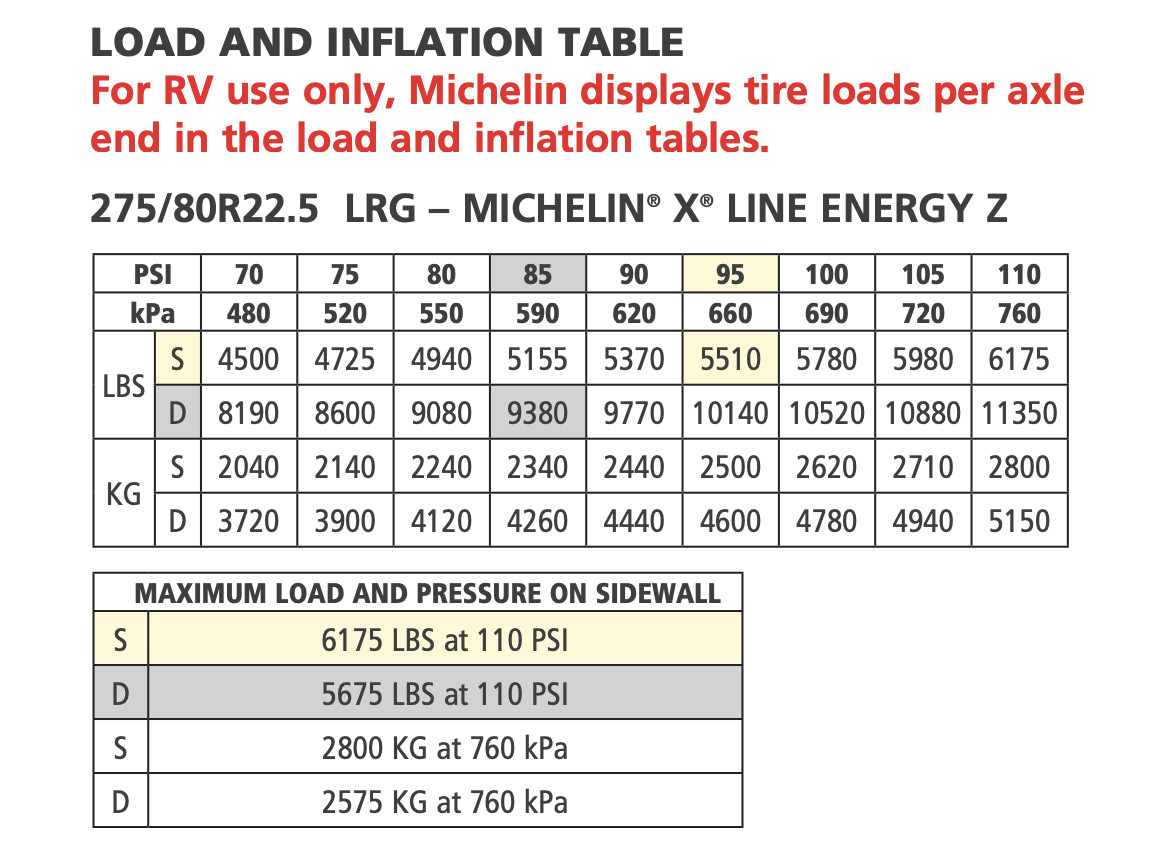
Your trailer tire pressure isn't just about the tire itself. It also depends on how much weight you're carrying. Every tire has a load range that tells you how much weight it can handle at a specific PSI.
Here's how load affects the equation:
- Light loads need the lower end of the PSI range
- Heavy loads need the higher end or even maximum PSI
- Underinflated tires under heavy loads flex too much
- Excessive flexing generates dangerous heat
- Overinflated tires under light loads wear in the center
- Always match PSI to the heaviest anticipated load
Think of your trailer tire like a backpack. If you only carry a few books, a loose strap works fine. But if you load it with heavy textbooks, you need to tighten that strap or everything falls apart. Tire pressure works the same way. The more weight, the more air pressure needed to keep everything stable and safe.
How to Properly Check Trailer Tire Pressure
Checking your trailer tire pressure is quick and easy, but doing it correctly matters a lot. Many trailer owners make the mistake of checking pressure right after driving, which gives inaccurate readings because heat increases PSI.
Follow this simple process for accurate readings:
- Check pressure when tires are cold, before any driving
- Use a reliable tire pressure gauge, not the cheap stick-style ones
- Remove the valve cap and press the gauge firmly onto the stem
- Read the PSI and compare it to the sidewall recommendation
- Add air if needed, or release air if overinflated
- Replace the valve cap when finished
I carry a digital tire pressure gauge in my trailer at all times. It costs a little more than a basic gauge, but the accuracy is worth every penny. Once, I pulled into a gas station with what I thought were perfectly inflated tires, only to discover one was 15 PSI low. That digital gauge caught what my eyes never would have noticed, and it likely saved me from a blowout on the interstate.
Common Mistakes to Avoid When Inflating Trailer Tires
Even experienced trailer owners make inflation mistakes from time to time. Avoiding these common errors can save you money, time, and stress on the road.
Here are mistakes I see most often:
- Inflating to the pressure listed on the trailer door sticker instead of the tire
- Guessing the PSI instead of measuring it
- Using a car's tire pressure for trailer tires
- Not checking spare trailer tires
- Letting tires sit for months without checking pressure
- Inflating hot tires and over-adjusting
A truck door sticker might say 35 PSI for the truck's tires, but that has nothing to do with your trailer's tires. Trailer tires almost always run at much higher pressure. I've watched friends copy the wrong number and end up with dangerously soft trailer tires, so always double-check the source of any PSI recommendation you follow.

Differences Between Trailer Tire Types and Their PSI
Not all trailer tires are built the same. The type of tire you have directly affects the PSI you should use, so understanding the differences helps you make better choices.
Here's a breakdown of common trailer tire types:
- ST tires (Special Trailer) are the most common and typically run 50-65 PSI
- LT tires (Light Truck) used on some trailers can run 50-80 PSI
- Bias-ply tires generally need higher pressure than radials
- Smaller tires like 13-inch wheels usually need 50-60 PSI
- Larger tires like 16-inch wheels often need 65-80 PSI
- Load range E tires typically need the highest PSI
Most trailers you'll see on the road use ST tires because they're specifically designed for trailer use. They handle vertical load better than vehicle tires, but they don't handle well as steering or drive tires. When I upgraded my camper to larger ST tires, I had to adjust my inflation habits because the new tires required 10 PSI more than the old ones. That experience taught me to always recheck recommendations whenever you change tire size or type.
How Weather and Temperature Affect Trailer Tire Pressure
Temperature plays a bigger role in tire pressure than most people realize. As temperatures drop, your tire pressure drops too, and that can put you below safe operating levels without any warning.
Keep these temperature guidelines in mind:
- PSI drops about 1 PSI for every 10°F decrease in temperature
- Winter towing often requires adding air to maintain proper PSI
- Summer heat increases pressure but starting cold matters most
- Storage conditions affect long-term PSI levels
- Direct sunlight can heat one side of a tire more than the other
- Always inflate based on ambient temperature, not the tire's current state
I store my travel trailer in a climate-controlled shed during winter, but before a recent cold snap trip, I noticed my tires looked a little flat even though I'd checked them the week before. That overnight temperature drop had pulled 4 PSI out of each tire. After topping them off, the trailer rode perfectly, and I realized how easy it is to overlook seasonal pressure changes. Now I make it a habit to check PSI the morning of any trip, no matter how recent my last check.
How Often to Check Trailer Tire Pressure
Frequency matters as much as accuracy when it comes to trailer tire pressure. Checking too rarely means you might miss slow leaks or seasonal changes that leave your tires underinflated.
Here's a good routine to follow:
- Check PSI before every trip, especially long-distance towing
- Inspect tires visually every time you hook up the trailer
- Check spare tires at the same time as the mounted ones
- Recheck PSI after any significant temperature change
- Monitor tires during long trips on hot days
- Replace valve stems if they show signs of cracking or wear
Treating tire checks like a pre-flight inspection makes the habit stick. Walk around the trailer, look at each tire, check the pressure, and you're good to go. It takes less than five minutes, and that small investment of time can prevent a trip-ending blowout that ruins your plans and your budget.
Signs Your Trailer Tires Need Pressure Adjustment
Your trailer will often tell you when the tire pressure is off, but only if you know what to look and feel for. Paying attention to these warning signs can save you from bigger problems down the road.
Watch for these common symptoms:
- Uneven tread wear across the tire surface
- Visible bulging on the sidewall during inflation
- Trailer swaying or fishtailing at higher speeds
- Tires that feel squishy when you press on them with your hand
- Excessive heat coming from one or more tires after driving
- Poor fuel economy compared to normal towing
I learned to pay attention to trailer sway after a close call years ago. My boat trailer started swaying on the highway, and I pulled over to find my rear tires were 20 PSI underinflated. The load had shifted because the soft tires couldn't hold their shape under the boat's weight. After inflating to the correct PSI, the trailer tracked perfectly. That experience taught me to never ignore handling changes, because tires usually try to warn you before they fail completely.
Choosing the Right Air Compressor for Trailer Tires
Having the right air compressor makes trailer tire maintenance much easier. Most service station compressors work fine, but if you tow often, owning a portable compressor is a game-changer.
Here are some tips for choosing a compressor:
- Look for one that delivers at least 100 PSI for safety margin
- Portable 12V compressors work great for roadside emergencies
- Tank-style compressors are better for home shop use
- Check for built-in pressure gauges for accuracy
- Make sure the hose length reaches all your trailer tires
- Consider a compressor with a built-in deflator for easy adjustments
I bought a small 12V compressor that lives in my truck bed year-round. It's saved me more times than I can count, especially on remote trips where the nearest gas station might be 50 miles away. The convenience of being able to adjust pressure anywhere has made me much more proactive about tire maintenance, and my tires have lasted longer because of it.
Why Correct Trailer Tire PSI Improves Safety and Performance
Properly inflated trailer tires do more than just prevent blowouts. They actually improve your entire towing experience in ways you might not expect.
Here's what proper PSI delivers:
- Improved stability during crosswinds and lane shifts
- Better braking response for emergency situations
- Longer tire life by preventing uneven wear
- Better fuel economy over long distances
- Reduced heat buildup that causes tire failure
- Smoother ride for both trailer and tow vehicle
When your trailer tires are at the right pressure, everything just works better. The trailer tracks straighter, the ride feels smoother, and you arrive at your destination without worrying about tire damage. I noticed a real difference in my tow vehicle's behavior after I started keeping my trailer tires properly inflated. The truck didn't work as hard, the steering felt more stable, and I stopped getting that nervous sway in crosswinds. It's one of those small maintenance tasks that pays off in big ways.
Long-Term Trailer Tire Storage and Pressure Considerations
If you store your trailer for weeks or months at a time, tire pressure becomes even more important. Sitting in one position puts constant pressure on specific spots, and underinflation during storage can cause flat spots that ruin the tire permanently.
Consider these storage tips:
- Inflate tires to the maximum PSI listed on the sidewall during storage
- Move the trailer slightly every few weeks to redistribute weight
- Cover tires to protect them from sunlight damage
- Store trailers on level ground to prevent uneven pressure
- Recheck PSI before the first trip after storage
- Consider tire covers for outdoor storage situations
When I park my camper for the winter, I always inflate the tires to maximum PSI and place the trailer on level concrete. When spring arrives, I drop the pressure back to the recommended level before the first trip. That simple routine has kept my trailer tires in great shape year after year, and I've avoided the flat-spotting issues that plague so many stored trailers.
Frequently Asked Questions About Trailer Tire Inflation
How often should I check my trailer tire pressure?
You should check your trailer tire pressure before every trip, and more frequently during seasonal temperature changes. Cold weather can drop PSI quickly, so checking the morning of a trip ensures accurate readings and safe towing conditions.
Can I use the same PSI for trailer tires as my truck tires?
No, trailer tires almost always require higher PSI than truck or car tires. Most trailer tires need 50-80 PSI while passenger tires usually need 30-35 PSI. Always follow the PSI listed on the trailer tire sidewall, not the vehicle door sticker.
Is it normal for trailer tires to lose pressure over time?
Yes, trailer tires typically lose 1-3 PSI per month from normal air permeation through the rubber. This is why regular pressure checks are important, even when the trailer isn't being used. Slow leaks from valve stems or rim issues can also cause gradual pressure loss.
What happens if I overinflate my trailer tires?
Overinflated trailer tires wear unevenly in the center of the tread, reduce traction on the surface, and create a harsher ride. They also become more vulnerable to impact damage from potholes or curbs because the rigid tire can't absorb shocks as effectively.
Should trailer tires be inflated when hot or cold?
Trailer tires should always be inflated when cold for the most accurate reading. Driving heats up the air inside the tire and increases PSI by 3-5 PSI. Inflating based on hot readings leads to underinflation once the tires cool down.
Wrapping Up Your Trailer Tire Inflation Knowledge
Getting your trailer tire pressure right is one of the simplest but most impactful things you can do as a trailer owner. The right PSI keeps you safe, extends your tire life, improves your towing experience, and saves you money in the long run. Start by checking your tire sidewalls for the manufacturer's PSI recommendation, match it to your load, and make pressure checks part of your pre-trip routine. Treat your trailer tires with the same attention you give your tow vehicle, and you'll enjoy smoother, safer, and more confident towing for years to come. Take a few minutes today to grab your tire gauge and check your trailer tires. Your future self, your cargo, and your peace of mind will thank you for it.