Battery saver mode on a car is a smart feature that automatically reduces power usage when the battery is running low to prevent it from dying completely.
Picture this: you hop in your car after a long day, turn the key, and instead of the usual roar of the engine, you see a glowing warning light on your dashboard. It says something like "Battery Saver Active" or "Energy Saving Mode." Your heart skips a beat. Is your car about to die? Will you be stranded? Relax. That little message is actually your car's way of looking out for itself, and by extension, looking out for you. As someone who's spent years tinkering with vehicles and helping drivers understand their dashboards, I've seen battery saver mode save countless people from the frustration of a completely dead car. Let me walk you through everything you need to know about this clever feature, why it matters, and how it works to keep you moving.

What Battery Savings Mode Actually Means
At its core, battery saver mode is a built-in protective system. When your car's battery voltage drops below a certain threshold, the vehicle's computer decides to cut power to non-essential electronics. This keeps enough juice in the battery to start the engine later. Think of it like your phone going into low power mode when it's at 5%. Your car is basically saying, "Hey, we need to save what we have left."
The system monitors battery voltage in real time. Once it detects that the battery is getting weak, it springs into action. You might notice your infotainment screen dimming, heated seats turning off, or interior lights behaving differently. These are all signs that battery saver mode is doing its job.
Why Cars Have This Feature
Modern vehicles rely heavily on electronics. From power windows to infotainment systems, your car is basically a computer on four wheels. All of these systems draw power from the battery, even when the engine is off. If something is left on by accident, like a dome light or a plugged-in phone charger, your battery can drain faster than you realize.
I remember helping a friend who left her car's reading light on overnight. By morning, the car wouldn't start. If her vehicle had a battery saver mode that kicked in sooner, it might have automatically shut off that light after a few minutes, preserving enough charge to start the engine. That's the magic of this feature. It acts as a safety net for everyday mistakes.
How Battery Savings Mode Works Behind the Scenes
The system uses sensors and algorithms to monitor battery health. When voltage drops to a critical level, usually around 11.8 volts or lower, the car's computer begins limiting electrical loads. Here's what typically happens:
- Non-essential accessories get powered down first
- Climate control settings may reduce fan speed
- Seat heaters and steering wheel heaters turn off
- Infotainment features get limited
- In some hybrid models, the system may adjust how the gas engine and electric motor work together
The goal is simple: preserve enough power to start the engine and run critical systems like headlights and safety features.
Common Triggers for Battery Savings Mode
Several situations can cause this mode to activate. Understanding them helps you avoid the panic of seeing that warning light.
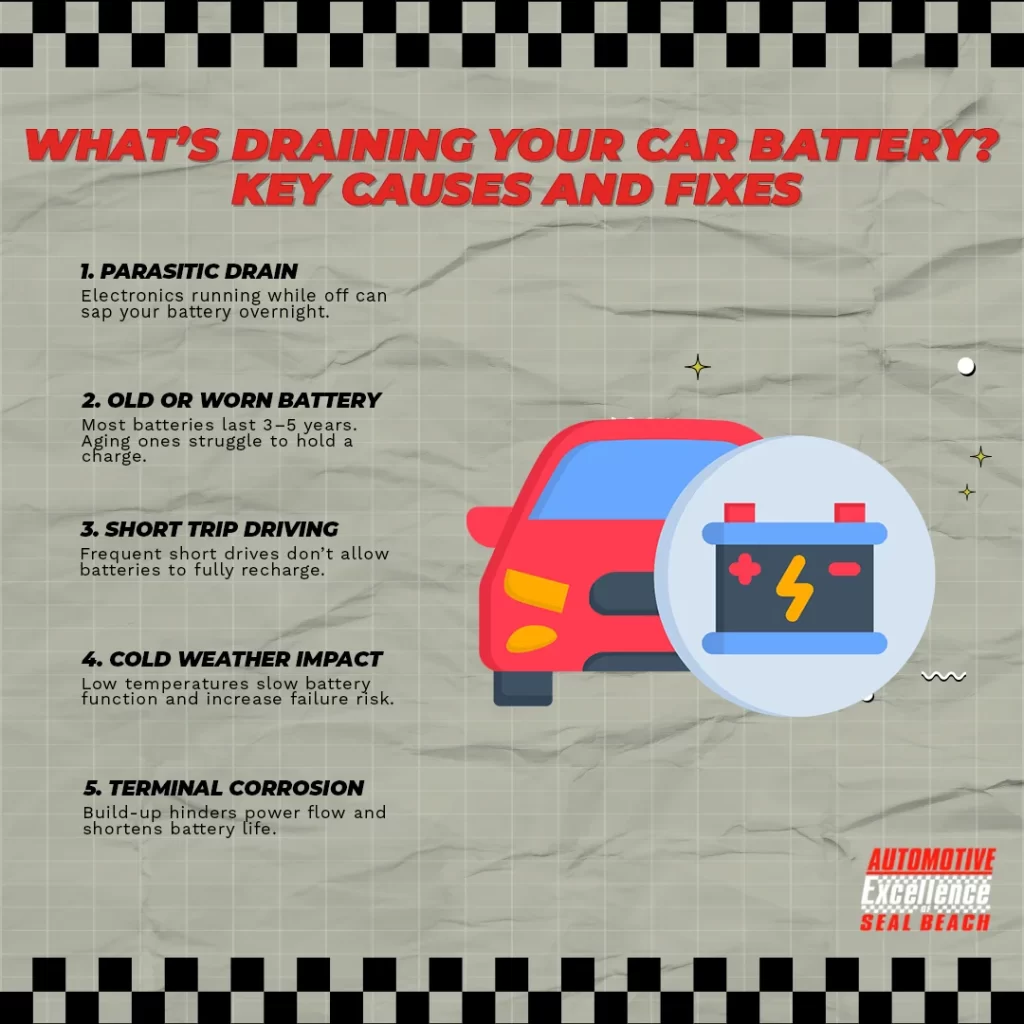
Old or Weak Battery: If your battery is approaching the end of its life, it may not hold a charge as well as it used to. Even normal driving might not be enough to keep it fully charged, triggering the saver mode more often.
Parasitic Drain: Every car has a small amount of parasitic drain, which is the power used by electronics when the car is off. Things like alarm systems, key fob sensors, and computer memory all sip power. If this drain is too high, your battery can die faster than expected.
Frequent Short Trips: Starting your car uses a big burst of power. If you only drive short distances, the alternator doesn't have enough time to recharge the battery fully. Over time, this leads to a battery that struggles to keep up.
Extreme Temperatures: Both very hot and very cold weather stress your battery. Cold cranking power drops significantly in freezing temps, while heat accelerates battery fluid evaporation and internal damage.
Faulty Charging System: If your alternator isn't working properly, your battery won't recharge while driving. This is a more serious issue that needs professional attention.
Signs Your Battery Savings Mode Is Active
Your car usually gives you clear signals when this mode kicks in. Watch for these telltale signs:
- A warning message on the dashboard
- Dimmer interior or exterior lights
- Power accessories working intermittently
- Reduced performance from climate control
- Infotainment system behaving differently than usual
If you see these signs, don't ignore them. They're your car's way of asking for help.
What to Do When Battery Savings Mode Turns On
Seeing this message doesn't mean your car is about to die immediately. It means you need to take action soon. Here's what I recommend based on years of helping drivers in this exact situation:
Drive to a Safe Location: If you're on the road, find a safe place to pull over. You don't want to get stranded in traffic or an unsafe area.
Turn Off Unnecessary Electronics: Switch off the radio, phone chargers, heated seats, and anything else drawing power. This buys you time.
Let the Engine Idle or Drive Around: Running the engine allows the alternator to recharge the battery. Even 20-30 minutes of driving can help restore some lost charge.
Get Your Battery Tested: Visit an auto parts store or mechanic to have your battery tested. Most offer this service for free. It only takes a few minutes and tells you if your battery is healthy or on its last legs.
Check for Simple Issues: Make sure all lights are off, doors are closed properly, and nothing is left plugged in that shouldn't be.
Can You Turn Off Battery Savings Mode?
In most cars, you can't manually toggle this feature on and off. That's by design. The system decides when it's needed based on battery voltage. If you try to override it, you risk draining your battery completely and leaving yourself stranded.
However, addressing the underlying cause effectively "turns it off." Once your battery is healthy and fully charged, the warning will disappear on its own.
How Long Can You Drive with Battery Savings Mode On?
This depends on several factors, including your battery's condition, how many electronics you're using, and whether the alternator is charging properly. In general, you should treat this warning as urgent. You likely have enough power to drive a short distance, perhaps 30 minutes to an hour, but it's not something to ignore. The longer you drive with a weak battery, the more strain you put on your charging system. Get it checked as soon as possible.
Preventing Battery Issues Before They Start
An ounce of prevention is worth a pound of cure, as my grandfather used to say. Here are simple habits that keep your battery healthy and prevent that dreaded warning light:
- Drive your car regularly, especially if it's not a daily driver
- Keep the battery terminals clean and free of corrosion
- Have your battery tested once a year, especially before winter
- Turn off all accessories before shutting off the engine
- Avoid leaving your car unused for weeks at a time
I've personally made it a habit to check my battery every fall before the cold weather hits. It's saved me from being stuck in a frozen parking lot more than once.
Battery Savings Mode vs. Start-Stop Systems
Some drivers confuse battery saver mode with start-stop technology, but they're different. Start-stop systems turn off the engine at red lights to save fuel, while battery saver mode protects the battery from dying. Some modern cars integrate both, but they serve distinct purposes. Start-stop is about fuel efficiency, while battery saver is about electrical survival.
The Role of the Alternator
Your alternator is the unsung hero of your car's electrical system. While the engine runs, the alternator recharges the battery and powers all the electronics. If the alternator fails, even a brand-new battery will eventually die. That's why battery saver mode sometimes points to alternator problems, not just battery issues. A mechanic can test both to pinpoint the exact cause.
When to Replace Your Battery
Most car batteries last between three and five years. If yours is approaching that age range and you're seeing warning signs, it's probably time for a replacement. Don't wait until you're stranded. Being proactive saves you time, money, and a lot of frustration. I learned this lesson the hard way when my battery died in a grocery store parking lot at 9 PM. Never again.
Frequently Asked Questions
Is it safe to drive with battery saver mode on?
You can drive for a short time, but treat it as a warning. Get your battery and charging system checked soon to avoid getting stranded.
How much does it cost to replace a car battery?
A standard car battery typically costs between $80 and $200, depending on the brand and type. Hybrid and start-stop vehicles may need specialty batteries that cost more.
Can a bad alternator cause battery saver mode to activate?
Yes. If the alternator isn't charging the battery properly, the voltage will drop and trigger the warning. A mechanic can test this quickly.
How long does it take to recharge a weak battery?
Driving for 30 minutes to an hour usually provides enough charge to start the car. However, a deeply discharged battery may need a proper charger or replacement.
Does battery saver mode drain the battery faster?
No. It does the opposite. By cutting off non-essential systems, it slows the drain and preserves power for critical functions like starting the engine.
Final Thoughts
Battery saver mode is one of those features you don't think about until you really need it. It's a small piece of technology that prevents big headaches. Whether you're dealing with an aging battery, a parasitic drain, or just need to understand what that warning light means, knowing how this system works puts you in control. Pay attention to the signs, act quickly when the warning appears, and take care of your battery before problems start. Your future self will thank you the next time you turn the key and your car starts without a hiccup. Have questions or want to share your own battery horror story? Drop a comment below, I'd love to hear from you.