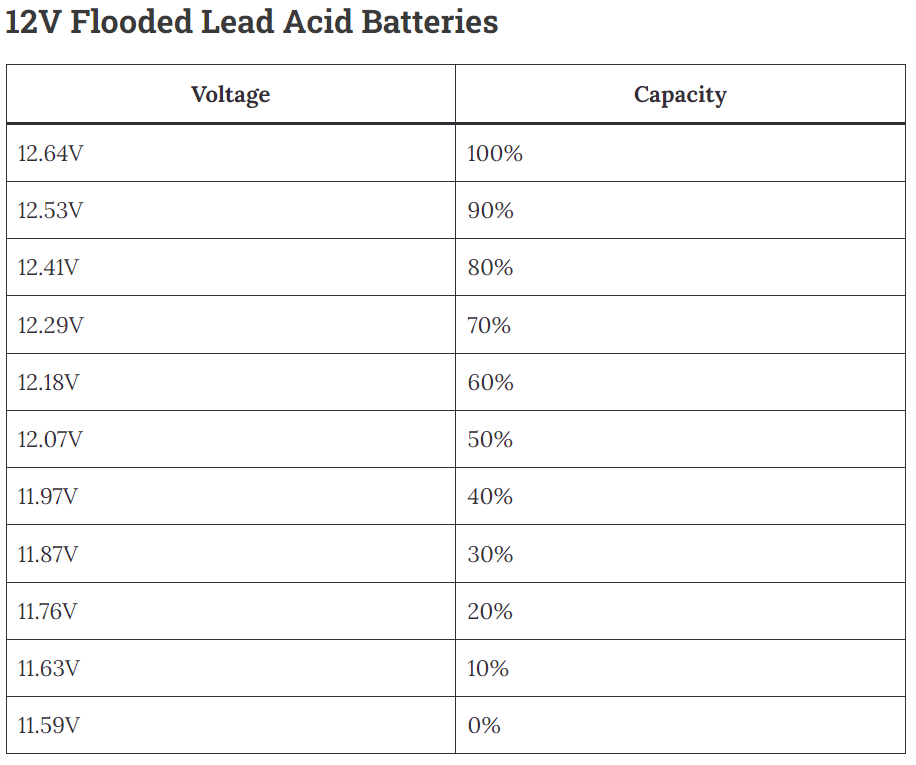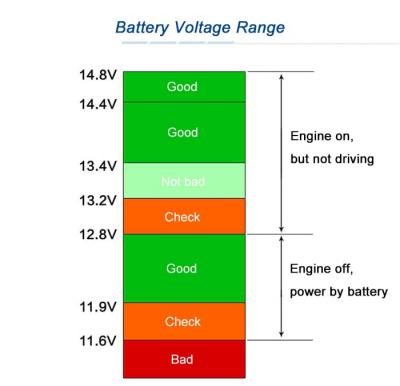
A healthy car battery should read between 12.6 and 12.8 volts when the engine is off and 13.7 to 14.7 volts when the engine is running. This simple range is your best friend when it comes to spotting a weak or failing battery before it leaves you stranded. I have tested hundreds of batteries over the years, and trust me, understanding these numbers can save you time, money, and a whole lot of frustration.
Picture this: you turn the key, and all you hear is a slow, painful click. That sound is almost always a battery crying out for help. But here is the good news. With a basic multimeter and a little know-how, you can catch battery issues early and avoid those dreaded no-start mornings. I have been there myself, standing in a parking lot at 6 AM, jumper cables in hand, swearing I would never ignore my battery again. That moment is exactly why I am writing this guide.
Let me walk you through everything you need to know about car battery voltage, from what the numbers really mean to how you can test your battery at home like a pro. By the end, you will feel confident checking your own battery and knowing when it is time for a replacement. I will also share some real-world tips and mistakes I have made so you do not have to learn the hard way.
Understanding Car Battery Voltage Basics
Think of your car battery as the heart of your vehicle's electrical system. It provides the initial jolt of power needed to start the engine and keeps everything running when the alternator takes over. Voltage, simply put, is the measure of electrical pressure pushing current through the system. Every battery has a resting voltage, a charging voltage, and a voltage under load. Knowing these three states is the secret to understanding battery health.
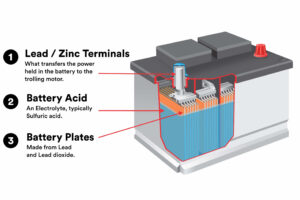
Most cars on the road today use a 12-volt lead-acid battery. You will also find this same standard in trucks, SUVs, and most light-duty vehicles. Inside that battery are six cells, each producing about 2.1 volts. Add them up, and you get the nominal 12.6 volts you see when the battery is fully charged. It is a beautiful piece of engineering that has been refined over more than a century.
When you read the voltage on a battery, you are really reading the state of charge. A battery at 12.6 volts is like a full glass of water. A battery at 12.0 volts is half empty. A battery at 11.8 volts or lower is nearly depleted and may not have enough juice to crank your engine. I learned this the hard way when I tried to start my old pickup truck on a freezing morning. The battery read 11.9 volts, and all I got was that awful clicking sound.

What Is the Normal Battery Voltage for a Car When the Engine Is Off
When your car is parked and the engine is off, the battery is at rest. This is the best time to get a true reading of its health. A fully charged, healthy battery should read between 12.6 and 12.8 volts. Some high-quality batteries can even hit 12.9 volts right after a full charge, but anything above 12.8 is still perfectly fine.
If your battery reads between 12.4 and 12.6 volts, it is still in good shape but slightly undercharged. You might want to drive the car for a while or use a battery maintainer to bring it back up. A reading between 12.0 and 12.4 volts means the battery is partially discharged. Anything below 12.0 volts is a red flag. The battery is significantly discharged and may be suffering from sulfation, a condition where lead sulfate crystals build up on the plates and reduce the battery's ability to hold a charge.
I always recommend checking the resting voltage at least four hours after the engine has been turned off. This gives the surface charge time to dissipate so you get an accurate reading. Trust me, I have made the mistake of testing immediately after a drive, and the voltage looked great. The next morning, the battery was dead. Patience pays off here.
What Is the Normal Battery Voltage for a Car When the Engine Is Running
Now let's talk about what happens when the engine is on. With the engine running, the alternator takes over the job of powering the electrical system and recharging the battery. The normal charging voltage for most vehicles is between 13.7 and 14.7 volts. You will often see readings right around 14.4 volts, which is the sweet spot for most modern alternators.
If the voltage is below 13.7 volts while the engine is running, the alternator may not be charging the battery properly. This could mean a failing alternator, a loose or corroded battery cable, or a slipping drive belt. On the flip side, if the voltage exceeds 15.0 volts, the alternator is overcharging the battery. This is a serious problem that can cook the battery, damage the voltage regulator, and ruin sensitive electronics. I once had an alternator that was pushing 15.3 volts, and within a week, my battery was swollen and leaking acid. Lesson learned: never ignore high voltage readings.
Temperature plays a big role in charging voltage. On a cold winter morning, you might see 14.8 volts at idle, and that is completely normal. On a hot summer day, the same battery might charge at 13.9 volts. The voltage regulator inside the alternator adjusts based on temperature to prevent overcharging. It is a clever system, but it is not perfect, which is why regular testing is so important.
How to Test Your Car Battery Voltage at Home
You do not need to be a mechanic to check your battery voltage. All you need is a digital multimeter, which you can pick up for under twenty dollars at any auto parts store. I keep one in my glove box because you never know when you might need it. Testing only takes a few minutes, and the peace of mind is well worth it.
Start by turning off the engine and removing the key. Make sure all accessories like headlights, radio, and climate control are off. Open the hood and locate the battery. Clean the terminals if they are dirty or corroded, because gunk can give you a false reading. Set your multimeter to DC voltage, typically the 20-volt setting.
Touch the red positive lead to the positive battery terminal, marked with a plus sign. Touch the black negative lead to the negative terminal, marked with a minus sign. Read the display and write down the number. That is your resting voltage. Compare it to the ranges I mentioned earlier, and you will have a good idea of your battery's health.
If you want to test the battery under load, turn the headlights on for about two minutes without starting the engine, then turn them off and wait ten minutes. The voltage should stay above 12.4 volts. If it drops below 12.0 volts, the battery is weak and may need replacement soon. I use this trick all the time when shopping for used cars. It has saved me from buying more than one battery that was on its last legs.
Factors That Affect Car Battery Voltage
Several factors can cause your battery voltage to fluctuate or drop over time. Understanding these factors can help you extend the life of your battery and avoid surprises. The first and most obvious factor is temperature. Extreme cold thickens the engine oil and makes the battery work harder, which can temporarily reduce voltage. Extreme heat does the opposite but causes long-term damage by accelerating the chemical reaction inside the battery, leading to fluid loss and plate corrosion.
Driving habits also play a huge role. If you only drive short distances, the alternator does not have enough time to fully recharge the battery after starting the engine. Over time, this leads to chronic undercharging, which shortens battery life. I learned this the hard way when I drove ten minutes to work and back for two years. My battery died at the three-year mark, which is well below the typical five to six-year lifespan.
Parasitic drain is another common culprit. Modern cars have a small but constant draw from the clock, alarm system, and computer memory. This is normal and should not drain a healthy battery. However, a stuck relay, a faulty switch, or an aftermarket accessory can create an excessive drain that slowly kills your battery overnight. If you find yourself jumping your car more than once a month, parasitic drain might be the reason.
Finally, age is the silent killer of all batteries. Even with perfect care, a lead-acid battery will eventually wear out. The average lifespan is between three and six years, depending on climate, usage, and maintenance. If your battery is over four years old, it is smart to have it tested every six months. I keep a small notebook in my glove box with the date of each battery replacement. It sounds nerdy, but it has saved me from being stranded more than once.
Signs Your Car Battery Voltage Is Too Low
A weak battery usually gives you warning signs before it fails completely. The most common symptom is a slow engine crank. When you turn the key, the starter sounds sluggish, like it is struggling to turn the engine over. This is often the first sign that voltage is dropping below the 12.0-volt threshold.
Dim headlights are another telltale sign. If you notice your headlights dimming at idle but brightening when you rev the engine, the battery is not holding enough charge to support the electrical load. The same goes for interior lights, dashboard lights, and the infotainment screen. I once had a battery that was so weak my radio would reset every time I turned on the windshield wipers. That was an expensive lesson.
Other warning signs include a clicking sound when you turn the key, a battery warning light on the dashboard, a swollen or bloated battery case, and a sulfurous rotten egg smell coming from under the hood. The smell is a sign of leaking battery acid, which is both toxic and corrosive. If you smell it, replace the battery immediately and clean any affected surfaces with a baking soda and water solution.
One more thing to watch for is electrical gremlins. Weird behavior like power windows moving slowly, erratic climate control, or random warning lights can all point to low voltage. Modern cars are packed with sensitive electronics that require a stable voltage supply. When the voltage drops, these systems start acting up. Think of it like a computer running on low power. Strange things happen.
How to Maintain Healthy Battery Voltage
Keeping your battery voltage in the healthy range is easier than you might think. The first step is to keep the terminals clean. Corrosion on the battery terminals acts like a resistor, reducing the flow of electricity and making the battery work harder. I clean my terminals every six months using a wire brush and a mixture of baking soda and water. It takes about ten minutes and makes a huge difference.
If you do not drive your car often, consider using a battery maintainer or trickle charger. These devices keep the battery at a full charge without overcharging it. They are especially useful for classic cars, seasonal vehicles, and cars that sit in storage. I have a 2-amp maintainer hooked up to my project car, and after two years, the battery is still going strong.
Make sure the battery is securely mounted. A loose battery can vibrate, which damages the internal plates and shortens its life. It is a simple check, but it is often overlooked. I always wiggle the battery after tightening the hold-down clamp. If it moves more than a quarter inch, something is wrong.
Limit short trips whenever possible. If you only drive a few miles a day, try to take a longer drive once a week to give the alternator time to fully recharge the battery. Thirty minutes of highway driving is usually enough to top off a healthy battery. On really cold mornings, consider turning off unnecessary accessories like the seat heaters and rear defroster to reduce the load on the battery during startup.
Finally, have your battery tested professionally at least once a year. Most auto parts stores offer free battery testing, and the results are instant. They will tell you the voltage, the state of charge, and the cold cranking amps, which is a measure of the battery's starting power. I get my battery tested every fall before the cold weather hits. It is a small habit that has saved me countless headaches.

Common Mistakes to Avoid When Dealing With Battery Voltage
Over the years, I have made just about every mistake you can make with a car battery. Let me save you the trouble by sharing the most common ones. The first is leaving the headlights or interior lights on. It sounds obvious, but it happens to the best of us. A typical car battery can run the headlights for about four to eight hours before it is completely dead. If you catch it soon enough, a jump start or a slow charge will bring it back. If you leave it dead for days, the battery may be permanently damaged.
Another common mistake is using the wrong charger. Fast chargers can push too much current into a battery, causing it to overheat, warp the plates, or even explode. Always use a charger that matches your battery type and size. For most car batteries, a 4 to 10 amp charger is plenty. If you are in a hurry, a 20 amp charger will do, but do not leave it unattended. I once left a fast charger on overnight and woke up to a battery that was too hot to touch. The case was bulging, and I had to replace it.
Jump starting incorrectly is another frequent error. Always connect the positive cable first, then the negative cable to a ground point on the engine, not the battery. Reversing the polarity can fry the alternator, the ECU, and other electronics. I have seen people blow up a brand new alternator because they crossed the cables. Take your time and double check the connections before turning the key.
Finally, do not ignore corrosion. That white, powdery stuff on your battery terminals is not just ugly. It actively reduces voltage by creating resistance. A quick scrub with a wire brush and some baking soda will keep the current flowing smoothly. I keep a small battery terminal brush in my toolbox just for this purpose. It is a five-minute job that can add years to your battery life.
The Relationship Between Alternator and Battery Voltage
Your battery and alternator work as a team, and their voltages are directly linked. The battery provides the initial power to start the engine, and once the engine is running, the alternator takes over. The alternator produces alternating current, which is converted to direct current by the rectifier and regulated by the voltage regulator. The output is then sent to the battery to keep it charged.
If the alternator output is too low, the battery will slowly drain as it tries to power the vehicle's electrical systems. If the output is too high, the battery will overcharge, boiling off the electrolyte and destroying the internal plates. The sweet spot is 13.7 to 14.7 volts, but this can vary based on temperature, battery age, and electrical load.
A simple way to test the alternator is to start the car and turn on the headlights, radio, and climate control. With all accessories running, the voltage at the battery should still be above 13.5 volts. If it drops below 13.0 volts, the alternator is weak and may need replacement. I use this test every time I check a used car, and it has helped me avoid a few bad purchases.
It is also worth noting that a bad battery can kill a good alternator, and vice versa. If the battery is severely discharged, the alternator will work overtime trying to charge it, which can cause it to overheat and fail. If the alternator is overcharging, the battery will be damaged. Always replace both at the same time if one fails, especially if the vehicle is more than five years old.

When to Replace Your Car Battery
No battery lasts forever, so knowing when to replace yours is crucial. The most obvious sign is age. If your battery is more than four years old, start planning for a replacement. Most batteries have a date code stamped on the case, but the format varies by manufacturer. I usually write the purchase date on the battery with a paint marker so there is no confusion.
Frequent jump starts are another clear sign. If you have had to jump your car more than twice in the last six months, the battery is on its way out. A healthy battery should hold a charge for at least two weeks without driving. If yours dies after a few days, something is wrong, and it is probably the battery.
Visible damage is a no-brainer. A cracked case, bulging sides, or leaking acid means the battery needs to be replaced immediately. Do not try to charge a damaged battery. It is dangerous and can cause a fire or explosion. I once had a battery crack in the summer heat, and the acid ate through the hold-down clamp and the battery tray. The repair cost more than the battery itself, so do not wait if you see physical damage.
Finally, a failed load test is a sure sign. Most auto parts stores will perform a load test for free. The test simulates the demands of starting the engine and measures how the battery responds. If the voltage drops below 9.6 volts during the test, the battery is done. It is a simple, reliable test that takes about five minutes.
Choosing the Right Replacement Battery
When it is time for a new battery, you have options. The three main types are flooded lead-acid, absorbed glass mat, and enhanced flooded batteries. Flooded lead-acid is the most common and affordable. It requires occasional maintenance, like checking the water level. AGM batteries are sealed, spill-proof, and more resistant to vibration. They cost more but last longer and perform better in extreme conditions. EFB batteries are a middle ground, offering better performance than flooded batteries at a lower price than AGM.
Match the battery to your vehicle's specifications. Check your owner's manual for the recommended group size, cold cranking amps, and terminal configuration. Installing the wrong battery can cause electrical issues and may void your warranty. I always double check the dimensions, too. A battery that is slightly too tall may not fit under the hood, and one that is too small will not sit securely in the tray.
Buy from a reputable brand and look for a strong warranty. Most batteries come with a two to four year warranty, and some premium brands offer up to five years. Keep the receipt and the warranty information in your glove box. If the battery fails within the warranty period, you will get a free replacement or a prorated refund.
Consider having the new battery installed by a professional if you are not comfortable doing it yourself. The job is simple, but it involves heavy lifting and the risk of electrical shock. Most auto parts stores will install the battery for free when you buy from them. I usually install my own, but I always wear gloves and safety glasses, just in case.
Frequently Asked Questions
How often should I check my car battery voltage
You should check your car battery voltage at least twice a year, ideally in the spring and fall. If your battery is more than three years old, check it every three months. Regular testing helps you catch problems early, before they leave you stranded. I also recommend checking the voltage before and after long trips, especially if you are driving in extreme temperatures.
Can a car battery voltage be too high
Yes, a car battery voltage can absolutely be too high. If the voltage exceeds 15.0 volts with the engine running, the alternator is overcharging the battery. This is usually caused by a faulty voltage regulator and can damage the battery, the alternator, and sensitive electronics. If you see a high voltage reading, have the charging system checked immediately.
What does a voltage of 11.8 volts mean for a car battery
A voltage of 11.8 volts means your car battery is deeply discharged. At this level, the battery is about 30 percent charged and may not have enough power to start the engine. It can also lead to sulfation, which permanently reduces the battery's capacity. Charge the battery right away with a slow charger, and have it tested to see if it has suffered permanent damage.
Is 14.4 volts a good charging voltage for a car
Yes, 14.4 volts is an excellent charging voltage for most car batteries. It is right in the middle of the normal range of 13.7 to 14.7 volts and indicates that the alternator is working properly. Some vehicles may charge slightly higher or lower depending on the battery type and temperature, but 14.4 volts is a healthy sign.
How long does it take to charge a car battery to normal voltage
The time it takes to charge a car battery to normal voltage depends on the charger and the state of charge. A 4 amp charger will take about 12 to 24 hours to fully charge a deeply discharged battery. A 10 amp charger will do it in 4 to 8 hours. Fast chargers can do it in under an hour, but they are not recommended for regular use because they can damage the battery over time.
Conclusion
Your car battery voltage tells you almost everything you need to know about the health of your electrical system. A healthy battery should read between 12.6 and 12.8 volts at rest and between 13.7 and 14.7 volts when the engine is running. By keeping these numbers in mind and testing your battery regularly, you can avoid the frustration of a dead battery and extend the life of your vehicle's electrical components.
I have been working with car batteries for over a decade, and I can tell you that a little bit of prevention goes a long way. Clean your terminals, drive your car regularly, and do not ignore the warning signs. The few minutes you spend checking your battery today can save you hours of hassle tomorrow. If you found this guide helpful, grab a multimeter and check your battery right now. You will be glad you did, and your car will thank you.