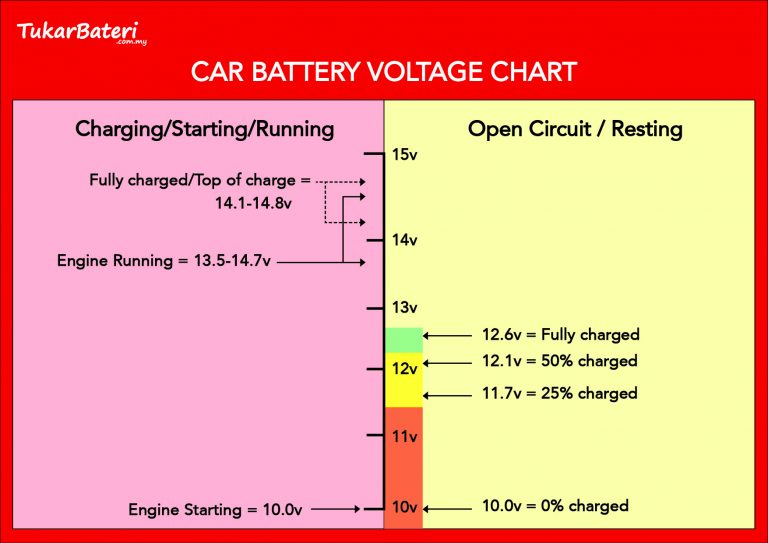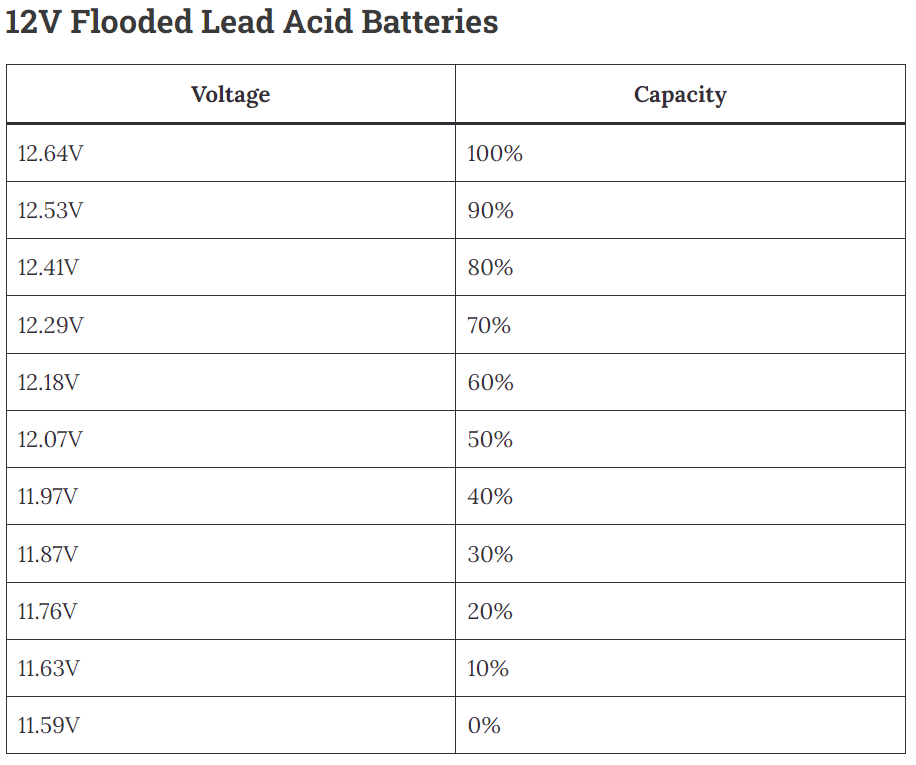
A fully charged car battery should read between 12.6 and 12.8 volts when the engine is off, and 13.7 to 14.7 volts while running.
If you've ever popped your hood and wondered whether your battery is actually doing its job, you're not alone. Understanding the normal voltage for a car battery is one of the simplest ways to stay on top of your vehicle's health, and it can save you from that dreaded morning when nothing clicks. Think of battery voltage like your car's pulse. It tells you, in real time, whether the heart of your electrical system is strong, struggling, or about to fail. I've tested hundreds of batteries over the years, and the drivers who check voltage regularly almost never get stranded. In this guide, I'll walk you through exactly what healthy readings look like, what each number really means, and how you can confidently check your own battery at home without any fancy equipment.
What Does Voltage Actually Mean for Your Car Battery
Voltage is simply the push that drives electricity through your car's system. A standard 12-volt car battery is actually a collection of six cells, each producing about 2.1 volts when fully charged. Together, they deliver the energy needed to start your engine and run everything from headlights to your infotainment screen.
When most people hear "12-volt battery," they assume 12.0 is the magic number. In reality, a healthy battery sits a bit higher at rest. Think of it like a full glass of water sitting on a table. It holds more than the brim line suggests, and that little bit above 12 is your cushion.
Normal Voltage Readings You Should Know
Getting familiar with these numbers will help you read your battery like a pro:
- Engine off, fully charged: 12.6 to 12.8 volts
- Engine off, partially charged: 12.2 to 12.4 volts
- Engine off, discharged: Below 12.0 volts
- Engine running, healthy alternator: 13.7 to 14.7 volts
- Engine running, weak charging system: Under 13.5 volts or over 15.0 volts
If your resting voltage drops below 12.0, your battery is officially undercharged and may struggle to start the engine, especially in cold weather.
How to Test Your Car Battery Voltage at Home
You don't need to be a mechanic to check your battery. A basic digital multimeter costs less than a fast-food meal, and the whole process takes under two minutes.
- Turn off your car and remove the key from the ignition.
- Set your multimeter to DC voltage, usually marked as VDC.
- Connect the red probe to the positive terminal, marked with a plus sign.
- Connect the black probe to the negative terminal, marked with a minus sign.
- Read the number on the display and compare it to the healthy range above.
For the most accurate reading, let your car sit for at least an hour, or ideally overnight, before testing. Surface charge from a recent drive can fake a higher number and give you a false sense of security.
Why Voltage Drops and What Causes It
Batteries lose voltage for many reasons, and most are easier to fix than you might think. A common culprit is simply leaving lights or accessories on when the engine is off. Corroded terminals can also block the flow of electricity, making your battery look weak even when it isn't.
Temperature plays a huge role too. Cold weather slows the chemical process and temporarily lowers voltage, while extreme heat speeds up internal corrosion. Short trips are another sneaky cause because the alternator never has enough time to fully recharge what the starter used.
From my own experience working on older trucks, I've seen batteries hold strong for six years in mild climates and die in barely two years in places with harsh winters. Where and how you drive matters more than people realize.
Voltage vs. State of Charge: What the Numbers Tell You
Here's a simple breakdown of voltage and how much charge remains:
- 12.6 volts or higher means 100 percent charged
- 12.4 volts means around 75 percent charged
- 12.2 volts means around 50 percent charged
- 12.0 volts means around 25 percent charged
- 11.9 volts or lower means fully discharged
This is why a resting reading of 12.0 isn't just borderline. It's a warning that your battery has lost a quarter of its capacity, and repeated drops like this shorten its overall lifespan.
What Voltage Should You See While Driving
When the engine is running, the alternator takes over and should push voltage between 13.7 and 14.7 volts. This shows your charging system is working properly and topping off the battery while you drive.
If you see numbers under 13.5 while running, the alternator might be failing or the belt driving it could be loose. If readings climb above 15.0, you're likely dealing with a voltage regulator issue, which can cook your battery and damage electronics. Either situation deserves a quick trip to a trusted mechanic.
Signs Your Battery Voltage Is Too Low
Your car usually gives you clues before the battery dies completely. Watch for:
- A slow or lazy crank when you turn the key
- Dim headlights, especially at idle
- Flickering dashboard lights
- Clicking sounds from under the hood
- A battery warning light on the dashboard
I learned this the hard way years ago when my headlights dimmed every time I rolled up a window. I ignored it, assuming it was normal. A week later, I was stranded in a parking lot. A $10 voltage check at the time would have told me the alternator was on its way out.
How to Keep Your Battery Voltage Healthy
A little prevention goes a long way. Drive your vehicle regularly, even short trips help keep the charge up. Keep the terminals free of corrosion by cleaning them with a mix of baking soda and water a few times a year. Make sure the battery is securely mounted since vibrations can damage internal plates. And if you store a vehicle for weeks at a time, use a trickle charger or battery maintainer to keep voltage from dropping.
Think of battery care like brushing your teeth. A couple of minutes of attention every now and then prevents painful problems down the road.
When to Replace Your Car Battery
Most car batteries last between three and five years, though some premium options stretch past six. If your resting voltage drops below 12.2 often, or your battery is over four years old, start planning for a replacement before it leaves you stuck.
Modern cars with start-stop technology and lots of electronics tend to be harder on batteries, so they may need replacing sooner. When in doubt, get a free load test at most auto parts stores. It takes five minutes and tells you exactly how much life your battery has left.

Common Myths About Car Battery Voltage
Let's clear up a few things I hear all the time:
- Driving recharges a dead battery quickly. Not true. A full recharge takes hours of driving, not minutes.
- A new battery doesn't need checking. Wrong. Even new batteries can be defective or drained from sitting on a shelf.
- Jump-starting fixes battery problems. Jump-starts get you going, but they don't fix a failing alternator or a battery that can no longer hold a charge.
- Voltage alone tells the whole story. Voltage shows charge level, but a load test shows actual health and capacity.
Separating fact from fiction here can save you money and headaches, especially when a shop tries to sell you something you don't need.
Tools That Make Monitoring Voltage Easy
If you want to stay ahead of battery trouble, consider these handy tools:
- A basic digital multimeter for occasional testing
- A Bluetooth battery monitor that pairs with your phone for real-time alerts
- A cigarette lighter voltage meter that stays plugged in for quick checks
- A plug-in OBD2 scanner that reads battery health through your car's computer
I keep a Bluetooth monitor in my daily driver. It sends a notification if voltage drops too low, and it has already warned me twice about a failing cell before I noticed any symptoms.
Frequently Asked Questions
What voltage is too low for a car battery
Anything below 12.0 volts at rest is considered too low and means your battery is discharged. If it drops under 11.8 volts, the battery is deeply discharged and may not recover fully, especially if it's old or has been drained multiple times.
Is 12.2 volts OK for a car battery
A resting reading of 12.2 volts means your battery is around 50 percent charged. It can still start your car in the short term, but it's undercharged and should be recharged soon to prevent long-term damage.
What voltage indicates a bad battery
If your resting voltage is under 12.0 volts and won't hold a charge above 12.4 after driving, the battery is likely bad. A failed load test or visible swelling on the case are also clear signs it's time to replace it.
Can a car battery show 12 volts and still be bad
Yes, voltage alone doesn't tell the whole story. A battery can show 12.4 volts at rest but fail under load, meaning it doesn't have the strength to crank the engine. A proper load test reveals what voltage hides.
How often should I check my battery voltage
Checking once a month is a great habit, especially before long drives or seasonal changes. If your battery is over three years old or you notice slow cranking, check it more often, even weekly, until you replace it.
Conclusion
Knowing the normal voltage for a car battery puts you in control of your vehicle's reliability. A healthy resting voltage sits between 12.6 and 12.8 volts, while a running engine should show 13.7 to 14.7 volts. Anything outside those ranges deserves attention. Make voltage checks part of your regular car care routine, keep those terminals clean, and don't ignore the early warning signs your car gives you. A five-minute test today can save you a tow truck tomorrow. Got questions about your own battery readings or a story about a roadside surprise? Drop a comment below and let's talk batteries.