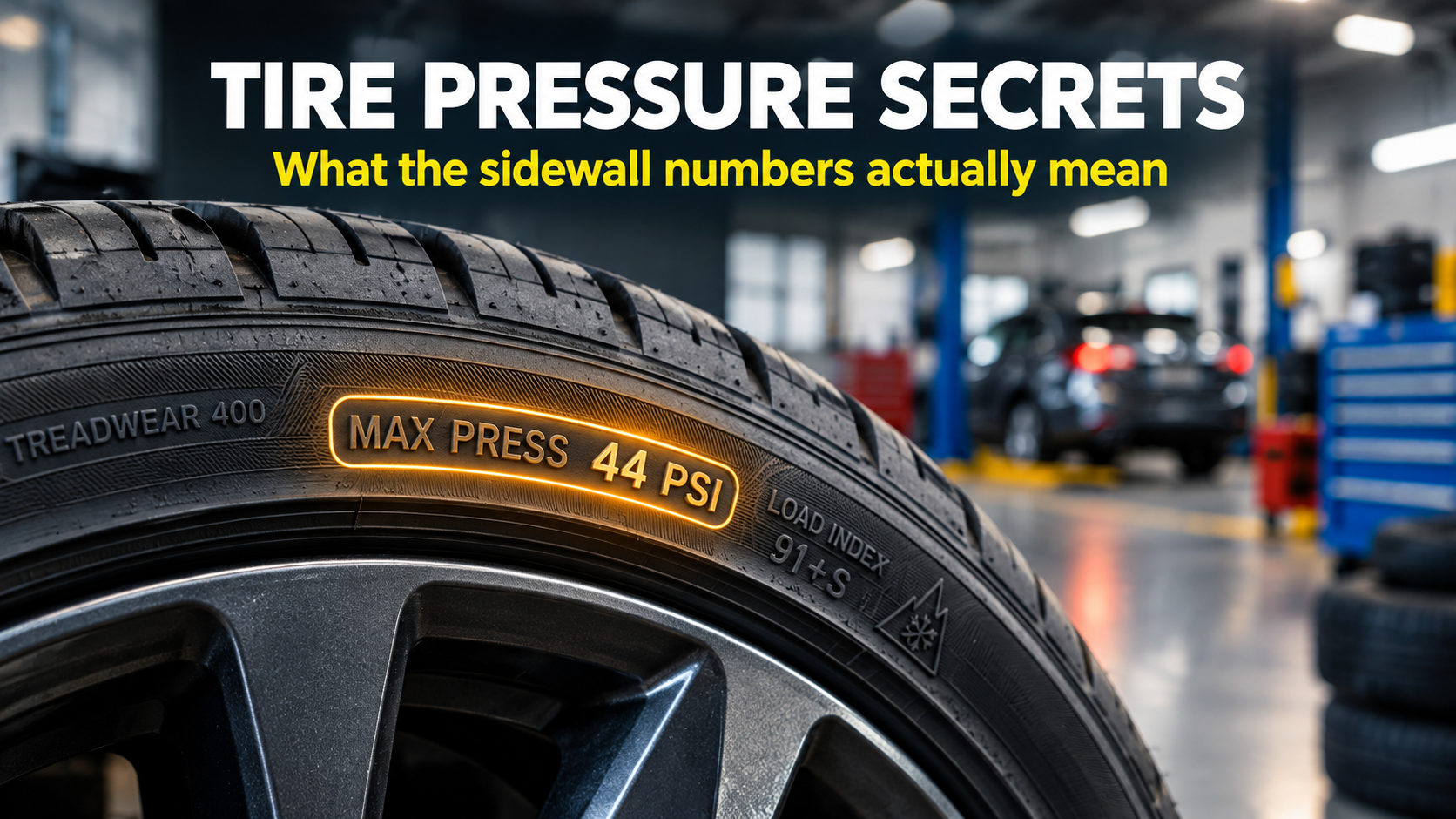
The number on your tire sidewall shows the maximum cold inflation pressure the tire is designed to hold, not the exact pressure you should always use. It acts as a safety limit set by the manufacturer so the tire can perform well under load without breaking apart.
If you have ever crouched next to your car, squinted at the tiny letters molded into the rubber, and wondered what those numbers really mean, you are not alone. Most drivers glance at the sidewall without truly understanding what it tells them about tire pressure, load capacity, and safety. The truth is, that small string of numbers holds more useful information than many people realize. Once you know how to read it, you can make smarter choices about tire care, improve fuel economy, extend tire life, and drive more safely. Let me walk you through everything that tire sidewall inflation number really indicates, so the next time you check your tires, you will know exactly what you are looking at.
What Exactly Is the Tire Inflation Number on the Sidewall
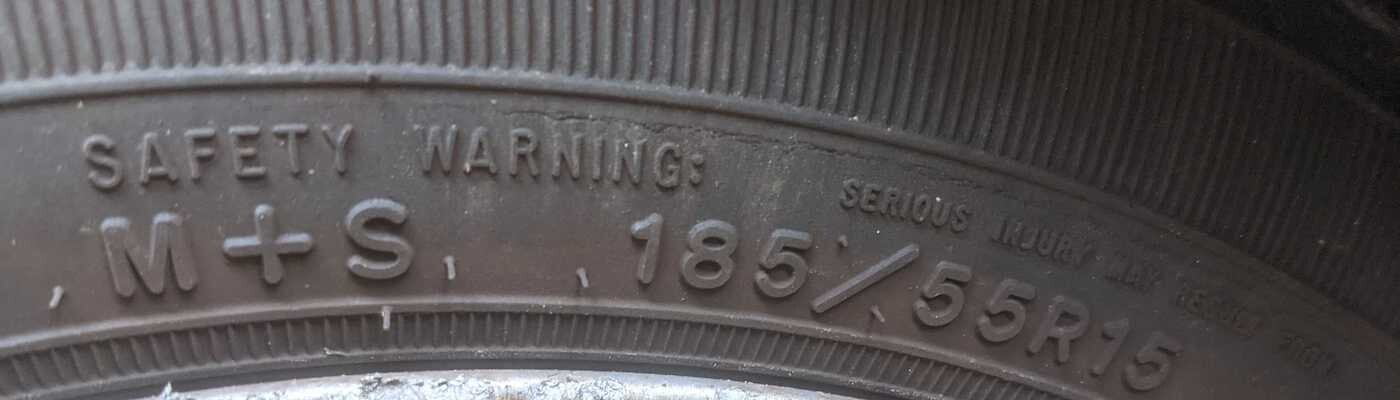
The tire inflation number on the sidewall is usually marked as "MAX PRESSURE" or shown alongside a value like "35 PSI" or "240 kPa." This number tells you the highest amount of air pressure the tire can safely hold when it is cold, meaning the tire has not been driven on for at least three hours or has been driven less than a mile at low speed. It is important to understand that this is a maximum limit, not a recommended everyday pressure.
Think of it like the maximum weight limit printed on an elevator. Just because the elevator can hold 2,000 pounds does not mean you should always load it to that exact weight. The tire works the same way. The sidewall number gives you a ceiling, but your vehicle manufacturer usually recommends a lower pressure for the best mix of comfort, safety, fuel economy, and tire life.
Where to Find the Number
The inflation number is usually located near the tire size markings on the sidewall. It may look something like:
- MAX LOAD 1234 LBS (560 KG) AT 35 PSI (240 KPA)
- MAX PRESSURE 35 PSI (240 KPA)
Some tires show the value in both PSI (pounds per square inch) and kPa (kilopascals), since different regions use different units.
Why It Is Expressed as a Maximum
The sidewall number is set after extensive testing by the tire maker. Engineers test the tire under various loads, speeds, and conditions to find the highest pressure it can handle without failing. This number is not meant to be your everyday target. Instead, it gives you a hard rule you should never cross.
Understanding Tire Pressure Basics
Before diving deeper, it helps to know some basics about tire pressure. Air pressure is what supports the weight of your vehicle, absorbs road shock, and keeps the tire in proper contact with the road. Too much or too little air can change the way your car handles, brakes, and even burns fuel.
What Happens When Pressure Is Too Low
When your tires are underinflated, more of the tire surface touches the road. This causes:
- Faster wear on the outer edges of the tread
- Higher rolling resistance, which lowers fuel economy
- Extra heat buildup, which can lead to blowouts
- Poor handling, especially during turns
What Happens When Pressure Is Too High
When your tires are overinflated, only the center of the tread touches the road. This causes:
- Faster wear in the middle of the tread
- A harsher ride because the tire absorbs less shock
- Reduced grip on the road, especially in wet or icy conditions
- Higher risk of damage from potholes or curbs
Why Cold Pressure Matters
Tire pressure is always measured when the tire is cold because driving heats up the air inside and raises the pressure reading. A hot tire can show 3 to 5 PSI higher than its actual cold pressure, which can give you a false sense of security.
Tire Sidewall Inflation Number vs Recommended Pressure
Many drivers confuse the sidewall number with the pressure printed on their car door jamb or in the owner's manual. These are two different things, and mixing them up can lead to problems.
Sidewall Number
- This is the maximum cold inflation pressure.
- It is set by the tire manufacturer.
- It is the same for every vehicle that uses the same tire size.
Recommended Pressure
- This is the ideal pressure for your specific vehicle.
- It is set by your car's manufacturer.
- It is usually lower than the sidewall maximum.
- You can find it on a sticker inside the driver's door jamb, inside the glove box, or in the owner's manual.
For most passenger cars, the recommended pressure is around 32 to 35 PSI, while the sidewall maximum is often 44 PSI or higher. Trucks and SUVs that carry heavy loads may run higher pressures, but they still usually stay below the sidewall maximum.
How the Inflation Number Affects Tire Performance
The pressure in your tires influences almost every part of how your vehicle drives. The number on the sidewall gives you a starting point, but the actual pressure you use will shape the ride in several ways.
Impact on Fuel Economy
Tires that are properly inflated roll more easily, which means your engine does not have to work as hard. Underinflated tires can reduce fuel economy by 0.3 percent for every 1 PSI drop in pressure across all four tires. Over time, that adds up to real money at the pump.
Impact on Tread Life
Tires wear out faster when pressure is not right. Underinflation causes shoulder wear, while overinflation causes center wear. Staying close to the recommended pressure can help you get the most miles out of your tires.
Impact on Safety
Proper inflation keeps the tire's structure stable. Too little air can cause the sidewall to flex too much, leading to heat buildup and possible failure. Too much air reduces the tire's ability to grip the road, which can make braking and cornering less predictable.
Impact on Load Capacity
The sidewall number also works with the load rating to tell you how much weight the tire can safely carry. If you inflate to the maximum pressure, the tire can handle its maximum load. If you use a lower pressure, the load capacity drops slightly. For everyday driving, this is rarely an issue, but it matters for trucks, trailers, and vehicles that haul heavy loads.
How to Measure Tire Pressure Correctly
Knowing what the number means is only useful if you check your pressure the right way. A simple tire pressure gauge and a few good habits can save you from many common tire problems.
Step 1: Check When Tires Are Cold
Park your car for at least three hours or drive less than a mile before checking. This gives the tires time to cool down so you get an accurate reading.
Step 2: Remove the Valve Cap
Unscrew the cap on the valve stem and keep it somewhere safe so you do not lose it.
Step 3: Press the Gauge Firmly
Push the tire pressure gauge onto the valve stem until the hissing sound stops. A digital gauge will give you a clear number, while a stick gauge will show a small bar that pops out.
Step 4: Compare to the Recommended Pressure
Check the reading against the number on your door jamb, not the sidewall number. Add or release air as needed.
Step 5: Replace the Valve Cap
Screw the cap back on to keep dirt and moisture out of the valve.
Common Misconceptions About the Sidewall Number
Over the years, I have heard many myths about tire pressure. Let me clear up a few of the most common ones.
Myth 1: The Sidewall Number Is the Pressure You Should Use
This is probably the most common mistake. The sidewall number is a maximum, not a target. Always follow your vehicle manufacturer's recommendation.
Myth 2: Higher Pressure Always Means Better Performance
Higher pressure can make the steering feel sharper, but it also reduces grip and ride comfort. There is a sweet spot for every vehicle.
Myth 3: You Only Need to Check Pressure in Winter or Summer
Temperature changes affect tire pressure all year. For every 10°F drop in outside temperature, tire pressure drops about 1 PSI. A seasonal check is good, but monthly checks are even better.
Myth 4: New Tires Do Not Need Pressure Checks
Even new tires lose air over time. Most tires lose about 1 PSI per month naturally. A new tire is no exception.
How Temperature and Driving Conditions Affect Pressure
Tire pressure is not a fixed number. It changes with temperature, altitude, and driving habits.
Cold Weather Effects
When the temperature drops, the air inside your tires contracts. This causes the pressure to fall, sometimes by several PSI overnight. If you check your tires on a cold morning, the reading will be lower than on a warm afternoon.
Hot Weather Effects
Heat expands air, which raises pressure. Long drives on hot pavement can push your tire pressure up by 3 to 5 PSI above the cold reading. This is normal, but if your tires were already near the maximum before the drive, they could exceed safe limits.
Altitude Effects
Driving at higher altitudes, where air pressure is lower, can cause a small drop in tire pressure. This is usually not a big deal unless you travel from sea level to high mountains in a short time.
Tips From Real Experience With Tire Pressure
After years of dealing with tires on everything from compact cars to heavy-duty trucks, I have learned a few things the hard way. Here are some honest tips from the garage.
Tip 1: Invest in a Good Gauge
A cheap stick gauge can be off by 2 or 3 PSI. A digital gauge gives you a more accurate reading and often costs less than a tank of gas.
Tip 2: Check Before Long Trips
Before a road trip, check your tire pressure when the tires are cold. This gives you a true baseline, so you can adjust before the tires heat up on the highway.
Tip 3: Do Not Trust Visual Checks
A tire can look fine even when it is 10 PSI low. Always use a gauge. The only way to know for sure is to measure.
Tip 4: Rotate and Check Together
When you rotate your tires, take a few extra minutes to check the pressure on all four. It is a good habit that pays off in tire life.
Tip 5: Do Not Forget the Spare
Your spare tire also has a sidewall number. Check its pressure every few months, so it is ready when you need it.
How Often Should You Check Tire Pressure
A good rule of thumb is to check your tire pressure at least once a month and before any long trip. Many modern cars have tire pressure monitoring systems that warn you when pressure drops too low, but these systems only alert you after a problem has already started. Manual checks help you catch issues early.
Best Times to Check
- First thing in the morning before driving
- Before a long road trip
- After a big temperature swing, such as the first cold snap of fall or the first heat wave of summer
- After hitting a pothole or curb
What About Vehicles With TPMS
Tire pressure monitoring systems, or TPMS, are now standard in most new cars. They use sensors to track pressure and warn you when it drops below a safe level. While TPMS is helpful, it has limits.
What TPMS Does Well
- Alerts you when pressure drops suddenly
- Warns you about slow leaks
- Helps prevent dangerous underinflation
What TPMS Does Not Do
- It does not tell you the exact pressure
- It does not replace manual checks
- It does not always catch overinflation
Use TPMS as a backup, not as your only check.
Frequently Asked Questions
Is the tire pressure on the sidewall the correct pressure to use?
No. The number on the sidewall is the maximum cold inflation pressure set by the tire maker. Your vehicle manufacturer sets a recommended pressure, which is usually lower. Always follow the recommendation on your door jamb or in your owner's manual.
Can I go above the sidewall pressure if I carry heavy loads?
It is better to stay within the recommended pressure range and respect the sidewall maximum. For heavy loads, your vehicle's door jamb sticker may list a higher pressure for full load. Follow that number instead of inflating to the sidewall maximum.
How much does tire pressure change with temperature?
Tire pressure changes by about 1 PSI for every 10°F change in air temperature. Cold weather lowers pressure, while hot weather raises it.
Why does my tire pressure light come on in winter?
Cold temperatures cause air to contract, which lowers tire pressure. If the drop is enough, your TPMS will alert you. Adding air to reach the recommended pressure usually solves the problem.
Is it safe to drive with the exact sidewall pressure?
In most cases, yes, it is safe, but it is not ideal. Higher pressure makes the ride harsher, wears the center of the tread faster, and reduces grip. Stick to the vehicle maker's recommended pressure for the best balance of comfort, safety, and tire life.
Wrapping Up
The tire inflation number on the sidewall is a key piece of information, but it is only one part of the full picture. It tells you the maximum cold inflation pressure that the tire can safely handle, but your vehicle's recommended pressure is what you should aim for day to day. Checking your tire pressure once a month, keeping a good gauge in your glove box, and understanding how temperature affects pressure are simple habits that can save you money, extend your tire life, and keep you safe on the road.
If you have ever felt unsure about what those sidewall numbers mean, now you have a clear guide. Take a few minutes this week to check your tires, adjust the pressure if needed, and enjoy the confidence that comes from knowing your vehicle is set up the way it should be. Share this guide with a friend who has ever asked about tire pressure, and feel free to leave a comment with your own tips or questions.