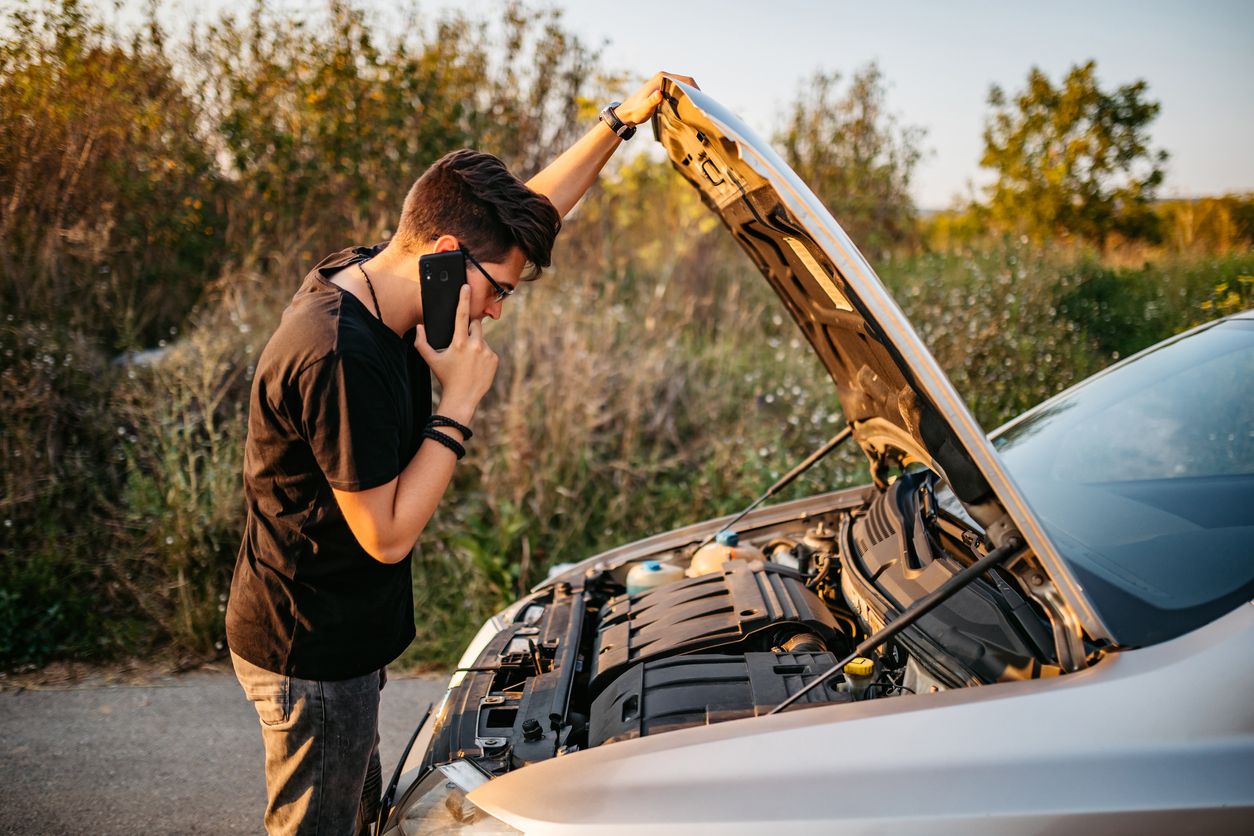
A dead battery while driving can cause your car to lose power, stall, and potentially damage the alternator. If your battery dies while driving, your car will eventually lose electrical power, causing the engine to stall and essential systems to shut down.
I've been working on cars for over fifteen years, and I can tell you that a dead battery while driving is one of those scary moments that catches even seasoned drivers off guard. Picture this: you're cruising down the highway, music playing, and suddenly your dashboard lights start flickering like a haunted house. Your power steering feels like you're wrestling a bear, and then everything just… stops. It's not just inconvenient. It can be genuinely dangerous, especially if it happens in heavy traffic or on a busy road.
The thing most people don't realize is that your car's battery does more than just start the engine. It powers everything from your headlights to your fuel injection system. When it fails while you're moving, you're not just losing your radio. You're losing the very heartbeat of your vehicle's electrical system.
Understanding what happens during this scenario could be the difference between handling it like a pro and panicking on the side of the road. Let me walk you through exactly what goes wrong, why it happens, and most importantly, what you can do about it.
How Your Car Battery Works While Driving
Your car battery has one main job that most people know about: starting the engine. But once that engine is running, the alternator takes over as the primary power source. Think of it like a relay race where the alternator grabs the baton and keeps things moving.
The battery shifts into a supporting role, providing extra power when needed and stabilizing the electrical system. It handles the heavy lifting when you demand more electricity than the alternator can produce, like when you're idling at a stoplight with your AC blasting, headlights on, and phone charging all at once.
Your car's electrical system runs on a beautiful balance between three main components: the battery, the alternator, and the voltage regulator. When everything works as it should, you'll see a steady voltage between 13.5 and 14.5 volts while driving. That's the sweet spot that keeps your battery charged and your electronics happy.
The moment that balance tips, problems start. The battery isn't designed to be the primary power source for long. It's more like a backup generator that should be fully charged and ready to help when called upon.
What Actually Happens When Your Battery Dies While Driving
The moment your battery gives up the ghost while you're behind the wheel, a chain reaction starts. Here's what you'll likely experience, in order:
-
Dashboard Warning Lights Pop On: Your battery light, check engine light, and other warning indicators will light up like a Christmas tree. This is your car's way of screaming for help.
-
Electrical Components Start Failing: Your radio might cut out first, followed by power windows that work slower than usual, dimming headlights, and a failing instrument cluster.
-
Power Steering Becomes Heavy: Without electrical assistance, steering becomes a workout. If you have hydraulic power steering, you might get lucky and keep some assist, but electric power steering will fail completely.
-
Engine Performance Drops: Your fuel injectors and ignition system rely on electricity. As the battery dies, your engine might start misfiring, sputtering, or running rough.
-
Complete Engine Shutdown: Eventually, your engine will stall completely. Once this happens, you're not going anywhere under your own power.
-
Loss of Essential Safety Systems: Your brake booster (if electrically assisted) will fail, making it incredibly hard to stop. Power brakes require vacuum or electrical assistance to function properly.
The scariest part? The timing is unpredictable. You might get a few minutes of warning, or everything could happen in seconds. I remember helping a friend whose car died at 60 mph on the interstate. He had maybe 30 seconds of flickering lights before everything went dark.
Common Signs Your Battery Is About to Die
Your car usually gives you hints before the battery completely gives out. Learning to read these signs can save you from being stranded:
- Slow Engine Crank: When you start your car, if the engine turns over slowly or sounds labored, your battery is crying for help.
- Dim or Flickering Lights: Headlights that seem weaker than usual, especially at idle, often indicate a weak battery or failing alternator.
- Electrical Oddities: Power windows moving slowly, radio cutting out, or dashboard lights dimming for no reason.
- Battery Warning Light: This light shaped like a battery or saying "ALT" or "GEN" means your charging system isn't working right.
- Swollen Battery Case: A battery that looks bloated or swollen has been overheated and is on its last legs.
- Rotten Egg Smell: That sulfur smell means your battery is leaking acid and needs immediate attention.
- Old Age: Most car batteries last 3 to 5 years. If yours is older, you're living on borrowed time.
If you notice any of these signs, don't wait for a complete failure. Get your battery tested at any auto parts store. Most will do it for free, and it takes about five minutes.
Why Batteries Die While Driving
Several culprits can cause your battery to die while you're actually driving. Some are battery issues, while others involve the charging system:
- Old or Worn Battery: Batteries have a finite lifespan. Internal components break down over time, reducing their ability to hold a charge.
- Faulty Alternator: The alternator charges your battery while driving. When it fails, your battery slowly drains until there's nothing left.
- Broken Serpentine Belt: This belt drives the alternator. If it snaps or slips, your alternator stops working, and your battery goes into overtime.
- Corroded or Loose Battery Terminals: Poor connections prevent proper charging and can cause intermittent power loss.
- Parasitic Drain: Something is drawing power even when the car is off, slowly killing your battery between drives.
- Extreme Temperatures: Both intense heat and bitter cold can damage battery cells and reduce performance.
- Leaving Electronics On: Interior lights, headlights, or accessories left on for extended periods can drain a battery, but this usually affects starting, not driving.
- Short Circuits: Damaged wiring can cause a sudden battery drain or prevent proper charging.
In my experience, alternator failures are the most common cause of batteries dying while driving. The battery might be perfectly fine, but without a working alternator, it's like having a full gas tank with no fuel line.
Is It Safe to Drive With a Dying Battery?
Short answer: No, it's not safe, and you should pull over as soon as possible.
A dying battery means your car is running on borrowed time. The moment your alternator can't keep up with the electrical demand, critical systems start shutting down. This includes your power steering, power brakes, and engine management system.
Driving with a dying battery is like walking a tightrope without a safety net. You might make it to your destination, or you might stall in the middle of an intersection. The risk isn't worth it.
If you notice warning signs while driving, here's what to do:
- Turn off all non-essential electronics (radio, AC, heated seats)
- Head to the nearest safe location to pull over
- Turn on your hazard lights immediately
- Call for roadside assistance or a tow truck
Don't try to push your luck. The cost of a tow truck is way less than the cost of an accident caused by a sudden stall in traffic.
What to Do If Your Battery Dies While Driving
Stay calm and follow these steps if your battery dies while you're behind the wheel:
-
Stay Calm and Scan Your Surroundings: Take a deep breath. Check your mirrors and identify the safest place to pull over. A parking lot, wide shoulder, or side street is ideal.
-
Signal and Steer to Safety: Use your turn signals to indicate your intention. Steer carefully toward your chosen safe spot, remembering that power steering might be gone or going.
-
Apply Brakes Firmly: You might need to press harder than usual since your brake booster may have lost power. Pump the brakes if needed to build up pressure.
-
Turn on Hazard Lights: This warns other drivers that you're having trouble. Your hazard lights might work for a few minutes even after the engine dies.
-
Shift to Neutral and Engage Parking Brake: Once stopped, secure the vehicle.
-
Call for Help: Contact roadside assistance, a tow truck, or a trusted friend. Don't try to diagnose complex electrical issues on the side of a busy road.
-
Exit Safely: If you're on a highway or busy road, stay inside your vehicle with your seatbelt on until help arrives. Exit on the side away from traffic if you must leave the car.
-
Don't Try to Jump-Start a Car With a Dead Alternator: If the alternator is bad, jump-starting won't help. You'll just stall again once you disconnect the cables.

Can You Jump-Start a Car That Died While Driving?
Yes and no. It depends on why the battery died.
If your battery simply ran out of charge because you left lights on or the battery is old, a jump-start might get you going again. You can drive to a mechanic or auto parts store to get a new battery.
However, if your alternator failed, jump-starting is a temporary fix at best. The alternator charges the battery while driving. If it's not working, your battery will die again within minutes or miles.
Here's how to tell the difference:
- Battery dies, car won't start the next morning: Likely a bad battery or parasitic drain
- Battery dies while driving: Usually an alternator or charging system problem
If your car died while driving, get the charging system tested before assuming you just need a new battery. Most auto parts stores will test your alternator for free.
How to Prevent Your Battery From Dying While Driving
An ounce of prevention is worth a pound of cure, especially when it comes to car batteries. Here's how to avoid being stranded:
- Regular Battery Testing: Have your battery tested every six months, especially after the three-year mark.
- Keep Terminals Clean: Remove corrosion with a wire brush and baking soda solution. Apply dielectric grease to prevent future buildup.
- Check Your Alternator: Include alternator output in your regular maintenance checks.
- Inspect the Serpentine Belt: Look for cracks, fraying, or glazing. Replace it according to your manufacturer's schedule.
- Turn Off Electronics: When idling for long periods, turn off unnecessary accessories to reduce battery drain.
- Drive Regularly: Short trips don't give your alternator enough time to fully recharge your battery.
- Park in Shade When Possible: Extreme heat kills batteries faster than cold does.
- Secure the Battery: Make sure your battery is tightly mounted. Vibration from a loose battery can damage internal components.
The Cost of Dealing With a Dead Battery
The cost of a dead battery varies wildly depending on what's actually wrong:
- New Battery: $50 to $200 for most vehicles, plus installation if you don't DIY
- Alternator Replacement: $300 to $800 including parts and labor
- Serpentine Belt: $20 to $75 for the part, plus labor if you don't do it yourself
- Tow Truck: $50 to $200 depending on distance and time of day
- Diagnostic Fee: $50 to $150 at most repair shops
Compare these costs to the price of a simple battery test (usually free) or a $20 volt meter, and the value of preventive maintenance becomes crystal clear.
Myths About Car Batteries and Driving
There are some persistent myths that need busting:
Myth 1: A new battery will never die while driving
New batteries can fail, especially if the charging system has problems. Always address the root cause, not just the symptom.
Myth 2: Jump-starting damages modern cars
Modern vehicles have sensitive electronics, but proper jump-starting technique is safe. Just follow the correct procedure and don't let the cables touch.
Myth 3: You need to drive a certain distance to charge a battery
Your battery charges whenever the engine is running, but short trips don't give it enough time to fully recharge.
Myth 4: Disconnecting the battery while driving is safe
Never disconnect the battery while the engine is running. The alternator can produce voltage spikes that damage your car's electronics.
Myth 5: All batteries are the same
Cheap batteries often have shorter lifespans and worse performance. Invest in a quality battery from a reputable brand.
When to Replace Your Battery
Don't wait for a failure to replace your battery. Here are clear signs it's time for a new one:
- Battery is older than 4 years
- Slow cranking even after a full charge
- Visible corrosion or leaks
- Battery light stays on while driving
- Fails a load test at an auto parts store
- Swollen or misshapen case
Proactive replacement is always cheaper than reactive replacement. A scheduled battery swap beats a tow truck and emergency service any day of the week.
Frequently Asked Questions
How long can you drive with a bad alternator?
You might get 20 to 30 minutes of driving with a bad alternator if you turn off all non-essential electronics. However, this varies based on your battery's charge level and electrical demand. Don't count on making it far.
Will a car restart after the battery dies while driving?
If the battery died due to a charging system failure, the car won't restart until the problem is fixed. If the battery simply lost charge, it might restart but will die again quickly without addressing the underlying issue.
Can a bad battery cause transmission problems?
Yes, a weak battery can cause erratic transmission behavior, especially in modern vehicles with electronic transmissions. Low voltage can cause the transmission control module to act up, leading to harsh shifts or getting stuck in a single gear.
What does a failing battery sound like?
A failing battery usually produces a slow, labored cranking sound when starting. You might hear a rapid clicking noise if the battery is completely dead. Some people describe it as a "rumbly" or sluggish starter motor.
How do I know if it's my battery or alternator?
A bad battery usually causes starting problems. A bad alternator causes the battery light to come on while driving, and the car will eventually stall. Auto parts stores can test both components for free in about 10 minutes.

Your car battery is the unsung hero of your daily drive. It works tirelessly behind the scenes, providing the juice that keeps everything running smoothly. But when it fails while you're on the road, it quickly becomes the most important thing in your life.
The key takeaway is simple: pay attention to the warning signs, invest in regular maintenance, and don't ignore that battery light. A five-minute test today can save you hours of headache tomorrow. Keep your terminals clean, your belt tight, and your battery fresh, and you'll likely never experience the panic of a dead battery at 60 mph.
If you found this guide helpful, share it with a friend who needs to hear it. And if you've got a dead battery story or tips I missed, drop them in the comments below. Safe driving out there.